The Fuzzy Mint Plant Taking Over? Your Ultimate Taming Guide
It starts innocently. A single, charming fuzzy mint plant, perhaps a gift or an impulse buy, finds a home in your garden. Its soft, slightly hairy leaves and delightful, fruity aroma promise fresh teas and fragrant garnishes. But then, the quiet invasion begins, a problem many gardeners face too late.
One plant becomes a patch, then a sprawling colony sending out aggressive runners. This seemingly gentle herb can quickly become a relentless force, choking out neighboring plants and consuming valuable garden space. Before you know it, you’re facing a fragrant but frustrating takeover.
This guide offers a definitive solution. We will explore how to identify this vigorous herb, implement foolproof containment strategies, and care for it properly to maximize its delightful qualities while keeping its invasive nature firmly in check. Regain control and enjoy your fuzzy mint on your own terms.
You'll Learn About
What Exactly Is the Fuzzy Mint Plant?
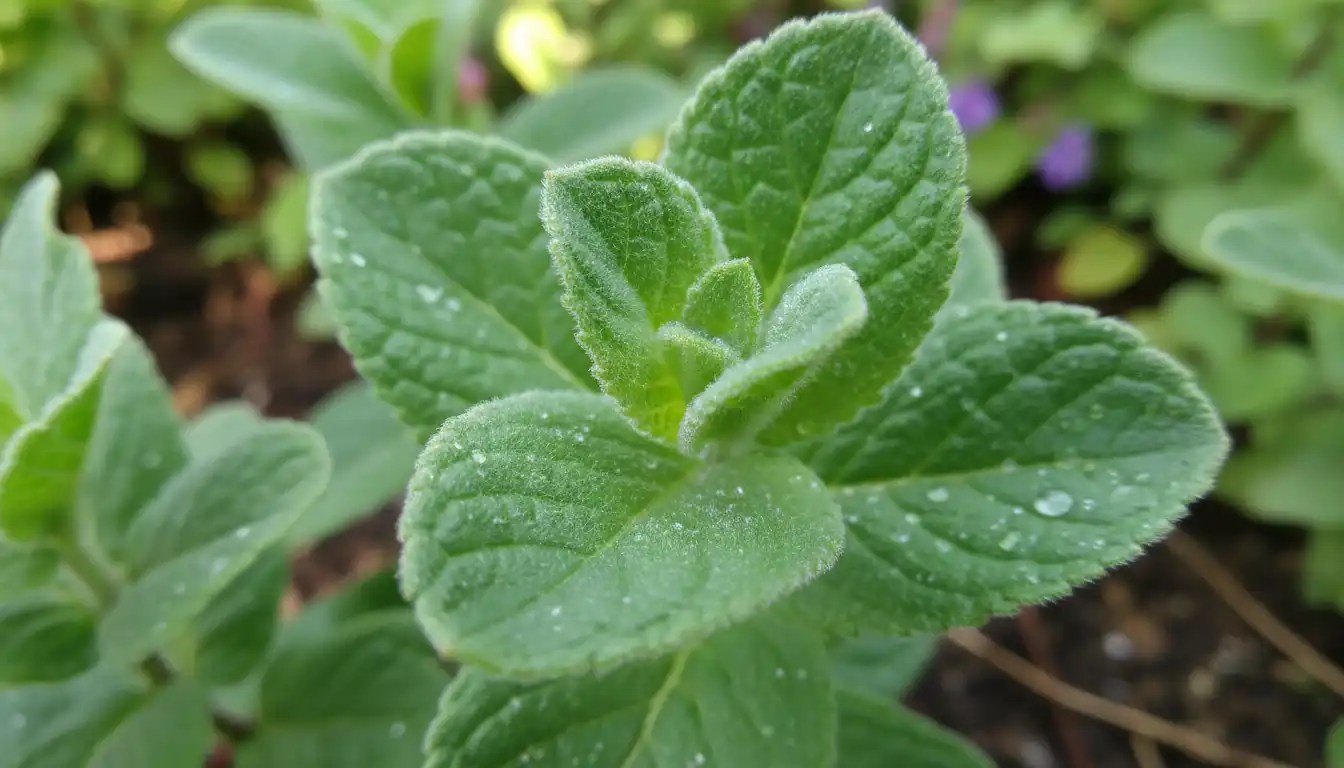
When gardeners refer to a “fuzzy mint plant,” they are most often talking about Apple Mint (Mentha suaveolens). This popular herb is well-known for its distinctive soft, hairy leaves and a pleasant, mild aroma that combines mint with a hint of fruit. The fine hairs on the leaves give it a woolly or fuzzy texture, which is why it’s also sometimes called woolly mint.
Originally native to southern and western Europe, apple mint is a perennial that can grow up to two feet tall. It produces small white or light pink flowers on terminal spikes in the late summer, which are attractive to pollinators like bees and butterflies. Understanding its identity is the first step, as misidentification can lead to improper care. For instance, distinguishing it from other herbs early on is crucial; some gardeners have even confused it with entirely different plants, a common issue also seen when trying to identify young herbs like those in our guide on oregano seedlings.
Identifying Key Characteristics
Distinguishing apple mint from its numerous relatives is straightforward if you know what to look for. The most telling feature is its leaves. They are generally larger and more rounded than those of spearmint or peppermint, with a wrinkled surface and serrated edges. The entire plant, including the stems, is covered in soft, downy hairs.
Another key identifier is its scent. Crush a leaf between your fingers; the aroma is distinctly milder and sweeter than the sharp, intense scent of peppermint. This fruity undertone is what gives apple mint its name and makes it a favorite for teas and jellies.
The Unspoken Problem: Aggressive Invasion
The primary challenge with the fuzzy mint plant is its incredible vigor. Apple mint spreads through underground stems called rhizomes or runners. These runners can travel far and wide just beneath the soil surface, sending up new plants along the way. If left unchecked, a single plant can colonize an entire garden bed in just one or two seasons.
This aggressive growth habit can create a monoculture, pushing out less competitive plants and disrupting the balance of your garden ecosystem. Many unsuspecting gardeners have learned this lesson the hard way, discovering that what started as a delightful herb has become a formidable adversary. This invasive nature is a serious consideration, much like dealing with garden pests that can quickly get out of hand. While mint can deter some animals, others remain a nuisance. For example, some gardeners wonder about common myths like using bubble gum for pest control, a topic explored in our article, Will Bubble Gum Kill Chipmunks? The Garden Myth Debunked.
Taming the Beast: The Ultimate Containment Strategy
The most effective way to enjoy fuzzy mint without it taking over is through container gardening. Planting apple mint in a pot is the single best method to restrict its spreading runners. This approach gives you complete control over the plant’s size and location.
Choose a large container, at least 12-15 inches in diameter, to give the root system ample space. Ensure the pot has adequate drainage holes to prevent waterlogging, which can lead to root rot. Using a quality, well-draining potting mix will provide the ideal environment for healthy growth.
The “Pot-in-Ground” Method
If you want the look of in-ground planting without the risk, the “pot-in-ground” method is an excellent compromise. Simply plant your fuzzy mint in a large plastic pot and then sink the entire pot into your garden bed, leaving the rim an inch or two above the soil level. This buried barrier will effectively stop the underground runners from escaping into the surrounding garden while allowing the plant to appear as if it’s part of the landscape.
Remember to check the pot periodically, as determined runners might occasionally escape through drainage holes. It’s a small price to pay for peace of mind and a well-behaved mint patch.
Planting Fuzzy Mint the Right Way
Even when contained, providing the right growing conditions will ensure your fuzzy mint thrives, producing lush, aromatic foliage. Proper care enhances its flavor and fragrance, making it a more valuable addition to your garden.
Sunlight and Soil Requirements
Fuzzy mint is adaptable but performs best with a good amount of sunlight. In cooler climates, plant it in full sun. In hotter regions, a location with morning sun and some afternoon shade is ideal to prevent the leaves from scorching. Too much shade can cause the plant to become leggy and less flavorful.
This herb prefers consistently moist, rich, and well-draining soil with a pH between 6.0 and 7.0. While it can tolerate a range of soil types, it struggles in dry conditions. Amending your potting mix with compost will help retain moisture and provide essential nutrients for vigorous growth.
Watering and Fertilizing
Consistent moisture is key to tender, flavorful leaves. Water your fuzzy mint whenever the top inch of soil feels dry. Plants in containers will dry out more quickly than those in the ground, especially during hot, dry weather, so check them daily. Apply water directly to the soil to avoid wetting the foliage, which can help prevent fungal diseases.
If planted in rich, compost-amended soil, your mint may not need much additional fertilizer. For container-grown plants, a balanced, all-purpose liquid fertilizer applied every 4-6 weeks during the growing season can promote lush, healthy growth. Avoid over-fertilizing, which can sometimes diminish the aromatic oils in the leaves.
Beyond Control: How to Maximize Flavor and Fuzziness
A common but rarely discussed issue is a fuzzy mint plant that loses its signature characteristics—the soft texture and potent aroma. This is often a sign of environmental stress or improper care. You can take specific steps to ensure your plant remains vibrant, fragrant, and distinctly fuzzy.
The “fuzz” on the leaves, known as trichomes, is where the plant’s essential oils are concentrated. A decline in fuzziness can indicate a reduction in oil production. This can be caused by nutrient-poor soil, inadequate sunlight, or inconsistent watering. Following the care guidelines above is the first step to preventing this.
The Secret to Peak Potency: Strategic Pruning
Regular and strategic pruning is crucial for maintaining a healthy, productive, and flavorful fuzzy mint plant. Pruning encourages the plant to grow bushier and produce more of the tender, young leaves that are most potent in flavor and aroma. Never remove more than one-third of the plant at once.
Pinch off the top sets of leaves regularly throughout the growing season. This practice, known as “pinching back,” prevents the plant from becoming leggy and directs its energy into producing more leafy side shoots. It also delays flowering, which is important because mint leaves can become bitter after the plant blooms.
Harvesting Your Fuzzy Mint for Peak Potency
Harvesting is essentially a form of pruning, and doing it correctly ensures a continuous supply of fresh leaves. The best time to harvest any mint is in the morning, after the dew has dried but before the sun becomes too intense. This is when the concentration of essential oils in the leaves is at its highest.
To harvest, snip stems about one-third of the way down, just above a set of leaves. This encourages the plant to branch out from that point, resulting in a fuller plant. You can harvest leaves as needed throughout the spring and summer. For a larger harvest to dry or freeze, you can cut the entire plant back to a few inches above the ground two to three times per season.
Creative Uses for Your Abundant Harvest
Once you have a thriving, well-managed fuzzy mint plant, you’ll have an abundance of fragrant leaves to use. Apple mint’s mild, fruity flavor makes it incredibly versatile in the kitchen and beyond.
It is excellent for brewing fresh hot or iced tea, and its subtle sweetness complements fruit salads perfectly. Muddle the leaves for refreshing drinks like mojitos or simply add them to a pitcher of ice water with lemon slices. You can also create a delicious apple mint jelly or use the chopped leaves in marinades for lamb or poultry. Dried leaves can be used in potpourri or sachets to freshen your home.
Fuzzy Mint vs. Other Varieties
While apple mint is the most common fuzzy variety, it’s helpful to know how it compares to others. Understanding the subtle differences can help you choose the perfect mint for your garden’s needs.
| Mint Variety | Primary Characteristics | Best Culinary Use |
|---|---|---|
| Apple Mint (Fuzzy Mint) | Soft, hairy leaves; mild, fruity aroma. Less aggressive than spearmint but still a spreader. | Teas, jellies, fruit salads, garnishes. |
| Pineapple Mint | A cultivar of apple mint with attractive variegated (cream and green) fuzzy leaves. Fruity scent. | Ornamental, garnishes, fruit-based drinks. |
| Spearmint | Bright green, pointed leaves with a spear-like shape; strong, classic mint flavor. Highly invasive. | Savory dishes, sauces (tzatziki), mojitos. |
| Peppermint | Dark green leaves, often with a reddish tinge to the stems; strong, sharp menthol flavor. Spreads aggressively. | Desserts, candies, teas, flavoring extracts. |
Is Your Fuzzy Mint a Threat? Common Pests & Diseases
Fuzzy mint is a robust plant and generally resistant to many pests. In fact, its strong scent can repel certain insects and even garden pests like rabbits. If you have concerns about what animals might be munching on your other plants, you might find our article, Do Rabbits Eat Rose of Sharon?, to be a useful resource.
However, it can occasionally fall prey to issues like spider mites or aphids, especially if the plant is stressed. Fungal diseases such as rust or powdery mildew can also occur, particularly in overly damp or shady conditions with poor air circulation. To prevent this, ensure your mint has good air movement around it and avoid overhead watering.
By mastering the art of containment and providing thoughtful care, your fuzzy mint plant can be a delightful and well-behaved resident of your garden. Its lush foliage and refreshing aroma can be a source of joy rather than frustration, offering a bountiful harvest for all your culinary adventures.