Furnace Fan Speed Too High? The #1 Reason Your House Feels Like a Wind Tunnel
Does it feel like a hurricane is brewing inside your living room every time the furnace kicks on? Are you tired of papers flying off the table and a constant roar drowning out conversations? If your furnace fan speed is too high, it can turn your cozy home into a noisy, uncomfortable wind tunnel.
This isn’t just an annoyance; an excessively high blower speed can lead to bigger problems. These include uneven heating, skyrocketing energy bills, and unnecessary wear and tear on your HVAC system. Understanding the cause and solution is key to restoring peace and comfort to your home.
You'll Learn About
Why Your Furnace Fan Is Suddenly on Overdrive
A furnace fan that’s working too hard is often a symptom of an underlying issue. Several factors can cause the blower to run at an excessively high speed, transforming your gentle heating system into a powerful wind machine. Identifying the root cause is the first step toward finding a solution.
From simple thermostat settings to more complex mechanical failures, the reasons for a high fan speed can vary. Pinpointing the exact problem will help you determine whether it’s a quick fix or if it’s time to call in a professional.
Common Culprits Behind Excessive Fan Speed
One of the most frequent reasons for a fan running on high is an incorrect thermostat setting. Many thermostats have a fan setting that can be switched from “Auto” to “On.” When set to “On,” the blower runs continuously at full tilt, regardless of whether the furnace is actively heating.
Another possibility is that your system’s fan limit switch is malfunctioning or set to manual override. This switch is designed to control when the blower turns on and off. If it’s stuck or set incorrectly, it can force the fan to run nonstop.
In some cases, a clogged air filter is to blame. When airflow is restricted, some modern furnace systems will automatically increase the fan speed to compensate. This ensures enough air moves through the system, but it also creates excessive noise and drafts.
The Hidden Dangers of a High-Speed Furnace Fan
While a noisy furnace is irritating, the problems caused by a fan speed that is too high go beyond simple inconvenience. This issue can have a significant impact on your home’s comfort, your wallet, and the longevity of your HVAC system. Ignoring it can lead to more severe complications down the road.
An overactive blower can strain the motor, leading to premature failure. Furthermore, it can cause the furnace to overheat, which poses a serious safety risk. Understanding these potential dangers highlights the importance of addressing the problem promptly.
Impact on Comfort and Energy Efficiency
When your furnace fan blows too hard, it can create uncomfortable drafts and lead to uneven heating. Some rooms might feel chilly while others are too warm, as the powerful airflow doesn’t allow for proper heat distribution. This can be a particular issue in homes with high ceilings, such as those with a 30 ft ceiling, where circulating warm air effectively is already a challenge.
A constantly high fan speed also consumes a significant amount of electricity, leading to a noticeable spike in your energy bills. The system works harder than necessary, wasting energy and reducing overall efficiency. This inefficiency is counterproductive, especially during cold winter months when you rely on your furnace the most.
Beyond heating, incorrect fan speed can affect your home’s air quality. The forceful airflow can stir up and circulate dust and allergens throughout your home. This can be particularly problematic if you’re dealing with fine particles like spackle dust after a renovation.
How to Tame Your Overactive Furnace Fan: A Step-by-Step Guide
Regulating your furnace fan speed is often a manageable task that can restore comfort and quiet to your home. Before calling a professional, there are several steps you can take to diagnose and potentially fix the issue yourself. Always prioritize safety by turning off the power to your furnace at the circuit breaker before performing any inspections or adjustments.
This guide will walk you through the process, from simple checks to more involved adjustments. By following these steps, you can identify the cause of the high fan speed and take the necessary actions to correct it.
Initial Troubleshooting Steps
First, check your thermostat’s fan setting. Ensure it is set to “Auto,” not “On.” The “Auto” setting allows the fan to run only when the furnace is in a heating cycle. This simple adjustment is often all that is needed to solve the problem.
Next, inspect and replace your air filter if it’s dirty. A clogged filter restricts airflow, which can cause some systems to ramp up the fan speed to compensate. Regularly changing your filter is crucial for maintaining proper airflow and system efficiency.
If these steps don’t resolve the issue, you may need to investigate the furnace itself. Check the fan limit switch, which is typically located inside the furnace’s panel. If it has a manual override button, ensure it is set to “Auto.”
Adjusting the Blower Motor Speed
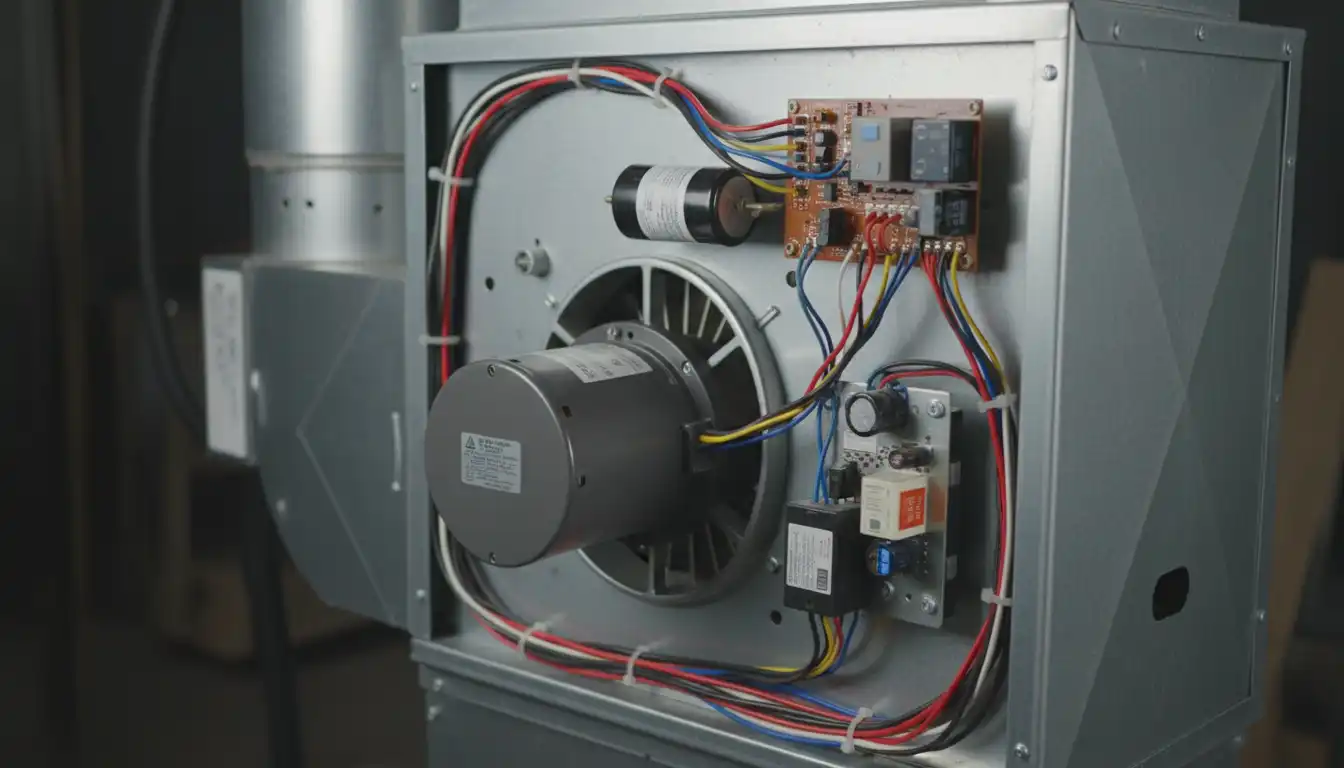
For multi-speed furnaces, you can often adjust the fan speed directly on the control board. After turning off the power, open the furnace access panel to locate the control board. You will typically find several colored wires connected to terminals labeled for different speeds (e.g., high, medium-high, medium-low, low).
The heating speed is often connected to a medium or medium-high setting. You may be able to switch it to a lower speed setting to reduce airflow. Consult your furnace’s manual to identify the correct wires and terminals for your specific model before making any changes.
For older furnaces, the adjustment might involve changing the position of a pulley on the blower motor. This is a more mechanical adjustment that involves loosening a setscrew and rotating the pulley. This task can be more complex and may be best left to a professional if you are not comfortable with it.
| Motor Type | Common Adjustment Method | DIY Friendliness |
|---|---|---|
| PSC (Permanent Split Capacitor) | Changing colored wires on the control board terminals (speed taps). | Moderate – requires identifying correct wires and terminals. |
| Multi-Speed ECM (Electronically Commutated Motor) | Moving wire terminals on the control board or adjusting DIP switches. | Moderate to High – consult manual for specific settings. |
| Variable-Speed ECM | Controlled electronically by the furnace control board; adjustments made via DIP switches or thermostat settings. | High – often requires professional calibration. |
| Belt-Drive (Older Models) | Adjusting the motor pulley diameter. | Low – typically requires a professional. |
Seasonal Fan Speed Considerations
Did you know that the ideal fan speed for heating is often different from the best speed for cooling? Optimizing your blower speed for the season can enhance both comfort and efficiency. Understanding these differences allows you to get the most out of your HVAC system year-round.
During winter, a slower fan speed can be more effective. It allows the air to spend more time passing over the heat exchanger, resulting in warmer air being delivered through your vents. This can create a cozier feeling and prevent the sensation of cool drafts.
Conversely, in the summer, a higher fan speed is generally needed for air conditioning. It helps move more cool air throughout the house to combat the heat effectively. Proper airflow is also critical for dehumidification, as a speed that is too slow can cause the evaporator coil to freeze.
For homes with unique architectural features, like a 6/12 vaulted ceiling, managing airflow across seasons is even more critical to prevent heat from pooling at the top in winter and to ensure cool air circulates effectively in summer.
When to Call a Professional
While some fan speed issues can be resolved with simple adjustments, there are times when it’s best to call in a qualified HVAC technician. If you’ve gone through the basic troubleshooting steps and the problem persists, or if you’re not comfortable working with your furnace’s internal components, professional help is the safest option.
Attempting complex repairs without the proper knowledge and tools can lead to further damage to your system or even create safety hazards like electrical issues or gas leaks. A professional can accurately diagnose the problem and ensure the repairs are done correctly and safely.
Signs that you should immediately call an expert include loud banging or grinding noises, a burning smell coming from the vents, or a furnace that frequently cycles on and off. These can indicate serious problems, such as a failing motor or an overheating system, that require immediate attention. An expert can also identify less obvious issues, like a faulty control board or a malfunctioning capacitor, that could be causing the fan to run at high speed.