
French Door Plastic Insert Replacement: Your Ultimate Guide
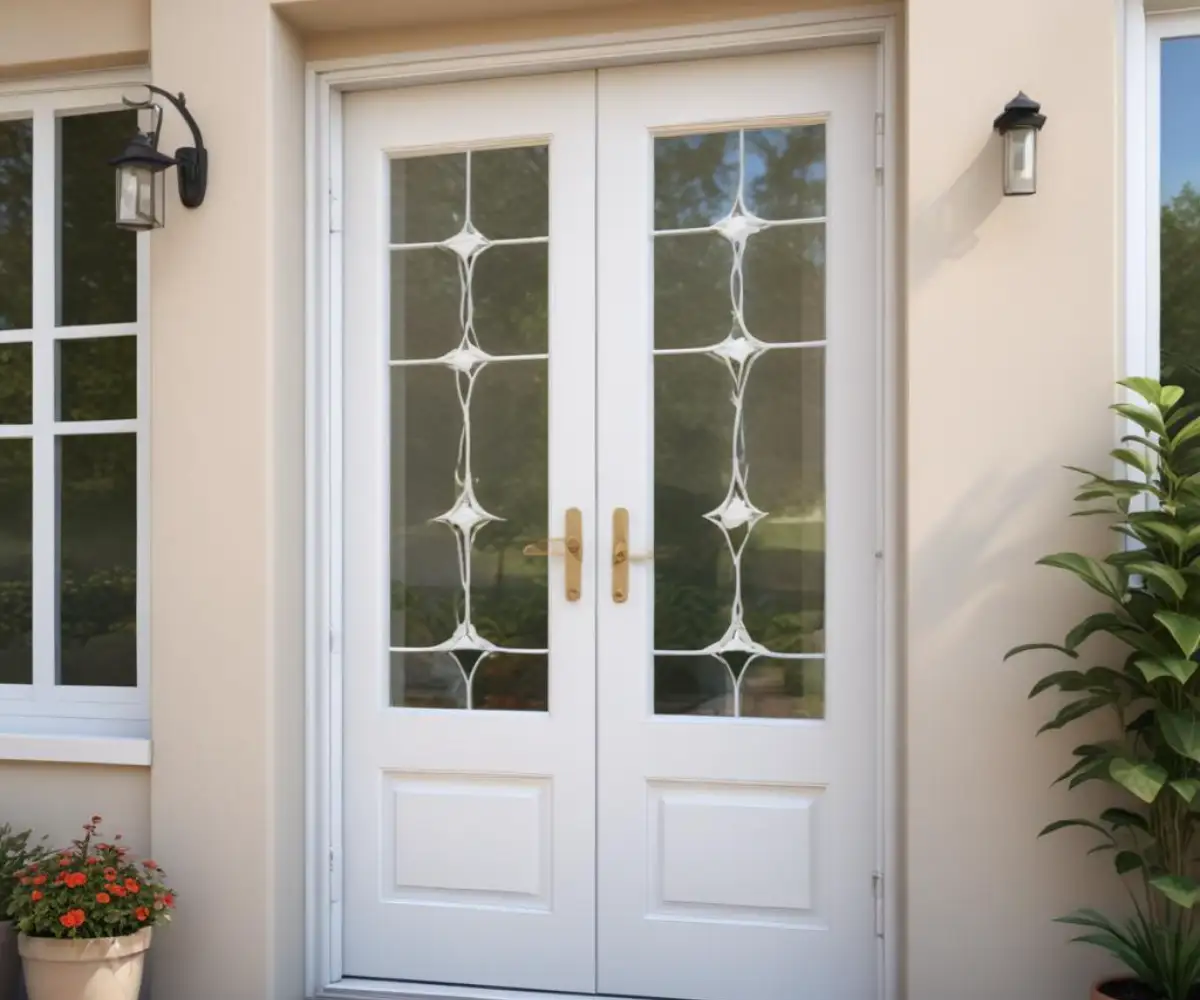
There’s nothing quite like the classic charm of French doors. They flood a room with light and create an elegant transition between spaces. But that charm can quickly fade when the plastic decorative inserts—also known as grilles or grids—become cracked, yellowed from sun exposure, or broken from an accidental impact. It’s a frustrating problem that can make an entire door look old and neglected.
Many homeowners immediately assume the only solution is a costly and complex full door replacement. The good news is that this is rarely necessary. Replacing just the plastic insert is a manageable, affordable, and highly effective solution that can restore your doors to their original beauty in just an afternoon.
You'll Learn About
Why Replace Just the Insert? The Smart, Cost-Effective Choice
The primary reason to opt for an insert replacement is simple: cost savings. A full French door unit can cost hundreds, if not thousands, of dollars, plus the added expense of professional installation. In stark contrast, a replacement plastic insert is a fraction of that price, and the replacement process is straightforward enough for most DIY enthusiasts.
Beyond the budget, replacing only the damaged component is a more sustainable choice, reducing waste. Understanding why doors are so expensive involves looking at materials, labor, and complex mechanisms; by targeting just the broken part, you sidestep these significant costs and get a nearly-new result for minimal investment.
Understanding Your French Door Inserts
Before you begin, it’s helpful to know what you’re working with. These plastic grids go by many names: inserts, grilles, grids, mullions, or muntins. While historically muntins were the structural wood pieces holding individual panes of glass, today’s versions are almost always purely decorative overlays designed to simulate that classic look on a single large pane of glass.
These inserts are typically made from one of two common plastics: vinyl (PVC) or ABS. Vinyl is durable and weather-resistant but can yellow over time as its UV-stabilizing compounds break down from prolonged sun exposure. ABS is a tougher, more impact-resistant plastic, but it can become brittle with age. Knowing the material can help you source a more durable replacement.
Inserts are attached in a few different ways. Most modern doors use a “sandwich” style frame where the interior and exterior grille frames are screwed together through the door, clamping the glass between them. Others may use small clips or even adhesive to hold the grid against the glass. Identifying your type is the first step in the removal process.
Pre-Replacement Checklist: Tools and Materials
Proper preparation is the key to a smooth and successful project. Rushing to start without the right equipment can lead to frustration or damage to your door or glass. Before you begin, gather everything you need so it’s within arm’s reach.
This simple checklist covers the essential tools and materials required for a standard French door plastic insert replacement. Having these items ready will streamline the process and help you achieve a professional-quality finish without any last-minute trips to the hardware store.
| Category | Item | Purpose |
|---|---|---|
| Tools | Tape Measure | To accurately measure the existing insert for ordering a replacement. |
| Screwdriver (Phillips Head) | For removing the screws that hold the insert frame together. | |
| Putty Knife or Plastic Pry Tool | To gently pry the old insert frame away from the door and glass. | |
| Safety Glasses | To protect your eyes during removal and installation. | |
| Work Gloves | To protect your hands and improve grip. | |
| Materials | Replacement Plastic Insert/Grille | The new part sized correctly for your door. |
| Glass Cleaner | To clean the glass surface before installing the new insert. | |
| Microfiber Cloths | For a streak-free clean on the glass. | |
| Adhesive Remover (Optional) | If the old insert was secured with adhesive. | |
| Clear Silicone Caulk (Optional) | For securing loose clips or providing a better seal if needed. |
Step-by-Step Guide to Replacing Your French Door Insert
With your tools and materials ready, it’s time to begin the replacement. Follow these steps carefully for a seamless installation. It’s often helpful to have a second person available to help support the glass if the frame is what holds it in place.
Step 1: Identify and Measure Your Existing Insert
Accuracy is everything. Measure the visible glass area first, both width and height. Next, measure the outer dimensions of the plastic frame itself. Take clear photos of the front, back, and any visible fasteners or clips. These details will be crucial for ordering the correct replacement part.
Step 2: Sourcing Your Replacement Part
Finding a replacement can sometimes be the trickiest part. Start by looking for a manufacturer’s name on the door’s edge or hinges. Contacting the manufacturer directly is often the most reliable way to get an exact match. If that’s not possible, specialty online door part suppliers are your next best bet. Provide them with your precise measurements and photos for the best results.
Step 3: Removing the Old, Damaged Insert
Begin on the interior side of the door. Look for small plastic caps covering the screw heads around the perimeter of the frame. Carefully pop these caps off with a flathead screwdriver or putty knife. Once exposed, remove all the screws. The interior side of the frame should now be loose.
Gently pry the interior frame away from the glass. Use a plastic pry tool to avoid scratching the door or glass. With the interior frame off, the exterior frame (which may be attached to the glass with adhesive) can be pushed out from the inside. Have your helper support it from the outside to prevent it from falling.
Step 4: Cleaning and Preparing the Door Glass
With the old insert removed, you have the perfect opportunity to give the glass a thorough cleaning. Use a quality glass cleaner and a microfiber cloth to remove all dust, grime, and fingerprints from both sides. If there is any old adhesive residue on the glass, use a dedicated adhesive remover and a plastic scraper to carefully clean it off. A pristine surface will ensure the new insert sits perfectly.
Step 5: Installing the New Plastic Insert
Installation is essentially the reverse of removal. Start by placing the new exterior frame and glass unit into the opening from the outside of the door. Ensure it is seated evenly. From the inside, place the new interior frame into position, making sure it aligns perfectly with the exterior half.
Insert the screws and tighten them by hand at first to avoid cross-threading. Work in a crisscross pattern to apply even pressure, similar to tightening lug nuts on a wheel. Do not overtighten, as this can crack the plastic frame. The screws should be snug enough to create a firm seal. Finally, snap the screw caps back into place.
Troubleshooting Common Replacement Issues
Even with careful planning, you might run into a few snags. Most are easily solved. This unique troubleshooting section addresses the real-world problems that other guides often overlook, giving you the confidence to handle any challenge that arises during your project.
What If the Retainer Clips Break?
Older plastic can become brittle, and it’s not uncommon for a retainer clip to snap during removal or installation. If this happens, don’t panic. A small dab of clear, waterproof silicone adhesive applied directly to the back of the grid where the clip was will hold it securely against the glass. Allow it to cure fully before closing the door.
The New Insert Feels Loose or Too Tight
If the new insert feels loose, double-check that you’ve tightened the screws evenly. If it’s still not snug, the frame might be slightly different. You can add a very thin bead of clear silicone caulk around the perimeter of the frame before tightening it down for a more secure fit. If it feels too tight, ensure there is no debris or old adhesive in the door opening preventing it from seating properly.
Beyond Replacement: Upgrading and Customizing Your Grids
This repair is also an opportunity to upgrade. You don’t have to replace your old insert with an identical one. Consider a different grid style to modernize your doors. For instance, you could switch from a traditional colonial nine-lite grid to a simpler prairie-style grid for a more contemporary look.
Furthermore, most replacement inserts are paintable. This allows you to customize the color to match your door, trim, or overall decor. Be sure to use a paint formulated for plastics. Proper preparation, including a light scuff sanding and a bonding primer, will ensure a durable, long-lasting finish. For extensive custom work on larger home projects, precision tools are invaluable; while overkill for this task, the debate over a DeWalt 8.25 vs 10 table saw highlights the importance of having the right equipment for professional-grade results.
The Financial Bottom Line: A Smart Investment
By choosing to replace only the plastic insert, you are making a smart financial decision. You’ve saved potentially thousands of dollars and achieved a high-impact visual upgrade. This small repair not only restores the beauty of your doors but also enhances your home’s curb appeal and overall value.
This is particularly true for entry doors, where first impressions matter most. The logic behind why front doors are so expensive is tied to their role in security, insulation, and aesthetics. Ensuring the decorative elements are in perfect condition supports that investment and keeps your home looking its best.
Final Thoughts: A Simple Fix for a Big Impact
A broken or yellowed French door plastic insert doesn’t have to be a source of frustration or a major expense. With the right replacement part and a bit of patience, you can easily tackle this project yourself. The result is a refreshed, beautiful set of doors that will enhance your home for years to come, proving that sometimes the simplest fix can make the biggest difference.
