
French Door One Side Fixed? Your Ultimate Guide to This Smart Design
You love the timeless, elegant look of French doors, but your home has a frustrating problem: not enough space for two swinging doors. It’s a common dilemma where style clashes with practicality. You want the flood of natural light and the classic sightlines, but the layout simply won’t allow for a traditional double-door installation without creating an awkward, cluttered space.
This is where the asymmetrical or “one side fixed” French door comes in as a brilliant solution. It offers the aesthetic you desire while perfectly adapting to the spatial limitations of your home. This guide will explore every aspect of this clever design, helping you understand if it’s the missing piece in your home’s puzzle.
You'll Learn About
What Exactly Is a French Door With One Side Fixed?
A French door with one side fixed, also known as a single-operable French door, is a popular and practical alternative to the traditional double-door setup. It consists of two panels, but only one is hinged to swing open and closed. The other panel is stationary, functioning much like a sidelight to create a balanced and symmetrical appearance while maximizing space.
This configuration preserves the beloved aesthetic of classic French doors—the wide glass panes, the elegant frames—while only requiring clearance for a single door’s swing path. It’s a design that marries form and function, delivering architectural beauty without demanding a large footprint. The result is an entryway or patio access that feels grand and open, even in rooms where a standard double door would be impractical.
The Beauty of Asymmetrical Design: More Than Just a Space-Saver
The choice to use an asymmetrical French door goes beyond simply solving a space issue. It’s an intentional design statement that offers unique benefits. This setup allows for an abundance of natural light to pour into a room, creating a bright and inviting atmosphere that can make smaller spaces feel larger and more open.
Furthermore, it provides a seamless visual connection to the outdoors, whether it leads to a garden, patio, or balcony. This style also adds a touch of architectural interest that can elevate the overall look of a room. It’s a versatile option that works beautifully in various home styles, from traditional to contemporary, proving that you don’t have to sacrifice elegance for practicality.
Is This Door Style the Right Choice for Your Home’s Layout?
Deciding on the perfect door involves weighing aesthetics, functionality, and your home’s specific layout. The one-sided fixed French door excels in many scenarios, but it’s essential to consider all angles before making a final decision. From spatial constraints to daily use, understanding the nuances will ensure you choose a door that you’ll love for years to come.
This style elegantly solves many common design challenges, but it’s not a universal solution. Let’s break down the key factors to consider to determine if this door is the ideal fit for your unique space and lifestyle.
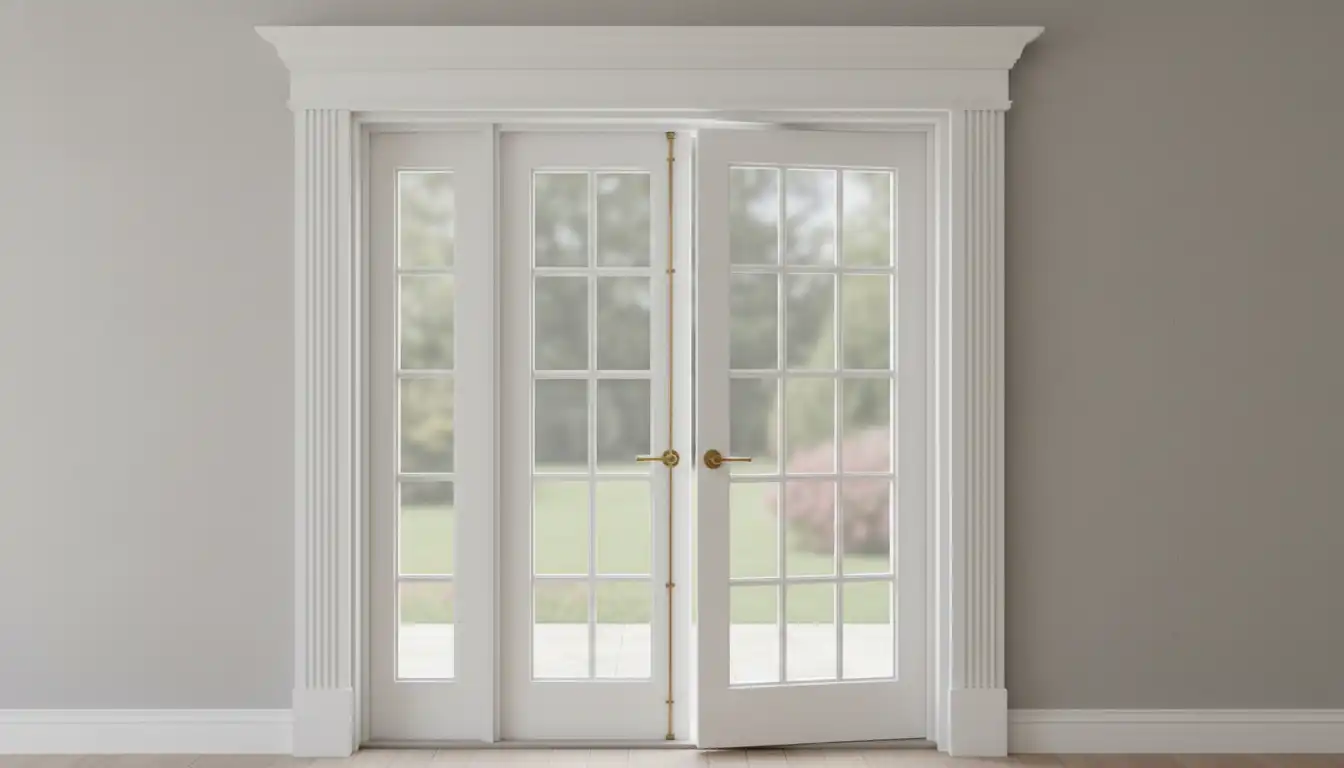
Solving Critical Space and Layout Problems
One of the most significant advantages of a fixed-panel French door is its ability to resolve spatial conflicts. In many homes, the swing path of a full double door can interfere with furniture placement, walkways, or other architectural elements. This is especially true in dining rooms, living areas, or kitchens where every square foot matters.
For instance, if your patio door opens near your kitchen workspace, you want to avoid a situation where the kitchen island is too close to the fridge or door, creating a frustrating bottleneck. By having one fixed panel, you cut the required swing clearance in half, opening up valuable floor space and allowing for a more flexible and functional room layout without sacrificing the expansive glass view.
Balancing Functionality with High-End Aesthetics
The primary trade-off with a single-operable French door is the width of the opening. While you retain the beautiful, wide look of a double door, the actual passage is limited to the width of one door. For daily use, this is perfectly adequate for people coming and going.
However, if you frequently move large items like furniture, grills, or bulky outdoor equipment through the doorway, a traditional double door that opens fully might be more practical. It’s crucial to think about how you will use the door. If your priority is light, views, and solving a space crunch, the fixed-side design is an excellent compromise that delivers high-end aesthetics with everyday functionality.
Choosing the Right Materials for Durability and Style
The material you choose for your French door will significantly impact its appearance, durability, maintenance requirements, and cost. Each material offers a distinct set of benefits tailored to different climates and home styles. Understanding these differences is key to making a wise investment.
From the classic warmth of wood to the low-maintenance appeal of vinyl and the superior strength of fiberglass, your choice will define the door’s long-term performance. Consider the architectural style of your home and your local weather conditions to select the material that best meets your needs.
| Material | Average Cost | Maintenance Level | Best For |
|---|---|---|---|
| Wood | High | High | Historic or traditional homes where authenticity is key. Offers a warm, classic look. |
| Vinyl | Low to Moderate | Low | Budget-conscious projects and modern homes. Resists moisture and requires no painting. |
| Fiberglass | Moderate to High | Low | Harsh climates with extreme temperatures. Resists warping, rotting, and denting. |
| Aluminum-Clad | High | Low | Contemporary designs needing slim frames and durability, with a wood interior for warmth. |
Installation Insights: Getting Your Fixed French Door Right
Proper installation is the bedrock of a door’s performance and longevity. A beautifully crafted door can quickly become a source of frustration if it’s not installed correctly, leading to issues like drafts, water leaks, and operational problems. For a French door with one side fixed, ensuring a perfect fit and a weatherproof seal is even more critical.
From deciding between a DIY project and hiring a professional to understanding the key components that ensure a secure and stable fit, every step matters. A flawless installation will guarantee your door not only looks fantastic but also functions perfectly for years, protecting your home from the elements and providing effortless operation.
Securing the Fixed Panel: The Key to Stability and Security
The stationary panel is the anchor of the entire door system, and its security is paramount. The most common method for securing the fixed side is using flush bolts. These are discreet bolts mortised into the edge of the door, one at the top sliding into the head jamb and one at the bottom sliding into the sill or floor.
When engaged, these bolts firmly lock the inactive door in place, providing rigidity against wind and preventing it from being forced open. For enhanced security, some systems use a multi-point locking mechanism that is integrated into the fixed panel, creating an even more robust and tamper-proof installation. Proper anchoring ensures the active door has a solid frame to latch into, improving overall security and weather resistance.
The Unsung Hero: Understanding the Astragal
A component that many overlook but is vital to a French door’s performance is the astragal. The astragal is a vertical molding attached to the edge of the fixed door panel. Its purpose is to cover the seam between the two doors when they are closed, creating a tight seal against weather and drafts.
Without a properly installed astragal, you would have a visible gap that allows air, water, and even insects to penetrate. In a single-operable system, the astragal provides a continuous weatherstripping surface for the active door to press against, ensuring an airtight and energy-efficient closure. This small detail makes a massive difference in comfort and utility bills.
Solving Common Problems with Fixed French Doors
Even with professional installation, French doors can sometimes develop issues over time due to house settling, weather exposure, or wear and tear. Knowing how to identify and address these common problems can save you time and money, keeping your doors in optimal condition.
From frustrating drafts to misaligned latches, most issues are correctable with a bit of troubleshooting. By understanding the causes, you can apply the right solutions and ensure your doors continue to be a beautiful and functional feature of your home.
Dealing with Drafts and Leaks Around the Fixed Panel
If you feel a draft or notice moisture around the fixed panel, the culprit is almost always a failed seal. The first place to inspect is the weatherstripping along the astragal and around the door frame. Over time, it can become compressed, cracked, or dislodged.
Replacing worn weatherstripping is a simple and effective fix. Another potential issue is failed caulking around the exterior of the door frame. If the caulk has shrunk or cracked, carefully remove the old bead and apply a fresh line of high-quality exterior-grade sealant to block any potential entry points for air and water.
When the Operable Door Won’t Latch Properly
A common frustration is an active door that no longer latches smoothly. This is often due to misalignment caused by the house settling or hinge issues. First, check the hinges on the operable door to ensure all screws are tight. Loose hinges can cause the door to sag, preventing the latch from aligning with the strike plate.
If tightening the screws doesn’t solve it, the door’s alignment may need adjustment. Sometimes, a more persistent issue where the door keeps popping open can be related to the latch mechanism itself, which might require a minor adjustment or replacement to ensure a secure close every time.
Advanced Features and Customization Options
Beyond the basic configuration, modern French doors with a fixed panel offer a wealth of customization options to enhance their functionality, energy efficiency, and style. These features allow you to tailor the door to your specific needs, whether you’re focused on creating a bug-free environment, increasing privacy, or boosting your home’s thermal performance.
Upgrading these elements not only improves your daily comfort but can also add significant value to your home. By exploring these advanced features, you can transform a standard door into a high-performance architectural statement.
Integrating Screens for a Bug-Free Breeze
Enjoying fresh air without inviting insects inside is a must for any patio door. With a single-operable French door, you have several excellent screen options. A retractable screen is a popular choice, as it rolls away into a discreet cassette when not in use, preserving your view completely.
Another option is a traditional sliding screen door that glides on a track parallel to your French door. For a truly seamless look, you might consider a solution similar to a Juliette balcony screen, which is designed to be effective yet unobtrusive, perfectly complementing the door’s elegant design while providing excellent ventilation.
The Hidden Benefit: Enhanced Home Security
While often chosen for aesthetics, a French door with one fixed side offers a distinct security advantage over its double-swinging counterpart. The stationary panel creates a more secure, reinforced structure. Because it is bolted directly into the frame at the top and bottom, the fixed side acts as a solid wall, eliminating a potential weak point that can be exploited in traditional double doors.
The active door latches into this firmly anchored panel, creating a stronger locking point than what is often found in systems where two doors meet in the middle. This robust design makes it significantly more difficult to pry the doors apart, providing greater peace of mind without compromising on style.
The Final Verdict: Is This Your Home’s Perfect Door?
The French door with one side fixed is a masterful blend of classic charm and modern practicality. It solves the common problem of limited space without forcing a compromise on style, allowing homeowners to enjoy the light-filled, elegant aesthetic of French doors in almost any setting. From its space-saving design to its enhanced security features, it offers a compelling list of benefits.
By carefully considering your home’s layout, your functional needs, and the material options available, you can confidently decide if this versatile door is the right choice for you. It stands as a testament to smart design, proving that you don’t need a grand space to make a grand statement.
