
Freestanding Tub in Shower Dimensions: Your #1 No-Fail Guide
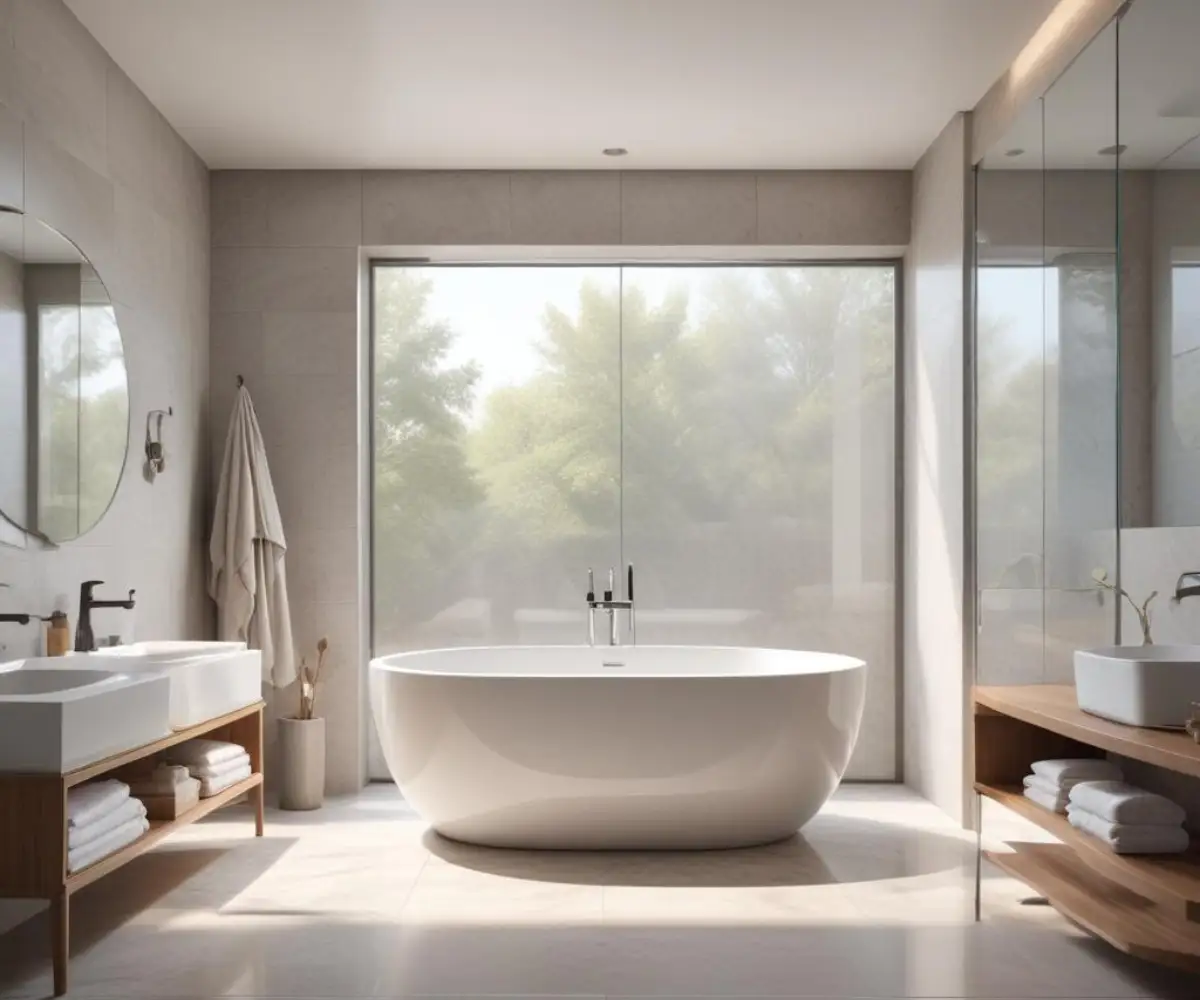
You envision a bathroom that feels like a private spa—a luxurious retreat featuring a stunning freestanding tub nestled within a spacious, open walk-in shower. This “wet room” concept is the pinnacle of modern bathroom design, promising unparalleled style and function. But turning this dream into reality hinges on one critical, often underestimated, factor: the dimensions.
Get the dimensions wrong, and your spa-like sanctuary quickly becomes a cramped, impractical, and frustrating space. Water splashes everywhere, cleaning becomes an impossible chore, and the room feels awkward instead of elegant. This guide provides the expert-backed numbers and layout strategies you need to design a flawless freestanding tub and shower combination.
You'll Learn About
The Core Problem: Why Most Wet Room Dimensions Fail
The allure of a wet room is its seamless, open feel. However, this openness is precisely what makes planning so challenging. Without the clear boundaries of a traditional shower enclosure, you must meticulously account for water containment, accessibility, and functional clearance for every element in the room.
Many homeowners underestimate the sheer footprint required. It’s not just about fitting a tub and shower in the same area; it’s about creating enough space around them to move comfortably, clean effectively, and prevent water from damaging other bathroom fixtures like vanities or toilets. Poorly planned dimensions lead to constant water pooling, difficulty cleaning behind the tub, and a space that violates local building codes.
The Solution: A Blueprint for Perfect Wet Room Dimensions
Success lies in a methodical approach to space planning. Before selecting a single tile or fixture, you must understand the non-negotiable minimums and ideal clearances. This ensures your final design is not only beautiful but also safe, comfortable, and practical for daily use.
Minimum Space Requirements: The Numbers You Can’t Ignore
While a grand, expansive space is ideal, a functional and luxurious wet room is achievable within more modest footprints. However, there are absolute minimums. For a comfortable layout combining a standard freestanding tub and a walk-in shower, you should aim for a dedicated wet area of at least 60 to 80 square feet. This allows for adequate movement and splash control.
Here is a breakdown of the critical dimensions to consider. These figures represent the foundational measurements upon which you can build your design, ensuring both compliance and comfort.
| Element | Minimum Dimension | Recommended Dimension | Key Consideration |
|---|---|---|---|
| Overall Wet Room Area (Tub & Shower) | 5′ x 7′ (35 sq ft) | 6′ x 9′ (54+ sq ft) | Ensures adequate splash containment and movement. |
| Walk-In Shower Zone | 36″ x 36″ | 42″ x 60″ | Allows for comfortable showering without feeling confined. |
| Clearance Around Tub (to Walls/Glass) | 6″ – 12″ | 18″+ | Crucial for cleaning access and visual balance. |
| Clearance in Front of Tub (Entry Path) | 21″ | 30″ | Required by many building codes for safe entry and exit. |
| Distance Between Tub and Shower Head | 36″ | 48″+ | Minimizes direct water spray onto the tub user. |
Choosing Your Freestanding Tub: Size and Placement Are Key
Freestanding tubs come in a wide range of sizes, from compact models under 55 inches long to expansive two-person soakers over 72 inches. The tub you choose will directly dictate the required footprint of your wet room. Measure your desired tub first, then design the space around it.
A standard freestanding tub is typically 60 inches long and 30-32 inches wide. When planning your layout, remember to add the clearance space to these dimensions. For instance, a 60″ x 32″ tub with the recommended 18″ clearance on all sides would require a footprint of 96″ x 68″ just for the tub area itself. Considering non-standard sizes, like a unique bathtub 58.5 x 29, requires even more careful planning to ensure it doesn’t disrupt the room’s flow.
Designing the Walk-In Shower Area: Beyond the Basics
With the tub positioned, the next step is to design the shower zone around it. The goal is to create an open, accessible shower experience while effectively managing water. This involves strategic placement of shower heads, drains, and controls.
A ceiling-mounted “rain” shower head is an excellent choice as it directs water straight down, minimizing overspray. Complement it with a handheld wand mounted on the wall for targeted rinsing and cleaning the space. Place shower controls on a wall that can be reached from outside the main water stream, so you can turn on the shower and let it warm up without getting wet.
Waterproofing and Drainage: The Invisible Foundation of Your Wet Room
This is the single most critical technical aspect of your project. The entire wet room floor—and walls up to a certain height—must be completely waterproofed with a membrane system before any tile is laid. Do not cut corners on waterproofing. A failure here can lead to catastrophic water damage.
The floor must also be sloped correctly towards the drain to prevent water from pooling. A linear drain, installed along a wall, is often the most stylish and effective solution for a wet room. It allows for a single, gentle slope across the floor, which is safer and accommodates large-format tiles better than a traditional center drain.
Ventilation and Lighting: Creating a Healthy and Inviting Atmosphere
A large, open shower area generates a significant amount of steam and humidity. A high-powered exhaust fan is not optional; it is essential to prevent mold and mildew growth and protect your home’s structure. Ensure the fan is rated for the square footage of your entire bathroom, not just the wet room area, and run it for at least 20 minutes after each shower.
Thoughtful lighting design transforms the space from a simple wash area into a true retreat. Use waterproof recessed LED lighting (rated for wet locations) in the ceiling for overall illumination. Consider adding a dimmable accent light, like a small chandelier or pendant (placed safely away from direct water spray), over the tub to create a relaxing ambiance for soaking.
Common Mistakes to Avoid at All Costs
Even with careful planning, certain pitfalls can derail a wet room project. Being aware of these common errors is the first step to avoiding them and ensuring a successful outcome.
1. Forgetting About Cleaning Access
One of the most frequent complaints about freestanding tubs is the difficulty of cleaning behind and around them. If you only leave a few inches of space between the tub and the wall, it becomes a trap for dust, hair, and moisture, creating a breeding ground for mold. An 18-inch clearance is ideal for easy access with a mop or vacuum.
2. Ignoring the Splash Zone
Water from a shower doesn’t just go straight down; it splashes. The “splash zone” can extend up to six feet from the shower head. Your design must account for this. This means the entire wet room floor needs to be waterproofed and sloped, and any fixtures outside this area (like a wooden vanity or the toilet) should be shielded by a glass panel or be a sufficient distance away.
3. Placing the Tub Too Close to the Shower Spray
While the tub is inside the shower area, it shouldn’t be directly under the primary shower spray. This makes for an unpleasant experience if someone wants to take a bath while the shower area is still wet. Position the tub so it remains a relatively dry and inviting space until you are ready to use it, which also makes cleaning easier.
Making the Transition: Upgrading Your Current Bathroom
Creating a wet room is often part of a larger renovation. If your project involves taking out an old fixture, you may need to remove walk in tub components and re-route plumbing, which should be factored into your timeline and budget. Careful demolition is key to preparing the space for the extensive waterproofing required.
Furthermore, fitting everything perfectly without awkward gaps is a hallmark of professional work. Sometimes, even with precise measurements, small spaces can appear at the end of a fixture run. Learning what to do with space at end of bathtub areas can provide clever solutions for built-in shelving or decorative finishes that make the design feel intentional and complete.
Conclusion: Your Dream Wet Room Awaits
A freestanding tub inside a walk-in shower is more than just a bathroom layout; it’s a statement of luxury, comfort, and style. Success, however, is not accidental. It is the result of rigorous planning, a deep understanding of spatial requirements, and an unwavering commitment to technical excellence.
By prioritizing the correct dimensions for clearance, function, and safety, you can avoid the common pitfalls and create a breathtaking wet room that is as practical as it is beautiful. Use this guide as your blueprint, consult with experienced professionals, and you will build a personal spa that brings you joy and relaxation for years to come.
