
Free Rabbit Manure: Unlock Black Gold for Your Garden Today!
In the quest for a vibrant, thriving garden, many homeowners find themselves standing in the fertilizer aisle, overwhelmed by choices and steadily rising prices. The problem is simple: your garden is hungry, but feeding it premium organic nutrients can strain your budget. There is a powerful, sustainable, and often completely free solution that many overlook, a resource veteran gardeners refer to as “black gold.” We’re talking about rabbit manure, a powerhouse fertilizer that can transform your soil health and plant vitality without costing a dime.
This comprehensive guide is your roadmap to sourcing this incredible resource for free. We will explore exactly why rabbit manure is superior to many other options and provide actionable strategies to find a steady supply near you. Get ready to unlock the secret to a healthier, more productive garden.
You'll Learn About
Why Your Garden is Secretly Begging for Rabbit Manure
Before you start your search, it’s crucial to understand why rabbit manure is so highly coveted. Unlike other animal manures, its unique properties make it exceptionally beneficial and easy to use for home gardeners. It is celebrated for its ability to improve soil structure, feed beneficial microorganisms, and deliver a potent blend of essential nutrients.
One of its most significant advantages is that it is a “cold” manure. This means you can apply it directly to your garden without the lengthy composting process required for “hot” manures like chicken or horse manure, which would otherwise burn your plants’ delicate roots. This immediate usability makes it incredibly convenient for gardeners of all experience levels.
A Nutrient Powerhouse in Pellet Form
Rabbit manure boasts an impressive Nutrient-Phosphorus-Potassium (NPK) ratio, typically around 2.4-1.4-0.6. This makes it richer in nitrogen than chicken, cow, or horse manure. Nitrogen is vital for lush, green foliar growth, while the high phosphorus content promotes robust root development and abundant flowering and fruiting. Potassium contributes to overall plant vigor and disease resistance.
Beyond the primary NPK nutrients, these small pellets are packed with a wide array of micronutrients and trace elements like calcium, magnesium, zinc, and sulfur. These elements are crucial for various plant functions and are often lacking in synthetic fertilizers. The pellets themselves act like time-release capsules, breaking down slowly to provide a steady supply of nutrients to your plants.
Unrivaled Soil Conditioning Properties
Great soil is the foundation of any successful garden, and this is where rabbit manure truly excels. The organic matter within the manure dramatically improves soil structure. For those struggling with heavy clay soil, it helps to loosen and aerate it, improving drainage and making it easier for roots to penetrate.
Conversely, in sandy soils that drain too quickly, rabbit manure helps to increase moisture retention, ensuring your plants have the water they need. This improved soil tilth creates a welcoming environment for earthworms and other beneficial soil life. Earthworms, in particular, are drawn to rabbit manure, and their activity further enriches and aerates the soil, creating a virtuous cycle of fertility.
The Ultimate Guide to Finding Free Rabbit Manure Near You
Now that you’re convinced of its benefits, the next step is locating a source. The good news is that rabbits are prolific producers of this garden gold, and many owners are more than happy to give it away. With a little strategic searching, you can likely find a consistent and free supply right in your community.
Connect with Local Rabbit Breeders and Homesteaders
For rabbit breeders, 4-H club members, or homesteaders who raise rabbits for meat or show, manure is a byproduct they need to manage. This is your primary and most reliable source. A single rabbit can produce a surprising amount of manure, and for a large-scale rabbitry, this can quickly accumulate.
Start by searching online for “rabbitries near me,” “local 4-H clubs,” or joining local homesteading groups on social media. When you reach out, be polite and clear about your intentions. Explain that you are a gardener looking for manure to use as fertilizer and that you are willing to haul it away yourself. Most owners will be thrilled to have someone take it off their hands.
Leverage Online Marketplaces and Social Media
Digital community boards are a treasure trove for gardeners. Websites like Craigslist often have listings in the “free” or “farm & garden” sections from rabbit owners offering manure. Similarly, Facebook Marketplace is an excellent place to look. Use search terms like “rabbit manure,” “bunny berries,” or “garden fertilizer.”
Don’t hesitate to post an “in search of” ad yourself. A simple post in a local gardening or community Facebook group stating your need for rabbit manure for your garden can yield surprising results. Many pet rabbit owners who don’t garden have no use for the manure and would be happy to contribute to a local gardener’s success.
Don’t Overlook Pet Owners and Small Animal Rescues
Many families keep one or two rabbits as pets. While they produce less volume than a breeder, they still generate a consistent supply. Apps like Nextdoor or local community forums are great places to connect with neighbors who may have pet rabbits. Often, they are simply throwing the waste in the trash and would be delighted to know it could be put to good use.
You can also contact local animal shelters or small animal rescue organizations. While their primary focus is animal welfare, they also have to manage waste. Politely inquire if they have a system for their rabbit waste and if you could arrange to pick it up. This can be a win-win, helping them with waste disposal while providing you with valuable fertilizer.
How to Use Rabbit Manure: From Collection to Harvest
Once you’ve secured your free source, it’s time to put this black gold to work. Rabbit manure is incredibly versatile and can be used in several ways to benefit your garden, from direct application to creating a potent liquid feed. Understanding these methods will allow you to tailor your approach to your garden’s specific needs.
The “Cold” Manure Advantage: Applying it Fresh
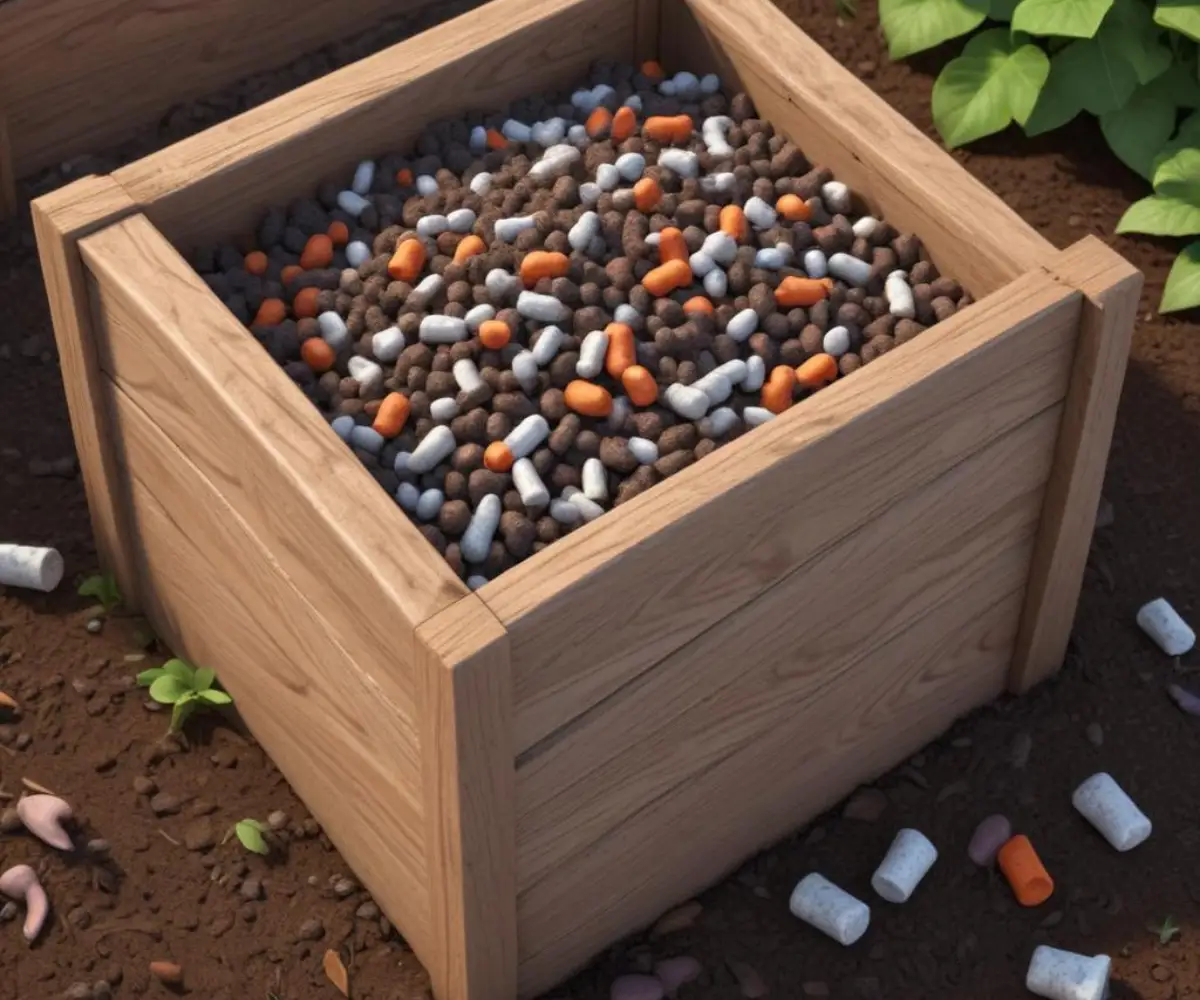
The most straightforward method is to apply the rabbit pellets directly to your garden beds. Because it’s a cold manure, you can use it right away without fear of damaging your plants. You can simply top-dress around existing plants, sprinkling a layer of pellets on the soil surface and gently working it into the top inch or two.
For new garden beds or when preparing for planting, you can apply a one- to two-inch layer and till it into the top six inches of soil. The pellets will slowly decompose, releasing their rich nutrients over the growing season. This method is excellent for providing long-term, sustained nourishment for heavy-feeding vegetables and flowers.
Creating “Bunny Brew”: A Powerful Liquid Fertilizer
For a quick nutrient boost, especially for seedlings or container plants, you can create a “manure tea.” This liquid fertilizer makes the nutrients immediately available to the plant’s roots. The process is simple and highly effective.
To make “bunny brew,” place a generous amount of rabbit manure into a porous bag, like a burlap sack or an old pillowcase. Submerge the bag in a 5-gallon bucket of water and let it steep for several days, stirring occasionally. The water will turn a light brown color, indicating the nutrients have been released. Dilute this concentrate with more water until it is the color of weak tea, then use it to water your plants for an instant feeding.
The Gold Standard: Composting Rabbit Manure
While not strictly necessary, composting rabbit manure is still an excellent practice. This is especially true if the manure is mixed with urine-soaked bedding like wood shavings or straw. The composting process breaks down the bedding material, creating a beautifully balanced and humus-rich soil amendment.
Adding rabbit manure to your compost pile acts as a powerful activator, speeding up decomposition due to its high nitrogen content. A compost rich in rabbit manure is incredibly beneficial for all plants, from robust vegetables to delicate ornamentals. For instance, nurturing a prize-winning hoya microphylla becomes much easier with a steady supply of this gentle, nutrient-dense compost.
Comparing the Competition: Rabbit Manure vs. Other Fertilizers
To fully appreciate the value of rabbit manure, it’s helpful to see how it stacks up against other common soil amendments. Its balanced nutrient profile and user-friendly nature often place it a cut above the rest.
| Manure Type | Average N-P-K Ratio | Type (Hot/Cold) | Key Considerations |
|---|---|---|---|
| Rabbit | 2.4 – 1.4 – 0.6 | Cold | Can be applied directly; nearly odorless; high in nutrients. |
| Chicken | 1.1 – 0.8 – 0.5 | Hot | Must be composted to avoid burning plants; can have a strong odor. |
| Cow | 0.6 – 0.2 – 0.5 | Hot | Lower in nutrients; must be well-aged; may contain weed seeds. |
| Horse | 0.7 – 0.3 – 0.6 | Hot | Must be composted; often contains undigested weed seeds. |
Pro-Level Tips for Your Free Fertilizer Haul
Acquiring free rabbit manure is just the first step. To truly maximize its benefits and ensure a safe, positive experience, there are a few expert tips to keep in mind during collection and application. These practices will help you get the highest quality fertilizer and integrate it seamlessly into your gardening routine.
What to Ask For (and What to Avoid)
When you arrange a pickup, it’s wise to ask the owner a few questions. Inquire about the type of bedding they use. Bedding made from natural materials like hay, straw, or untreated wood shavings is ideal as it will compost down beautifully with the manure. Avoid manure mixed with clay or clumping litters, as these are not beneficial for the garden.
Also, ask about the rabbits’ diet. Manure from rabbits fed a healthy diet of hay and fresh greens will be more nutrient-rich. It’s also important to ensure the manure comes from healthy animals. While the risk of transmitting disease to humans from rabbit manure is extremely low, it’s always best practice to source from a clean and well-maintained environment.
Proper Storage and Handling
Once you get your haul home, you’ll need to store it properly. You can simply pile it in a designated spot in your yard, perhaps on a tarp to keep the area tidy. If you have the space, a dedicated compost bin is an excellent option for storing the manure and any included bedding material.
Always practice good hygiene when handling any type of manure. Wear gloves during collection and application, and be sure to wash your hands thoroughly afterward. This simple precaution ensures a safe gardening experience for you and your family.
Solving Common Garden Problems with Manure
Rabbit manure can be a powerful tool for correcting specific soil issues. Its ability to improve soil structure is a game-changer for gardeners dealing with drainage problems. If you’ve ever faced issues because a neighbors-yard-is-higher-than-mine_gem1, leading to water runoff and soil compaction, incorporating rabbit manure can significantly improve aeration and water absorption, mitigating these challenges over time.
This amendment is also perfect for revitalizing tired soil in raised beds or containers. After a long growing season, soil can become depleted of essential nutrients. A generous application of rabbit manure in the fall or early spring will replenish these nutrients, ensuring your beds are primed for the next round of planting.
Frequently Asked Questions About Rabbit Manure
Even with all its benefits, newcomers often have questions about using rabbit manure. Addressing these common queries can help build confidence and ensure you’re using this resource effectively and safely.
Is rabbit manure safe for vegetable gardens?
Absolutely. Rabbit manure is considered one of the safest manures for use on food crops. Since rabbits are herbivores, their manure does not harbor the same pathogens, like E. coli, that can be present in manure from carnivores or omnivores. For an extra layer of safety, many gardeners still prefer to compost manure before applying it to root vegetables or leafy greens.
How much rabbit manure should I use?
It’s difficult to use “too much” rabbit manure, especially when tilling it into the soil. As a general guideline, a layer of 1-2 inches worked into the top 4-6 inches of soil is ample for a new bed. For top-dressing, a sprinkle around the base of the plant is sufficient. Observe your plants; they will often tell you if they need more nutrients.
Does rabbit manure attract pests?
Fresh manure, especially if it is mixed with urine and spilled feed, can sometimes attract flies. However, rabbit manure pellets themselves are dry and relatively odorless, making them much less attractive to pests than other types of manure. Working the manure into the soil or covering it with a thin layer of mulch will almost entirely eliminate any potential pest issues.
Conclusion: A Sustainable Path to a Better Garden
The search for “free rabbit manure near me” is more than just a frugal shortcut; it’s a step toward a more sustainable and effective gardening practice. By tapping into this local, renewable resource, you are not only enriching your soil with one of nature’s best fertilizers but also participating in a community-based cycle of reuse. You divert a valuable resource from the landfill and, in return, gift your garden with the nutrients it needs to produce healthier plants, more abundant flowers, and more nutritious vegetables.
The journey to a truly spectacular garden begins from the ground up. With the knowledge and strategies outlined in this guide, you are now fully equipped to find and utilize the black gold that is rabbit manure. So start your search, connect with your community, and watch as this simple, free resource transforms your home and garden into a flourishing oasis.
