
Four-Lined Plant Bug: Stop the Speckled Damage in Your Garden
You’ve meticulously cared for your garden, only to find your vibrant leaves suddenly marred by a constellation of tiny, dark circles. These mysterious spots can make your prized plants look diseased and unhealthy, turning a source of pride into a source of frustration. This unsightly damage is often the work of a small but destructive pest: the four-lined plant bug.
Understanding this pest is the first step toward reclaiming your garden’s beauty. These insects inject a toxic saliva into leaves as they feed, causing the plant cells to collapse and die, which creates the distinctive stippled pattern. Ignoring the problem allows them to multiply, leading to widespread damage that can stunt plant growth and ruin the appearance of your ornamentals and herbs.
You'll Learn About
Unmasking the Culprit: Identifying the Four-Lined Plant Bug
Effective pest control begins with accurate identification. The four-lined plant bug, or Poecilocapsus lineatus, is a fast-moving insect that can be difficult to spot. Knowing what to look for—both the pest and its signature damage—is critical for timely intervention.
A Closer Look at the Pest
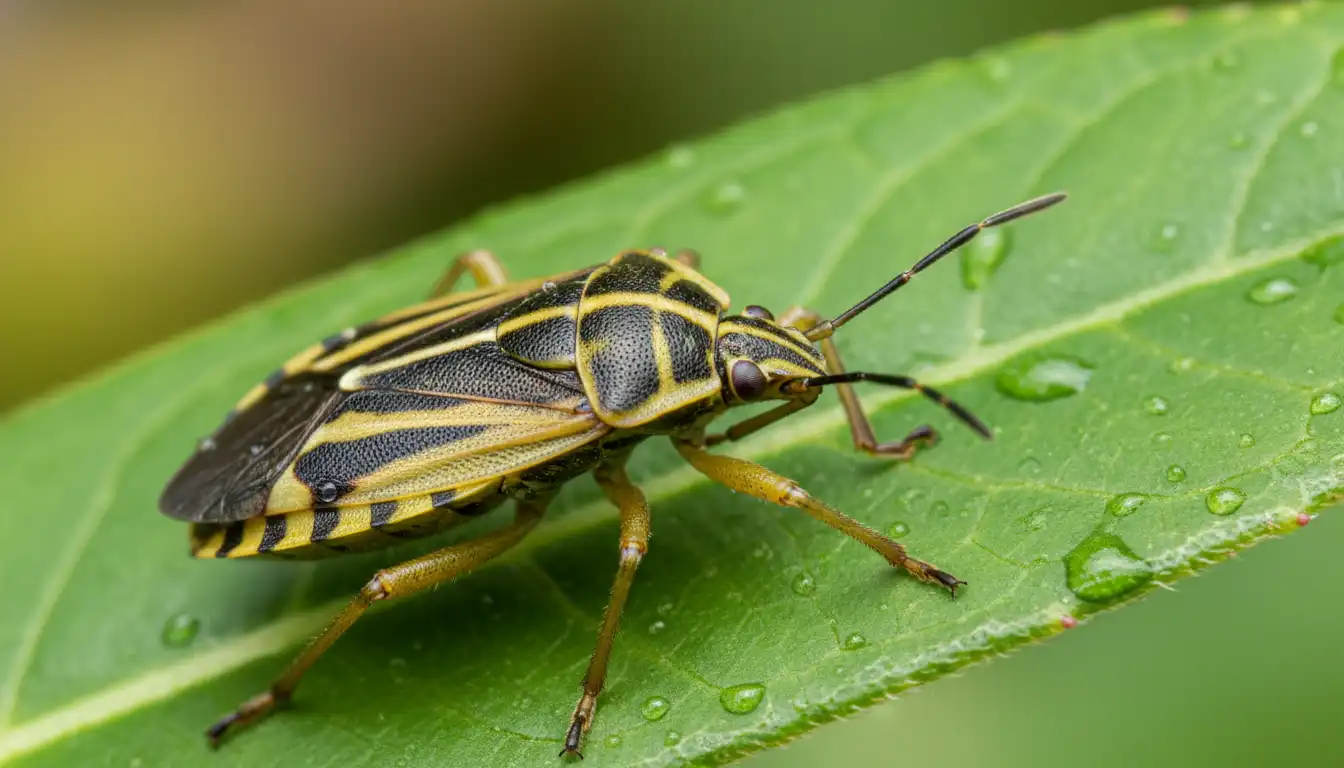
Adult four-lined plant bugs are small, measuring about a quarter of an inch long. Their bodies are yellowish-green and distinguished by four prominent black stripes running down their wings. This distinct pattern makes them recognizable if you can get a close look before they quickly fly or drop to the ground to hide.
The nymphs, or immature bugs, are even smaller and often more vibrant. When they first hatch in late spring, they are bright red, eventually turning a reddish-orange or yellow as they mature. The nymphs also have black spots on their abdomen, which serve as an early identifier before the telltale stripes develop.
Recognizing the Signature Damage
The damage caused by four-lined plant bugs is often mistaken for a fungal or bacterial disease. They use their piercing-sucking mouthparts to feed on plant juices, leaving behind a very specific type of injury. The feeding creates small, round, sunken spots that are about 1/16 of an inch in diameter.
Initially, these spots may appear dark or translucent. Over time, the dead tissue can turn brown or black, and in some cases, it may fall out, leaving small “shot holes” in the leaves. This damage is most commonly seen on the upper, newer leaves of plants, as the bugs prefer tender growth.
Why Your Garden is a Target: Understanding the Life Cycle and Host Plants
The four-lined plant bug has a single generation per year, but its life cycle is perfectly timed to cause maximum cosmetic damage in late spring and early summer. The insects overwinter as eggs laid inside slits cut into the stems of herbaceous and woody plants. These eggs hatch in May, just as your garden is putting on its lushest growth.
Nymphs feed voraciously for about a month before maturing into adults. The adults continue to feed and then mate, with females laying the next generation of eggs in early to mid-summer. By the time the heat of summer truly sets in, the adult bugs have typically died off, but not before leaving their mark on your garden and ensuring their return the following year.
A Buffet for Bugs: Plants Most at Risk
These pests are not picky eaters and are known to feed on over 250 different plant species. They have a particular fondness for plants in the mint and daisy families, making herb gardens and perennial borders prime targets. Being aware of their favorite hosts can help you monitor for their presence more effectively.
| Plant Category | Commonly Affected Plants |
|---|---|
| Herbs | Mint, Basil, Oregano, Sage, Lavender, Lemon Balm |
| Perennials | Chrysanthemum, Shasta Daisy, Coreopsis, Rudbeckia, Salvia, Peony |
| Shrubs | Azalea, Hydrangea, Forsythia, Dogwood, Viburnum, Weigela |
| Annuals | Marigold, Zinnia, Dahlia |
Your Action Plan: Eradicating and Preventing Four-Lined Plant Bugs
Once you’ve identified an infestation, a multi-pronged approach combining immediate removal with long-term prevention is the most effective strategy. Acting quickly can minimize the damage and reduce the number of eggs laid for the next season.
Immediate Action: Manual and Mechanical Controls
For small infestations, manual removal is a highly effective and organic first step. In the early morning, when the bugs are sluggish, they can be hand-picked or knocked off plants into a bucket of soapy water. This method is particularly effective against the less mobile nymphs.
Pruning away heavily damaged leaves and stems can also help. This not only improves the plant’s appearance but also removes some of the feeding insects. A strong spray of water from a hose can dislodge some bugs, but their speed means this is often only a temporary solution.
Organic and Low-Impact Solutions
When manual methods aren’t enough, several organic options can help manage four-lined plant bug populations, especially the vulnerable nymphs. Insecticidal soaps and neem oil are excellent contact sprays. They work by suffocating the soft-bodied nymphs but are less effective against the hard-shelled adults.
For these sprays to be effective, you must achieve thorough coverage, ensuring the product directly contacts the insects. Apply in the early morning or late evening to avoid harming beneficial pollinators and to prevent leaf scorch. Repeat applications may be necessary every few days as new nymphs hatch or pests migrate.
Encouraging Your Garden’s Natural Allies
A healthy garden ecosystem includes natural predators that can help keep pest populations in check. Encourage beneficial insects like ladybugs, lacewings, damsel bugs, and big-eyed bugs. These predators feed on various pests, including the nymphs of the four-lined plant bug.
You can attract these allies by planting a diversity of flowering plants, such as yarrow, dill, and fennel, which provide nectar and pollen. Avoiding the use of broad-spectrum chemical pesticides is crucial, as these will harm beneficial insects just as readily as they harm pests.
Long-Term Prevention: Creating a Resilient Garden
The ultimate goal is to create a garden environment that is less hospitable to pests. This involves proactive cultural practices that disrupt the life cycle of the four-lined plant bug and promote overall plant health.
The Power of Diligent Garden Hygiene
The most critical step in preventing future infestations is a thorough fall cleanup. Since four-lined plant bugs lay their eggs in the stems of plants, removing and destroying garden debris in the autumn eliminates the overwintering eggs. Cut back affected perennials and prune susceptible shrubs, disposing of the material rather than composting it.
Keeping the garden tidy is a year-round task that pays dividends in pest management. This principle of cleanliness extends beyond the garden beds. Maintaining a tidy home, perhaps by ensuring your floors are consistently clean with a tool like a washable rug and robotic vacuum system, fosters a mindset of proactive maintenance that benefits your entire property.
A Holistic Approach to Home and Garden Wellness
A truly resilient home environment is one where every component is well-cared for, from the inside out. A proactive approach to home maintenance reflects an attention to detail that is the hallmark of a successful gardener. This means ensuring your indoor spaces are as healthy as your outdoor ones.
For example, a modern, functional kitchen with the best frameless kitchen cabinets is more than just an aesthetic choice; it’s part of an organized, efficient home. Similarly, addressing potential hazards, like a strange noise from your electrical panel, such as a breaker box buzzing when the microwave is on, is crucial for safety and peace of mind. This holistic view—caring for the structure of your home, the efficiency of your systems, and the health of your garden—creates a sanctuary that is less vulnerable to problems, including pest infestations.
Frequently Asked Questions
Will four-lined plant bugs kill my plants?
In most cases, the damage from four-lined plant bugs is purely cosmetic and will not kill established, healthy plants. However, severe infestations on young plants or herbs can stunt their growth and significantly impact their vitality and usability.
Do these bugs bite humans?
No, four-lined plant bugs do not bite humans or animals. Their mouthparts are designed specifically for piercing plant tissue to extract sap.
When are they most active?
The nymphs and adults are most active from late spring through early summer, typically from May to July. This is the period when you will see the most significant feeding damage appear in your garden.

![Chipmunk Behind Siding [What to Do?]](https://fixitinthehome.com/wp-content/uploads/2023/02/Chipmunk-Behind-Siding-768x432.webp)