
FoodSaver Containers Discontinued? Your Ultimate Survival Guide
You reached into the cabinet for your trusty FoodSaver container, ready to seal up leftovers, only to find a crack in the lid. No problem, you think, I’ll just buy another one. But a quick search online tells a frustrating story: the specific FoodSaver containers you’ve relied on for years appear to be discontinued. This scenario is all too common for long-time fans of the brand who have invested in a system designed to reduce food waste and save money.
The feeling of being left with a perfectly good vacuum sealer but an obsolete set of accessories is a significant pain point. It’s not just about a piece of plastic; it’s about the disruption to a kitchen routine you’ve come to depend on. This guide will navigate the confusion, confirm what’s really going on with FoodSaver’s product lines, and provide you with a comprehensive roadmap to not only find alternatives but to make your food preservation system even better than before.
You'll Learn About
Behind the Curtain: Why Companies Change and Discontinue Products
It can feel like a personal slight when a company discontinues a product you love. However, these decisions are rarely made lightly and are often driven by a combination of innovation, consumer feedback, and manufacturing realities. Understanding the “why” can help demystify the process and guide you toward the best new solutions.
One of the primary drivers is the evolution of materials and design. Companies are constantly seeking to improve their products. This can mean switching to newer, more durable plastics that are BPA-free, more resistant to cracking, and less likely to stain or retain odors. Redesigns might focus on improved stackability for more efficient pantry and fridge organization, or clearer materials that let you see the contents at a glance.
Furthermore, manufacturing processes and supply chains evolve. A part or material used in an older container model may no longer be available or cost-effective to produce. Consolidating product lines to use universal parts can streamline manufacturing, making the business more efficient. While this leads to the discontinuation of older models, it often results in a more robust and readily available new generation of products for consumers.
First, Identify Your Gear: A Crucial Step for Compatibility
Before you can find the right replacement or alternative, you need to know exactly what you have. Over the years, FoodSaver has released numerous container styles, and knowing your model is key. The older, often discontinued containers, typically featured gray lids with a greenish or grayish round vacuum valve. Newer models, like the Preserve & Marinate containers, have clear lids with gray latches and a distinct valve design.
Examine your existing containers and your vacuum sealer machine. The model number of the sealer is usually on a sticker on the bottom or back of the unit. The accessory hose is another critical piece of the puzzle. Older machines often came with a gray hose, while newer ones may have a different connector. The good news is that the accessory port itself has remained largely consistent, meaning most old and new accessories are cross-compatible with the right adapter.
The Big Question: Will New FoodSaver Containers Work with My Old Sealer?
This is the most pressing question for users with older machines, and the answer is overwhelmingly positive. Yes, the newer FoodSaver containers are designed to work with older vacuum sealer models that have an accessory port. The fundamental technology of removing air via a hose has not changed. You may need to use an adapter—sometimes included with new container sets or available separately—to ensure a perfect fit between your older hose and the new container valve, but the system will function as intended.
The primary concern is not the machine’s ability to create a vacuum, but the physical interface between the hose and the container lid. FoodSaver is generally good about maintaining backward compatibility. Their current Preserve & Marinate containers, for example, are compatible with any of their countertop sealers that have an accessory port or a built-in handheld sealer.
Your Comprehensive Guide to FoodSaver Container Alternatives
While some specific lines of FoodSaver containers are gone, the market is filled with excellent solutions—some from FoodSaver itself and some from innovative third-party brands. You might even find that these new options offer superior performance and versatility.
Official FoodSaver Replacements: The New Generation
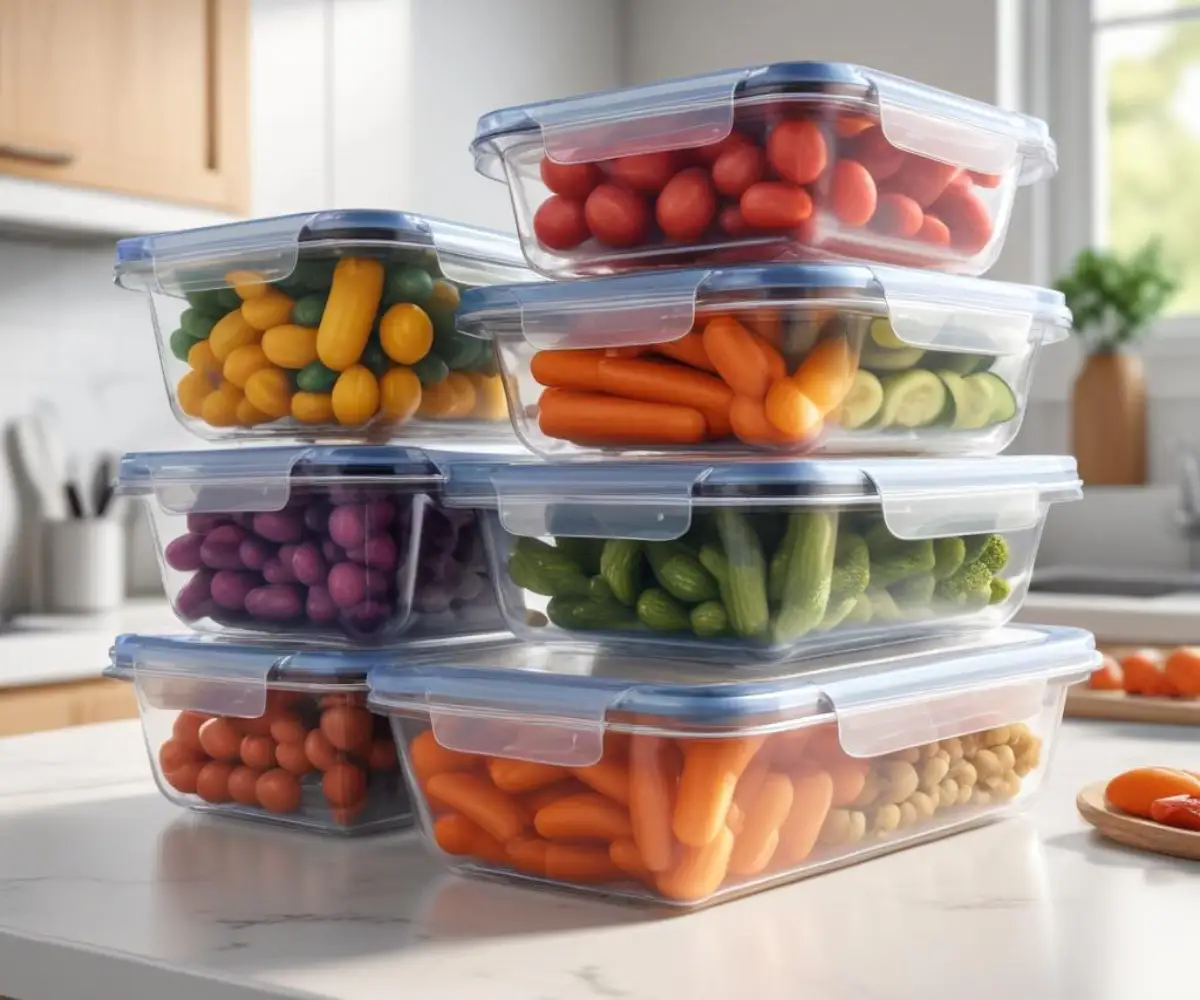
FoodSaver’s current flagship line is the Preserve & Marinate Vacuum Containers. These are made from durable, BPA-free Tritan material that resists cracks, stains, and odors. A key feature is their “marinate” mode, which allows for rapid marinating in minutes instead of hours. They are freezer, microwave (base only), and dishwasher safe, making them a significant upgrade from some of the older, more brittle models.
Top-Performing Third-Party Containers
Several other brands have stepped up to fill the void, creating high-quality vacuum containers that are often compatible with the FoodSaver hose system. Brands like Lasting Freshness and others offer container sets that get rave reviews for holding a strong seal. Some users report that removing the plastic tip from the FoodSaver handheld sealer accessory allows it to fit perfectly with the pumps that come with these third-party sets, giving you a powered seal without manual pumping.
The Ultimate Hack: Universal Lids and Your Own Containers
Perhaps the most revolutionary solution is the universal vacuum lid. These are specialty lids designed to fit on your own standard pots, bowls, and containers. You simply place the lid on top of your existing bowl (glass, ceramic, or stainless steel works best), and use your FoodSaver accessory hose on the valve in the center of the lid. This turns virtually any container in your kitchen into a vacuum-sealable one. It’s a fantastic way to reduce plastic use and leverage the high-quality cookware you already own.
This approach is especially useful for those looking to move away from plastic storage altogether. It’s also incredibly helpful when sealing oddly shaped bowls or large batches of food that might not fit in a standard-sized container. This is the kind of home solution that provides unparalleled flexibility, far beyond what any single proprietary system can offer.
| Solution Type | Best For | Material | Pros | Cons |
|---|---|---|---|---|
| New FoodSaver Containers | Guaranteed compatibility and users who want a complete, branded system. | BPA-Free Tritan Plastic | Durable, stain-resistant, marinate mode, backward compatible. | Can be more expensive, limited to specific sizes. |
| Third-Party Containers | Budget-conscious users and those looking for different size or shape options. | Varies (Typically BPA-Free Plastic) | Cost-effective, wide variety, often compatible with FoodSaver hose. | Seal quality can vary by brand, may require a small modification to the hose. |
| Universal Vacuum Lids | Reducing plastic waste, sealing custom sizes, and maximizing existing cookware. | Silicone/Plastic | Extremely versatile, space-saving, works with your own high-quality bowls. | Requires smooth-rimmed containers to create a good seal. |
The Treasure Hunt: Finding Original Discontinued Containers
For those who are set on finding the original models to match their existing collection, all is not lost. The secondary market can be a goldmine if you know where to look. Websites like eBay and Poshmark are excellent resources, with sellers frequently listing vintage or new-old-stock FoodSaver containers. You might find individual pieces to replace a broken one or entire sets.
Don’t overlook local options like thrift stores, garage sales, and Facebook Marketplace. Many people sell their complete FoodSaver systems when they upgrade or move, often for a fraction of the original price. When buying used, be sure to inspect the containers carefully. Check for hairline cracks, especially around the rims, and ensure the rubber gaskets on the lids are still pliable and free of nicks that could prevent a proper seal.
Extend the Life of What You Have: Essential Care and Maintenance
Whether you have old containers or new ones, proper care is essential to their longevity. To keep your containers sealing perfectly for years, follow a few simple rules. Always hand wash the lids. While the bases are often dishwasher safe, the high heat of a dishwasher can warp the lids or damage the delicate rubber gaskets and valves over time.
Before sealing, make sure the rim of the container and the rubber gasket on the lid are both clean and dry. Any food residue, grease, or moisture can compromise the seal. Periodically, you should also remove the valve cap and clean the valve itself to ensure no food particles are trapped inside, preventing it from closing securely.
The Hidden Health Risk of Aging Plastics
Beyond the simple mechanics of a good seal, there is a compelling health and safety reason to consider upgrading very old plastic containers. Plastics degrade over time, especially with repeated heating, cooling, and washing. Older plastics, particularly those manufactured over a decade ago, may contain BPA (Bisphenol A), a chemical that has raised health concerns.
More importantly, older and well-used plastic can develop micro-cracks that are invisible to the naked eye. These tiny fissures can become breeding grounds for bacteria that are difficult to remove with normal washing. If you notice your containers have become cloudy, scratched, or brittle, it is a strong signal that the material integrity is compromised, and it’s time to replace them for both performance and food safety reasons.
Managing your kitchen storage and tools effectively is a core part of home maintenance. Just as you might want to know if a stud finder app really work to safely hang shelves, knowing when your food storage containers are past their prime is crucial for a safe and efficient home.
Conclusion: Embrace the Evolution of Food Preservation
The discovery that your favorite FoodSaver containers have been discontinued can be disheartening, but it doesn’t mean your vacuum sealer is destined for the landfill. Instead, view this as an opportunity to upgrade and enhance your food storage system. The new generation of FoodSaver containers offers superior materials and features, while a burgeoning market of third-party alternatives and universal lids provides more flexibility and choice than ever before.
By identifying your current system, exploring the new and compatible options, and committing to proper maintenance, you can continue to fight food waste effectively. Whether you stick with the brand, explore new compatible products, or adopt the universal lid strategy, your ability to keep food fresh for longer is far from obsolete.
