
Flush Toe Kick: The #1 Secret to a High-End Kitchen Look
The standard kitchen has a design flaw that has gone unnoticed for decades. It’s that small, recessed space at the bottom of your cabinets—the toe kick—that quietly collects dust, scuff marks, and lost pet toys.
While functional, this traditional design element can interrupt the clean, seamless look of a modern kitchen. Fortunately, a powerful design solution exists that transforms cabinets from simple boxes into elegant, furniture-like fixtures: the flush toe kick.
You'll Learn About
What is a Flush Toe Kick and Why Is It Trending?
A flush toe kick is a design where the base of the cabinet is vertically aligned with the cabinet doors and drawer fronts. Instead of being recessed, the surface is flat, creating a solid, uninterrupted facade from top to bottom.
This approach transforms the cabinetry into a monolithic block, making it appear more substantial and integrated into the room’s architecture. The trend is surging in minimalist, contemporary, and transitional homes where clean lines and an uncluttered aesthetic are paramount.
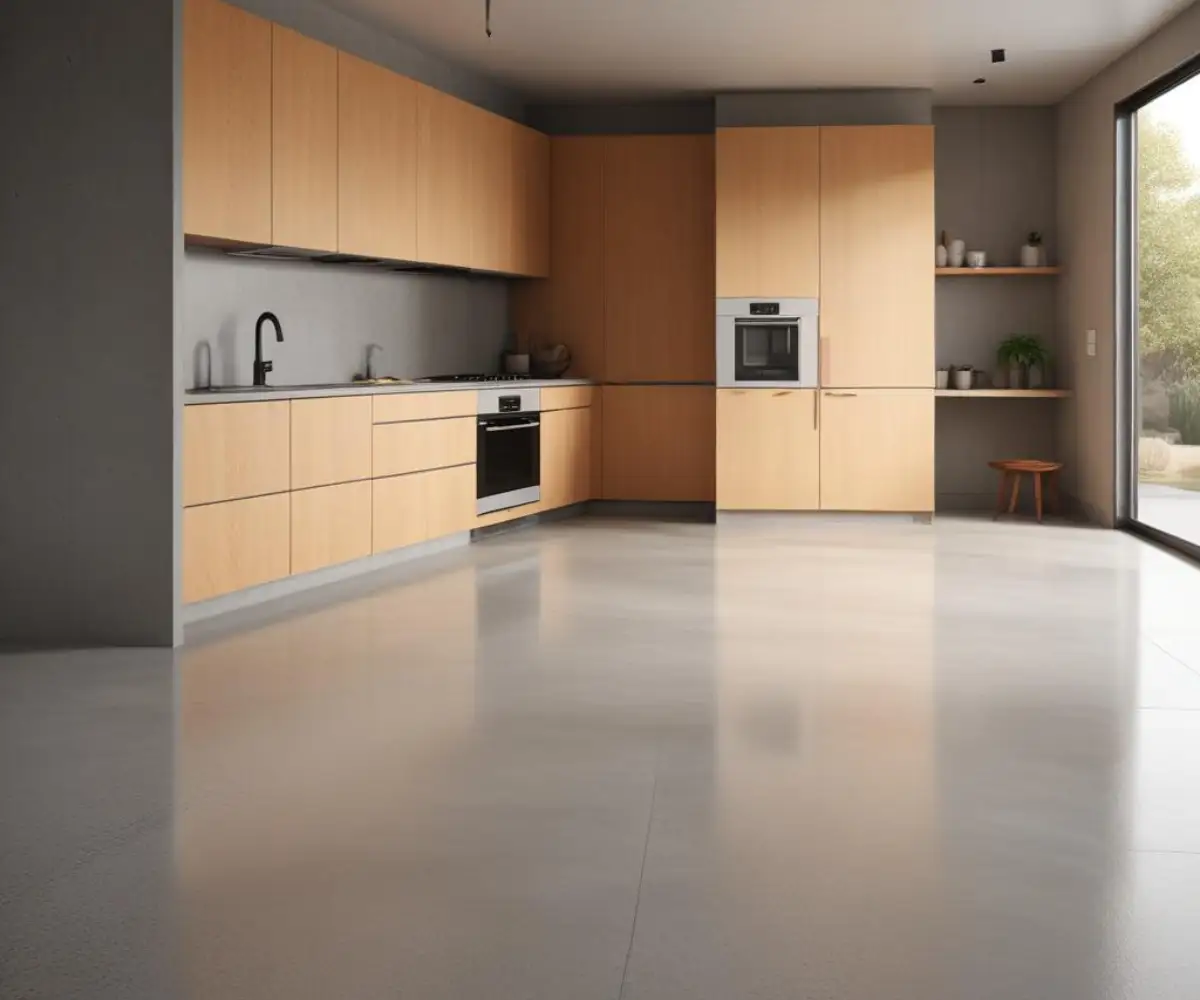
The secret to its high-end appeal lies in this very simplicity. By eliminating the shadow line of a recessed kick, the design creates the illusion of a taller, more spacious room. It’s a subtle detail that signals intentional, custom design.
The Hidden Downsides Nobody Talks About
While visually stunning, the flush toe kick is not without its practical considerations. Before committing to this sleek design, it is critical to understand the trade-offs in comfort, cleaning, and daily use.
The primary function of a traditional recessed toe kick is ergonomic. It provides space for your feet, allowing you to stand closer to the countertop without leaning forward awkwardly. This reduces strain on your back during prolonged tasks like chopping vegetables or washing dishes.
The Comfort Factor: Ergonomics at the Counter
With a flush toe kick, your feet will bump against the cabinet base. This forces you to stand slightly farther away from the counter’s edge, which can lead to a subtle but constant forward lean.
For those who spend significant time working at the counter, this can become a point of discomfort. It is a classic case of form over function, and the choice depends heavily on your kitchen habits and priorities.
Cleaning and Maintenance Realities
A flush toe kick presents a flat, vulnerable surface at foot level. This area is prone to scuffs, scratches, and dings from shoes, vacuum cleaners, and children’s toys.
Durable materials and finishes are essential. Furthermore, because there is no recess, dust and debris that fall to the floor will accumulate directly against the cabinet face, requiring more frequent and careful cleaning to maintain the pristine look.
Achieving the Look: Construction and Design Methods
Creating a successful flush toe kick design requires careful planning and precise execution. It is not a simple last-minute decision but a foundational choice that impacts the entire cabinet construction.
The goal is to create a seamless visual plane. This can be achieved through several professional techniques, often involving custom cabinetry or significant modifications to stock cabinets.
The Integrated Plinth Method
The most common and effective method is to build the cabinets on a solid, integrated plinth or base. This base is constructed to be the exact height of the desired toe kick and is finished in the same material as the cabinet doors.
This ensures a perfect match in color and texture. The cabinet doors or drawers then run almost to the floor, leaving only a minimal, clean seam between the bottom of the door and the floor itself.
Handleless Designs and Push-to-Open Mechanisms
To enhance the minimalist aesthetic, flush toe kicks are often paired with handleless cabinet designs. This relies on mechanisms like integrated channel pulls (J-pulls) or, more commonly, push-to-open hardware for the lower doors and drawers.
Push-to-open systems create a completely flat surface but require a deliberate press to operate. This hardware is a crucial component in achieving the truly seamless, high-end look that makes this design so desirable.
Is a Flush Toe Kick Right for Your Home? A Decision Guide
Deciding between a flush and a traditional recessed toe kick involves weighing aesthetics against ergonomics. To make the best choice, consider your lifestyle, kitchen usage patterns, and overall design goals.
This decision is not just about looks; it impacts daily comfort and long-term satisfaction with your space. The following table breaks down the key differences to help guide your decision.
| Feature | Flush Toe Kick | Traditional Recessed Toe Kick |
|---|---|---|
| Aesthetics | Modern, seamless, monolithic, minimalist. | Traditional, functional, creates shadow lines. |
| Ergonomics | Less comfortable for long tasks; forces you to stand farther back. | More comfortable; allows space for feet to stand close to the counter. |
| Cleaning | Shows scuffs and dirt easily at the base; requires frequent wiping. | Hides scuffs; recess can be harder to clean but is less visible. |
| Perceived Space | Can make cabinets look taller and the room more spacious. | Standard appearance; does not significantly alter spatial perception. |
| Cost | Typically higher due to custom construction and hardware needs. | Standard and cost-effective with stock and semi-custom cabinets. |
| Best For | Design-forward kitchens, bathrooms, media units; homes with a minimalist style. | High-traffic kitchens where function and durability are top priorities. |
Step-by-Step: Integrating a Flush Toe Kick into Your Design
Successfully implementing a flush toe kick begins long before the cabinets are ordered. It requires precision from the very first measurement to the final installation.
Collaborating closely with your designer or cabinet maker is essential to ensure every detail is accounted for, especially concerning appliance integration and flooring transitions.
Planning and Measurement
First, determine the final height of your flooring. This is a critical, non-negotiable step. The cabinet plinth will be built to sit directly on the subfloor, and the flooring will butt up against it.
The height of the plinth plus the cabinet must equal your desired final counter height. This precision ensures the bottom of the cabinet doors has a minimal, consistent gap with the finished floor.
Material Selection
Choose a highly durable material for the toe kick area. While using the same material as the cabinet doors offers a seamless look, consider if that material is robust enough for potential impacts.
High-pressure laminate, solid wood, or metal-faced plinths are excellent, durable options. This is especially true in kitchens where this area will face constant contact.
Working with Your Cabinet Maker
Provide your cabinet maker with detailed specifications for all appliances, including dishwashers and refrigerators. Many appliances require specific ventilation or clearance at the bottom, which must be cleverly integrated into the flush design without breaking the seamless line.
Discussing these needs early prevents costly mistakes. This is also the stage to finalize choices on push-to-open hardware or other handleless solutions.
Beyond the Kitchen: A Versatile Design Element
The power of the flush toe kick extends far beyond the kitchen. Its ability to make cabinetry look like intentional, built-in furniture makes it a perfect choice for other areas of the home.
In a bathroom, a floating vanity can be replaced with a full-length, floor-mounted vanity with a flush toe kick. This provides more storage and creates a clean, spa-like aesthetic that feels both modern and timeless.
This design is also exceptionally effective for custom media centers, library shelving, and bedroom wardrobes. It elevates these pieces from simple storage units to integrated architectural features of the room, adding significant visual value and a bespoke feel. The principle pairs beautifully with extra tall base cabinets, which further emphasizes the strong, clean vertical lines in a space.
Final Verdict: Is This Sleek Design Worth It?
A flush toe kick is more than just a trend; it is a deliberate design choice that redefines the look of your cabinetry. It forces a departure from the standard, utilitarian approach and embraces a more architectural, furniture-like vision.
The trade-off is a potential decrease in ergonomic comfort and an increase in maintenance. However, for those prioritizing a clean, minimalist, and high-end aesthetic, the visual reward is often well worth the compromise. It stands in stark contrast to more traditional options, like finishing the space with baseboard under kitchen cabinets, which serves a purely functional purpose.
Ultimately, the decision rests on how you use your space. If your kitchen is a hub of constant activity where comfort is king, the traditional recessed kick may be the wiser choice. But if your goal is a show-stopping, architecturally clean space, the flush toe kick is one of the most impactful details you can choose.
