
Florida Snails on Your House? Your Guide to Eliminating Them
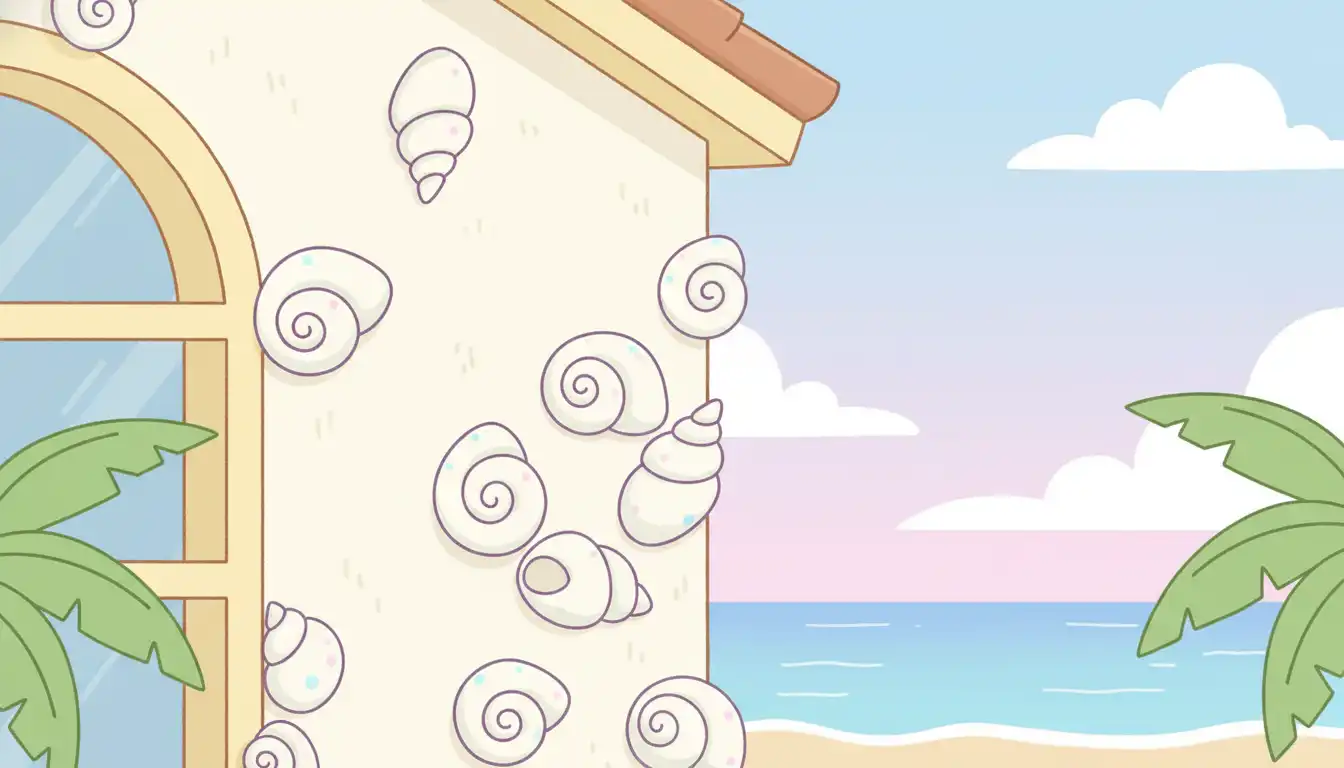
There are few sights as unsettling as finding dozens, or even hundreds, of snails sliming their way up the exterior walls of your home. For Florida residents, this is an all-too-common reality. This frustrating pest problem leaves homeowners wondering why their house has become a snail magnet and what they can do to stop it.
This guide offers a comprehensive plan to not only remove the snails currently on your house but also to make your home and yard less attractive to them in the future. By understanding why they are there, you can take effective, long-lasting action.
You'll Learn About
Why Snails Are Climbing Your Florida House
Snails are not climbing your walls by accident; your home’s exterior provides them with the perfect combination of food, shelter, and moisture. Florida’s humid climate creates an ideal environment for these pests to thrive. They are drawn to your house for several key reasons.
The primary attraction is a microscopic food source. The algae, mold, and mildew that grow on surfaces like stucco, siding, and brick are a feast for snails. In a humid state like Florida, this invisible buffet is constantly regenerating, providing a reliable food source that keeps them coming back.
Moisture is another critical factor. Stucco and concrete are porous materials that absorb and retain water after it rains, creating a damp environment snails need to survive. The vertical surfaces of your home also offer an escape from overly saturated ground and a safe place away from ground-dwelling predators.
Identifying the Slimy Trespassers on Your Walls
While many snail species call Florida home, a few are notorious for congregating on houses. One common culprit is the Cuban Brown Snail (Zachrysia provisoria), an introduced species that is now widespread. These snails are voracious eaters of ornamental plants and thrive in residential areas.
Another snail you might encounter is the Bulimulus, a small, conical-shelled snail that often appears in large numbers on walls and fences after rain. While they primarily feed on decaying organic matter, their sheer numbers can be a significant nuisance for homeowners.
It’s crucial to be aware of the highly invasive Giant African Land Snail. This destructive pest eats over 500 types of plants and has even been known to consume paint and stucco for calcium. If you suspect you have seen this snail, do not handle it and report it to the Florida Department of Agriculture and Consumer Services immediately.
Are Snails a Threat to My Home and Health?
While a snail infestation is certainly unpleasant, the immediate structural danger to your home is low. Snails do not eat through concrete or wood. However, their acidic slime can etch and stain paint, stucco, and siding over time, leaving behind unsightly trails that are difficult to remove.
The more significant concern is what their presence indicates. Large numbers of snails on your house point to an excess moisture problem, which can lead to more severe issues like mold growth and water damage. From a health perspective, some snails can carry parasites like the rat lungworm, which can cause meningitis in humans. It is essential to wear gloves when handling snails and to wash your hands thoroughly afterward.
A Step-by-Step Plan to Get Rid of Snails on Your House
Reclaiming your home from these slimy invaders requires a multi-pronged attack. Simply removing the snails you see is a temporary fix. For long-term success, you must eliminate their food source and create an environment that is inhospitable to them.
Step 1: Immediate Removal and Population Control
The first step is to reduce the existing population. The most effective time to do this is at night, in the early morning, or just after rainfall when snails are most active. Wearing gloves, hand-pick the snails off the walls and place them in a bucket of soapy water, which is a humane and effective way to dispose of them.
Do not be tempted to crush them against the wall, as this will create a mess and can attract other pests. While tedious, manual removal is a crucial first strike that makes the following steps more effective.
Step 2: The Most Critical Step—Clean Your Walls
This is the single most important action you can take for long-term snail control. You must eliminate the algae, mildew, and microscopic organic film that the snails are feeding on. Without a food source, they will have no reason to climb your house.
Use a pressure washer on a low setting or a garden sprayer to apply a cleaning solution. A mixture of one part household bleach to ten parts water is effective, but be sure to test it on a small, inconspicuous area first to ensure it doesn’t discolor your paint or siding. Let the solution sit for about 15 minutes before scrubbing with a soft-bristled brush and rinsing thoroughly with plain water.
Step 3: Establish a Protective Barrier
Once your walls are clean, the next goal is to prevent snails from climbing them again. Creating a barrier at the base of your home’s foundation is a highly effective strategy. You have several excellent options to choose from.
Copper tape or mesh is a fantastic deterrent. When a snail’s slime comes into contact with copper, it creates a small electrical charge that is harmless but unpleasant for the snail, causing it to turn back. Apply a wide band of adhesive copper tape along the entire base of your foundation for the best results. While discussing home foundations, it’s worth noting how architectural elements evolve; for example, many homeowners now wonder, are round columns out of style?
Food-grade diatomaceous earth (DE) is another powerful tool. This fine powder, made from fossilized aquatic organisms, has microscopic sharp edges that are deadly to soft-bodied pests like snails. Sprinkle a two-inch-wide band of DE around your foundation. Note that DE becomes ineffective when wet, so you will need to reapply it after it rains.
Step 4: Use Snail Baits Safely and Sparingly
If you have a severe infestation, snail bait can be a necessary supplement to your control efforts. However, it is critical to choose the right kind. Opt for baits that contain iron phosphate as the active ingredient. Iron phosphate is effective at killing snails but is safe for pets, wildlife, and the environment when used as directed.
Avoid baits containing metaldehyde, which is highly toxic to dogs, cats, and other animals. Scatter the iron phosphate pellets sparingly in garden beds and around the perimeter of your home, as placing them in piles can still pose a risk to curious pets. Always follow the manufacturer’s instructions carefully.
| Method | Effectiveness | Safety (Pets/Wildlife) | Effort Level | Cost |
|---|---|---|---|---|
| Manual Removal | High (Immediate Impact) | Very High | High (Ongoing) | Low |
| Wall Cleaning | Very High (Long-Term) | High | Medium (Periodic) | Low |
| Copper Tape Barrier | High (Durable) | Very High | Medium (Installation) | Medium |
| Diatomaceous Earth | Medium (Needs Reapplication) | Very High | Medium (Ongoing) | Low |
| Iron Phosphate Bait | High (Targeted Killing) | High | Low | Low-Medium |
Long-Term Snail Prevention Strategies for Your Yard
Keeping snails off your house for good means making your entire property less inviting. Snails thrive in damp, dark, and cluttered environments. A few changes to your landscaping and maintenance routines can make a world of difference.
Control Moisture and Eliminate Hiding Spots
Start by addressing moisture issues around your foundation. Ensure your sprinklers are not spraying directly onto your house and repair any leaky outdoor faucets or hoses. Improving drainage and avoiding overwatering your lawn will make the area less appealing to snails.
Next, focus on eliminating their daytime hiding places. Trim back bushes, ivy, and other dense vegetation so they do not touch your home’s exterior. Rake up leaf litter, clear away piles of wood, and store pots and other garden supplies off the ground. Mowing your lawn regularly also reduces shelter. Proper yard work requires reliable tools, so ensuring every part, like the Troy-Bilt 2410 fuel shut-off valve on a tiller, is functioning is essential for efficient maintenance.
Clearing clutter from patios and garages is also important. Storing seasonal items that don’t belong in Florida, such as a spare snow blower seat left over from a move, can unexpectedly provide the dark, undisturbed shelter snails seek.
Conclusion: A Snail-Free Home is Within Reach
Dealing with an army of snails on your Florida home can be frustrating, but a solution is achievable. By shifting your focus from just removing the snails to eliminating their food source and shelter, you can break the cycle of infestation.
A consistent approach that combines cleaning your exterior walls, creating protective barriers, managing yard moisture, and using pet-safe baits when necessary will restore your home’s exterior to its rightful, snail-free state. You can win the battle against these slimy invaders and enjoy your home without the unwelcome guests.
