Fireplace With Window On One Side: The #1 Design Disaster to Avoid
The fireplace and window combination is a showstopping feature in modern home design. It promises warmth, light, and a seamless connection to the outdoors, creating a stunning focal point that feels both cozy and expansive.
But this coveted architectural element hides a minefield of potential design disasters. Get it wrong, and you’re left with an unbalanced room, persistent safety concerns, and a layout that’s simply awkward to live in. Executing this feature requires more than just placing a window next to a firebox; it demands a thoughtful approach to balance, safety, and functionality.
You'll Learn About
Why the Asymmetrical Fireplace & Window Combo Is So Tricky
Achieving a beautiful fireplace wall with a window on one side is a delicate balancing act. The inherent asymmetry can easily make a room feel lopsided and unintentional if not handled with care. Several critical factors must be addressed to prevent this feature from becoming a costly mistake.
The most immediate challenge is visual weight. A heavy, dark fireplace next to a light, airy window can disrupt the room’s harmony. Furthermore, intense heat from the fireplace poses a real threat to the window’s frame, glass, and any nearby treatments, leading to warping, cracking, or even fire hazards.
The Perils of Heat and Material Failure
Placing a window in close proximity to a heat source requires careful material selection. Standard vinyl window frames can warp or melt under sustained high temperatures. Even wood frames, while more robust, can dry out, shrink, or become a fire risk if proper clearances are not maintained.
The glass itself must be appropriate for the application. Standard annealed glass is not safe for use near a fireplace. Intense heat can cause it to shatter. Tempered glass, which is up to four times stronger, is the minimum requirement to ensure safety and durability in this high-heat zone.
Navigating Building Codes and Safety
Safety is non-negotiable when designing a fireplace feature. National and local building codes dictate strict clearance requirements for combustible materials near a firebox opening. These regulations are in place to prevent fires and ensure the safety of your home and family.
According to the National Fire Protection Association (NFPA), all combustible materials, including wood window trim, must be kept at least six inches from the fireplace opening. This distance increases if the material protrudes from the wall. Always consult your local building codes and the fireplace manufacturer’s instructions, as these will provide the most specific and authoritative guidance for your project.
The Ultimate Solution: A 5-Step Plan for a Flawless Design
Transforming the challenge of a fireplace with a window on one side into a stunning success is entirely achievable with careful planning. Following a structured, step-by-step process ensures that every detail, from visual balance to material safety, is addressed correctly from the start.
This five-step plan provides a comprehensive blueprint for designing and executing this feature. By focusing on layout, materials, safety codes, window treatments, and furniture arrangement, you can create a space that is not only beautiful but also safe, functional, and intentionally designed.
Step 1: Master the Layout & Proportions
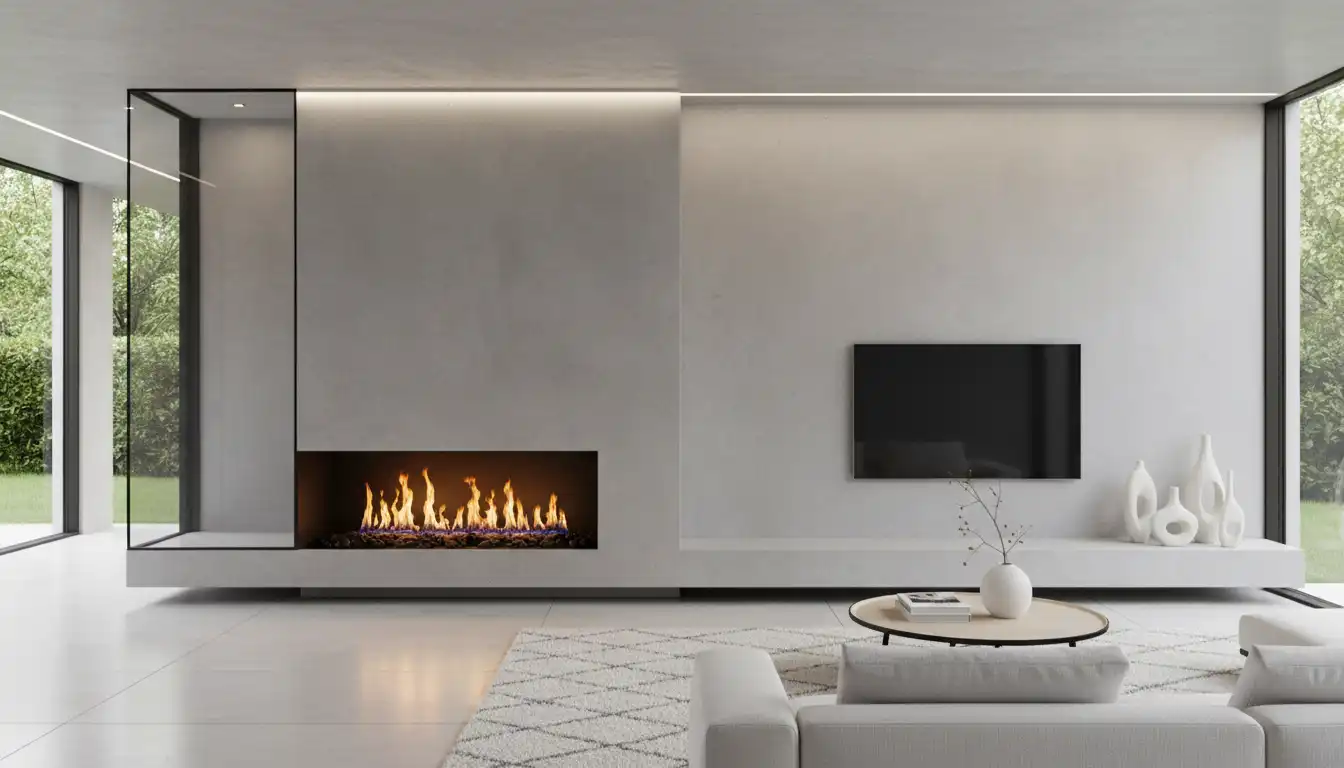
The first step is to make the asymmetry feel deliberate and balanced. Avoid having the fireplace and window simply “float” on the wall. Instead, anchor them with other design elements. Installing built-in shelving, a log storage nook, or a custom cabinet on the opposite side of the fireplace creates a sense of equilibrium.
Pay close attention to scale. The sizes of the fireplace, the window, and any balancing elements should be proportional to the overall wall size and room height. Use the rule of thirds to guide placement and create a composition that is visually pleasing and dynamic.
Step 2: Choose Your Materials Wisely
Material selection is critical for both safety and longevity. For the window, opt for tempered glass with a heat-resistant frame made of fiberglass or metal. These materials offer superior durability and stability in high-temperature environments compared to standard vinyl or wood.
The fireplace surround should be constructed from non-combustible materials. Popular and safe choices include natural stone, brick, tile, or concrete. For a modern, seamless look, you might consider using a durable material like quartz, though it’s important to check the specific product’s heat rating. Some engineered materials, which you can learn more about in reviews of Cosmos Quartz, are designed to handle higher temperatures, making them a potential option for sleek, modern surrounds.
Step 3: Decode the Safety & Building Codes
Before any construction begins, thoroughly research and understand all applicable building codes. Fireplace clearance requirements can vary based on the type of unit—wood-burning, gas, or electric. Gas fireplaces, for example, may have different venting and clearance rules than traditional masonry fireplaces, which is an important consideration if you’re thinking about whether to replace a vented gas fireplace with a ventless model.
The International Residential Code (IRC) provides a baseline, often stating that combustible trim must be at least 6 inches from the firebox opening. Furthermore, any combustible material within 12 inches of the opening cannot project more than 1/8 inch for every 1-inch distance from the opening. Verification with your local building authority is essential.
Step 4: Select Smart Window Treatments
Combustible window treatments like flowing fabric curtains or vinyl blinds are a significant fire hazard in this scenario. Avoid them entirely. If privacy or light control is needed, opt for non-combustible or fire-retardant options.
Minimalist roller shades made from fiberglass-based fabrics or inside-mount cellular shades can provide a clean look without compromising safety. For a more natural aesthetic, woven wood shades installed high above the window frame can work, provided they maintain a safe distance from the fireplace. In many modern designs, the best option is to leave the window bare, allowing the architectural feature to speak for itself.
| Window Frame Material | Heat Resistance | Cost | Maintenance |
|---|---|---|---|
| Fiberglass | Excellent | High | Low |
| Aluminum | Good | Medium | Low |
| Wood | Fair | High | High |
| Vinyl | Poor | Low | Low |
Step 5: Arrange Your Furniture for Flow & Focus
Your furniture layout should complement the asymmetrical wall, not compete with it. Arrange seating to create a primary conversation area focused on the fireplace. An L-shaped sectional or a sofa with two flanking armchairs can help balance the room and define the space.
Ensure that furniture does not obstruct the view through the window or impede the flow of heat from the fireplace. This approach turns an architectural challenge into a design advantage, much like learning how to work with different height windows in the same room. By making intentional choices, you create a functional and harmonious living area.
The Hidden Benefit No One Talks About
Beyond the obvious aesthetics, the fireplace and window combination offers a unique advantage: dynamic light and view framing. This design duo does more than just sit on a wall; it actively manipulates the room’s atmosphere by choreographing the interplay between natural and artificial light.
The window acts as a living portrait, framing a constantly changing view of the outdoors. Whether it’s the gentle drift of snowfall or the vibrant colors of autumn leaves, this connection to the seasons enhances the feeling of warmth and shelter provided by the hearth. This synergy creates a deeply comforting and visually layered experience that a solid wall could never achieve.
A Play of Light and Reflection
Throughout the day, the character of the fireplace surround changes as natural light moves across its surface. An east-facing window might cast a warm morning glow that highlights the texture of stone or brick. In the evening, the flickering firelight reflects off the windowpane, creating a mesmerizing, dimensional effect that deepens the room’s ambiance.
This dynamic interaction between fire and glass, light and shadow, elevates the design from a simple feature to an immersive experience. It’s a subtle yet powerful benefit that brings the space to life, making the room feel connected to the rhythms of the day and the beauty of the outdoors.
Frequently Asked Questions
Navigating the specifics of this design can bring up many questions. Here are quick answers to some of the most common inquiries to help guide your project.
Can I put a window directly above my fireplace?
It is strongly discouraged and often against building codes. The area directly above the firebox opening is exposed to intense heat and smoke, making it an unsafe location for a window. This placement poses a high risk of glass failure and can violate clearance requirements for combustible materials.
How far does a window need to be from a fireplace?
As a general rule, combustible materials like a window’s wood trim must be at least 6 inches from the sides of the fireplace opening and 12 inches from the top. However, always verify with your local building codes and the fireplace manufacturer’s specifications, as these are the ultimate authority. Non-combustible framing materials may allow for closer placement.
What is the best style of window for this design?
Picture windows or casement windows are excellent choices. They offer clean lines and an unobstructed view, which complements the modern aesthetic of this feature. Avoid double-hung windows, as the check rail can visually clutter the composition and detract from the seamless look.
Is This High-Concept Design Right for Your Home?
A fireplace with a window on one side is a sophisticated architectural statement that can elevate a home’s design. However, it is not a one-size-fits-all solution. Its success depends on proper planning, an adequate budget for high-quality materials, and a home style that complements its modern, asymmetrical nature.
This design is best suited for homes with modern, minimalist, or transitional aesthetics where clean lines and architectural interest are valued. It thrives in rooms with enough space to allow the feature to breathe and not overwhelm the layout. Homeowners who appreciate a connection to the outdoors and are prepared to invest in the necessary safety measures will find this feature incredibly rewarding.
Ultimately, when executed with knowledge and precision, the fireplace and window combination is a masterpiece of design that offers warmth, light, and a unique connection to the world outside. It’s a feature that rewards careful planning with timeless style and everyday enjoyment.
Conclusion
By choosing a ground-level deck, you aren’t just adding a structure; you are reimagining the flow of your entire property. Removing the physical and visual barrier of stairs creates a seamless transition that invites you to step outside more often. This design choice prioritizes safety, accessibility, and a modern aesthetic that honors the natural contours of your landscape. Whether you are hosting a summer gathering or enjoying a quiet morning coffee, the absence of steps fosters a deeper connection between your indoor comfort and the beauty of the outdoors. Ultimately, a deck without stairs transforms your backyard into a true sanctuary—a fluid, functional extension of your home where every inch of your garden feels within reach, accessible, and perfectly integrated.