
Findley and Myers Cabinets Reviews: The Brutal Truth Unveiled
The exhilarating dream of a kitchen renovation often collides with the sobering reality of a budget. For many homeowners, this is where brands like Findley and Myers enter the picture, offering stylish designs at a price point that seems too good to be true. This accessibility makes them a tempting choice for those looking to transform their space without depleting their savings.
The critical question, however, remains: do these affordable cabinets represent a savvy investment, or are they a potential pitfall that could lead to disappointment and unforeseen costs? This article will thoroughly dissect Findley and Myers cabinets, exploring every facet from their construction materials to real-world homeowner experiences. We aim to provide the unfiltered truth you need before making a significant purchase decision for your home.
You'll Learn About
Who Exactly Are Findley and Myers? Unmasking the Brand
Findley and Myers is a brand frequently found in large retail stores and cabinet outlets, positioning itself as a go-to for budget-friendly kitchen and bath projects. Their primary appeal is offering contemporary styles, such as the popular Shaker design, at a fraction of the cost of semi-custom or custom cabinetry. This makes them highly accessible to a broad market of DIY renovators and homeowners on a tight budget.
It is important to understand that the brand often operates on a model of sourcing materials and manufacturing from various locations, which can lead to variability in product batches. This business approach allows for cost savings, which are passed on to the consumer, but it also raises questions about quality control and consistency. Understanding this context is crucial when evaluating whether their products align with your home’s needs and your expectations for durability.
The Core Dilemma: Construction Quality vs. Price Point
The central conflict with any budget-friendly cabinet brand is the trade-off between cost and the quality of materials and construction. Findley and Myers cabinets are designed to be affordable, which inherently means that the materials used are chosen to manage costs effectively. This decision directly impacts the longevity, durability, and overall performance of the cabinets in a busy home environment.
Homeowners must weigh the immediate financial savings against the potential for long-term issues such as wear and tear, moisture damage, and the need for premature replacement. A cabinet’s value is not just its purchase price but its ability to withstand daily use for years to come. This section breaks down the specific materials and hardware used in Findley and Myers cabinets to help you make an informed choice.
Deconstructing the Cabinet Box: Particleboard and Beyond
The cabinet box, or carcass, forms the foundational structure of any cabinetry system. In most Findley and Myers cabinets, the primary material for the box is Medium-Density Particleboard (MDP) or a similar engineered wood product. Particleboard is created by compressing wood particles, like sawdust and wood chips, with a resin binder to form sheets.
The advantage of particleboard is its low cost and dimensional stability in environments with consistent humidity. However, its significant weakness is its susceptibility to moisture. A small leak from a sink or a dishwasher can cause the material to swell, warp, and lose its structural integrity. Furthermore, the density and quality of the resin used can vary, meaning not all particleboard is created equal, a detail often overlooked in surface-level reviews.
Examining the Doors and Drawer Fronts
The doors and drawer fronts are the most visible and frequently used parts of your cabinetry, and their construction is critical to the overall aesthetic and durability. Findley and Myers often utilize materials like thermofoil over MDF (Medium-Density Fiberboard) for their painted or solid-color shaker doors. Thermofoil is a vinyl laminate that is heat-fused to an MDF core, creating a smooth, seamless, and easy-to-clean surface.
While affordable and attractive, thermofoil has known vulnerabilities. It can be susceptible to delamination, peeling, or bubbling when exposed to high heat and moisture, making its placement near ovens, dishwashers, and coffee makers a point of concern. For stained wood-look finishes, the brand may use a combination of solid wood frames with a veneered center panel to control costs while providing the appearance of solid wood.
The Hardware Test: A Telltale Sign of Longevity?
The hardware, including hinges, drawer glides, and handles, is the functional heart of your cabinetry. Findley and Myers often includes features that are considered upgrades in other lines, such as soft-close hinges and full-extension drawer glides. These features provide a modern, high-end user experience that belies the cabinets’ budget price point.
However, the long-term durability of this hardware can be inconsistent. While functional out of the box, some homeowners report issues with the mechanisms over time, such as drawers becoming misaligned or the soft-close feature failing. The good news is that hardware is one of the easiest and most cost-effective components to upgrade, allowing homeowners to enhance the functionality and lifespan of their cabinets with a relatively small additional investment.
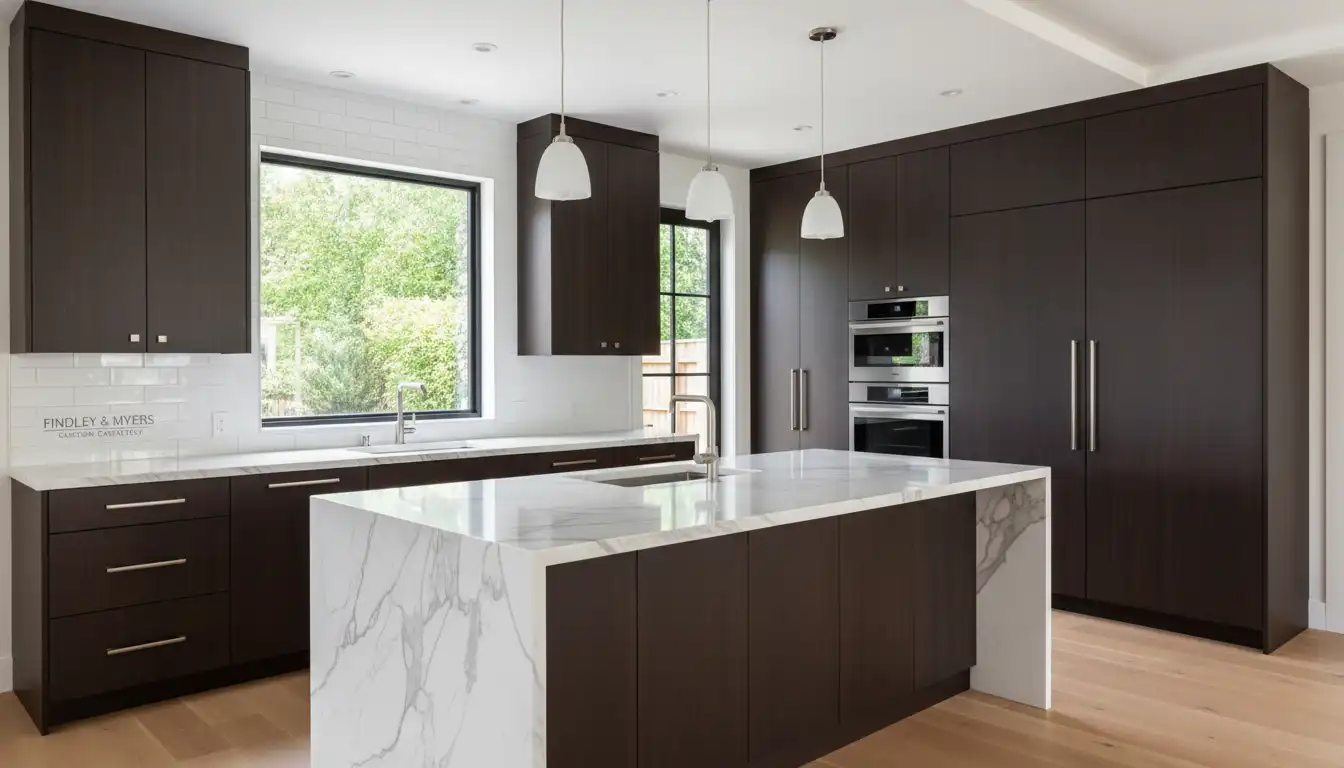
Real Homeowner Reviews: A Pattern of Praise and Problems
Online forums and review platforms paint a mixed picture of the Findley and Myers experience. The feedback often diverges into two distinct camps: those who are pleased with the value provided for the price, and those who have encountered significant issues with quality control and durability. This dichotomy highlights the variability that can exist within the brand’s product lines.
Understanding these real-world experiences is vital for setting realistic expectations. A budget cabinet line may perform admirably in a low-traffic laundry room but fail to meet the demands of a busy family kitchen. By analyzing both the positive and negative feedback, prospective buyers can better anticipate the potential risks and rewards.
Common Points of Failure: What to Watch For
A recurring theme in negative reviews is the issue of damage upon arrival. Homeowners frequently report receiving cabinets with scratches, dents, chipped paint, or finish inconsistencies right out of the box. This underscores the importance of a thorough inspection protocol on delivery day before the installation process begins.
Other common complaints involve the long-term performance of the materials. Issues like the thermofoil finish peeling, drawers sagging or becoming misaligned, and the particleboard swelling from minor water exposure are frequently mentioned. These problems point to the inherent limitations of budget-friendly materials when faced with the daily rigors of kitchen use.
Where Findley and Myers Shine: The Budget-Friendly Win
On the positive side, many customers praise Findley and Myers for their affordability and style. For DIY renovators, landlords outfitting a rental property, or homeowners undertaking a quick cosmetic flip, the value proposition is hard to beat. The cabinets provide a modern, updated look for a minimal financial outlay.
Many reviews note that when the product arrives intact and is installed correctly, it performs well for its intended purpose. Homeowners who understand the product’s limitations and manage their expectations accordingly are often the most satisfied. They see the cabinets not as a “forever” solution but as an effective and stylish choice for their current needs and budget.
| Feature | Findley & Myers | Mid-Tier Stock Cabinets | High-End Custom Cabinets |
|---|---|---|---|
| Box Material | Medium-Density Particleboard (MDP) | Plywood or Furniture Board | ¾” Plywood or Solid Wood |
| Door & Drawer Fronts | Thermofoil, Veneer, some Solid Wood Frames | Solid Wood, High-Quality Laminates | Solid Hardwoods, Exotic Veneers |
| Hardware | Often includes soft-close (variable quality) | Brand-name (e.g., Blum) soft-close hardware | Premium brand-name hardware, fully customizable |
| Construction | Ready-to-Assemble (RTA) or pre-assembled | Pre-assembled | Hand-built and finished by craftsmen |
| Warranty | Limited Lifetime (with many exclusions) | Comprehensive Lifetime Warranty | Extensive Lifetime Warranty, often transferable |
| Average Cost (10’x10′ Kitchen) | $2,000 – $4,000 | $5,000 – $10,000 | $15,000+ |
| Best For | DIY projects, rental properties, budget flips | Average residential renovations, long-term value | “Forever homes”, unique designs, luxury builds |
The Solution: A Strategic Guide to Buying Findley and Myers
Successfully purchasing and installing budget cabinetry requires a proactive and strategic approach. The key is to mitigate the known risks through careful inspection, proper installation, and diligent maintenance. By becoming an informed and vigilant consumer, you can significantly increase the likelihood of a positive outcome and ensure you get the most value for your money.
This section provides an actionable guide to navigating the purchase and ownership of Findley and Myers cabinets. Following these steps can help you avoid common pitfalls and maximize the lifespan and performance of your new kitchen or bathroom cabinetry.
The Pre-Purchase Inspection Checklist
Before you even place an order, visit a showroom to interact with a display model. Do not just look at the cabinets; open and close every door and drawer. Pay close attention to the smoothness of the drawer glides and the alignment of the doors. Feel the finish for any inconsistencies.
Examine the construction of the display units closely. Look at the corner joints inside the cabinet boxes and how the face frames are attached. Assessing the build quality of a floor model can give you a much better sense of what to expect than relying on pictures alone. Ask pointed questions about the specific materials used in both the box and the doors.
Delivery Day Protocol: Your First Line of Defense
This is arguably the most critical step in the entire process. Do not let the delivery team leave until you have unboxed and inspected every single cabinet and component. It is far easier to refuse a damaged item at the point of delivery than to go through a lengthy claims process later.
Create a checklist from your order invoice and methodically check off each item. Look for any shipping damage to the boxes before you open them. Once open, inspect every surface—front, back, and sides—for scratches, chips, or finish defects. Document any and all damage with clear photographs immediately, with the delivery personnel present if possible.
Maximizing Durability: Smart Installation and Care
Proper installation is crucial for the longevity of particleboard cabinets. Ensure the cabinets are installed perfectly level and plumb, using shims where necessary. An uneven installation puts stress on the cabinet boxes and can cause doors and drawers to become misaligned over time.
Protect your investment from its primary enemy: moisture. Caulk around the sink base cabinet and any other areas prone to water. Use heat shields, especially on cabinets adjacent to an oven, to protect thermofoil finishes from high temperatures. Simple preventative measures like these can dramatically extend the life of your cabinets.
Are There Better Alternatives? Comparing Your Options
While Findley and Myers fill an important niche in the market, it is wise to consider alternatives to ensure you are making the best choice for your home. The cabinet market is vast, with options available at nearly every price point and quality level. Exploring these alternatives can provide valuable context for your decision.
Depending on your budget and priorities, stepping up to a different category of cabinetry might offer better long-term value. For those seeking higher-quality materials, better construction, or more design flexibility, several excellent options exist. A slightly larger initial investment can often pay dividends in durability and homeowner satisfaction.
For homeowners who desire a noticeable upgrade in construction without a massive price increase, brands such as Fabuwood often provide a solid middle ground with plywood construction. If your aesthetic leans towards sleek, modern, and European-inspired designs, researching the unique materials offered by Cleaf cabinets can open up new possibilities. And for the hands-on DIYer who prioritizes American-made quality and solid wood, the ready-to-assemble options from companies like Conestoga Cabinets offer a path to a truly customized, high-quality kitchen.
The Final Verdict: Are Findley and Myers Cabinets Right for Your Home?
Findley and Myers cabinets can be the right choice for a specific type of project and homeowner. They are a viable and intelligent option for those undertaking a renovation with a strict budget, such as for a rental property, a starter home, a basement bar, or a laundry room. In these applications, their stylish appearance and low cost provide significant value.
Conversely, they are likely a poor choice for a high-traffic, “forever home” kitchen where long-term durability and flawless performance are paramount. Homeowners who prioritize robust construction, high-end materials, and peace of mind over initial cost savings should probably explore more premium options. The potential for dealing with quality control issues and the inherent vulnerabilities of the materials may lead to frustration.
Ultimately, the decision to purchase Findley and Myers cabinets hinges on a clear-eyed assessment of your own priorities. It requires balancing the immediate appeal of their price tag against a realistic understanding of their construction. If you are a diligent, hands-on consumer willing to navigate the potential challenges, you can achieve a beautiful result for a remarkably low price.
