Fieldstone Cabinets vs KraftMaid: The Ultimate Buyer’s Guide
Choosing new kitchen cabinets feels like a monumental decision, and it is. This choice is the cornerstone of your kitchen’s design, functionality, and overall value. You’re not just buying boxes and doors; you’re investing in the heart of your home.
Many homeowners find themselves paralyzed by the sheer number of options, often narrowing it down to two industry titans: Fieldstone Cabinetry and KraftMaid. The core problem is that while both are respected brands, they serve different needs, and the marketing materials can make them seem deceptively similar. This guide will dissect the critical differences to help you make a confident, informed decision.
You'll Learn About
Unveiling the Brands: A Head-to-Head Introduction
Understanding the philosophy and market position of each brand is the first step. They may both produce semi-custom cabinets, but their approach and specialties are distinct. One prioritizes deep customization, while the other focuses on accessible innovation and widespread availability.
Fieldstone Cabinetry: The Artisan’s Choice
Fieldstone Cabinetry operates in the semi-custom to full-custom space, offering a level of personalization that many other brands can’t match. They are known for their high-quality materials and extensive range of finishing options, often applied by hand. This brand appeals to homeowners and designers who have a very specific vision and require precise modifications to bring it to life.
Think of Fieldstone as the boutique builder. Their strength lies in their ability to tailor products to unique spaces, offering custom paint matching and size modifications down to a fraction of an inch. This flexibility is their key differentiator in the marketplace.
KraftMaid: The People’s Powerhouse
KraftMaid is one of the most recognized cabinet brands in North America, largely due to its presence in major home improvement stores like Lowe’s and The Home Depot. They are a giant in the semi-custom world, built on a reputation for consistency, a massive catalog of options, and a focus on durable, long-lasting finishes. KraftMaid excels at providing a wealth of smart storage solutions and organizational features.
Their innovation is geared towards practical, everyday use, making them a go-to for families and homeowners who prioritize function and reliability. They offer a dependable product with enough customization to suit most kitchen renovations without venturing into the complexities of full-custom work.
Construction and Materials: The Anatomy of a Great Cabinet
The long-term durability of your cabinets is determined by what’s under the surface. The materials and methods used in construction are arguably the most important factors to compare. This is where you’ll find the most significant philosophical and practical differences between Fieldstone and KraftMaid.
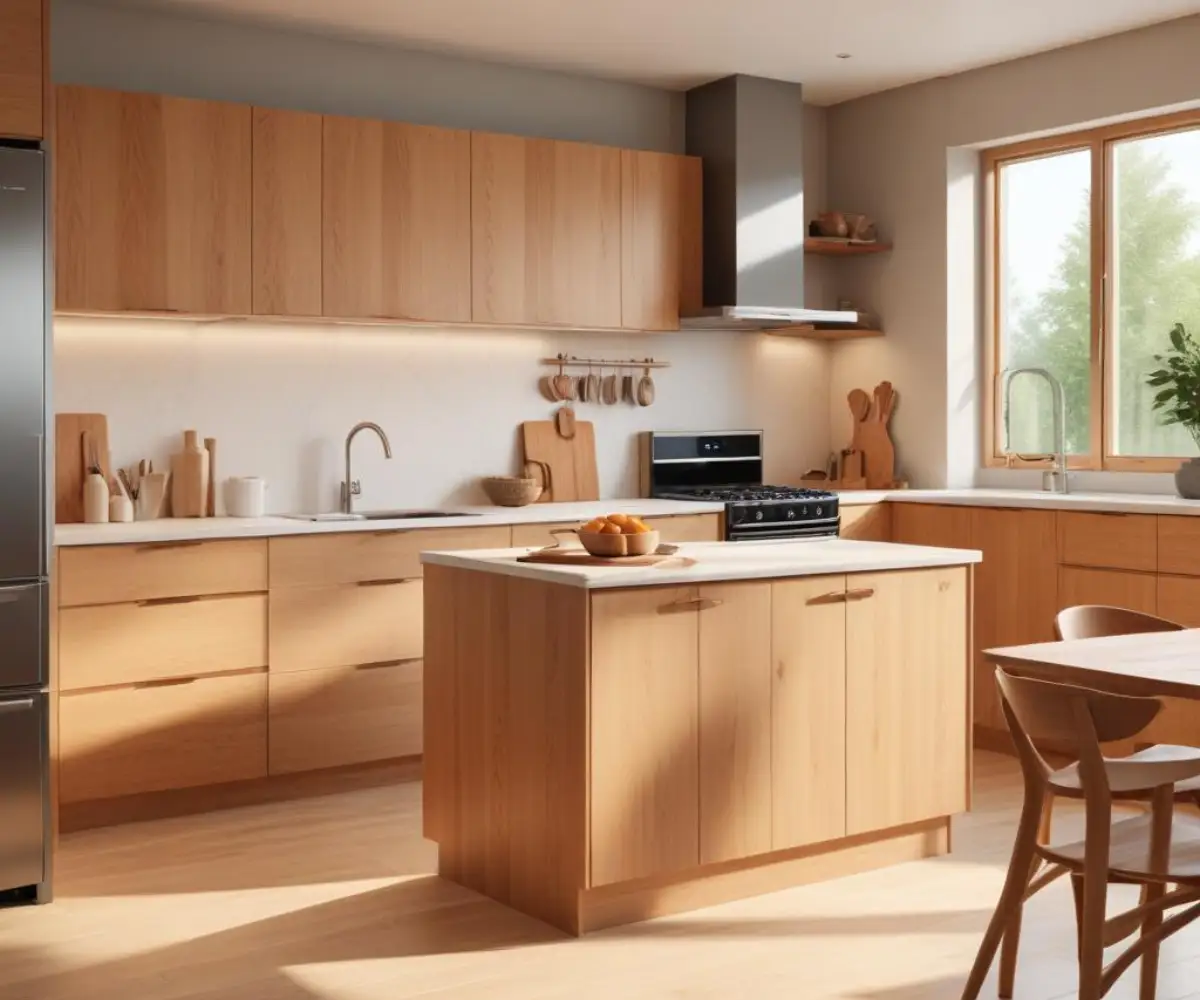
Cabinet Box Construction: The Unseen Foundation
The cabinet box is the skeleton of your cabinetry. Fieldstone’s standard construction typically features plywood for the cabinet sides, top, and bottom. Plywood is made from layers of wood veneer glued together, which gives it excellent structural rigidity and superior resistance to moisture-induced swelling compared to other materials. This makes it a premium choice, especially for cabinets around the sink and dishwasher.
KraftMaid, by contrast, often uses high-quality furniture board (a type of particleboard) as its standard material. While some may view particleboard as inferior, modern furniture board is dense, stable, and holds screws well. KraftMaid’s version is engineered for durability, and they offer an all-plywood construction (APC) option as an upgrade for those who prefer it. The choice here often comes down to budget and location; in very humid climates or for homeowners concerned about potential water damage, the plywood upgrade from KraftMaid or the standard offering from Fieldstone is a wise investment. The stability of your subfloor is also a factor; a known issue like a soft spot under vinyl floor could indicate moisture problems that would make plywood a safer bet.
Drawer Boxes and Hardware: The Daily Touchpoints
You will open and close your cabinet drawers thousands of times. Their construction is a critical indicator of quality. Both Fieldstone and KraftMaid typically utilize solid wood for their drawer boxes, constructed with durable dovetail joinery. This interlocking joint is a hallmark of high-quality craftsmanship and ensures the drawer can withstand the constant push and pull of daily use.
Where they can differ is in the hardware. Both brands overwhelmingly use high-quality, under-mount, soft-close drawer glides as a standard feature, providing a smooth, quiet operation. However, the specific weight rating and feel can vary. It is always recommended to test a display model to feel the action of the drawers for yourself. The weight and quality of the hardware contribute significantly to the premium feel of the cabinets.
Finishes and Coatings: The Protective Armor
A cabinet’s finish is its first line of defense against spills, steam, and wear. KraftMaid is famous for its DuraKraft Plus Finishing System, a multi-step process that involves sanding, staining, and a catalyzed topcoat that is oven-baked for a hard, durable surface. This finish is designed to resist scratches, scuffs, and chemical damage, making it an excellent choice for high-traffic kitchens.
Fieldstone also employs a robust finishing process, but they place a greater emphasis on the artistry and variety of their finishes. They offer numerous hand-applied techniques, such as glazes, distressing, and antiquing, which provide a more custom, furniture-like appearance. While also durable, the primary appeal of a Fieldstone finish is often its unique visual character and the depth of color achieved through manual application.
Customization vs. Configuration: Tailoring Your Kitchen
This is where the path diverges most clearly. Your choice between Fieldstone and KraftMaid may ultimately hinge on how much you want to personalize your kitchen versus how much you want to configure it with proven solutions. Both approaches are valid, but they cater to different design goals and project requirements.
The Fieldstone Advantage: True Customization
Fieldstone excels at providing true semi-custom and full-custom options. If your kitchen has an unusual angle, a non-standard ceiling height, or you need a cabinet built to a very specific width, Fieldstone can likely accommodate it. Their ability to modify cabinet depth, height, and width in small increments allows for a truly “built-in” look with minimal need for fillers.
Furthermore, their custom color matching program is a game-changer for designers. If you have a specific paint color from a brand like Sherwin-Williams or Benjamin Moore, Fieldstone can create a factory-grade finish to match it perfectly. This level of personalization is their core strength.
The KraftMaid Method: Smart Configuration
KraftMaid focuses on offering a vast and well-organized catalog of options. While they may not offer custom sizing to the same degree as Fieldstone, they compensate with an incredible array of pre-designed cabinets for specific purposes. From multi-tiered cutlery drawers to corner cabinets with pull-out systems and built-in charging stations, their catalog is a masterclass in kitchen organization.
This approach simplifies the design process. Instead of creating a solution from scratch, you can choose from a menu of proven, factory-built solutions. For many homeowners, this is the ideal balance of personalization and convenience. It’s about efficiently creating a highly functional space using a wide array of powerful tools.
Comparative Analysis: At a Glance
To simplify the decision, this table breaks down the key attributes of each brand. Use it as a quick reference to see how they stack up in the areas that matter most to you.
| Feature | Fieldstone Cabinetry | KraftMaid |
|---|---|---|
| Standard Box Material | Plywood | Furniture Board (Particleboard) |
| Plywood Upgrade | Standard | Available (All Plywood Construction) |
| Customization Level | High (Custom sizing, paint matching) | Moderate (Extensive catalog, some modifications) |
| Finish Options | Extensive, with many hand-applied techniques | Wide variety with a focus on baked-on durability |
| Organizational Features | Good selection | Excellent, a key brand focus |
| Price Point | Mid-to-High | Low-to-Mid |
| Availability | Independent Dealers and Showrooms | Big-Box Stores and Independent Dealers |
| Warranty | Limited Lifetime | Limited Lifetime |
Cost vs. Value: A Long-Term Investment
It’s no secret that Fieldstone cabinets generally carry a higher price tag than KraftMaid. This price difference is a direct reflection of their standard materials and customization capabilities. The inclusion of plywood as a standard feature, the option for hand-applied finishes, and the labor involved in custom modifications all contribute to a higher cost.
The value proposition for Fieldstone is in getting exactly what you want. You are paying for a bespoke, furniture-grade product that is tailored to your space. For those planning their “forever home” or undertaking a high-end remodel, this investment can pay dividends in both daily enjoyment and resale value. A kitchen with perfectly fitted, custom-colored cabinets is a significant selling feature.
KraftMaid’s value proposition is centered on accessibility and features. For a more moderate budget, you can get a durable, highly functional kitchen with a trusted brand name and a strong warranty. By choosing from their extensive catalog, you can achieve a semi-custom look and feel without the premium cost of true custom work. Their value shines in delivering a consistent, feature-rich product to a wider audience.
Making the Final Decision: Which Cabinet is Right for You?
The right choice is not about which brand is “better,” but which brand is the better fit for your specific project. By now, you should have a clear idea of where your priorities lie. Answering these questions will point you to your final answer.
You Should Choose Fieldstone Cabinetry If:
- You require precise, non-standard cabinet sizes. If your kitchen has unique dimensions, Fieldstone’s ability to build to your exact specifications is invaluable.
- A custom paint color is a non-negotiable part of your design. Their color-matching program is a key reason designers and discerning homeowners choose the brand.
- Your budget can accommodate a premium product. You understand and appreciate that the higher cost is tied to superior standard materials and bespoke craftsmanship.
- You desire a unique, hand-finished look. If you see your cabinets as fine furniture, the artisanal glazes and finishes from Fieldstone will appeal to you.
You Should Choose KraftMaid If:
- You prioritize smart storage and internal organization. KraftMaid’s catalog of functional solutions is among the best in the industry.
- You want the convenience of a widely available brand. Being able to see displays and work with designers at a local home improvement store is a major plus.
- You are seeking the best balance of features and cost. KraftMaid delivers a reliable, feature-packed kitchen for a mid-range budget. This commitment to home improvement extends to other areas of the house, as seen in the careful consideration needed for appliances like finding the best washer and dryer for a second floor, where performance and reliability are key.
- You prefer a durable, low-maintenance finish. The DuraKraft Plus system is engineered to withstand the rigors of a busy family kitchen. This same eye for durability is why many homeowners read up on COREtec Highlands Oak reviews when choosing flooring to complement their new cabinets.
Ultimately, the showdown between Fieldstone and KraftMaid is a tale of two excellent, but different, manufacturing philosophies. Fieldstone offers bespoke tailoring, while KraftMaid provides a feature-rich, ready-to-wear solution. Both can be used to create a beautiful, functional kitchen that will last for decades. Your task is to align your budget, design vision, and functional needs with the brand that best serves them.
Before you sign a contract, always order physical samples. No computer screen can accurately represent the color, texture, and feel of a cabinet door. Seeing them in your own home’s lighting is the final, crucial step in making a choice you’ll love for years to come.