
Fiberglass on Bed Sheets: The Hidden Danger in Your Bedroom
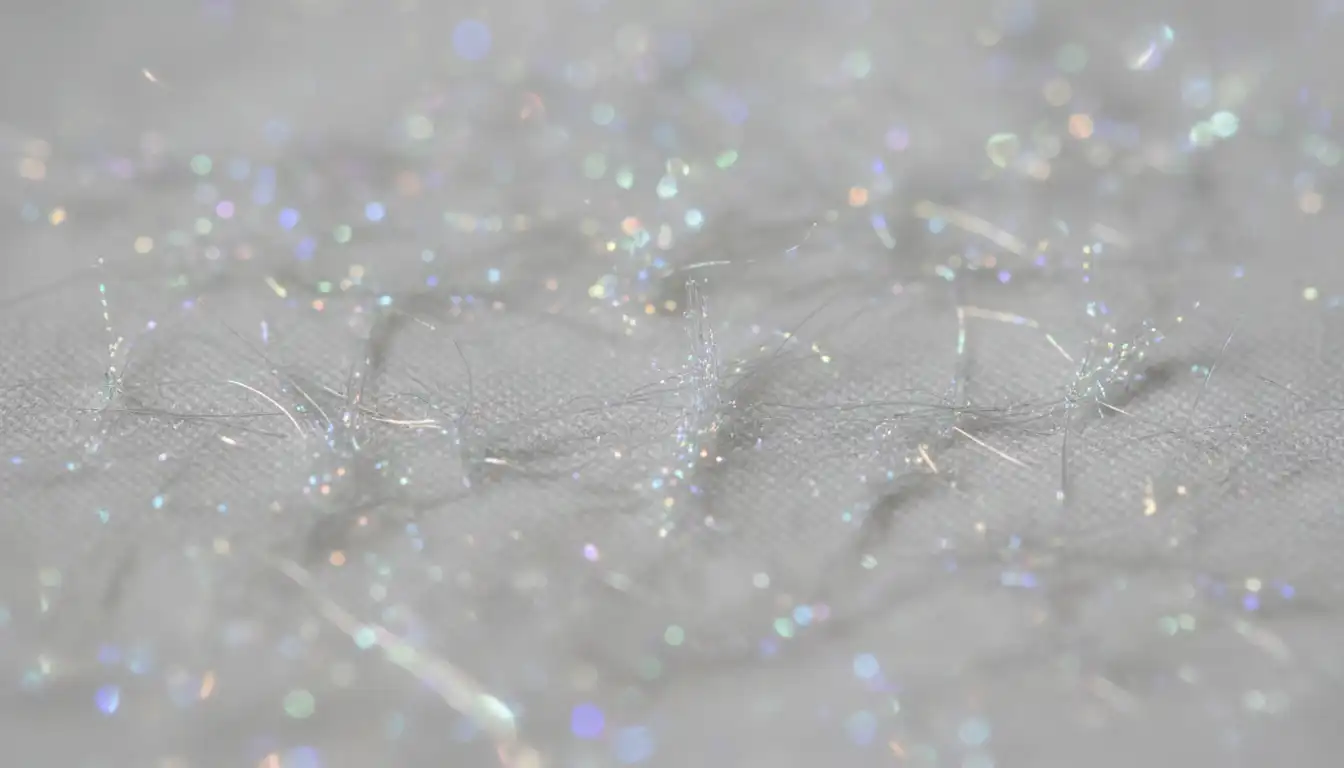
You pull back the covers, ready to settle in for the night, but something catches your eye. Under the lamplight, your bed sheets seem to shimmer with tiny, glitter-like specks. Then, the itching starts—a persistent, irritating sensation that makes relaxation impossible.
What you’ve discovered is a deeply unsettling and surprisingly common problem: fiberglass contamination on your bed sheets. These microscopic shards of glass can turn your sanctuary into a source of misery, causing skin rashes, respiratory irritation, and endless anxiety. Understanding where it comes from is the first step to reclaiming your safe space.
You'll Learn About
Why Is There Fiberglass in My Bed? Uncovering the Surprising Sources
Finding fiberglass in your bed can feel baffling. It doesn’t just appear from nowhere. This invasive material typically finds its way into your bedding from one of several hidden sources within your home.
The most common culprit is, shockingly, the mattress itself. To meet federal flammability standards without using costly chemical fire retardants, many manufacturers encase the foam core of their mattresses in a sock-like layer made of woven silica or glass fibers. This is often referred to as the “fire sock.”
As long as the outer mattress cover remains intact, the fiberglass is safely contained. However, if you remove the outer cover for washing—often against the manufacturer’s explicit warning on the tag—you can unleash a catastrophic amount of fiberglass particles into your room. Even a small tear or a worn-out zipper can allow these fibers to escape and contaminate everything.
Other Common Contamination Culprits
While the mattress is a primary suspect, fiberglass can also migrate from other areas. Your home’s HVAC system can be a pathway if ductwork lined with fiberglass insulation becomes damaged or degraded, blowing microscopic particles into your bedroom.
Renovation work is another major cause. Any project that disturbs insulation in walls or ceilings can release fibers into the air. This is similar to the kind of hazardous dust that can spread through a home during major projects, such as the toxic mess from a roof replacement.
Finally, cross-contamination from your washing machine is a real risk. If you wash work clothes used in construction or insulation trades, the fibers can get trapped in the washer drum and transfer to the next load, which could be your bed linens.
The Health Risks of Fiberglass Exposure: More Than Just an Itch
The danger of fiberglass lies in its physical properties. The material is made of sharp, microscopic shards of glass that mechanically irritate whatever they touch. This is not a chemical or allergic reaction; it is a physical injury on a tiny scale.
When these fibers embed in your skin, they cause what’s known as fiberglass dermatitis. Symptoms include an intense itching sensation, red rashes, and small bumps. The discomfort can be significant and widespread, affecting any part of your body that came into contact with the contaminated bedding.
Inhaling airborne fiberglass particles presents another set of risks. The fibers can irritate the upper respiratory tract, leading to a sore throat, coughing, and nasal discomfort. For individuals with asthma or other respiratory conditions, this can trigger more severe reactions. While a typical home contamination scenario is less hazardous than chronic occupational exposure, it must be addressed immediately to protect your health.
Your Immediate Action Plan: What to Do the Moment You Find Fiberglass
If you suspect fiberglass is on your sheets, your first instincts might make the problem worse. It is critical to act methodically to contain the contamination and prevent it from spreading throughout your home.
First and foremost, do NOT shake the bedding or clothing. This is the single most important rule. Shaking the items will launch the microscopic glass fibers into the air, where they can circulate for hours, contaminate other surfaces, and be easily inhaled.
Instead, your immediate goal is isolation. Carefully fold the contaminated sheets inward to trap the particles. Place them directly into a heavy-duty trash bag, seal it tightly, and then double-bag it. For severe contamination, attempting to wash the bedding is not recommended as it rarely removes all the fibers and will contaminate your washing machine.
Before you handle anything else, protect yourself. Put on long sleeves, pants, disposable gloves, and a high-quality mask (an N95 or P100 respirator is best). Turn off your HVAC system and any ceiling or portable fans to stop air circulation, and close the door to the affected room to isolate it from the rest of the house.
The Ultimate Fiberglass Removal Guide for Your Bedroom
Once you’ve contained the initial source, you must assume the entire room is contaminated. A thorough, systematic cleaning process is the only way to ensure you have removed all the lingering fibers from your environment.
Step 1: Identify and Eliminate the Source
Your cleaning efforts will be wasted if you don’t find and remove the source of the fiberglass. Start with your mattress. Look for a tag that explicitly says, “Do not remove cover.” Check the entire mattress, especially the seams and zipper, for any tears or openings.
If you see a shimmery, sock-like layer beneath the outer cover, that is almost certainly a fiberglass fire barrier. If the mattress is the source, the only safe solution is to replace it. It is virtually impossible to remove the fibers from deep within the mattress foam. Carefully wrap the entire mattress in plastic and arrange for its disposal.
If the mattress seems fine, inspect your HVAC vents for signs of degraded insulation. Also, consider any recent DIY projects. If you’ve been working with insulation, such as when you insulate a garage ceiling, it’s very possible that fibers have traveled on your clothes or through the air.
Step 2: Meticulous Cleaning with the Right Tools
Regular cleaning tools will not work for fiberglass. You need specific equipment to safely capture and remove the tiny shards. The most critical tool is a vacuum cleaner equipped with a HEPA (High-Efficiency Particulate Air) filter. A standard vacuum will simply exhaust the microscopic fibers back into the air, making the problem much worse.
Using the hose and brush attachment of your HEPA vacuum, slowly and methodically vacuum every single surface in the room. This includes the walls (from top to bottom), baseboards, window treatments, furniture, and flooring. Pay special attention to fabric surfaces like chairs or curtains.
After vacuuming, tackle all hard surfaces. Use damp microfiber cloths to wipe down everything—dressers, nightstands, bed frames, window sills, and even the blades of your ceiling fan. The damp cloth will trap the fibers instead of pushing them around. Rinse or change cloths frequently to avoid re-contamination.
Step 3: Purify the Air
Even after thorough surface cleaning, some fibers will remain suspended in the air. Place a HEPA air purifier in the contaminated room and run it on its highest setting for at least 48 to 72 hours. This will help capture any lingering airborne particles that have yet to settle.
If you suspect your washing machine was contaminated, run it empty on a hot water cycle several times. Between cycles, wipe down the inside of the drum with a damp paper towel to pick up any stray fibers. This process is tedious but essential to ensure you don’t re-contaminate future loads of laundry.
How to Choose a Fiberglass-Free Mattress: Your Guide to a Safer Sleep
The best way to deal with a fiberglass problem is to prevent it from ever happening. When shopping for a new mattress, being an informed consumer is your best defense. The key is to understand what manufacturers use as a fire barrier.
Always check the mattress law tag. Be extremely cautious if the tag warns against removing the outer cover. This is a strong indicator that a particle-based fire barrier, like fiberglass, is used underneath. A mattress designed with a safe, integrated fire barrier will typically have a cover that is safe to remove and wash.
Do not hesitate to contact the manufacturer directly. Ask their customer service team a very specific question: “What material is used as the fire barrier in this mattress?” If they cannot give you a straight answer or use vague terms, it is best to look elsewhere. Reputable companies that use safer alternatives are usually proud to advertise it.
Comparing Fire Barrier Materials in Mattresses
To help you make an informed choice, the table below compares common fire retardant materials used in mattresses today. Understanding these options will empower you to select a product that is both safe and effective.
| Fire Barrier Material | Description | Pros | Cons |
|---|---|---|---|
| Fiberglass (Glass Fiber) | A woven or non-woven fabric sock made of silica and glass fibers wrapped around the foam core. | Very inexpensive for manufacturers; effective at passing flammability tests. | Extreme contamination risk if the cover is damaged or removed. Can cause severe skin and respiratory irritation. |
| Inherent Fire-Retardant Yarns | Fibers like hydrated silica are woven directly into the mattress ticking (outer fabric). | Safe, non-particle-based, does not release harmful fibers. Allows for removable, washable covers. | More expensive than a fiberglass sock, which can increase the mattress price. |
| Wool | A natural, dense layer of wool is placed just beneath the cover. Wool is naturally flame-resistant. | Natural and breathable; does not release harmful particles; acts as a temperature regulator. | Can be expensive; may have a distinct smell for some users; not suitable for those with wool allergies. |
| Plant-Based Fibers (e.g., Thistle) | A newer, natural alternative where a layer of pulped thistle is used as a fire barrier. | Natural, non-toxic, and effective. Does not pose a particle contamination risk. | Less common and can be found primarily in higher-end or organic mattresses. Can be expensive. |
Frequently Asked Questions About Fiberglass Contamination
Navigating a fiberglass issue can be stressful, and it’s normal to have questions. Here are clear answers to some of the most common concerns.
How can I tell if the sparkles on my sheets are really fiberglass?
Use the flashlight on your phone and hold it at an angle to the fabric. Fiberglass particles will glint and sparkle like tiny strands of glitter. Unlike glitter, they will feel sharp or prickly to the touch and will cause skin irritation shortly after contact.
Can I just wash the fiberglass out of my sheets?
For heavy contamination, washing is not recommended. The sharp fibers can embed deeply into the fabric and may not wash out completely. More importantly, they will heavily contaminate your washer and dryer, spreading the problem to other clothes.
Is it safe to sleep in a room after cleaning up fiberglass?
After you have removed the source and performed a thorough cleaning with a HEPA vacuum, damp cloths, and a HEPA air purifier, the room should be safe. However, pay close attention to your body. If you experience any new or recurring skin irritation or respiratory symptoms, a professional remediation may be necessary.
A Final Word on a Safe and Healthy Bedroom
Discovering fiberglass on your bed sheets is a frightening experience, but it is a problem you can solve. By acting quickly to contain the spread, identifying and eliminating the source, and using the correct cleaning methods, you can restore your bedroom to the safe haven it’s meant to be.
Moving forward, knowledge is your best defense. Scrutinize mattress labels, ask manufacturers direct questions, and invest in products that prioritize safety alongside comfort. Your peace of mind and your health are worth it.
