
Extra Tall Base Cabinets: The Design Secret Hiding in Plain Sight
You spend hours in your kitchen, but does it truly fit you? For many homeowners, the answer is a quiet “no.” Aches in the lower back after doing dishes or a frustrating lack of storage space are common complaints, often accepted as normal.
The culprit is frequently something so fundamental it’s overlooked: the height of your base cabinets. The 36-inch countertop height is an industry standard, but it’s a “one-size-fits-most” solution that neglects ergonomics and aesthetics for a significant portion of the population.
You'll Learn About
The Problem with “Standard” Height
The standard 34.5-inch base cabinet, which results in a 36-inch counter with a typical countertop, was established decades ago. While it serves its purpose for the “average” person, it can be a source of daily discomfort and inefficiency for many others.
Taller individuals often find themselves stooping to prep food or wash dishes, leading to chronic back strain. Furthermore, this standard height represents a missed opportunity for maximizing precious kitchen storage and creating a more visually impressive, custom-look kitchen.
Unlocking a New Level of Comfort and Style
The solution is simpler than you might think: extra tall base cabinets. These cabinets, typically 36 inches or taller, raise the final countertop height to a more comfortable 37 to 39 inches. This seemingly small adjustment can revolutionize your kitchen’s ergonomics, storage capacity, and overall aesthetic.
By moving beyond the outdated standard, you can create a kitchen that is not only more comfortable to work in but also feels more luxurious and intentionally designed. It’s a change that enhances both your daily life and your home’s value.
The Game-Changing Benefits of Going Taller
Opting for taller base cabinets is more than just a dimensional change; it’s a strategic upgrade with tangible benefits. From relieving physical strain to elevating your home’s design, the advantages are significant.
Ergonomics: Your Back Will Thank You
For anyone above average height, a taller countertop is a revelation. A counter height that is 3-4 inches below your bent elbow is often considered ideal for tasks like chopping. Standard counters force taller users to hunch over, but a 38-inch counter can align your posture, reducing strain on your back, neck, and shoulders.
This ergonomic improvement transforms daily chores from a source of discomfort into a more pleasant experience. It makes the kitchen a space you want to spend time in, not one you have to endure.
Storage: The Untapped Potential
Those few extra inches of cabinet height translate directly into more storage. This could mean a deeper top drawer perfect for organizing utensils or an additional pull-out shelf for spices and oils. In a room where space is always at a premium, this added capacity is invaluable.
This extra room can help declutter countertops, providing a cleaner and more organized workspace. When considering different cabinet dimensions, remember that height offers a unique storage advantage, a topic explored when comparing 30 vs 36 inch cabinets in width.
Aesthetics: The Look of Luxury
Extra tall base cabinets create a powerful visual impact. The elevated height draws the eye upward, making ceilings appear higher and the entire kitchen feel more spacious and grand. This is particularly effective in homes with high ceilings, where standard cabinets can look undersized.
The cleaner lines of taller cabinets provide a more seamless, built-in appearance. This custom look is a hallmark of high-end design and can significantly boost the perceived value of your home, making it a wise investment for future resale.
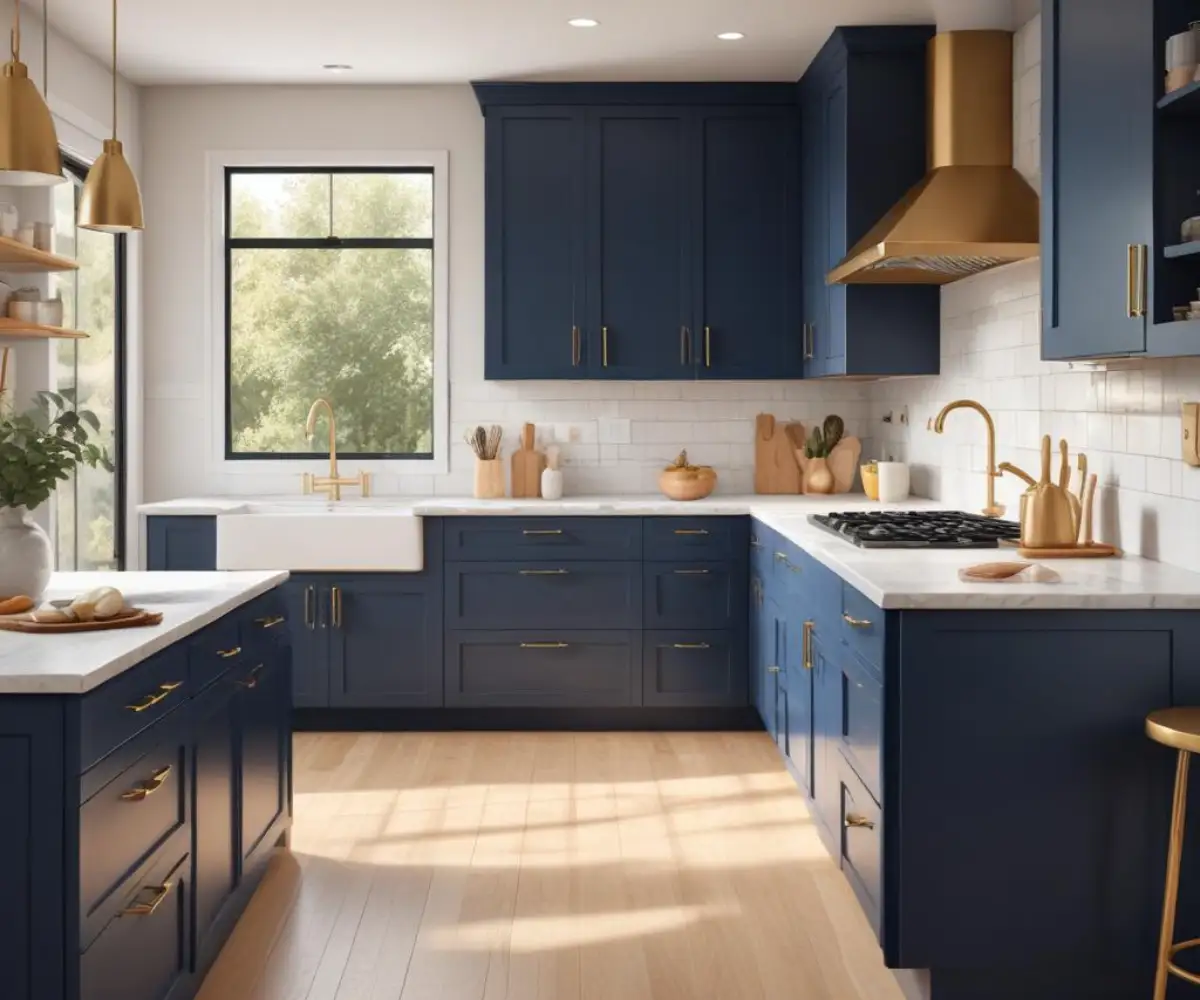
The Critical Planning Stage: What You MUST Know
While the benefits are compelling, installing extra tall base cabinets requires careful planning. Overlooking key details can lead to significant and costly problems. The most critical aspect to address is how taller cabinets affect your standard-height appliances.
The Appliance Compatibility Trap
This is the number one mistake homeowners make. Standard dishwashers and slide-in ranges are designed for a 36-inch countertop height. Simply raising the counters without a plan will create awkward gaps and functional issues.
For a dishwasher, a gap will appear between the top of the appliance and the underside of the countertop. To solve this, your installer can build a small, sturdy platform for the dishwasher to sit on, raising it to the new height. The platform is then concealed with a custom toe-kick for a seamless look.
Slide-in ranges present a similar challenge. A standard range will sit lower than the new, taller countertops, breaking the clean line and creating a difficult-to-clean gap. Some ranges have adjustable feet, but they may not extend far enough. A platform is also the best solution here, ensuring the cooking surface is flush with the countertops.
Windows, Outlets, and Switches
Before ordering cabinets, take a detailed inventory of your kitchen’s existing features. Will the new countertop height partially cover a low-set window sill? Will it interfere with electrical outlets or light switches along the backsplash?
Relocating electrical boxes is a task for a licensed electrician but is often a necessary part of the project. For windows, you may need to choose a slightly shorter cabinet height or consider a creative countertop design that drops down under the sill.
Choosing Your New Cabinet Height
How tall should you go? The ideal height is personal. A good ergonomic test is to stand with your elbows bent at a 90-degree angle; the countertop should be about 3-6 inches below your elbow. For most taller individuals, a final countertop height of 38 or 39 inches is a comfortable range.
Consider all primary users of the kitchen. If there is a significant height difference between partners, you might opt for a modest increase or even create a multi-level island with different work surface heights.
| Feature | Standard Base Cabinets (34.5″) | Extra Tall Base Cabinets (36″+) |
|---|---|---|
| Final Countertop Height | ~36 inches | ~37.5 to 39 inches |
| Ergonomics | Comfortable for average heights; causes stooping for taller individuals. | Greatly improved comfort and posture for taller users. |
| Storage Capacity | Standard | Increased; allows for deeper drawers or extra shelving. |
| Appliance Fit | Standard fit for dishwashers and slide-in ranges. | Requires planning; platforms or adjustable feet needed. |
| Aesthetics | Traditional, standard look. | Custom, high-end appearance; makes rooms feel taller. |
| Cost | Most affordable, widely available. | Higher cost, often requires semi-custom or custom orders. |
Making the Right Choice: Sourcing and Costs
Once you’ve decided to embrace taller cabinets, the next step is finding the right products. Your options will range from stock modifications to fully custom solutions, each with different price points and lead times.
Stock, Semi-Custom, and Custom Options
Some stock cabinet lines may offer taller base cabinets, but they are less common. A more likely route is semi-custom cabinetry, where manufacturers offer modifications to their standard lines. Brands you might explore when doing your research could fall into comparisons like Medallion Cabinets vs KraftMaid, as they often provide more flexibility.
For the perfect fit and unlimited design possibilities, custom cabinets are the ultimate solution. A custom cabinet maker can build bases to your exact specified height. For those interested in the specifics of ready-to-assemble custom options, exploring Conestoga Cabinets reviews can provide valuable insight into quality and process.
Understanding the Cost Investment
Extra tall cabinets will almost always cost more than their standard-height counterparts. The price increase depends on the manufacturer and the level of customization, but you can expect to pay a premium for the additional materials and specialized construction.
However, it is crucial to view this not just as an expense but as an investment. The functional and aesthetic upgrades can significantly increase your home’s resale value, making it an attractive feature for future buyers, especially taller ones.
Conclusion: Elevate Your Kitchen, Elevate Your Life
Choosing extra tall base cabinets is a deliberate design decision that prioritizes personal comfort, maximized storage, and elevated style. It’s a move away from the one-size-fits-all mentality and toward a kitchen that is truly tailored to you.
By carefully planning for appliance integration and considering the architectural details of your space, you can unlock a new level of functionality and beauty. This simple change can transform your kitchen from a standard room into a custom space that works better, feels better, and looks extraordinary.
Frequently Asked Questions
What are the benefits of extra tall base cabinets?
Extra tall base cabinets provide more storage space, which is ideal for large pots, pans, and small appliances, helping to keep countertops clear. They can also create a more customized and high-end look in the kitchen. For taller individuals, the increased height can offer a more ergonomic and comfortable workspace.
How much taller are they than standard base cabinets?
Standard base cabinets are typically 34.5 inches high, which results in a 36-inch countertop height once the counter is installed. Extra tall base cabinets exceed this standard, with heights often customized to achieve a countertop height of 38 inches or more, depending on user preference and comfort.
Do taller base cabinets impact appliance choices?
Yes, they can affect the installation of standard appliances like dishwashers and ranges, which are designed for a 36-inch counter height. You may need to build a platform for these appliances to sit on to align with the higher countertop, and it’s important to check manufacturer specifications and local building codes.
Is it more expensive to choose extra tall base cabinets?
Extra tall or custom-height cabinets typically cost more than standard-sized stock cabinets. The increased price is due to the use of more materials and the costs associated with custom manufacturing. Installation costs might also be higher if modifications for appliances are required.
Will a taller countertop height be comfortable for everyone?
Not necessarily. While a higher countertop can be more ergonomic for taller users, it may be uncomfortable for individuals of average or shorter height. It’s important to consider the comfort of all primary users of the kitchen before committing to a non-standard height.
