
Engineered Wood and Dogs: The Costly Mistake You Can’t Afford to Make
You envision a beautiful home with the timeless elegance of wood floors. You also cherish the joyful chaos your four-legged companion brings into your life.
Many homeowners believe they have to choose one over the other. The fear is that a dog’s claws, accidents, and shedding will inevitably destroy a significant investment like engineered hardwood.
This guide confronts that fear directly. We will explore how to create a home where stunning engineered wood floors and happy dogs can coexist, helping you avoid the expensive and heartbreaking mistakes many pet owners make.
You'll Learn About
What Exactly Is Engineered Wood? (And Why It Matters for Dogs)
Understanding the construction of engineered wood is the first step in making a dog-friendly choice. Unlike solid hardwood, which is one piece of milled lumber, engineered wood is a composite product.
It consists of a top layer of real hardwood veneer bonded to a core of high-quality plywood or high-density fiberboard (HDF). This structure gives it enhanced stability and resistance to humidity changes, but its vulnerability to dogs lies in two specific components: the top wood veneer (the wear layer) and the core material.
The thickness and hardness of that top layer, combined with the quality of its protective finish, will determine how it stands up to daily life with a canine companion.
The Brutal Reality: How Dogs Can Wreck Engineered Wood
Before finding the solution, you must respect the problem. Dogs, through no fault of their own, can be incredibly tough on flooring surfaces. Ignoring these realities leads to disappointment and costly repairs.
The Scratch Factor: A Dog’s Nails vs. Your Floor’s Finish
The most common concern is scratches. It’s important to understand that when a floor scratches, it’s almost always the protective finish that is being damaged first, not the wood itself.
A dog’s untrimmed nails, combined with the grit and dirt they can track in from outside, essentially turn their paws into pieces of sandpaper. This is especially true during energetic play or the daily “zoomies” that abrade the floor’s surface over time.
Water Woes: Beyond Just Potty Accidents
Moisture is the arch-nemesis of any wood product. For engineered flooring, the danger comes from liquid seeping between the planks and reaching the absorbent inner core.
This isn’t just about potty training accidents. Constant drips from a water bowl, drool, or even wet paws after a walk can introduce moisture. Once the core is compromised, it can swell and cause the top veneer to warp or delaminate, a type of damage that is often irreparable.
The Hidden Dangers of Dents and Gouges
Scratches are a surface issue, but dents are a structural one. Heavier dogs can cause dents simply by walking, but the real culprits are often dropped toys or the impact from a jumping, playful pup.
These impacts can compress the wood fibers of the top layer, creating permanent indentations that are much harder to fix than a simple surface scratch.
Your Ultimate Dog-Proofing Blueprint: Choosing the Right Engineered Wood
Now for the solution. You absolutely can have engineered wood with dogs, but success is found in the selection process. It requires looking beyond color and style and focusing on the technical specifications that deliver durability.
Secret #1: The Wear Layer Is Everything
The wear layer is the thickness of the real wood veneer on top of the core. This is arguably the single most important factor for dog owners. A thicker wear layer, typically measured in millimeters (mm), provides a longer lifespan for your floor.
A thin wear layer (2mm or less) may not survive a single sanding and refinishing. A robust wear layer (4mm to 6mm) can be refinished two, three, or even more times, effectively erasing the accumulated scratches from a dog’s entire life and renewing the floor.
Secret #2: Harness the Power of Hardness (Janka Scale)
The Janka Hardness Scale measures the resistance of a wood species to denting and wear. A higher Janka rating means a harder, more resilient wood. For the top veneer of your engineered floor, you should prioritize species known for their durability.
Excellent choices include Hickory, Hard Maple, and White Oak, which are exceptionally hard. Softer woods like Walnut or Birch are more likely to dent under the pressure of a dog’s nails or dropped toys and are best avoided in high-traffic pet homes.
Secret #3: The Finish Is Your First Line of Defense
The factory-applied finish is your floor’s shield. Look for products with multiple coats of a high-quality, UV-cured urethane finish containing Aluminum Oxide. This additive dramatically increases the surface’s resistance to abrasion.
Equally important is the sheen. A matte or satin finish is your best ally. High-gloss floors act like a mirror, highlighting every single scratch, speck of dust, and strand of pet hair. A low-sheen finish diffuses light, making minor imperfections much less visible.
Secret #4: Texture and Color Are Your Best Friends
A perfectly smooth, dark, uniform floor is the worst possible choice for a home with dogs. Instead, leverage visual tactics to hide the evidence of daily life. Floors with built-in character are a game-changer.
Consider styles that are wire-brushed, hand-scraped, or have a distressed finish. These textures create a rustic look where a new scratch will simply blend in with the existing pattern. Similarly, floors with natural color variations, prominent grain patterns, and lighter tones are far more forgiving than dark, solid colors when it comes to concealing pet hair and minor scratches.
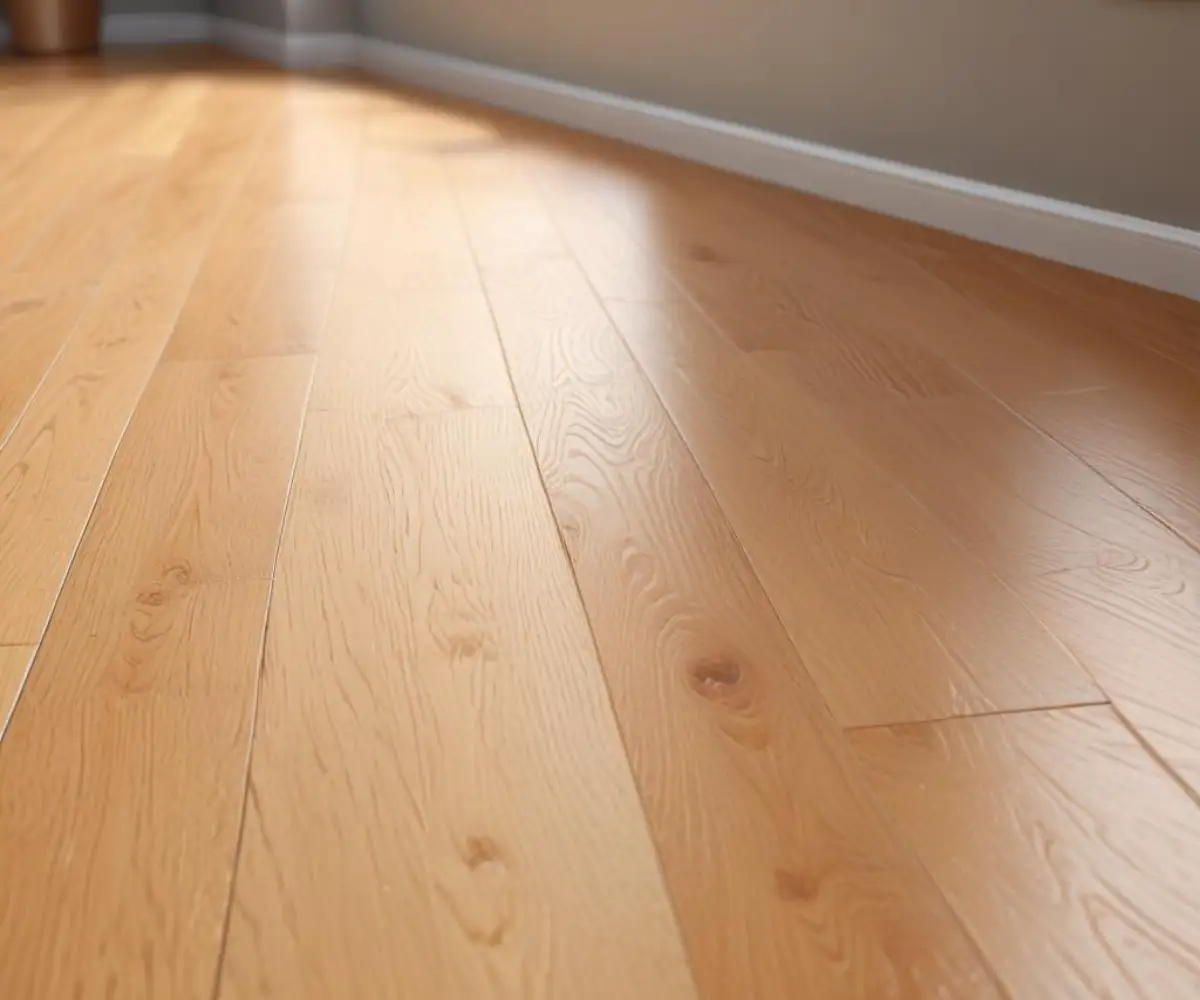
At-a-Glance: Comparing Engineered Wood Features for Dog Owners
Choosing the right floor involves balancing several key features. This table helps simplify the decision-making process by rating different characteristics based on their suitability for a home with dogs.
| Feature | Poor Choice for Dogs | Good Choice for Dogs | Excellent Choice for Dogs |
|---|---|---|---|
| Wood Species (Janka) | Walnut, Birch, Pine (<1000) | Red Oak, Ash (1200-1300) | Hickory, Hard Maple, White Oak (>1300) |
| Wear Layer Thickness | 1-2mm (No refinishing) | 3mm (1 refinishing possible) | 4mm+ (Multiple refinishings) |
| Finish Sheen | High Gloss / Semi-Gloss | Satin / Eggshell | Matte / Ultra-Matte |
| Surface Texture | Smooth | Subtle Grain | Wire-Brushed or Hand-Scraped |
| Color | Very Dark or Uniform | Medium Tones | Light Colors or High Variation |
The Unspoken Factors: What Most Guides Won’t Tell You
True expertise means considering the subtle details that impact both your quality of life and your dog’s well-being. These are the factors that are often overlooked in standard flooring guides but make a world of difference.
The Acoustic Problem: Echoes and Claw Clicks
Hard surfaces like engineered wood can create a noisier home environment. The clicking sound of a dog’s nails on the floor can be a constant, sometimes irritating, background noise. This is more than a minor annoyance; it can contribute to a less peaceful home.
The solution lies beneath the floor. Investing in a high-quality acoustic underlayment is essential. This layer not only dampens the sound of claws but also reduces ambient room noise and provides a softer, more comfortable feel underfoot for both you and your pet.
Your Dog’s Health: VOCs and Floor Finishes
Indoor air quality is a critical health concern. Many flooring finishes and adhesives can release Volatile Organic Compounds (VOCs) into the air. Pets, who spend their lives much closer to the floor, can be more susceptible to these airborne chemicals.
When shopping, actively look for floors that are certified as low-VOC or zero-VOC. Certifications like FloorScore® ensure that the product meets strict indoor air quality standards, creating a healthier environment for every member of your family.
A Dog’s Comfort: Floor Temperature and Joint Health
Engineered wood can feel cool to the touch, which can be a drawback in colder climates, especially for older dogs or breeds susceptible to joint pain like arthritis. One of the unique advantages of engineered wood is its compatibility with in-floor radiant heating systems.
Installing radiant heat creates a gentle, consistent warmth that is incredibly therapeutic for a dog’s joints. Furthermore, a slippery floor can cause anxiety and physical strain on a dog. Prioritizing a textured, low-slip finish isn’t just about hiding scratches; it’s about providing a safe and secure surface for your dog to walk and play on confidently.
Proactive Protection: Your Daily, Weekly, and Monthly Maintenance Checklist
Choosing the right floor is half the battle. The other half is consistent maintenance. A simple routine will protect your investment and keep your floors looking beautiful for years.
The Daily Sweep: Conquering Pet Hair and Grit
The most damaging element on your floor isn’t your dog’s nails; it’s the dirt and grit trapped on their paws. This debris acts like sandpaper. A daily pass with a microfiber dust mop or a vacuum with a brushless hard floor head is non-negotiable.
This simple task removes the abrasive particles before they can be ground into the finish. It also manages the constant battle against pet hair and dander.
The Spill Response Plan: Act Fast, Act Right
Accidents and spills will happen. The key is speed. Clean up any liquid immediately with an absorbent cloth. For tougher messes, use a cleaning solution specifically formulated for hardwood floors and recommended by your flooring manufacturer. Avoid using water and vinegar, steam mops, or all-purpose cleaners, which can damage the finish.
Proper research into your flooring choice is paramount. Just as you might read detailed Cortona Flooring reviews before choosing a specific brand, you must understand the maintenance requirements of your chosen finish.
Long-Term Care: Nail Trims and Protective Measures
The most effective way to prevent scratches is to address the source. Keep your dog’s nails trimmed regularly. If you can hear their nails clicking on the floor, they are too long. A groomer or veterinarian can perform this task if you are uncomfortable doing it yourself.
Use area rugs or runners in high-traffic zones like hallways and entryways. Place waterproof mats under your dog’s food and water bowls to protect the floor from the most common source of moisture damage.
What If Engineered Wood Isn’t the Right Fit? Exploring Alternatives
After careful consideration, you might decide that engineered wood requires more diligence than you’re prepared to offer. Fortunately, the market is filled with excellent, highly durable, and pet-friendly alternatives.
Luxury Vinyl Plank (LVP) is a leading contender. It is 100% waterproof, highly scratch-resistant, and offers incredibly realistic wood-look visuals. For pet owners concerned primarily with moisture and accidents, some modern waterproof flooring collections, like those examined in Downs Life H2O flooring reviews, present a compelling case.
The innovation in durable materials is constantly evolving. Even outdoor products, while not suitable for interiors, show what is possible in terms of toughness, a quality you might see reflected in discussions like Aeratis Porch Flooring reviews. The key is to match the material’s strengths to your specific lifestyle.
The Final Verdict: Can Engineered Wood and Dogs Coexist Peacefully?
The answer is a resounding yes, but with a crucial condition: it requires an educated and intentional choice. You cannot simply pick any engineered wood floor and hope for the best. Success is not a matter of luck; it is a matter of strategy.
By prioritizing a hard wood species, a thick wear layer, a durable low-sheen finish, and a textured surface, you arm your floors against the challenges of pet ownership. Combine that intelligent selection with a consistent maintenance routine, and you can absolutely build the beautiful, welcoming home you’ve always wanted for yourself and your furry best friend.
