
Elmwood Cabinets Reviews: The Unvarnished Truth Before You Buy
Embarking on a kitchen or home renovation is a monumental task, fraught with critical decisions. Perhaps the most significant choice you’ll face is selecting the right cabinetry, an element that defines the space’s functionality and aesthetic for decades to come.
The sheer volume of options can be paralyzing, and the financial commitment is substantial, making the fear of a costly mistake very real. Amidst this confusion, many homeowners are drawn to high-end, custom brands like Elmwood Cabinets, seeking superior quality and design, yet find themselves struggling to locate comprehensive, unbiased reviews to guide their investment.
You'll Learn About
What Sets Elmwood Apart? Understanding the Brand DNA
To truly evaluate Elmwood, one must first understand its position in the market. Since its founding in 1973 in St. Catharines, Ontario, Elmwood has cultivated a reputation for being a premier manufacturer of high-end, custom cabinetry. This is not a brand you find in big-box stores; it operates through a network of elite dealers and designers across North America, focusing on creating bespoke pieces for discerning clients.
The core of Elmwood’s philosophy is a fusion of traditional, hands-on craftsmanship with advanced manufacturing technology. While many companies have moved to fully automated processes, Elmwood retains seasoned artisans who bring a human touch to each project, ensuring meticulous attention to detail. This approach allows them to offer a staggering level of customization, from precise 1/8-inch increments in cabinet dimensions to creating entirely new door styles based on a designer’s vision.
A Commitment to Premium Materials and Construction
Elmwood’s dedication to quality begins with its raw materials. The brand works exclusively with premium-grade woods and materials, offering over 53 standard species, from common domestics like Maple and Cherry to exotic veneers. This vast selection is a key differentiator, providing homeowners with a rich palette to realize their unique design aspirations.
Their construction methods are equally robust. Elmwood offers two primary types of cabinet construction: traditional framed and modern full-access (frameless). Within these categories, there are multiple variations, all utilizing plywood for structural integrity. The use of ¾-inch thick materials for cabinet sides, tops, and bottoms, assembled with durable fluted dowels, speaks to a build quality designed for longevity.
Elmwood Cabinets Reviews: A Deep Dive into Product Lines
Navigating Elmwood’s offerings can be complex due to their custom nature, but understanding their core construction styles is the best starting point. The choice between framed and frameless cabinetry is one of the most significant, impacting both the look and function of your kitchen. This decision influences everything from storage space to the overall design aesthetic, whether it’s a traditional, transitional, or contemporary space.
Making an informed choice requires a clear comparison of these fundamental styles. Below is a table that breaks down the key differences between Elmwood’s main construction types, helping you align your project’s needs with the right product.
| Feature | Framed Construction (e.g., Inset) | Frameless Construction (Full-Access) | Key Homeowner Consideration |
|---|---|---|---|
| Aesthetic | Classic, traditional look with visible face frame. Doors and drawers can be inset flush with the frame or overlay it. | Sleek, modern, and contemporary with minimal space between doors and drawers, providing a seamless facade. | Choose based on your home’s architectural style. Framed suits classic designs, while frameless fits modern spaces. |
| Accessibility & Storage | The face frame slightly reduces the opening size and interior space. Drawers are typically narrower. | Offers maximum interior storage and accessibility with no center stile in double-door cabinets. Ideal for storing large items. | If maximizing every inch of storage is critical, frameless is the superior choice. |
| Hardware | Offers hardware flexibility, including classic finial hinges for inset doors. Features premium soft-close mechanisms from Blum or Hettich. | Relies on concealed, soft-close hinges that attach directly to the cabinet box sides. | Your preference for visible or hidden hinges will guide this decision. |
| Drawer Box Options | Primarily features dovetail solid wood drawer boxes in species like Maple, Oak, or Walnut with premium undermount soft-close slides. | Offers both dovetail wood drawers and modern designer metal drawer systems like the Legrabox in various finishes. | Consider whether you prefer the classic warmth of wood or the sleek functionality of modern metal drawers. |
The Good, The Bad, and The Grainy: Unpacking Real Customer Reviews
Synthesizing feedback from homeowners and designers reveals a consistent pattern of experiences with Elmwood Cabinets. While the brand receives high marks for its quality and aesthetics, there are also common pain points that potential buyers should be aware of. A balanced view is essential for making a confident decision.
Understanding these real-world experiences can help set realistic expectations for the process, from design and ordering to installation and long-term satisfaction. It’s not just about the final product; it’s about the entire journey.
The Praises: What Homeowners Love
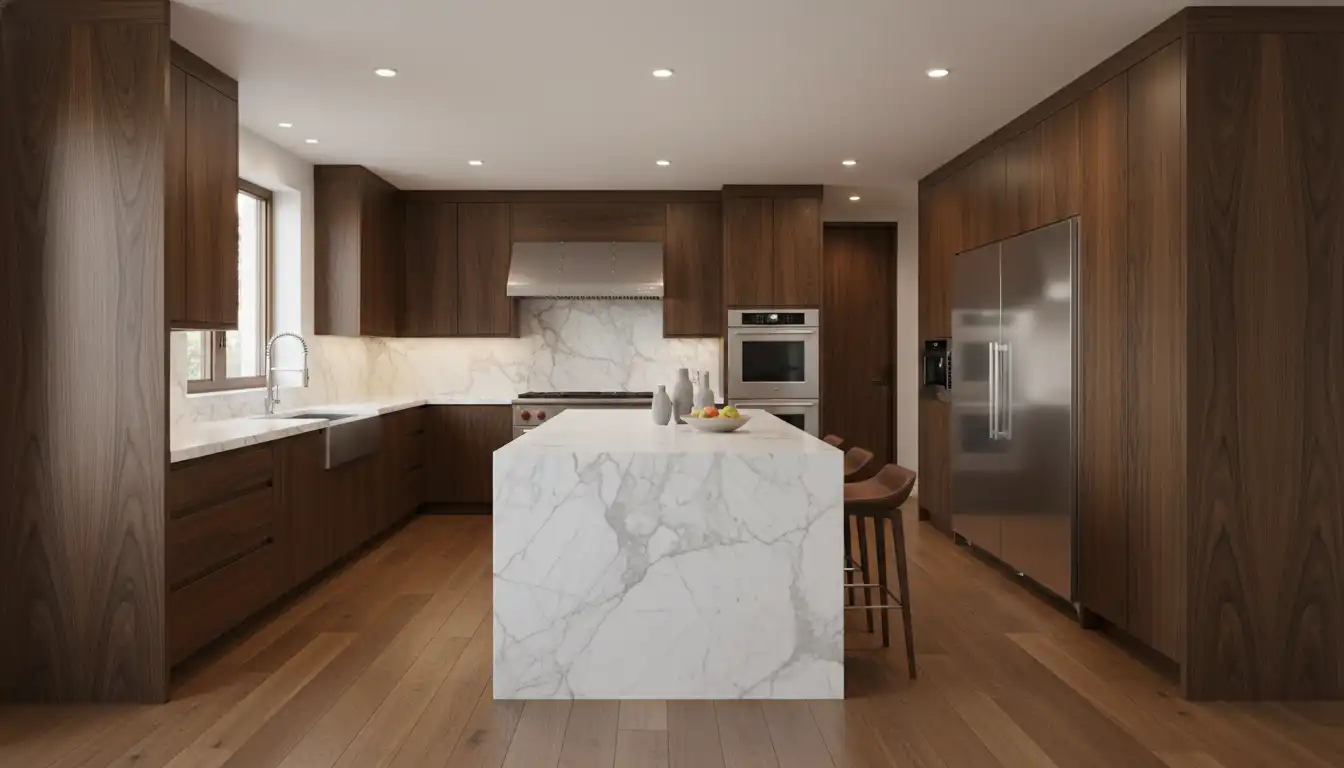
The most frequent praise for Elmwood revolves around three key areas: impeccable finish, solid construction, and limitless customization. Homeowners consistently report that the factory finish is flawless and durable, holding up beautifully over years of use. The quality of the construction is another major positive, with many noting the heft and stability of the cabinets and the smooth, reliable operation of drawers and doors, often attributed to the high-end Blum and Hettich hardware used.
Perhaps the biggest draw for many is the brand’s ability to deliver on complex custom requests. Designers revere Elmwood for its capacity to bring a unique vision to life, whether it’s a custom-matched paint color, a one-of-a-kind door style, or cabinetry built to fit unconventional spaces. This flexibility is what elevates a kitchen from a standard remodel to a truly personalized space.
The Problems: Common Complaints and Criticisms
No brand is without its critics, and the issues reported with Elmwood are as consistent as the praise. The most significant complaint is the high cost, which places the brand squarely in the luxury tier. This is often followed by concerns about long lead times, which can be a source of frustration during a renovation timeline.
Some reviews also mention challenges with customer service, noting that responsiveness can be slow, especially when resolving issues. It’s crucial to understand that your primary point of contact is the local dealer, not Elmwood directly. Therefore, the quality of your dealer can significantly impact your overall experience, from design accuracy to problem resolution.
Cost vs. Value: Are Elmwood Cabinets a Worthwhile Investment?
The sticker shock associated with Elmwood cabinets is undeniable. It’s essential to understand that you aren’t just paying for wooden boxes; you are investing in a comprehensive package of design, materials, craftsmanship, and customization. The price reflects the skilled labor of artisans, the quality of premium-grade materials, and a manufacturing process that prioritizes precision over mass production.
When comparing costs, it’s a mistake to pit Elmwood against semi-custom or stock options from big-box retailers. A more accurate comparison is with other high-end custom manufacturers. In this context, Elmwood is often found to be competitively priced while offering a superior range of finishes and customization options.
The Long-Term Value Proposition
The true value of Elmwood cabinets is realized over the long term. Their durable construction and timeless finishes mean they are less likely to require replacement, representing a lasting investment in your home. High-quality custom cabinetry is also a significant factor in a home’s resale value, often seen by potential buyers as a mark of a well-maintained and thoughtfully upgraded property.
Beyond monetary value, there is the daily experience of living with the product. Well-designed, functional, and beautiful cabinetry enhances your daily life, transforming the kitchen from a purely utilitarian space into the true heart of the home. This intangible value is a crucial part of the investment equation.
The Elmwood Installation Process: What to Expect and How to Prepare
Even the world’s finest cabinets can be compromised by a poor installation. Elmwood’s model relies on a network of authorized dealers who are responsible for the design, ordering, and often the installation. This makes your choice of a dealer the single most important decision in the entire process. A great dealer acts as your trusted partner and advocate.
Proper preparation before the cabinets arrive is also key to a smooth process. This includes ensuring the room is ready and understanding the steps involved from delivery to the final walkthrough. Knowing what to expect can alleviate stress and prevent costly delays during this critical phase of your renovation.
Finding the Right Dealer and Installer
Start by vetting potential dealers thoroughly. Look for established businesses with strong portfolios and positive client testimonials. A good designer will not just sell you cabinets; they will listen to your needs, understand your space, and provide thoughtful solutions. Ask potential dealers about their installation team: are they in-house employees or subcontractors? In-house teams often provide a more seamless and accountable experience.
Before committing, ask for references and be sure to call them. Inquire about their experience with the dealer’s design accuracy, communication, and how any issues were handled. This due diligence is crucial for a successful project.
Preparing Your Home for Cabinet Delivery and Installation
Once your order is placed, the work at home begins. The installation space must be completely ready before the delivery date. This includes completing any demolition, drywall work, and ensuring the walls are properly prepared and primed. For guidance on wall preparation, consider resources that can help you select the right materials, such as finding a perfect primer coupon code to manage project costs.
Ensure that all plumbing and electrical rough-ins are in their final positions according to the cabinet plan. On delivery day, have a clear path for the delivery team and a safe, dry space to store the cabinets. Inspect each box for shipping damage before signing off on the delivery.
Post-Installation: Care and Maintenance
Protecting your investment continues long after the installers leave. Elmwood provides care guides for their various finishes, and following them is essential. Generally, this involves cleaning surfaces with a soft, damp cloth and a mild, non-abrasive soap. Avoid harsh chemical cleaners, waxes, or silicone-based polishes, as they can damage the finish over time.
Caring for high-quality wood cabinetry shares principles with maintaining other fine furnishings. Just as you would carefully treat premium furniture, such as pieces made from kuliwood and leather Ashley furniture, your cabinets require gentle care to preserve their beauty. Promptly wipe up spills, especially those involving liquids or acidic foods, to prevent staining and damage.
Elmwood Alternatives: How Do They Stack Up?
For diligent homeowners, comparing Elmwood to other brands in the same luxury custom category is a vital step. Companies like Wood-Mode (though recently facing business challenges), Plain & Fancy, and Crystal Cabinet Works are often considered direct competitors. Each of these brands has its own unique strengths and specializations.
When comparing, look beyond price alone. Consider the breadth of their door styles, the uniqueness of their finish offerings, and their manufacturing lead times. Some brands may specialize in traditional inset cabinetry, while others might excel in high-gloss European-style frameless designs. Your specific aesthetic goals will heavily influence which brand is the best fit for your project.
Final Verdict: Are Elmwood Cabinets the Right Choice for Your Home?
Elmwood Cabinets are not for everyone. They represent a significant financial investment and are best suited for homeowners undertaking a high-end renovation where customization, craftsmanship, and long-term quality are the primary decision-making drivers. If your priority is achieving a specific, personalized design with premium materials and a flawless finish, Elmwood is an excellent choice.
The ideal Elmwood customer is someone who values the art of cabinetmaking and is willing to invest in a product that will serve as a central, lasting feature of their home. They understand the importance of working with a skilled designer and are prepared for a process that prioritizes quality over speed. Just as curb appeal is enhanced by a beautiful landscape, like a yard brightened by forsythia front yard plantings, the interior appeal of your home is profoundly shaped by the quality of its core components.
