Electrolux Spin Only: The Secret to Perfectly Dry Clothes?
There are few laundry frustrations greater than opening your washing machine to find a load of soaking wet clothes. The wash cycle is finished, but your garments are far too saturated to go into the dryer. Running another full wash cycle seems wasteful, but what other choice is there?
This common problem has a simple solution: the Electrolux spin only cycle. Often labeled as “Drain & Spin,” this powerful function is designed to rescue your waterlogged laundry, saving you time, energy, and the headache of sopping wet clothes.
You'll Learn About
What is the Electrolux “Spin Only” Cycle and Why You Need It
Understanding this feature is the first step toward mastering your laundry routine. It’s more than just a button; it’s a specialized tool for specific laundry challenges. Knowing when and how to use it can make a significant difference in the care of your clothes and the efficiency of your machine.
More Than Just Spinning: The “Drain & Spin” Function Explained
The “Drain & Spin” cycle is a two-part process. First, the machine activates the drain pump to remove any standing water from the drum. This is crucial if a cycle was interrupted or failed to drain properly.
Once the excess water is gone, the machine begins a high-speed spin. This uses centrifugal force to wring out the remaining moisture absorbed by the fabric, preparing your clothes for the dryer.
Common Scenarios for Using a Spin-Only Cycle
This cycle is your go-to solution in several situations. If a power outage interrupts a wash, your clothes will be left sitting in water. Hand-washed delicates that are too fragile for a full wash cycle can be gently spun to remove excess water before air-drying.
Most frequently, you’ll use it when a regular wash cycle finishes, but the clothes are still mysteriously wet. This indicates an underlying issue that prevented the final spin from working correctly.
A Step-by-Step Guide: How to Activate “Spin Only” on Your Electrolux
Activating the spin-only feature on most Electrolux models is straightforward. While the exact button layout may vary, the general process is consistent. Mastering this simple sequence puts you in control of your machine’s capabilities.
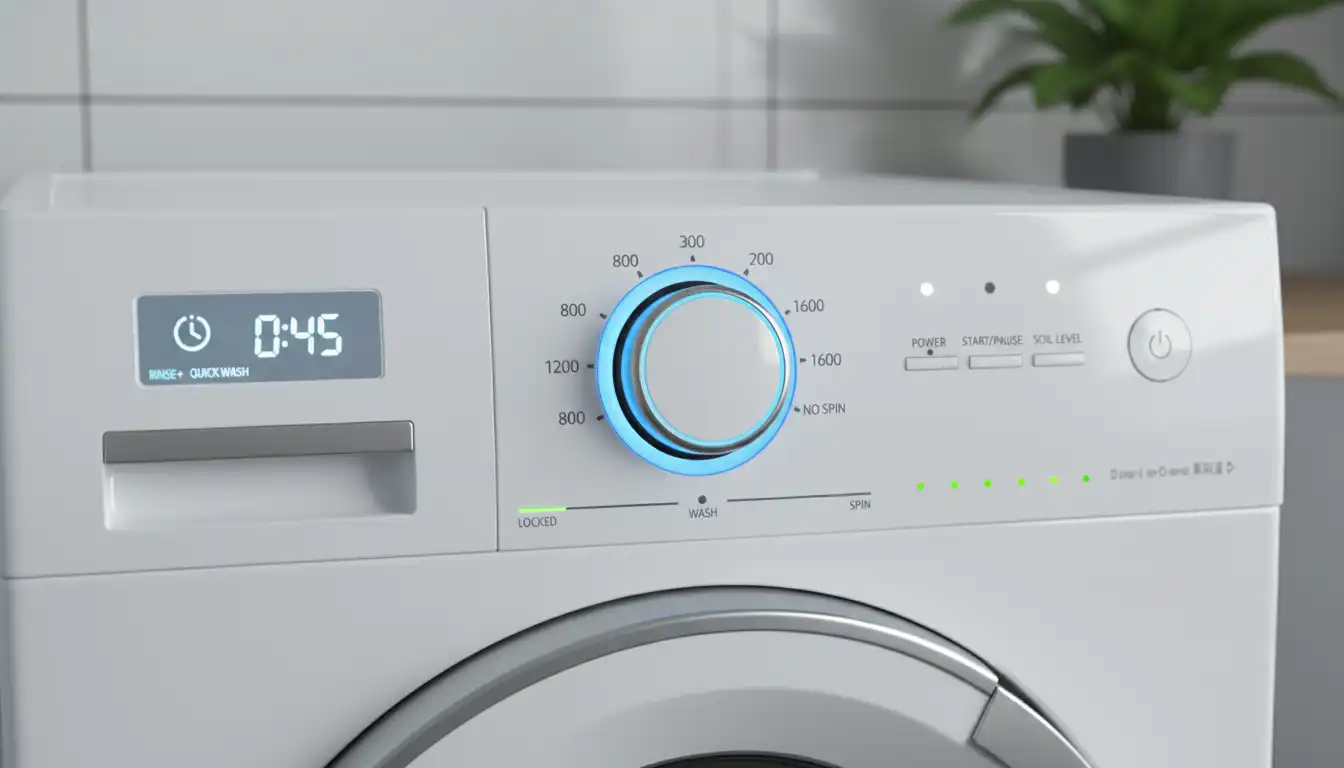
First, ensure the washing machine is powered on. Then, turn the cycle selector dial or press the cycle button until you land on “Drain & Spin” or “Rinse & Spin.” If you select “Rinse & Spin,” you may need to press an “Options” or “Extra Rinse” button to de-select the rinse portion, leaving only the spin. Finally, press the “Start” button to begin the cycle.
Troubleshooting: Why Your Electrolux Washer Won’t Spin
When a spin cycle fails, it’s often not a sign of a catastrophic machine failure. Your Electrolux washer is an intelligent appliance with built-in sensors to protect itself from damage. Understanding what these sensors are looking for is the key to solving the problem.
The Most Common Culprit: An Unbalanced Load
By far, the most frequent cause of a failed spin is an unbalanced load. If you wash a single heavy item, like a bathmat or a pillow, it can throw the drum off-balance. The same happens when clothes, like sheets or jeans, get tangled into a large, heavy ball.
Your washer’s sensors detect this imbalance and will stop or slow the spin cycle to prevent violent shaking that could damage the machine’s components. The solution is simple: pause the cycle, open the door, and manually redistribute the clothes more evenly around the drum. For single heavy items, add a few towels to help balance the load.
The Hidden Saboteur: A Clogged Drain Pump Filter
If the washer cannot drain water effectively, it will not proceed to the high-speed spin. A small filter, usually located behind a panel on the bottom-front of the machine, catches lint, coins, and other debris. If this filter becomes clogged, water gets trapped in the drum.
To fix this, place a shallow pan and a towel under the filter door, as some water will spill out. Carefully unscrew the filter cap, remove any debris, and rinse the filter under running water before screwing it back in securely.
Is the Door Securely Latched?
For safety, an Electrolux washer will not spin if the door latch is not fully engaged. An audible click should be heard when you close the door. If the machine doesn’t start the spin cycle, give the door a firm push to ensure it’s properly locked.
A faulty door lock assembly can also be the culprit. If the machine repeatedly fails to recognize that the door is closed, the lock mechanism may need to be replaced. This is a common point of failure and a critical safety feature.
Choosing the Wrong Cycle for Your Fabric
Not all cycles are created equal. Settings like “Delicate” or “Hand Wash” are programmed with a much slower spin speed to protect fragile fabrics. If you use one of these cycles for durable items like towels, they will come out much wetter than expected.
Always ensure you’ve selected a cycle appropriate for the type of fabric you are washing. For most loads, “Normal” or “Heavy Duty” will use a higher spin speed, resulting in drier clothes.
Advanced Solutions for Persistent Spin Cycle Failures
If you’ve checked for unbalanced loads, cleaned the filter, and confirmed the door is shut, but the problem persists, it may be time to look at more technical causes. While some of these issues may require professional help, understanding them can help you diagnose the problem.
| Symptom | Possible Cause | DIY Solution | When to Call a Pro |
|---|---|---|---|
| Washer makes no sound or attempt to spin. | Faulty Door Latch or Control Board | Perform a hard reset by unplugging the washer for 5 minutes. | If reset fails and door latch is confirmed working. |
| You can hear the motor running, but the drum doesn’t turn. | Broken or Slipped Drive Belt | Unplug the washer and remove the back panel to visually inspect the belt. | If the belt needs replacement or if the motor pulley is damaged. |
| Washer drains but spin is very slow and clothes are soaked. | Worn Motor Brushes or Faulty Motor Control Board | None. This requires technical diagnosis. | Immediately. These are complex electrical components. |
| Loud grinding or squealing noise during spin attempts. | Worn Drum Bearings | None. This is a major mechanical failure. | Immediately. Continuing to use the machine can cause further damage. |
Resetting Your Electrolux Washer’s Control Board
Sometimes, the washer’s electronic brain can experience a glitch. A simple way to resolve this is to perform a hard reset. Unplug the washing machine from the power outlet and wait for five minutes.
This allows the internal capacitors to discharge and clears any temporary errors from the control board’s memory. Plug the washer back in and try running a “Drain & Spin” cycle again.
Inspecting the Drive Belt and Motor
For those comfortable with home repairs, a visual inspection of the drive belt can be revealing. After unplugging the machine, remove the rear access panel. The drive belt connects the motor to the large drum pulley.
If the belt has slipped off, you may be able to put it back on. If it is frayed, cracked, or broken, it will need to be replaced. This is often a sign of another issue, such as worn bearings causing excessive vibration.
Proactive Care: Ensuring a Perfect Spin Every Time
The best way to deal with spin cycle problems is to prevent them from happening in the first place. Adopting good laundry habits and performing regular maintenance can ensure your Electrolux washer operates efficiently for years, delivering perfectly spun clothes with every wash.
The Art of Loading: Beyond Just Tossing Clothes In
Properly loading the washer is the single most effective way to prevent imbalance issues. Always mix large and small items to help the load distribute evenly during the cycle. Avoid washing single, heavy items alone.
Gently place items into the drum, creating a balanced load from the start. Don’t wrap clothes around each other or pack them in too tightly, as this prevents them from moving freely and settling into a balanced position.
The Unseen Factor: Water Hardness and Fabric Weight
An often-overlooked factor in laundry performance is water quality. Hard water contains high levels of dissolved minerals like calcium and magnesium. These minerals can build up in fabrics over time, making them stiff and heavier than they should be, especially when wet.
This added, uneven weight can contribute to balancing issues. Understanding your home’s water quality can be a game-changer for your appliances. For those considering a whole-home solution, exploring a Maytag water treatment system might offer insights into long-term benefits.
Regular Maintenance is Non-Negotiable
Your washing machine works hard and requires routine care to stay in peak condition. Once a month, clean the drain pump filter to prevent clogs. It’s also wise to run a “Clean Washer” cycle to eliminate soap scum and mildew buildup.
Just as you’d perform maintenance on a powerful machine like a Honda HS828 snowblower to ensure it works when you need it most, your washer requires regular care. This proactive approach prevents small issues from becoming major repairs.
Ultimately, the “Spin Only” cycle is a powerful feature in your laundry arsenal. By understanding how to use it and how to troubleshoot common spin failures, you can easily handle the challenge of overly wet clothes. Whether you’re tackling laundry challenges or planning a custom home project that requires precisely MDF cut to size, understanding your tools and materials is key. With these tips, you are now equipped to keep your Electrolux washer running smoothly and your laundry perfectly prepared for the dryer.
Conclusion
Mastering the “Drain & Spin” setting transforms a laundry mishap into a minor pause rather than a day-long ordeal. By utilizing this specialized cycle, you bypass the unnecessary water usage of a full re-wash while protecting your dryer from the strain of oversaturated fabrics.
Whether you’re dealing with a heavy load of towels that didn’t quite finish or a delicate hand-washed item that needs a quick mechanical assist, this feature is your machine’s most efficient tool. Understanding these quick-fix settings ensures your Electrolux works for you, keeping your laundry routine seamless and your clothes ready for the heat in record time.