
Stop! Your Earth Angel Rose is Begging for This in a Container
That stunning, peony-like bloom with an intoxicating scent you fell in love with? The Earth Angel rose is a true garden treasure. But confining its vigorous spirit to a container introduces a unique set of challenges that can leave even experienced gardeners frustrated. Many find their potted Earth Angel producing smaller, less frequent blooms, lackluster foliage, or worse, succumbing to stress and disease.
The core problem isn’t the rose itself—it’s a fundamental misunderstanding of its needs when removed from the stable environment of the earth. In a container, you become the sole provider of every single nutrient, every drop of water, and the very structure its roots depend on. This shift from garden to pot creates a high-stakes environment where small mistakes lead to big problems.
This guide will illuminate the precise path to achieving a breathtakingly beautiful and healthy Earth Angel rose in a container. We will move beyond generic advice and delve into the specific, actionable strategies this particular floribunda needs to not just survive, but to truly flourish. Prepare to transform your patio, deck, or balcony into a showcase for this heavenly rose.
You'll Learn About
Choosing the Right Foundation: Container and Soil
The success of your container-grown Earth Angel begins long before the plant is even potted. The container itself is the entire world for your rose, and the soil is its lifeblood. Getting these two elements right is non-negotiable for vibrant growth and prolific blooms.
The Ideal Container: More Than Just a Pretty Pot
While aesthetics are important, function is paramount. The single most critical feature of any container for a rose is drainage. Without adequate drainage holes, water will pool at the bottom, leading to the dreaded root rot, a fatal condition for roses. Ensure your chosen pot has multiple, large drainage holes.
Size is the next crucial factor. Floribunda roses like Earth Angel need ample room for their root systems to expand. A container that is too small will quickly become root-bound, stunting the plant’s growth and bloom production. Aim for a pot that is at least 18-20 inches in diameter and just as deep. Materials like glazed ceramic or heavy fiberglass are excellent choices as they retain moisture better than porous terracotta and provide stability against wind.
Crafting the Perfect Soil Blend
Bagged potting soil is a good start, but creating a custom blend will elevate your results. Roses are heavy feeders and require a medium that is both rich in nutrients and exceptionally well-draining. Never use garden soil in a container; it is too dense, compacts easily, and drains poorly, which can suffocate the roots.
A superior mix for your Earth Angel rose consists of three key components: high-quality potting soil, organic matter, and drainage enhancers. A reliable recipe is to combine two parts potting mix with one part compost or well-rotted manure. To this, add a cup of perlite or coarse sand to improve aeration and prevent the soil from becoming waterlogged. This blend provides the structure, nutrients, and drainage your rose needs to thrive.
The Art and Science of Watering Your Potted Rose
Watering is the most frequent and critical task in caring for a container-grown rose. Unlike roses in the ground, potted specimens have a limited reservoir of moisture and can dry out with surprising speed, especially during hot, sunny weather. The primary challenge is to provide consistent moisture without creating a waterlogged environment that invites disease.
Frequency and Technique Matter
The “how often” question depends entirely on your climate, the size of the container, and the time of year. Instead of adhering to a rigid schedule, check the soil daily by inserting your finger about two inches deep. If the soil feels dry at that depth, it’s time to water. During peak summer heat, you may need to water every day.
When you do water, do so thoroughly. The goal is to saturate the entire root ball until water flows freely from the drainage holes at the bottom of the pot. This ensures that all the roots have access to moisture and also helps to flush out any accumulated salts from fertilizers. Always water the soil directly and avoid wetting the foliage, as damp leaves can encourage fungal diseases like black spot and powdery mildew.
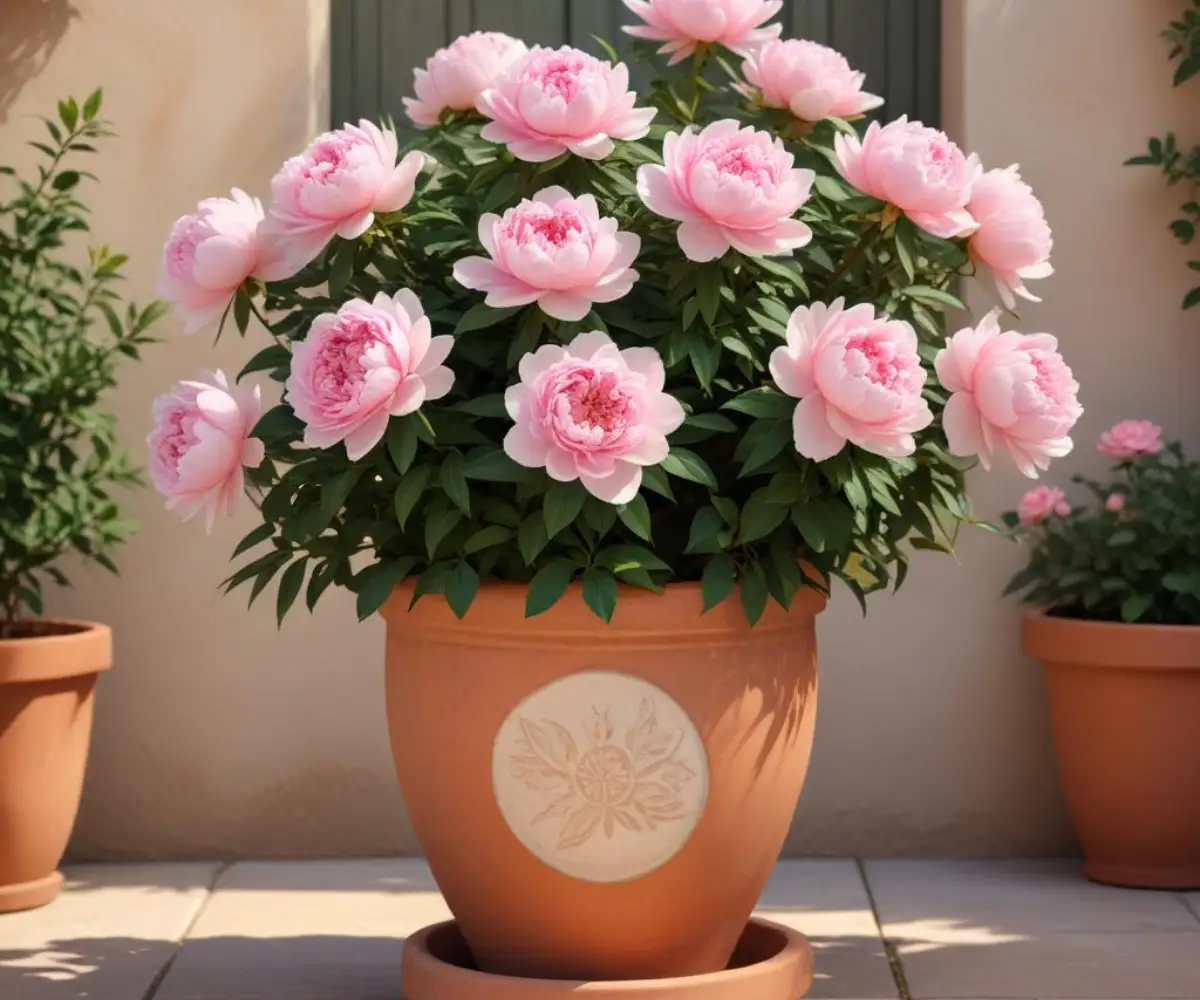
Avoiding the Extremes: Overwatering and Underwatering
Both overwatering and underwatering can cause significant stress to your Earth Angel rose. The signs of underwatering are obvious: wilting leaves and drooping stems. If you see this, provide a deep watering immediately. The plant should recover within a few hours.
Overwatering is more insidious. Its symptoms, such as yellowing leaves, can be mistaken for other issues. Consistently soggy soil deprives the roots of oxygen, leading to root rot. This is why excellent drainage is so crucial. If you suspect you’ve overwatered, allow the soil to dry out more than usual before watering again.
A Strategic Feeding Schedule for Abundant Blooms
Roses are notoriously heavy feeders, and this is even more true for those grown in containers. The limited volume of soil means that the plant will quickly deplete the available nutrients, which must be replenished regularly to support lush foliage and, most importantly, a continuous display of those magnificent, fragrant blooms.
Choosing the Right Fertilizer
A balanced, slow-release granular fertilizer formulated specifically for roses is an excellent foundation for your feeding regimen. This provides a steady supply of essential nutrients over time. Look for a product that contains a balanced N-P-K (Nitrogen-Phosphorus-Potassium) ratio, as well as essential micronutrients like magnesium and iron.
In addition to a granular fertilizer, supplementing with a liquid feed can provide an extra boost, especially during peak blooming periods. A water-soluble fertilizer, such as fish emulsion or a balanced liquid rose food, can be applied every two to four weeks during the growing season. This dual approach ensures your Earth Angel has everything it needs to perform its best.
Timing is Everything: The Annual Fertilizing Calendar
Begin fertilizing in early spring as new growth emerges. This is when you should apply your slow-release granular fertilizer, following the package instructions for container-grown plants. Continue with regular liquid feedings every few weeks from spring through late summer.
It is crucial to stop all fertilizing about six to eight weeks before your average first frost date. This signals to the plant that it’s time to start preparing for dormancy. Continuing to feed late into the season encourages tender new growth that will be easily damaged by cold weather.
Before applying any type of fertilizer, always water your rose thoroughly. Applying fertilizer to dry soil can burn the delicate roots. Think of it as giving the plant a drink before its meal.
Pruning for Health, Shape, and Prolific Flowering
Pruning is a vital practice that encourages a healthy, well-shaped bush and maximizes flower production. For the Earth Angel rose, with its tendency to produce heavy, peony-like flower clusters, proper pruning also ensures the canes are strong enough to support the magnificent blooms. Many gardeners feel intimidated by pruning, but a few simple principles will guide you to success.
The Annual Hard Prune
The most significant pruning of the year should be done in late winter or early spring, just as the buds begin to swell but before they leaf out. The primary goals of this prune are to remove dead or damaged wood, improve air circulation, and set the structure for the upcoming season. Start by removing any canes that are dead, damaged, or diseased (the three D’s).
Next, identify any canes that are crossing or rubbing against each other and remove one of them. The aim is to create an open, vase-like shape that allows light and air to penetrate the center of the plant. Finally, reduce the overall height of the remaining healthy canes by about one-third to one-half, making each cut at a 45-degree angle about a quarter-inch above an outward-facing bud.
Maintenance Pruning: Deadheading for Continuous Blooms
Deadheading, the practice of removing spent flowers, is the secret to keeping your Earth Angel blooming all season long. Once a flower or cluster of flowers begins to fade, don’t just snap off the old bloom. Follow the stem down to the first set of five leaflets and make a clean cut just above it. This encourages the plant to redirect its energy into producing new shoots and more flowers, rather than developing seeds.
Throughout the growing season, also keep an eye out for any weak, spindly growth and remove it. This ensures the plant’s resources are funneled into strong, healthy canes capable of producing high-quality blooms. Proper structural support is also key, especially on a deck where you might notice issues like a deck joist pulling away from the ledger, which could affect the stability of your heavy containers.
| What It’s Begging For | Why It Matters | What to Do (Container-Specific) |
|---|---|---|
| Proper Container Size | Roots need space to grow and breathe | Use a pot at least 15–20 inches wide & deep |
| Drainage Holes | Prevents root rot | Always choose a pot with multiple drainage holes |
| Quality Potting Mix | Garden soil is too dense | Use rose or high-quality potting mix, not yard soil |
| Full Sun | Roses need energy to bloom | Place where it gets 6–8 hours of direct sunlight daily |
| Regular Watering | Containers dry out fast | Water deeply when top 1–2 inches are dry |
| Balanced Fertilizer | Supports blooms and healthy growth | Feed every 2–4 weeks with rose fertilizer |
| Air Circulation | Prevents disease | Don’t crowd pots; allow airflow around leaves |
| Pruning | Encourages new blooms | Remove dead or weak stems regularly |
| Winter Protection (if cold) | Roots freeze faster in pots | Move container to shelter or insulate the pot |
| Love & Attention 💖 | Stress shows quickly in containers | Check leaves weekly for pests or stress |
Managing Pests and Diseases in a Container Environment
While the Earth Angel rose is known for its excellent disease resistance, growing any plant in a container can create a microenvironment that sometimes favors pests and diseases. The key to management is vigilance and proactive care. Good air circulation is your first line of defense, so avoid crowding your rose among too many other plants.
Common Culprits and Their Solutions
Aphids are small, sap-sucking insects that tend to cluster on new growth and flower buds. A strong jet of water from a hose can often dislodge them. For more persistent infestations, insecticidal soap is an effective, low-impact solution. Spider mites, another common pest in hot, dry conditions, can be identified by fine webbing on the undersides of leaves. They can also be controlled with insecticidal soap or neem oil.
The most common fungal disease affecting roses is black spot, which presents as dark, circular spots on the leaves, eventually causing them to yellow and drop. To prevent it, always water at the base of the plant and avoid wet foliage, especially overnight. If you see signs of black spot, remove and destroy the affected leaves immediately. A fungicide formulated for roses can be used for severe cases. The aesthetic of your garden can also be considered; perhaps a container painted in a color like Sherwin Williams Wedgewood Gray could complement the pink blooms beautifully.
Winterizing Your Potted Earth Angel Rose
Proper winter care is essential for the long-term survival of your container-grown Earth Angel rose, as potted plants are far more vulnerable to cold than their in-ground counterparts. The roots lack the insulation provided by the surrounding earth and can easily freeze and die if left exposed to harsh winter temperatures.
Preparing for Dormancy
As autumn approaches and temperatures begin to drop, your rose will naturally start to slow its growth. As mentioned in the fertilizing section, ceasing all feeding in late summer is the first step. You should also stop deadheading, which allows the plant to form rose hips and signals that the season is ending. Continue to water as needed, but reduce frequency as the weather cools.
Once the plant has experienced a few light frosts and has dropped most of its leaves, it is considered dormant. At this point, you can do a light “tidying up” prune, removing any remaining leaves and shortening any excessively long canes to prevent them from being whipped around by winter winds.
Providing Protection from the Cold
The goal of winterizing is not to keep the rose warm, but to keep it consistently cold and dormant. The most reliable method is to move the entire container into an unheated but protected space, such as a garage, shed, or basement. The temperature in this location should ideally remain between 34 and 40 degrees Fahrenheit.
Throughout the winter, the soil should not be allowed to dry out completely. Check the pot every few weeks and provide a small amount of water to keep the soil slightly moist. When all danger of a hard frost has passed in the spring, you can gradually reintroduce your rose to the outdoors, perform its annual hard prune, and prepare for another season of glorious blooms. Be mindful of your surroundings, as issues like a neighbor’s retaining wall falling on your property can impact where you safely store your plants.
Final Words
An Earth Angel rose grown in a container is more than just a plant—it’s a quiet reminder that beauty thrives when its needs are truly seen. With the right balance of sunlight, water, nourishment, and space, this rose responds generously, offering graceful blooms and steady growth.
When we listen to what it’s “begging for” and provide thoughtful care, the container becomes not a limitation, but a sanctuary. In return, the rose rewards us with elegance, resilience, and a living expression of love nurtured over time.
