
E71 Electrolux Error? Your Ultimate DIY Fix-It Guide Now
That sinking feeling when your trusty Electrolux appliance flashes an “E71” error code is a common frustration. A load of laundry might be sitting cold and wet, or your dryer may refuse to start, disrupting the entire flow of your household. This unexpected halt in your daily routine can be more than just an inconvenience; it can be a source of significant stress.
The E71 error code is a signal from your machine that something is amiss, specifically with its ability to correctly sense the temperature. Understanding the root cause is the first step toward reclaiming control over your appliance and your day. This guide will walk you through everything you need to know to diagnose and resolve this common issue.
You'll Learn About
Decoding the E71 Error: What Your Appliance Is Telling You
When your Electrolux washing machine or dryer displays the E71 error, it’s indicating a fault with the temperature sensor circuit. This sensor, often called an NTC sensor or thermistor, plays a crucial role in your appliance’s operation by monitoring water or air temperature. The machine’s main control board relies on this information to regulate heating cycles and ensure your clothes are washed or dried effectively and safely.
An E71 error signifies that the control board is receiving an incorrect reading or no reading at all from this sensor. This could be due to an open circuit, a short circuit, or resistance values that are outside the expected range. Essentially, the communication link between the sensor and the brain of the appliance has been broken or distorted.
Common Culprits Behind the E71 Fault
Several factors can trigger an E71 error code, ranging from simple connection issues to component failure. One of the most frequent causes is a faulty temperature sensor itself. Over time, these sensors can degrade or fail, leading to inaccurate readings that the control board interprets as an error.
Another common issue is compromised wiring. The wires connecting the temperature sensor to the main control board can become loose, corroded, or damaged, interrupting the signal. In some less common instances, the problem might not be with the sensor or the wiring but with the main control board itself, which may be unable to correctly process the signals it receives.
A Step-by-Step Guide to Fixing the E71 Error
Before you pick up the phone to call a repair technician, there are several troubleshooting steps you can take to potentially solve the E71 error yourself. This DIY approach can save you both time and money. Always remember to unplug your appliance from the power source before beginning any inspection or repair work to ensure your safety.
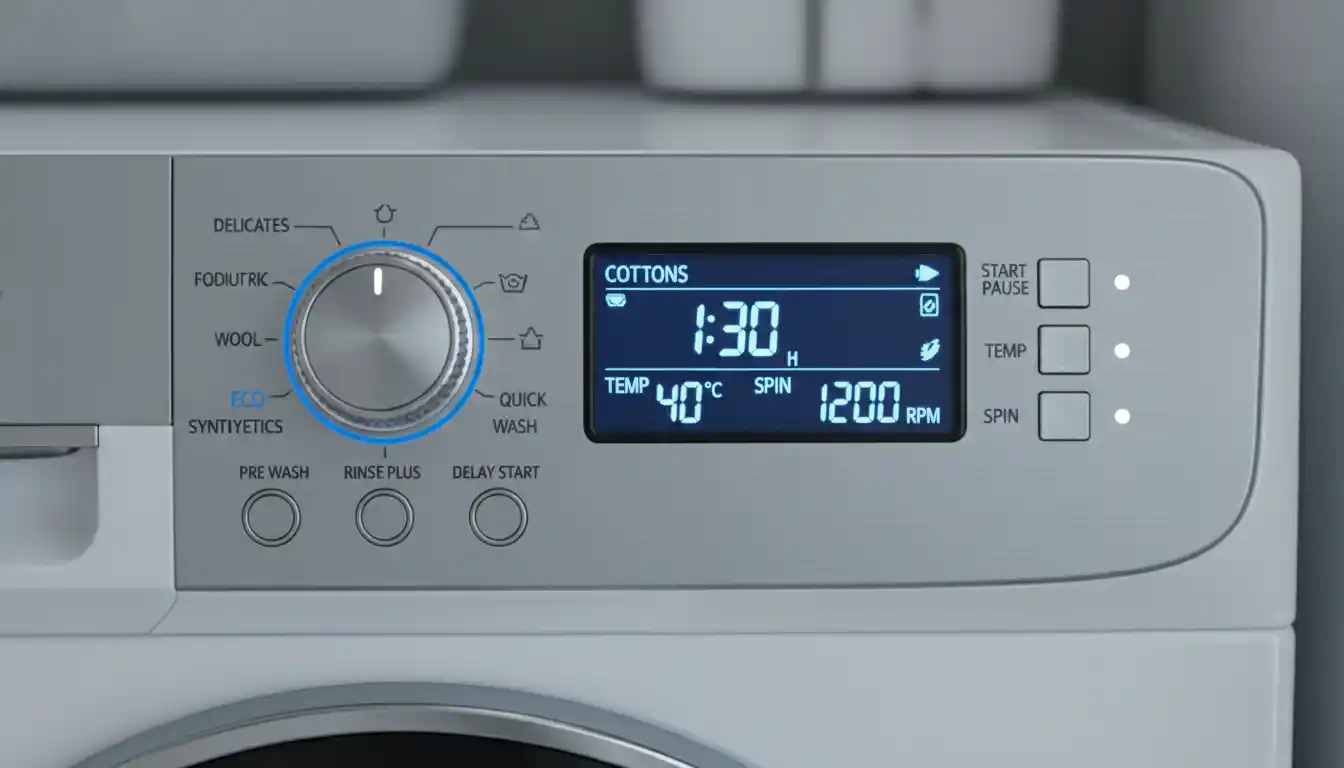
Initial Checks and Simple Resets
Sometimes, the simplest solution is the most effective. A temporary glitch in the appliance’s electronic brain can occasionally trigger a false error code. A power reset is the first thing you should try. Unplug the machine from the wall outlet, wait for about five to ten minutes to allow the internal capacitors to fully discharge, and then plug it back in. This can often clear the error and restore normal function.
If a simple power cycle doesn’t resolve the issue, the next step is to visually inspect the wiring connected to the temperature sensor. You may need to consult your appliance’s user manual to locate the sensor, which is typically found near the heating element. Look for any loose connections, signs of corrosion on the connectors, or any visible damage to the wires.
Inspecting and Testing the Temperature Sensor
If the wiring appears to be secure and in good condition, the temperature sensor itself is the next component to examine. To properly test the sensor, you will need a multimeter, a tool used to measure electrical resistance (ohms). Disconnect the sensor from its wiring harness and set your multimeter to the ohms setting.
At room temperature (around 70°F or 21°C), a functional NTC sensor in an Electrolux washing machine should typically have a resistance reading between 5,000 and 6,500 ohms (5-6.5 kΩ). For a dryer, the reading should be around 5,000 ohms. If your reading is significantly outside this range, or if the meter shows an open circuit (infinite resistance) or a short circuit (zero resistance), the sensor is likely faulty and will need to be replaced. Taking a moment to ensure your flooring is stable, as uneven surfaces can sometimes cause issues, is a good idea. If you notice your vinyl plank flooring seams not flush, it might be a sign of a larger leveling problem that could affect appliance stability.
| Appliance | Component to Check | Expected Resistance (at Room Temp) | Common Symptoms of Failure |
|---|---|---|---|
| Washing Machine | NTC Water Temperature Sensor | 5.7 kΩ – 6.3 kΩ | Water not heating, cycle stopping mid-wash |
| Dryer | Outlet Thermistor | ~5.0 kΩ | Dryer not heating, overheating, stopping mid-cycle |
| Wiring Harness | Connections at Sensor & Control Board | Should have continuity (low resistance) | Intermittent errors, no signal from sensor |
| Main Control Board | Sensor Circuit | Requires professional diagnosis | Persistent E71 error after replacing sensor and checking wires |
Replacing a Faulty Temperature Sensor
Replacing the temperature sensor is a relatively straightforward task for most DIY enthusiasts. Once you have sourced the correct replacement part for your specific Electrolux model, you will need to gain access to the old sensor. This usually involves removing a rear or top panel of the appliance.
The sensor is typically held in place by a small clip or screw. Carefully remove the old sensor, ensuring you don’t damage the surrounding components. Insert the new sensor, secure it in place, and reconnect the wiring harness. Once everything is reassembled, you can plug the appliance back in and run a test cycle to see if the E71 error has been resolved.
When to Call a Professional for Help
If you have performed all the troubleshooting steps outlined above—including checking the wiring and replacing the temperature sensor—and the E71 error persists, the problem may lie with the main control board. Diagnosing and replacing a control board is a more complex and expensive repair that is often best left to a qualified appliance technician.
Attempting to repair the control board yourself without the proper knowledge and tools can lead to further damage to your appliance. A professional has the diagnostic equipment to accurately determine if the board is the source of the issue and can ensure the correct replacement is installed safely. While thinking about home maintenance, consider other areas that might need attention. For instance, knowing how to seal garage floor edges can prevent moisture damage and improve the longevity of your garage floor.
Understanding Repair Costs
The cost of repairing an E71 error can vary significantly depending on whether you do it yourself or hire a professional. A replacement temperature sensor is typically an affordable part, often costing between $20 and $50. If you perform the replacement yourself, this will be your only major expense, aside from the potential cost of a multimeter if you don’t already own one.
Hiring a professional will involve labor costs in addition to the price of the part. You can expect to pay a service fee for the technician’s visit and diagnosis, followed by an hourly rate for the repair itself. A professional repair for an E71 error could range from $150 to $300 or more, especially if the main control board needs to be replaced.
Preventative Measures and Long-Term Care
While component failure can sometimes be unavoidable, regular maintenance can help extend the life of your Electrolux appliance and prevent future errors. For washing machines, regularly cleaning the filter and running occasional cleaning cycles with a washing machine cleaner can prevent buildup that might affect sensor performance.
For dryers, it is crucial to clean the lint filter after every single use and to have the dryer vent cleaned professionally at least once a year. A clogged vent can cause heat to build up, which can put stress on components like the temperature sensor. As you consider overall home comfort, you might also be exploring options for noise reduction. Understanding the differences between materials like in a Thermafiber vs Rockwool soundproofing comparison can help you make informed decisions for a quieter home environment.
The Importance of a Stable Environment
The environment where your appliance operates can also play a role in its longevity. Power surges can damage sensitive electronic components like the main control board. Using a surge protector for your major appliances can provide an added layer of protection against electrical fluctuations.
Furthermore, ensuring your laundry room has adequate ventilation can help prevent issues related to moisture and humidity, which can sometimes contribute to the corrosion of electrical connections over time. A well-maintained and stable operating environment is key to getting the most out of your Electrolux appliances.
