
Dumping Grass Clippings in Woods: A Huge Mistake & What to Do
You’ve just finished mowing the lawn. You’re left with a massive pile of fresh, green grass clippings. The woods at the edge of your property seem like the perfect, out-of-the-way spot to dump them. It’s natural, right? It will just decompose. This common assumption is a significant, and potentially costly, mistake.
Dumping grass clippings might seem like a harmless, quick fix, but it sets off a chain reaction of negative consequences. These impacts can damage the local ecosystem, create hazards on your property, and even lead to legal trouble. Understanding these hidden dangers is the first step toward adopting better, smarter, and more beneficial practices for your yard and the environment.
You'll Learn About
Why Dumping Grass Clippings in the Woods is a Major Problem
That seemingly innocent pile of green waste is far from benign. When concentrated in one area, grass clippings create an unnatural and damaging environment. They disrupt the delicate balance of the forest floor, which has evolved over centuries to manage its own organic matter.
It Smothers Native Plants and Invites Invasive Species
A thick layer of wet grass clippings is like a suffocating blanket. It mats down, blocking sunlight and oxygen from reaching the native wildflowers, ferns, and mosses on the forest floor. These essential groundcover plants die off, leaving bare, vulnerable soil behind.
This bare patch becomes a perfect opportunity for aggressive, invasive weeds to take hold. These invaders can out-compete native species, reduce biodiversity, and alter the habitat for local wildlife that depends on the original plants for food and shelter.
It Disrupts the Forest Ecosystem’s Delicate Balance
Grass clippings are extremely high in nitrogen. While nitrogen is a fertilizer, dumping it in large quantities is like force-feeding the forest. This sudden nitrogen overload can be toxic to the soil’s microbial communities, which are crucial for a healthy ecosystem.
Excess nitrogen also doesn’t stay put. Rainwater washes these concentrated nutrients into nearby streams, ponds, and groundwater. This runoff contributes to algal blooms that deplete oxygen in the water, harming fish and other aquatic life—a serious environmental consequence.
It Creates a Fire Hazard and Attracts Pests
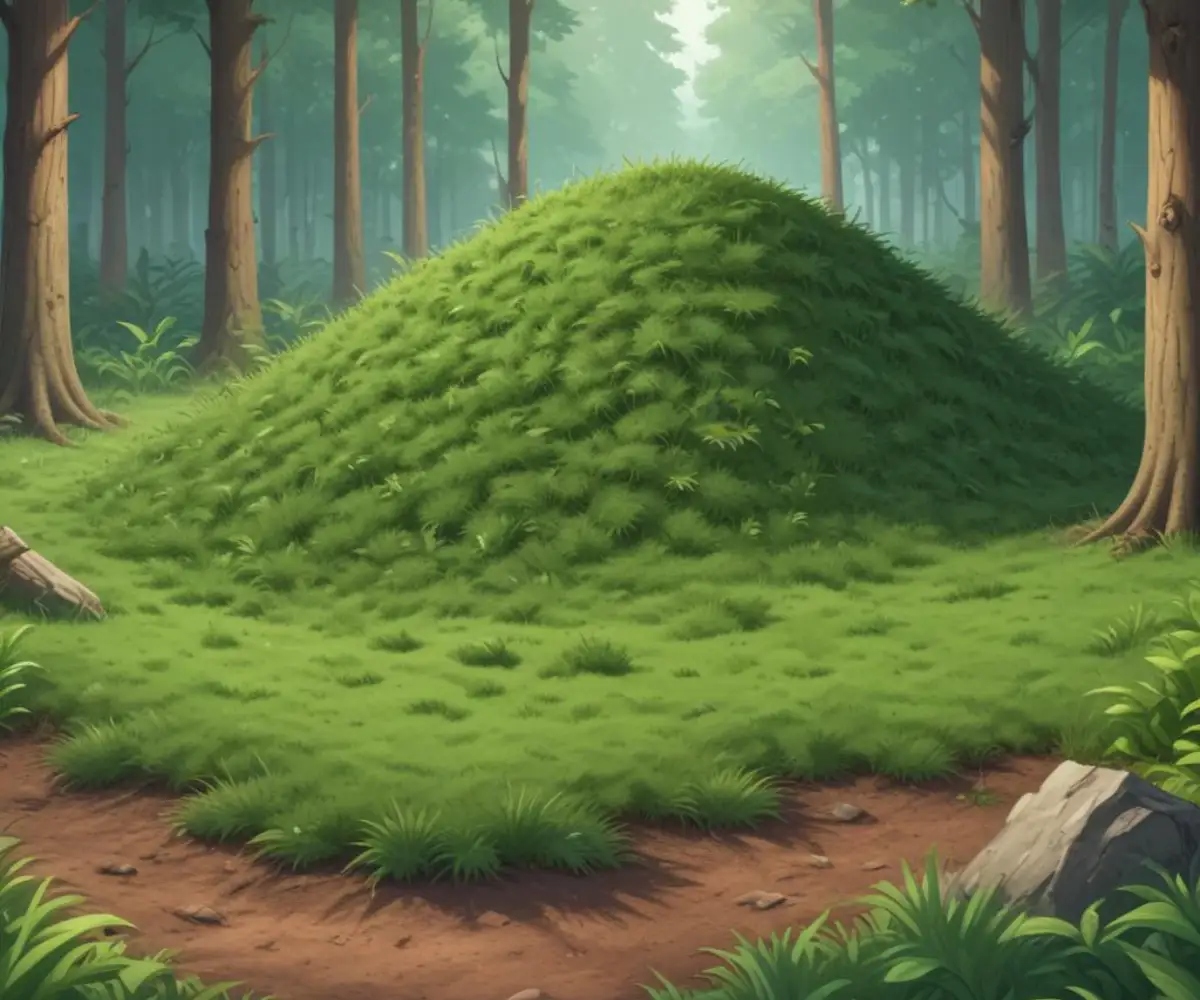
While initially wet, a large pile of grass clippings will eventually dry out, especially the outer layers. This pile of fine, dry organic material becomes potent fuel for a wildfire. In dry, windy conditions, a stray spark can ignite a grass pile, leading to a fire that can quickly spread through the woods.
Furthermore, the decomposition process generates heat, making the pile an attractive shelter for pests. Rodents, snakes, and unwanted insects are drawn to the warmth and cover of a clippings pile. This can create a pest problem right at the edge of your property.
Legal and Neighborly Consequences
Many municipalities and local governments have specific ordinances against yard waste dumping. This practice is often legally considered illegal dumping, which can result in significant fines. What you see as a convenient solution could be viewed by authorities as a punishable offense.
Dumping can also lead to disputes with neighbors. If the pile is near a property line, it can be an eyesore, create odors as it decomposes, or attract pests that then venture into their yard. Maintaining good community relations means being responsible with your waste.
Smarter, Greener Alternatives to Dumping
The good news is that grass clippings are a valuable resource, not waste. By handling them correctly, you can improve the health of your lawn and garden while protecting the environment. Here are the best alternatives to dumping.
Grasscycling: The Easiest Solution for Your Lawn
The simplest and most beneficial method is “grasscycling.” This just means leaving the clippings on your lawn after you mow. These small clippings fall between the blades of grass and decompose quickly, releasing valuable nutrients back into the soil.
Grasscycling acts as a natural fertilizer, reducing the need for chemical treatments. It also helps the soil retain moisture, making your lawn more resilient to drought. For the best results, mow when the grass is dry and avoid cutting more than one-third of the grass blade at a time.
Mastering the Art of Home Composting
Composting is the ultimate way to recycle your yard and kitchen waste into “black gold” for your garden. A compost pile or bin turns organic matter into a rich soil amendment that can dramatically improve your garden’s productivity. It’s a fantastic way to handle large volumes of clippings.
To create a healthy compost pile, you need a balance of “greens” (like grass clippings) and “browns” (like dry leaves, twigs, or cardboard). Aim for a ratio of about one part green material to two parts brown material. This prevents the clippings from becoming a slimy, smelly mess and creates a balanced, nutrient-rich final product. Transporting batches of clippings to your compost bin is much simpler with the right equipment. Keeping your tools organized with solutions like Gorilla Cart storage ensures you’re always ready for yard work.
Using Grass Clippings as Natural Mulch
You can also use grass clippings as a free and effective mulch in your vegetable garden, flower beds, and around trees. A thin layer of dried clippings helps suppress weeds, retain soil moisture, and regulate soil temperature. This protects your plants and reduces your watering chores.
The key is to apply the clippings in thin layers (no more than 1-2 inches deep) and to let them dry out a bit first. Applying a thick, wet layer can create a water-repellent barrier and may lead to mold growth. Reapply as the old layer decomposes.
| Disposal Method | Effort Level | Cost | Environmental Impact | Key Benefit |
|---|---|---|---|---|
| Dumping in Woods | Low | Free (potential fines) | Very Negative | None |
| Grasscycling | Very Low | Free | Positive | Natural lawn fertilizer |
| Composting | Medium | Low (for bin) | Very Positive | Creates rich garden soil |
| Mulching | Low | Free | Positive | Suppresses weeds & retains moisture |
| Municipal Pickup | Low | Varies | Neutral to Positive | Responsible disposal of excess |
Exploring Municipal Yard Waste Programs
If you have more clippings than you can use, check with your local municipality. Most towns and cities offer yard waste collection services or have designated drop-off sites. These programs are designed to turn community yard waste into compost or mulch on a large scale.
This is a responsible and easy way to dispose of any excess. A quick search on your town’s public works website will provide the details you need about schedules, acceptable containers, and locations.
Frequently Asked Questions About Grass Clipping Disposal
Many homeowners have similar questions about what to do with their lawn clippings. Getting the right information can help you avoid common mistakes and make the best choice for your yard.
Are “wet” grass clippings bad for a compost pile?
Wet grass clippings can be a problem if they are the only thing in your compost. They tend to compact into a dense, airless mat that slows down decomposition and creates a foul odor. The solution is to mix them thoroughly with “brown” materials like dried leaves or shredded paper, which create air pockets and provide a carbon source.
Will leaving clippings on my lawn cause thatch buildup?
This is a persistent myth. Grass clippings are about 85% water and decompose very quickly. They do not contribute to thatch buildup. Thatch is actually a layer of slow-to-decompose grass stems and roots that accumulates just above the soil line, often caused by over-fertilizing or improper watering.
Can I dump grass clippings in a ditch?
Dumping clippings in a ditch is just as harmful as dumping them in the woods. They can clog the drainage system, which can cause water to back up and lead to localized flooding. Just as you want to prevent water issues from a driveway downspout disaster, you must keep drainage ditches clear. Furthermore, the nutrients will still wash into the water system and cause pollution.
What if I have too many clippings to handle?
If your lawn produces an overwhelming amount of clippings, consider mowing more frequently. This results in shorter clippings that are easier for your lawn to reabsorb. You can also alternate between grasscycling one week and bagging the next to use for mulch or compost, preventing a single, massive pileup.
The damp, decaying environment of a clippings pile attracts pests, a problem that mirrors how excess moisture inside a home can lead to bigger issues. Preventing unwanted moisture and decay is a key principle of home maintenance, whether in the yard or dealing with something like a washer and dryer in a flooded basement.
A Better Lawn, A Healthier Environment
That pile of grass clippings isn’t a problem to be discarded; it’s an opportunity to be utilized. Moving away from the harmful practice of dumping in the woods is a crucial step for any responsible homeowner. The alternatives are not only better for the environment but also directly benefit the health and beauty of your own property.
By choosing to grasscycle, compost, or mulch, you are feeding your lawn and garden, saving money on fertilizers, and conserving water. Make the switch to responsible yard care practices today. Your lawn, your local ecosystem, and your community will thank you.
