Drooping Spruce Tree? Revive Your Evergreen With These Pro Tips
The stately spruce tree, with its iconic pyramidal shape and rich, evergreen needles, is a cornerstone of many landscapes. When its branches, once reaching proudly towards the sky, begin to sag and droop, it’s a cause for serious concern. This drooping is often a visual cue, a sign that your tree is under stress and needs immediate attention.
Understanding the root cause of the problem is the first step toward a solution. From simple thirst to complex diseases, the reasons for a drooping spruce are varied, but nearly all can be addressed with the right knowledge and a bit of care. This guide will walk you through diagnosing the issue and provide actionable steps to bring your spruce back to its former glory.
You'll Learn About
Is a Drooping Spruce Always a Bad Sign? Understanding “Weeping” Varieties
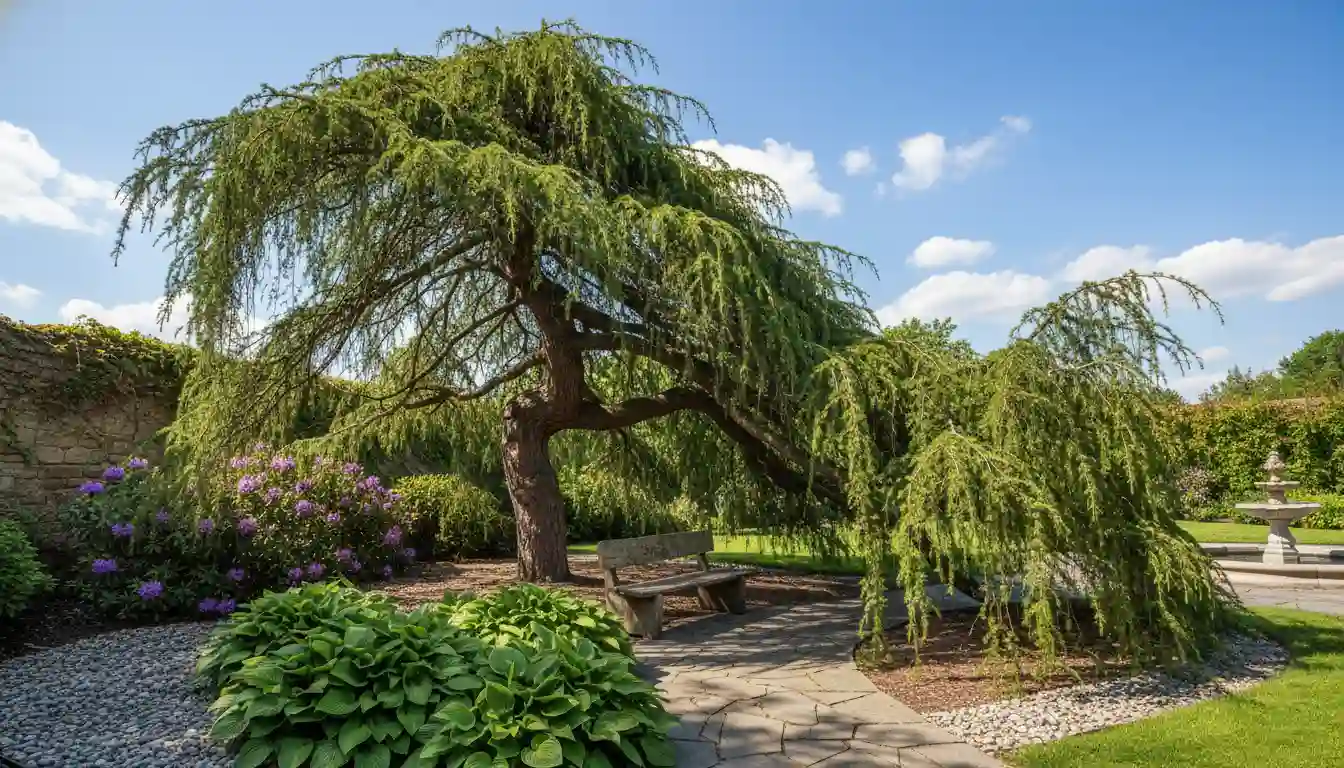
Before sounding the alarm, it’s crucial to identify your spruce variety. Some cultivars are naturally pendulous, meaning their branches are genetically programmed to hang downwards. These “weeping” varieties are prized for their graceful, cascading forms and are not showing signs of distress.
Famous examples include the Weeping Norway Spruce (Picea abies ‘Pendula’) and the Weeping White Spruce (Picea glauca ‘Pendula’). These trees have a distinct, flowing habit that is quite different from the sudden, unhealthy sagging of a typically upright spruce. If your tree has always had a drooping nature and continues to produce healthy new growth, you likely have one of these beautiful weeping types.
Distinguishing Healthy Weeping from Unhealthy Drooping
A healthy weeping spruce will have flexible branches and vibrant, well-hydrated needles. The overall appearance, while drooping, should look intentional and elegant. In contrast, a spruce that is drooping due to stress will often have brittle branches, discolored needles (yellow, brown, or purplish), and a generally unwell appearance.
If your tree is not a weeping variety and has recently started to droop, it’s time to play detective. The following sections will cover the most common culprits that cause a healthy spruce to sag.
Diagnosing the Droop: Common Causes of Unhealthy Spruce Trees
When a non-weeping spruce starts to droop, it’s a clear signal that something is wrong. The cause can range from environmental stress to pests or disease. A careful inspection of the tree and its surroundings is key to an accurate diagnosis.
Water Woes: Too Much or Too Little?
Improper watering is one of the most frequent causes of a drooping spruce. Both overwatering and underwatering can lead to significant stress and visible symptoms in the tree’s branches and needles.
Underwatering is a common issue, especially during dry spells or in well-drained, sandy soils. When a spruce doesn’t receive enough water, its needles will begin to dry out, turning brown or purplish, and the branches will lose their turgidity and start to sag. Drought stress makes the tree more vulnerable to other problems, including pests and diseases.
Conversely, overwatering or poorly drained soil can be just as damaging. Excess water suffocates the roots, depriving them of oxygen and leading to root rot. As the root system fails, it can no longer absorb water and nutrients, causing the needles to turn yellow and the branches to droop, eventually leading to the death of the tree.
Nutrient Deficiencies: Is Your Spruce Starving?
Spruce trees, like all plants, require a balance of essential nutrients to thrive. A deficiency in key minerals can manifest as discolored needles and weakened, drooping branches. Symptoms often vary depending on which nutrient is lacking.
For example, a nitrogen deficiency often results in a general yellowing of the needles, starting with the older ones. A magnesium or potassium deficiency can cause yellowing or browning along the margins of the needles. Identifying the specific deficiency often requires a soil test for an accurate diagnosis.
To help you identify potential issues, the following table outlines the symptoms of common nutrient deficiencies in spruce trees.
| Nutrient | Common Symptoms | Typical Location on Tree |
|---|---|---|
| Nitrogen (N) | Uniform yellowing of needles, stunted growth. | Older, inner needles first. |
| Phosphorus (P) | Needles may appear purplish or dark green, poor growth. | Often seen in younger trees. |
| Potassium (K) | Yellowing or browning on the tips and margins of needles. | Older needles are affected first. |
| Magnesium (Mg) | Yellow tips on older needles, while the base remains green. | Older, lower branches. |
| Manganese (Mn) | Yellowing of new needles while older needles remain green. | New growth at the top of the tree. |
Pest Infestations: Unseen Enemies Weakening Your Tree
A variety of insect pests can attack spruce trees, causing damage that leads to drooping branches. These pests weaken the tree by feeding on its sap, needles, or woody tissues.
Spruce spider mites are tiny pests that are difficult to see with the naked eye, but their damage is noticeable. They cause needles to become yellow and mottled. A severe infestation can lead to needle drop and a weakened appearance. You might notice fine webbing between the needles.
Spruce budworms are caterpillars that feed on new growth in the spring, causing the tips of branches to curl and droop. Other damaging pests include gall adelgids, which create pineapple-shaped galls on the tips of new shoots, and white pine weevils, whose larvae burrow into the tree’s leader, causing it to wilt and die, forming a characteristic “shepherd’s crook”.
Disease Dilemmas: Fungal and Bacterial Threats
Fungal diseases are a major cause of decline in spruce trees, particularly in humid climates or poorly-sited trees with inadequate air circulation. These diseases can cause needle drop, cankers, and branch dieback, all of which contribute to a drooping appearance.
Rhizosphaera needle cast is a common fungal disease that causes older needles to turn purplish-brown and fall off, typically starting on the lower branches and moving up the tree. This leaves the inner branches bare and gives the tree a thin, sickly look.
Cytospora canker is another destructive fungal disease that primarily affects older, stressed trees. It creates cankers on branches that girdle them, cutting off the flow of water and nutrients. This causes the affected branches to die, with needles turning brown and drooping before eventually falling off. A key sign of Cytospora canker is the presence of white, sappy resin oozing from the cankers on the bark.
Environmental Stress: The Impact of Location and Climate
The overall health of a spruce is deeply connected to its environment. Stressors like improper planting, soil compaction, and harsh weather can all lead to drooping branches.
Transplant shock is a common period of stress a tree undergoes after being moved. The tree’s root system is significantly reduced during transplanting, making it difficult to absorb enough water to support its foliage, leading to wilting and drooping. It can take a tree several years to fully recover.
Winter injury, or desiccation, occurs when dry winter winds pull moisture from the needles while the ground is frozen, preventing the roots from replacing it. This can cause needles to turn brown and branches to droop, with damage often most severe on the side of the tree exposed to wind and sun.
The Ultimate Spruce Revival Plan: A Step-by-Step Guide
Once you have identified the likely cause of your drooping spruce, you can begin to implement a recovery plan. The following steps provide a comprehensive approach to restoring your tree’s health and vigor.
Step 1: The Ultimate Watering Strategy for Perfect Hydration
Proper watering is the foundation of spruce tree health. The goal is to provide deep, infrequent watering that encourages a strong, extensive root system. A good rule of thumb is to provide about one inch of water per week, either from rainfall or supplemental irrigation.
Use a soaker hose or drip irrigation system placed around the tree’s drip line (the area directly under the outermost branches). This delivers water slowly and directly to the root zone, minimizing evaporation. Let the water run for a few hours to ensure the soil is moistened to a depth of 12-18 inches. Avoid frequent, shallow watering, which encourages a weak root system.
Step 2: Fertilizing and Amending the Soil for Peak Health
Healthy soil is the key to a healthy tree. If a soil test has revealed a nutrient deficiency, apply a slow-release fertilizer formulated for evergreen trees in the early spring. Follow the package directions carefully to avoid over-fertilizing, which can burn the roots.
Beyond simple fertilizers, focus on building a living soil. Applying a 2-4 inch layer of organic mulch, like wood chips or pine needles, around the base of the tree (but not touching the trunk) helps conserve moisture, moderate soil temperature, and adds organic matter as it breaks down. This fosters a healthy soil microbiome, including beneficial mycorrhizal fungi that form a symbiotic relationship with the spruce roots, dramatically improving their ability to absorb water and nutrients.
Step 3: Effective Pest and Disease Management
Managing pests and diseases often requires targeted treatments. For spider mites, a strong spray of water can dislodge them, or you can apply horticultural oil during the dormant season. For fungal diseases like Rhizosphaera needle cast, fungicide applications in the spring as new needles are emerging can be effective. These treatments protect the new growth from infection.
For Cytospora canker, there is no effective chemical treatment. Management focuses on improving tree vigor and sanitation. Pruning is the primary method of control. Preparing your spruce for winter is as crucial as knowing essential maintenance for your seasonal equipment, like figuring out where is the gas shut off valve on craftsman snowblower before the first storm hits.
Step 4: Proper Pruning to Remove Damage and Encourage Growth
Pruning is essential for removing dead, diseased, or damaged branches, which improves the tree’s appearance and health. This also increases air circulation through the canopy, which can help prevent fungal diseases.
When pruning diseased branches, such as those with Cytospora canker, make your cuts well back into healthy wood. It’s important to disinfect your pruning tools between each cut with a solution of 1 part bleach to 9 parts water to avoid spreading the disease. Just as you need a precise guide like an ikea hinge drilling template for home projects, your pruning cuts need to be just as accurate for the tree’s health.
Avoid pruning in wet weather, as this can encourage the spread of fungal spores. The best time to prune is during dry periods in late winter or early summer.
Proactive Care: Preventing a Drooping Spruce in the Future
The best way to deal with a drooping spruce is to prevent it from happening in the first place. Proactive care and smart planting decisions can save you a lot of trouble down the road.
Selecting the Right Spruce for Your Zone
Choose a spruce species that is well-suited to your local climate and soil conditions. For instance, Colorado blue spruce often struggles in hot, humid climates and is more susceptible to diseases like Cytospora canker and Rhizosphaera needle cast when planted outside its native range. Norway spruce and white spruce are often more resilient alternatives in many regions.
The Importance of Proper Planting Techniques
When planting a new spruce, ensure the hole is two to three times wider than the root ball but no deeper. Planting a tree too deep is a common mistake that can lead to root problems. Backfill the hole with the native soil, and water thoroughly to settle the soil and eliminate air pockets.
Annual Health Check-ups for Your Evergreen
Regularly inspect your spruce trees for early signs of trouble. Check for discolored needles, unusual growths, insect activity, or oozing resin. Catching problems early makes them much easier to manage. Keeping a watchful eye helps you understand what is normal for your tree and what might be a symptom of a new issue. Some pests can coat branches in a way that looks almost as uniform as a set of pristine white dishes that dont scratch, but their presence signals significant damage.
A Healthy Spruce for a Stunning Landscape
A drooping spruce tree is a cry for help. By carefully observing the symptoms and understanding the underlying causes—whether it’s thirst, hunger, pests, or disease—you can take decisive action. A thoughtful approach that combines proper watering, soil health management, and targeted treatments can revive a struggling tree.
With consistent care and proactive monitoring, your spruce can overcome its current distress. The reward for your efforts will be a magnificent, healthy evergreen that stands as a beautiful and enduring feature in your home and garden for years to come.