
Double Hung Window Over Kitchen Sink: Your Complete Success Guide
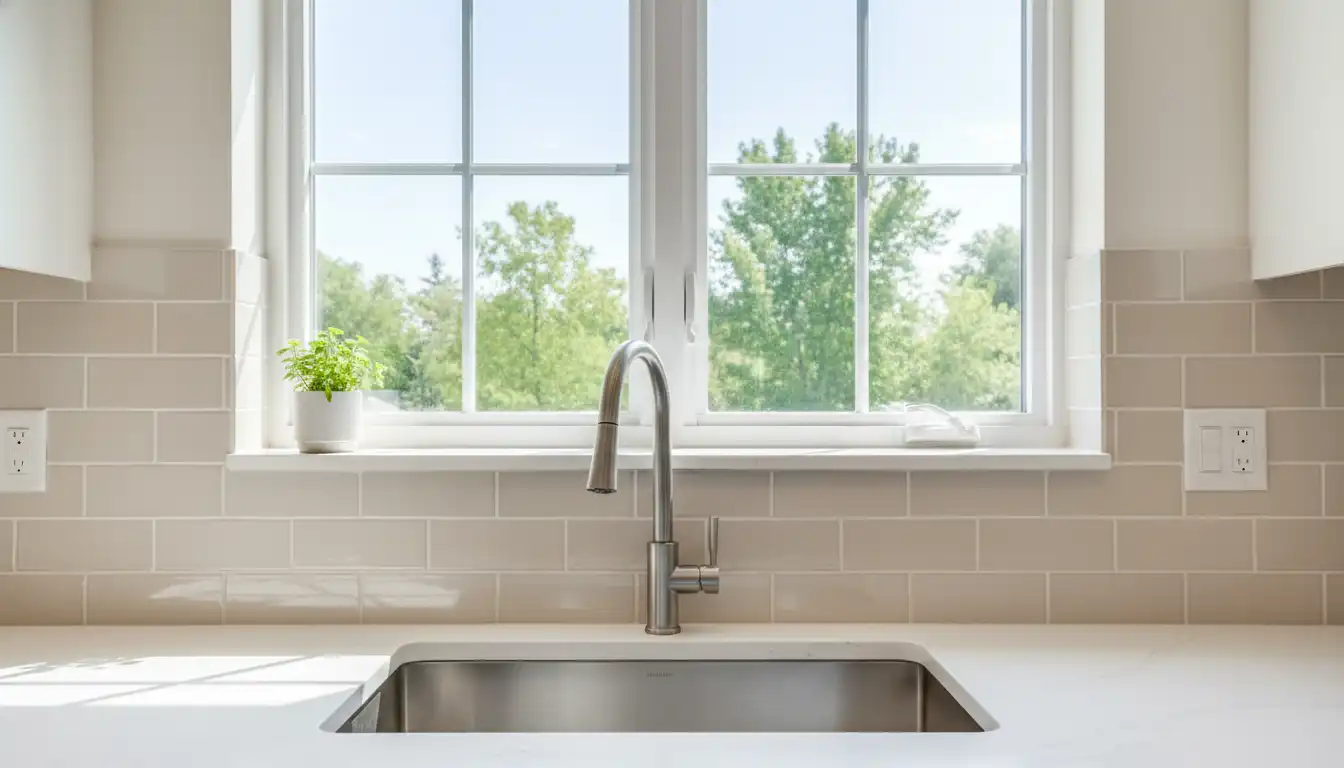
The double-hung window over a kitchen sink is a timeless look, evoking images of bright, airy spaces filled with natural light. It’s a classic for a reason. Yet, this traditional choice comes with a surprising number of practical challenges that can turn this charming feature into a daily frustration.
From the awkward reach to open it to the constant battle against water damage, many homeowners find the reality doesn’t quite match the dream. This guide confronts these problems head-on, providing actionable solutions to ensure your kitchen window is as functional as it is beautiful.
You'll Learn About
Why This Classic Pairing Can Cause Modern Headaches
The vision of a double-hung window perfectly framing the view over a kitchen sink is a powerful one in home design. Its symmetrical lines and traditional appeal are undeniable. But in practice, the location presents a unique set of functional hurdles that often go unconsidered until it’s too late.
The core of the problem lies in accessibility and exposure. A standard countertop is about 25 inches deep, and a sink can add another 8-10 inches to that distance. This forces an uncomfortable and often difficult reach to operate a window that requires a direct lift or push, creating a daily point of friction in one of the home’s most-used areas.
The Awkward Reach: A Daily Operational Challenge
The most immediate problem homeowners face is simply opening and closing the window. Leaning over a sink and countertop to unlock and slide a heavy sash requires awkward leverage. This is especially true for the top sash, which is often impossible to lower without climbing onto the counter.
This difficulty is more than a minor inconvenience; it discourages use. A window that is hard to open often remains closed, defeating its purpose of providing fresh air and ventilation right where cooking odors and steam accumulate.
Constant Splashes: The Threat of Water Damage
A window over the sink is in a perpetual splash zone. Daily dishwashing sends water, soap, and food particles onto the sill, frame, and glass. This constant moisture exposure is a serious threat, particularly for traditional wood windows.
Without proper material choices and sealing, this can lead to paint peeling, wood rot, and even mold growth. The area where the windowsill meets the countertop is especially vulnerable, creating a trap for moisture that can cause significant damage over time.
The Cleaning Conundrum
Cleaning the exterior of a window over the kitchen sink can be a daunting task, especially on the second floor. While many modern double-hung windows feature tilt-in sashes for easy cleaning, the ergonomics of tilting a heavy sash while leaning over a counter can still be challenging.
This often results in the exterior glass being neglected, leaving a pristine interior view marred by a dirty exterior. The goal of a crystal-clear view becomes much harder to maintain in this specific location.
Faucet and Hardware Interference
A detail often overlooked during the design phase is the potential conflict between the window and the kitchen faucet. High-arc or gooseneck faucets, popular for their functionality, can physically block the lower sash from opening or tilting inward.
Proper planning for 60 40 sink faucet placement is critical to avoid this frustrating conflict. The interaction between your sink, faucet, and window must be considered as a complete system to ensure every component functions without obstruction.
Mastering the Double Hung Window: Solutions for a Flawless Kitchen
Despite the challenges, a double-hung window over the kitchen sink can be a spectacular and practical feature with the right planning and material choices. By addressing the core problems of operation, water exposure, and maintenance head-on, you can create a setup that is both beautiful and highly functional.
The key is to make informed decisions before installation, focusing on modern features and materials designed to overcome the inherent drawbacks of this placement. A little foresight can prevent years of frustration.
Choose Materials Wisely: The First Line of Defense
The single most important decision you can make is the window’s material. While wood offers classic charm, it is the most susceptible to water damage. For the kitchen sink location, vinyl or fiberglass frames are vastly superior choices.
These materials are impervious to moisture, will not rot, warp, or peel, and require minimal maintenance. They provide the look of a traditional window with the durability needed to withstand the demanding kitchen environment. When considering paint for the surrounding walls, opting for a durable, scrubbable finish from a reputable brand can make all the difference in maintenance; a comparison of PPG vs Glidden can offer insights into which paint best suits a high-moisture area.
Demand Tilt-In Sashes: The Non-Negotiable Feature
For any double-hung window placed over a sink, tilt-in sashes are an absolute necessity. This feature allows both the top and bottom sashes to pivot inward, enabling you to clean the exterior glass safely and easily from inside your home.
This eliminates the need for ladders or awkward reaching from the outside. It single-handedly solves one of the biggest maintenance headaches associated with this window placement and ensures your view remains clear and beautiful.
Hardware and Operation Upgrades
Modern double-hung windows come with hardware options that can significantly improve ease of use. Look for low-profile sash locks that are easy to operate with a single hand. High-quality spring or balance systems will make the sashes feel lighter and slide more smoothly, reducing the effort needed to open and close them.
For ultimate convenience, some manufacturers offer hardware specifically designed for easier operation, which can make a world of difference when you’re reaching over a countertop. Don’t underestimate the impact of smooth, high-quality hardware on daily use.
Waterproof the Foundation: Sill and Countertop Integration
Protecting the area around the window from water is critical. Instead of a traditional wood windowsill, opt for a waterproof material that extends directly from the countertop into the window opening. Materials like quartz, granite, or solid surface are ideal.
This creates a seamless, water-tight transition with no grout lines or seams to trap moisture. Ensure the area is properly sealed with high-quality silicone caulk to prevent any water from seeping into the wall cavity below.
| Window Material | Pros | Cons | Best For |
|---|---|---|---|
| Vinyl | Waterproof, low maintenance, energy-efficient, affordable. | Limited color options, can be less aesthetically premium. | The most practical and worry-free choice for over a kitchen sink. |
| Fiberglass | Extremely durable, waterproof, can be painted, high energy efficiency. | Higher cost than vinyl. | A high-end, durable option that combines strength and style. |
| Wood | Classic aesthetic, can be painted or stained to match any decor. | Highly susceptible to water damage, requires regular maintenance. | Only suitable with extreme waterproofing measures and diligent upkeep. |
| Wood-Clad | Wood interior with a protective vinyl or aluminum exterior. | Still has a vulnerable wood interior, higher cost. | A good compromise for those who want a wood look without exterior maintenance. |
Exploring Alternatives: Other Windows That Shine Over the Sink
While a well-planned double-hung window can be successful, it’s worth exploring other styles that are naturally better suited for the over-the-sink location. Some window types are specifically designed for easy operation in hard-to-reach places, offering a more ergonomic solution without sacrificing light or ventilation.
Considering these alternatives can help you find the perfect balance of aesthetics, functionality, and ease of use for your kitchen’s specific layout and your personal preferences.
Casement Windows: The Effortless Operator
Casement windows are perhaps the best alternative for this location. They operate with a crank handle located at the bottom of the window, which is easy to reach and turn even when leaning over a sink.
When opened, the sash acts like a sail to catch and direct breezes into the kitchen, providing excellent ventilation. They also offer a completely unobstructed view, as there is no meeting rail in the middle. The only downside is ensuring the open sash doesn’t interfere with outdoor walkways.
Awning Windows: All-Weather Ventilation
Awning windows are hinged at the top and open outward from the bottom, also operated by a crank. Their primary advantage is that they can be left open even during a light rain, allowing for ventilation without letting water into the kitchen.
They are a great choice for adding airflow and light, often placed higher on the wall or used in combination with a larger picture window below to create a custom look.
Sliding Windows: Simple and Effective
Sliding windows, or sliders, operate horizontally on a track. They are simple to open with a sideways push, which can be easier than lifting a heavy double-hung sash from an awkward angle.
They offer a more contemporary look and provide a large, clear opening for ventilation. However, like double-hung windows, only half of the window can be open at any given time.
Creating a Cohesive Exterior Look
The window you choose for your kitchen sink doesn’t exist in a vacuum. It’s a key element of your home’s exterior facade, contributing to its overall curb appeal and architectural style. The decision should harmonize with your home’s existing aesthetic.
Coordinating window trim with other exterior features creates a polished, intentional design. For instance, the color and style of your window trim can be matched or contrasted with your gutter system. A home with thoughtfully chosen black gutters white downspouts can be beautifully complemented by black window frames, creating a striking and modern look.
The Final Decision: Is the Double-Hung Window Right for You?
A double-hung window over the kitchen sink remains a beloved design choice for good reason. Its classic proportions and excellent ventilation capabilities are hard to beat. The potential pitfalls of this placement—reach, water damage, and cleaning—are significant, but they are not insurmountable.
By choosing the right materials like vinyl or fiberglass, insisting on essential features like tilt-in sashes, and meticulously waterproofing the surrounding area, you can successfully mitigate the risks. With careful planning, you can enjoy the timeless beauty of this feature without compromising on modern convenience and durability, creating a bright and functional centerpiece for your kitchen.
