
Does Schluter Look Cheap? The Truth About Modern Tile Edging
You’re standing in your newly renovated bathroom, admiring the tile you painstakingly selected. But your eye catches on the edges—the thin metal or plastic strip finishing the corners and borders. Suddenly, a question creeps in: does that Schluter trim actually look cheap?
This concern is one of the most common dilemmas in modern home renovation. On one hand, tile edging profiles offer a clean, contemporary finish. On the other, there’s a lingering fear that it might cheapen the overall aesthetic you’ve invested so much in.
This article tackles that question head-on. We will explore why Schluter trim sometimes gets a bad reputation and, more importantly, how to use it to achieve a high-end, professionally designed look. The truth is, the trim itself isn’t the problem; it’s all in the selection and execution.
You'll Learn About
What Exactly Is Schluter Trim and Why Is It So Popular?
Before diving into aesthetics, it’s essential to understand what Schluter profiles are. Created by the German company Schluter-Systems, these trims are engineered profiles typically made from aluminum, stainless steel, brass, or PVC. Their primary function is to protect exposed tile edges from chipping and damage.
Functionally, they are a superior solution for finishing tile installations on walls, floors, countertops, and stairs. They offer durability, create smooth transitions between different surfaces, and can even eliminate the need for ongoing caulk maintenance in corners. Their popularity stems from this blend of practicality and clean, minimalist design potential.
Deconstructing the “Cheap” Argument: Why Schluter Sometimes Gets a Bad Rap
Despite its benefits, the perception that Schluter trim can look cheap isn’t entirely unfounded. However, this reputation is almost always due to misuse or misunderstanding of the product, not an inherent flaw in the material itself. Here are the primary culprits behind a “cheap” looking installation.
The Plastic Perception vs. Metal Reality
Many homeowners associate tile trim with the flimsy, plastic versions found in older, budget renovations. Schluter does offer PVC profiles, but their premium lines are crafted from high-quality metals like aluminum and stainless steel. When someone dismisses Schluter as “plastic,” they are often overlooking the durable and sleek metal options that define high-end installations.
The white PVC options, in particular, can sometimes look “plastic-y” if not paired with the right tile and design, leading to homeowner regret. Opting for a metal finish instantly elevates the look and feel, providing a crisp, solid edge that reads as intentional and sophisticated.
Installation Quality Is Everything
This is the single most important factor. A poor installation will make even the most expensive materials look cheap. With Schluter trim, sloppy cuts, uneven lines, and incorrect profile sizing are tell-tale signs of amateur work. The corners are especially critical; they require precise miter cuts to meet perfectly. Gaps, rough edges, or misaligned joints scream “DIY mistake” rather than “designer finish.”
Hiring an unskilled installer is a significant risk. For instance, relying on unqualified labor from platforms like Craigslist can lead to exactly these kinds of finishing errors. A true professional tile setter will ensure the trim is perfectly flush with the tile surface and that all joints are clean and tight. Discover the pitfalls of improper installation by learning about the risks of Craigslist tile work.
Mismatching Finishes and Design Styles
Schluter trim offers a modern, minimalist aesthetic. Forcing it into a rustic, traditional, or farmhouse design can create a visual clash. The clean, sharp lines of a metal profile may look out of place next to handmade, irregular tiles or in a space dominated by classic, rounded bullnose trim.
Furthermore, the choice of finish is crucial. A shiny chrome trim might look dated if not matched with other chrome fixtures, whereas a matte black or brushed nickel finish offers a more contemporary and subtle look. The key is to ensure the trim’s finish complements the faucets, showerhead, and other hardware for a cohesive design.
The Secret to a High-End Look: Making Schluter an Intentional Design Choice
So, how do you ensure your tile edging contributes to a luxurious feel? The solution lies in treating the trim not as an afterthought, but as an integral design element. When used with intention, Schluter profiles can elevate a project from good to stunning.
Choose the Right Profile for the Job
Schluter offers a wide range of profile shapes, and each serves a different aesthetic purpose. The most common are:
- Schluter-JOLLY: A discreet profile that creates a clean, square edge, perfect for minimalist designs.
- Schluter-RONDEC: Features a symmetrically rounded edge for a softer, more classic look.
- Schluter-QUADEC: A square-edged profile that creates a bold, clean line, often used in contemporary spaces.
- Schluter-FINEC: A very slim, elegant profile designed for protecting mitered edges or creating a minimalist finish.
Selecting the right shape is crucial. For a modern bathroom with large format tiles, a crisp QUADEC or subtle JOLLY profile is often the best choice. For a wall with more texture, a rounded RONDEC might provide a smoother transition.
Mastering the Finish: Coordination is Key
To achieve a high-end look, the Schluter trim finish must coordinate with other metallic elements in the room. If your shower fixtures and sink faucet are matte black, choosing a matte black Schluter trim creates a seamless, professionally designed appearance. This simple act of matching turns the trim from a functional necessity into a deliberate accent.
Consider the overall material palette. Brushed nickel offers a softer, more contemporary feel than polished chrome. Brushed brass can add a touch of warmth and luxury. Avoid generic silver or white finishes unless they specifically complement your design.
| Schluter Finish | Best Design Pairing | Key Consideration |
|---|---|---|
| Matte Black | Modern, Industrial, Farmhouse | Creates a bold, graphic contrast with light-colored tiles. Pairs excellently with black fixtures. |
| Brushed Nickel | Transitional, Contemporary | Offers a soft, sophisticated metallic look that hides water spots better than chrome. |
| Chrome | Contemporary, Classic | Provides a bright, reflective finish. Must be matched with other chrome hardware to avoid looking dated. |
| Brushed Brass/Gold | Art Deco, Modern Luxury | Adds warmth and a touch of glamour. Requires careful coordination with other warm-toned fixtures. |
| Bright White/Color-Coated | Minimalist, Monochromatic | Can blend seamlessly with white tile but runs the risk of looking like cheap plastic if not a high-quality finish. |
Precision Installation: A Non-Negotiable Factor
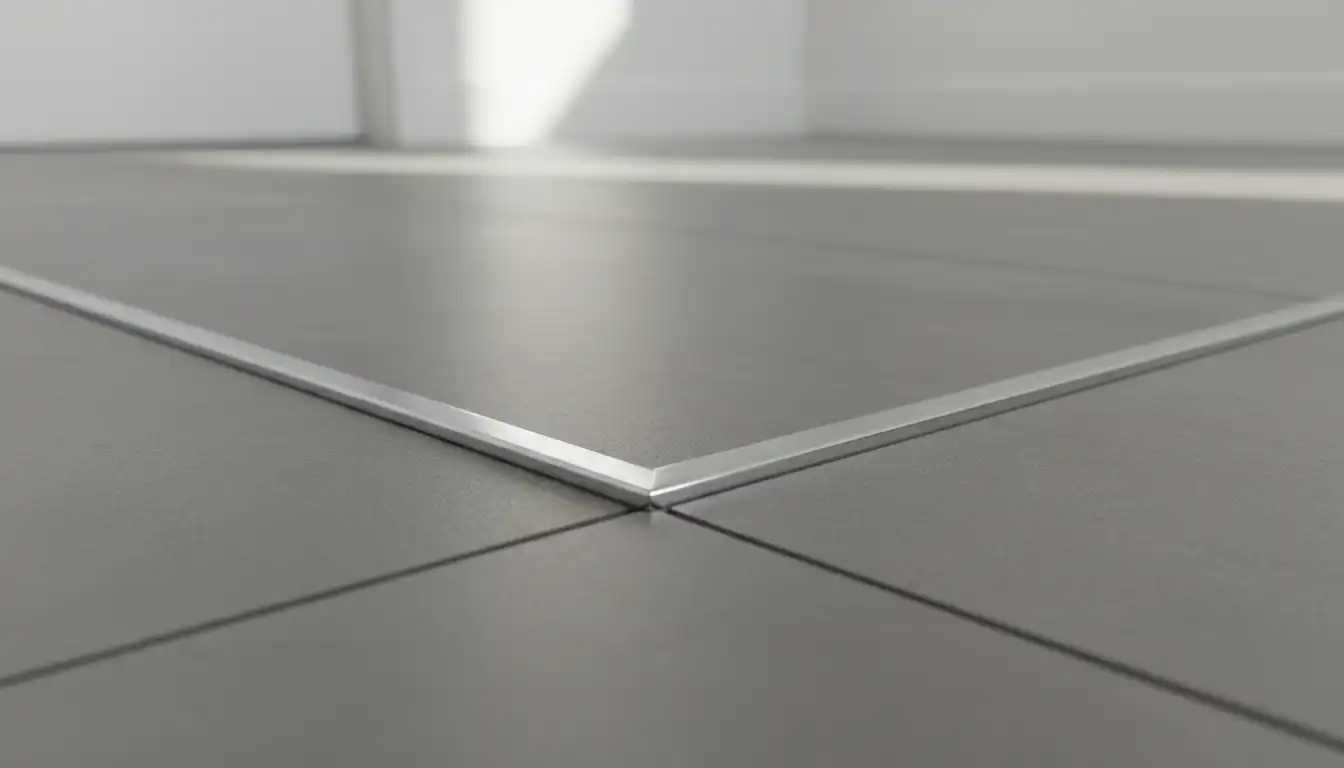
A flawless installation is what separates a cheap-looking job from a high-end one. The installer must use the correct sized profile for the tile thickness to ensure a flush surface. Corners must be perfectly mitered at a 45-degree angle to form a crisp, clean point.
A proper tile installation relies on a stable and waterproof substrate. Using a high-quality backer board system is foundational to a lasting and professional result. While Schluter’s own Kerdi-Board is a popular choice, understanding other options can be beneficial; consider exploring a Schluter Kerdi Board alternative to ensure the best foundation for your project.
Schluter vs. The Alternatives: An Honest Comparison
To truly understand Schluter’s place, it helps to compare it to other common edging methods. Each has its pros and cons, and the “best” choice often depends on the specific tile and desired style.
The Case for Bullnose Tile
Bullnose tiles feature a factory-finished, rounded edge and have long been the traditional way to finish a tile installation. They create a soft, seamless look where the edge trim is made of the same material as the tile itself. This is often preferred in classic or traditional designs.
However, bullnose has its downsides. Not all tile lines offer a matching bullnose piece, especially with newer large-format or artisan tiles. When they are available, they can be significantly more expensive and require skilled installation to look uniform.
The Case for a Mitered Edge
A mitered edge is created by cutting the two meeting tiles at a 45-degree angle, forming a sharp, seamless corner without any visible trim. This method provides an extremely clean, high-end look favored in luxury designs. It makes the tile appear as a solid, continuous block of material.
The drawback is that mitered edges are very labor-intensive and require a master tile setter, making them a costly option. The resulting edge is also very sharp and fragile, making it prone to chipping, especially in high-traffic areas.
The Dangers of a “Caulk-Only” Edge
Simply leaving a raw, cut tile edge and filling the gap with caulk is an unacceptable shortcut. It looks unprofessional and fails to protect the tile from chipping. It’s also a solution that will inevitably fail, as caulk will shrink, crack, and collect mildew over time. An exposed, caulked edge is a clear sign of poor workmanship, a problem detailed in discussions about why you should have no caulk between tub and tile as the primary seal.
The Final Verdict: A Tool for Modern Design, Not a Shortcut
So, does Schluter look cheap? The answer is a definitive no—when used correctly. The perception of it being a low-budget choice comes from a history of poor installations, mismatched designs, and the lingering image of flimsy plastic trim.
A well-chosen, expertly installed metal Schluter profile is not a compromise; it’s a mark of a modern, intentional, and high-quality tile job. It provides a durable, crisp finish that traditional methods often can’t achieve with contemporary tiles. By selecting the right profile and finish and investing in a skilled installer, you can ensure your tile edging enhances your design, creating a polished look that is anything but cheap.
