Do Squirrels Eat Grape Jelly? The Sweet Treat That’s Harming Your Backyard Wildlife
You’ve seen the advice on bird-watching forums and social media: put out a small dish of grape jelly to attract beautiful orioles to your garden. But soon, you notice another visitor with a bushy tail eagerly lapping up the sweet, purple treat. This raises an immediate and important question for any responsible homeowner and garden enthusiast: do squirrels eat grape jelly, and is it actually safe for them?
The short answer is yes, squirrels will absolutely eat grape jelly. They are opportunistic foragers with a strong attraction to high-energy, sugary foods. However, the more critical answer is that it is a dangerous and unhealthy choice for them, creating a cascade of problems for both the squirrels and your home. This article will explore the hidden dangers of this seemingly innocent snack and provide responsible, healthy alternatives for coexisting with your backyard wildlife.
You'll Learn About
The Problem with Sugar: Why Grape Jelly is Junk Food for Squirrels
To understand why grape jelly is a poor choice for squirrels, we must first look at its nutritional content—or lack thereof. A typical serving of grape jelly is almost entirely made up of sugar and carbohydrates, with virtually zero protein, fat, or essential vitamins and minerals. For a wild animal, this is the equivalent of a human living on a diet of only candy.
A squirrel’s natural diet consists of nuts, seeds, fungi, fruits, and occasionally insects or eggs. These foods provide a complex balance of proteins for muscle development, fats for energy storage, and fiber for digestive health. Grape jelly offers none of these essential components, leading to a host of serious health issues that can shorten a squirrel’s life and negatively impact its ability to survive in the wild.
The Hidden Health Dangers for Squirrels
Feeding squirrels sugary foods like grape jelly can lead to severe health complications. The high sugar content can cause rapid weight gain, leading to obesity and related metabolic diseases, much like diabetes in humans. This excess weight makes them slower and more vulnerable to natural predators like hawks and foxes.
Furthermore, a squirrel’s digestive system is not designed to process large amounts of refined sugar. This can lead to painful digestive upset and diarrhea. Perhaps one of the most significant dangers is dental decay. Unlike humans, squirrels don’t have access to dental care, and sugary foods can cause their teeth, which grow continuously, to rot and decay, leading to an inability to eat and eventual starvation.
Behavioral Shifts and Unwanted Dependency
Beyond the physical harm, providing an easy source of junk food creates a dangerous dependency. Squirrels are intelligent and have excellent memories; they will quickly learn to rely on your handout rather than foraging for their natural foods. This habituation erodes their essential survival skills.
This dependency often leads to unnaturally bold and aggressive behavior. A squirrel that sees you as its primary food source may become demanding, approaching humans and pets without fear. This can result in bites or scratches and creates a nuisance that can damage your property as they search for more easy snacks, potentially leading to issues like a sagging porch overhang from squirrels attempting to nest in your roof.
A Cascade of Garden and Home Problems
The consequences of feeding squirrels grape jelly extend beyond the animals themselves and can create significant issues for your home and garden. A consistent food source will attract a higher concentration of squirrels to your property than the environment can naturally support. This overpopulation leads to increased competition and stress among the animals.
This larger squirrel population can wreak havoc on your garden, as they will dig up bulbs, strip bark from trees, and raid bird feeders more aggressively. They may also look for entry points into your home, chewing through siding, vents, and wiring. This behavior is not malicious; it’s the direct result of an altered environment where an easy, unnatural food source has made them overly comfortable and numerous.
Attracting Other, Less Welcome Guests
A dish of sweet jelly is an open invitation to more than just squirrels. It will attract a wide array of other creatures, including raccoons, opossums, ants, wasps, and other insects. This can create a messy and potentially hazardous situation, turning your peaceful garden into a chaotic feeding station for all kinds of wildlife.
The presence of these other animals can lead to further conflicts. For homeowners who enjoy cooking outdoors or have specific ventilation needs, such as a powerful range hood for Indian cooking, attracting pests near the home’s exterior can become a serious problem.
The Ecological Disruption You Can’t See
Feeding wildlife, even with the best intentions, disrupts a delicate ecological balance. A squirrel’s natural foraging behavior plays a vital role in forest health. As they bury nuts and seeds for later, they inevitably forget some, which then sprout into new trees and plants. This process, known as seed dispersal, is essential for forest regeneration.
When squirrels become dependent on handouts like grape jelly, they spend less time foraging and burying nuts. This seemingly small change in behavior, when multiplied across a neighborhood, can have a measurable negative impact on the local ecosystem. We are inadvertently training them to abandon a role they have played in nature for millennia, favoring a short-term, unhealthy habit.
Healthier Alternatives: How to Support Squirrels Responsibly
If you enjoy watching squirrels and wish to provide them with supplemental food, there are many healthy and safe options that mimic their natural diet. The key is to offer these foods in moderation as a treat, not as a primary food source. This encourages them to continue their natural foraging behaviors while providing a nutritional boost, especially during harsh weather.
The best foods to offer are those that require squirrels to use their natural gnawing instincts, which helps keep their ever-growing teeth healthy. Always provide unsalted, raw, and unprocessed options.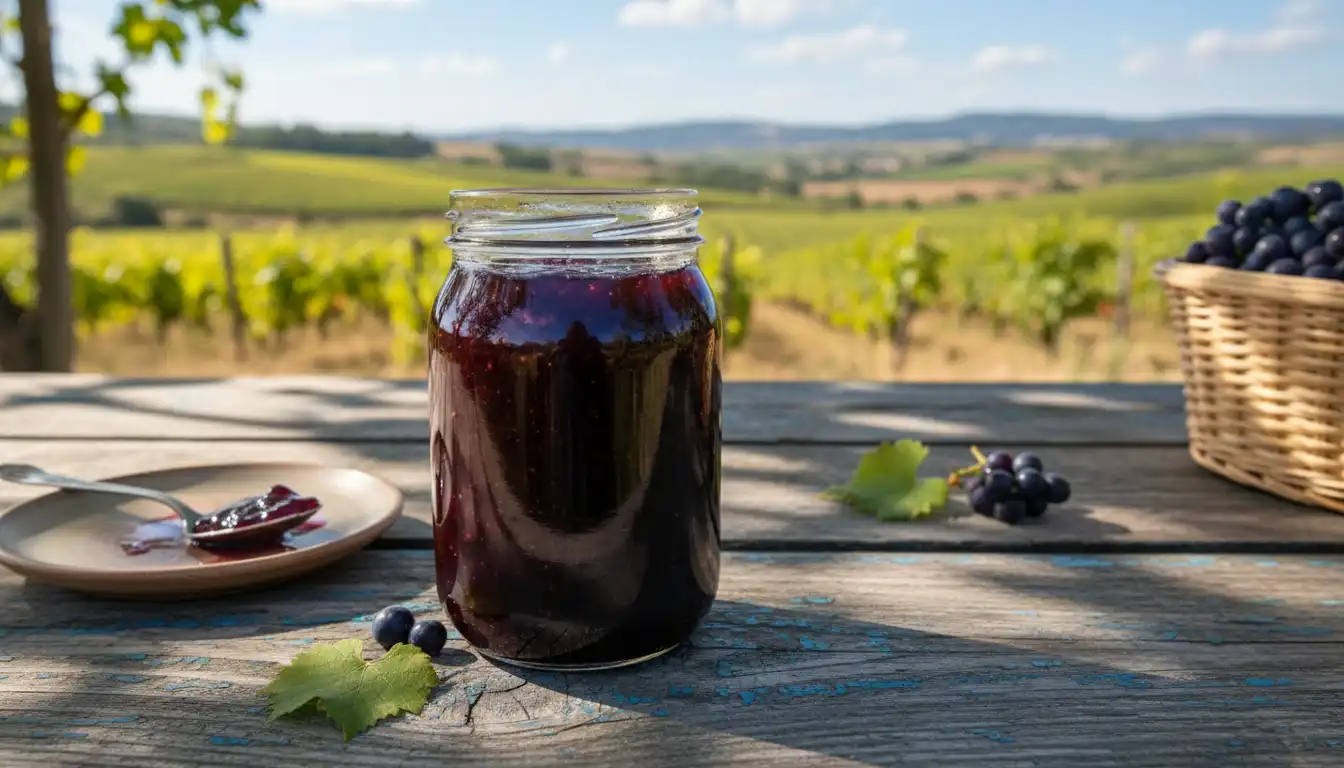
The Best Foods for Your Backyard Squirrels
A balanced offering of supplemental food can provide real benefits without the dangers of sugar. Focus on variety and nutrition. Good choices include nuts still in their shells like acorns, walnuts, and hickory nuts. You can also offer small amounts of fruits and vegetables such as apples, carrots, and broccoli.
It’s crucial to avoid all processed human foods, including salted nuts, bread, chips, and sweets. These items contain salt, sugars, and fats that are harmful to wildlife. Even seemingly harmless items in your home can pose a risk; for instance, never consider using decorative materials like play sand near feeding areas, as it can be ingested. For more on sand safety in other contexts, one might be interested in whether can you use play sand in gas fireplace, though this is unrelated to feeding wildlife.
| Food Item | Nutritional Benefit for Squirrels | Risk Level |
|---|---|---|
| Grape Jelly | None (empty calories from sugar) | High (Causes dental decay, obesity, and dependency) |
| Walnuts (in shell) | Excellent source of protein, healthy fats, and promotes healthy teeth | Low (Offer in moderation) |
| Acorns | A primary natural food source, rich in essential nutrients | Low (Excellent choice) |
| Apple Slices | Provides vitamins and hydration | Low (In small quantities due to natural sugars) |
| Carrot Sticks | Good source of vitamins A and K | Low (A healthy, low-sugar vegetable) |
| Bread/Crackers | Poor nutritional value, high in salt and processed flour | High (Leads to malnutrition and digestive issues) |
How to Stop Squirrels from Eating Bird Feeder Jelly
If your primary goal is to feed orioles without attracting squirrels, strategy is key. It’s nearly impossible to completely exclude a determined squirrel, but you can make it significantly more difficult for them while keeping the jelly accessible to birds.
First, placement is crucial. Hang your jelly feeder on a baffled pole at least 10 feet away from any trees, fences, or structures from which a squirrel can jump. A dome-shaped baffle placed above and/or a torpedo-shaped baffle below the feeder creates a barrier that squirrels cannot navigate. Using a smooth metal pole instead of wood also makes it harder for them to get a grip.
Deterrents and Diversions
Another effective method is to make the offering less appealing to squirrels. Mixing a small amount of pure cayenne pepper into the grape jelly can be a powerful deterrent. Birds are not affected by capsaicin, the compound that makes peppers spicy, but squirrels and other mammals find it highly unpleasant.
Alternatively, you can create a dedicated squirrel feeding station far away from your bird feeders. Stock it with healthy alternatives like nuts and seeds. This diversion gives them an easy, appealing food source of their own, making the effort to raid the jelly feeder less attractive. By providing for them responsibly, you can enjoy their presence without encouraging unhealthy and destructive habits.
Final Word
Offering grape jelly may draw squirrels in, but it does far more harm than good. What begins as a simple attempt to attract orioles can unintentionally encourage unhealthy eating habits, create dependency, and even increase nuisance behavior around your home. By choosing safer, species-appropriate foods and keeping your feeding stations purposeful, you can enjoy vibrant backyard wildlife without compromising their well-being. A mindful approach ensures that both squirrels and songbirds thrive—naturally, safely, and in balance with the environment you’ve invited them into.