
Dishwasher Not Next to Sink: A Huge Mistake or a Genius Move?
For decades, kitchen design has followed a simple, unspoken rule: the dishwasher always goes right next to the sink. This conventional wisdom is so ingrained that placing it anywhere else feels like a design mistake. But what if breaking that rule is the key to unlocking your kitchen’s true potential?
Challenging this norm opens up a world of design flexibility, but it also presents technical hurdles that must be addressed correctly. Understanding the reasons behind the traditional placement—and the solutions to overcome the challenges of separating them—is crucial for any homeowner considering an unconventional layout.
You'll Learn About
The Unspoken Rule: Why Are Dishwashers Always Next to Sinks?
The standard placement of a dishwasher is a matter of pure practicality, rooted in plumbing efficiency and workflow. Designers pair them together to create a seamless “cleanup zone” that simplifies the process of clearing dishes after a meal.
The Logic of the Kitchen “Cleanup Zone”
The typical process for loading a dishwasher involves scraping food scraps into the trash, rinsing plates in the sink, and then placing them directly into the dishwasher. Placing these three elements—trash, sink, and dishwasher—in immediate proximity minimizes drips and movement. This creates an ergonomic workflow that makes kitchen cleanup faster and less messy.
Furthermore, this setup ensures that when unloading, you are typically within a step or two of the cabinets and drawers where clean dishes and utensils are stored. Proximity to storage is a key factor in efficient kitchen design.
Plumbing Simplicity and the Standard Install
The primary reason for the side-by-side arrangement is plumbing. A dishwasher requires three connections: a hot water supply, a drain line, and an electrical power source. The sink cabinet conveniently houses the hot water and drain lines, making it the most straightforward and cost-effective connection point.
Standard installation kits and hoses are designed for this short distance. Moving the dishwasher further away complicates these connections, often requiring extensions and more complex plumbing work that goes beyond a typical DIY installation.
Breaking the Mold: Top Reasons to Relocate Your Dishwasher
While the conventional layout is practical, it’s not always the best solution. Modern kitchen design increasingly prioritizes open-concept spaces, aesthetic symmetry, and optimized layouts that sometimes necessitate separating the sink and dishwasher.
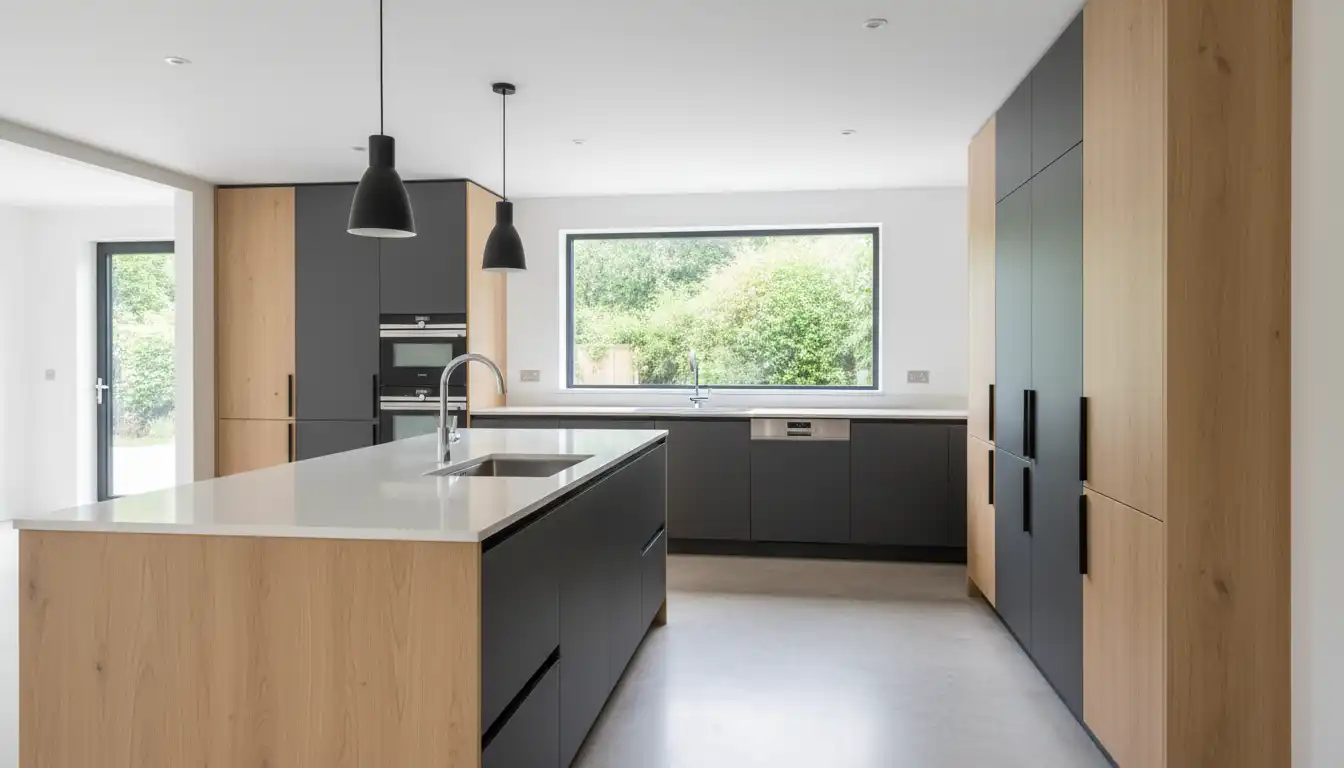
Optimizing for Kitchen Layout and Flow
In some kitchens, especially L-shaped or galley layouts, placing the dishwasher next to the sink can create a bottleneck. An open dishwasher door can block a primary walkway or access to other essential appliances like the stove or refrigerator. Moving it to the end of a cabinet run or to a kitchen island can dramatically improve traffic flow.
This separation can also enhance the “work triangle”—the relationship between the sink, stove, and refrigerator. By relocating the dishwasher, you may be able to create a more efficient path for cooking and food preparation, keeping the cleanup zone distinct from the prep zone.
Accommodating Small or Awkward Kitchens
Not all kitchens have the luxury of a long, uninterrupted counter run. In smaller or older homes, the space next to the sink might be compromised by a corner, a load-bearing wall, or another structural element. In these cases, moving the dishwasher is not just a choice but a necessity to fit one in at all.
This flexibility allows homeowners to install a full-sized dishwasher in a space that otherwise might only accommodate a smaller, less practical model. It transforms a design limitation into a functional opportunity.
Aesthetic Choices and Custom Cabinetry
Symmetry is a powerful tool in kitchen design. Some homeowners prefer to center their sink under a window or along a wall, flanked by identical sets of drawers or cabinets. Placing a dishwasher on one side would disrupt this visual balance. Moving it to a less conspicuous location helps achieve a clean, seamless look, especially when using panel-ready models that blend in with the cabinetry.
The Critical Challenges: What You MUST Know Before You Move It
Separating the dishwasher from the sink is entirely possible, but it requires careful planning to address three main challenges: plumbing, workflow, and installation complexity. Ignoring these can lead to drainage problems, daily frustrations, and unexpected costs.
The Plumbing Puzzle: Drainage and Water Supply
Drainage is the single most significant technical hurdle. A dishwasher’s internal pump is designed to push wastewater over a short distance. Most manufacturers specify a maximum drain hose length, typically around 10 to 12 feet. Exceeding this can strain the pump, leading to incomplete draining, standing water, and eventual pump failure.
The water supply line is less of a challenge but still requires a proper extension. It’s crucial to use high-quality, continuous hoses to minimize the risk of leaks behind cabinets or under floors.
The Workflow Question: Dealing with Drips and Drops
The biggest lifestyle adjustment is managing the “drip trail.” When you rinse a dish at the sink and have to walk it across the kitchen to the dishwasher, you will inevitably drip water on the floor. While seemingly minor, this can become a daily annoyance and a potential slip hazard.
Without a streamlined “scrape-rinse-load” process, you may find yourself double-handling dishes or needing to wipe the floor after every load. This ergonomic challenge is often the deciding factor for homeowners.
Installation Costs and Complexity
A non-standard dishwasher installation is more complex and, therefore, more expensive. It often requires a licensed plumber and an electrician to run new lines. This can involve cutting into drywall, drilling through cabinets, and potentially accessing plumbing through the floor or basement, all of which add to the labor and material costs of your project.
Solving the Plumbing Problem: A Step-by-Step Technical Guide
Successfully installing a dishwasher away from the sink hinges on getting the plumbing right. This isn’t just about extending hoses; it’s about ensuring proper drainage and preventing backflow that could contaminate your clean dishes.
Extending the Drain Hose: The Right Way
If you must extend the drain hose, do it correctly. Avoid simply coupling multiple standard hoses together. Instead, purchase a single, continuous extension hose rated for dishwasher use to eliminate weak points that could leak. Ensure all connections are secured with robust clamps.
Alternatively, a more professional solution is to have a plumber install a dedicated standpipe, similar to what’s used for a washing machine. This involves running a rigid PVC drain line to the dishwasher’s location, complete with its own P-trap and proper venting. This is often the most reliable method for long distances.
The Importance of the High Loop and Air Gap
Whether your dishwasher is next to the sink or across the room, you must prevent wastewater from the sink from flowing back into the dishwasher. This is accomplished with either a “high loop” or an air gap. A high loop is created by fastening the drain hose to the underside of the countertop, as high as possible, before it connects to the drain. This uses gravity to keep water out.
An air gap is a small device mounted on the countertop or sink that provides a physical break between the dishwasher hose and the drain line. Many local plumbing codes require an air gap, so it’s essential to check your local regulations.
Electrical Considerations You Can’t Ignore
Modern electrical codes often require the dishwasher to be on a dedicated circuit. If you’re moving the appliance to a new location, you’ll likely need an electrician to run a new line from your home’s breaker panel. This is also a good time to ensure the connection is secure and properly housed; read more about the safety of a junction box behind dishwasher installations to understand the requirements.
| Aspect | Pros of Separating Dishwasher and Sink | Cons of Separating Dishwasher and Sink |
|---|---|---|
| Kitchen Layout | Improves traffic flow; opens up design possibilities (e.g., symmetrical design). | Can disrupt the traditional “cleanup zone” and work triangle. |
| Ergonomics & Workflow | Can place the dishwasher closer to dish storage, simplifying unloading. | Creates a “drip trail” on the floor between the sink and dishwasher. |
| Plumbing & Installation | Allows installation in small or awkward kitchens where space by the sink is unavailable. | More complex and costly; requires longer hoses or a dedicated standpipe. |
| Pump & Drainage | No inherent pros; this is the main technical challenge to overcome. | Risk of straining the pump if the drain hose is too long, leading to poor drainage. |
| Aesthetics | Allows for a clean, symmetrical look by not breaking up a bank of cabinets. | May look unconventional or unplanned if not integrated thoughtfully into the design. |
Master the Workflow: How to Live with a Separated Dishwasher
An unconventional layout requires a refined process. With a few adjustments, you can make the distance between your sink and dishwasher feel completely natural and efficient.
The “Scrape, Stack, and Load” Strategy
Modify your cleanup process. Instead of rinsing each dish individually, scrape food scraps into the trash or compost bin. Then, stack the dishes on the counter next to the sink. Once all dishes are scraped, carry the stack to the dishwasher for loading in a single trip.
This method contains the mess to one area and eliminates the repetitive back-and-forth that causes drips. It’s a simple change in habit that makes a significant difference.
Creating a Dedicated “Loading Zone”
Designate a small section of the counter directly next to the dishwasher as a “loading zone.” This can be where you place dishes before loading them or where you temporarily set items as you unload. This intentional space streamlines both processes.
Consider placing a small, absorbent mat in this area to catch any stray drips, keeping your counters and floors dry and clean.
Does Dishwasher Choice Matter for Remote Placement?
Not all dishwashers are created equal, and when it comes to a non-standard installation, the right model can make a significant difference. Certain features can mitigate the challenges of placing a dishwasher away from the sink.
Pump Power and Hose Length Specifications
Some higher-end dishwashers are equipped with more powerful and durable pumps designed for greater flexibility in installation. When shopping, pay close attention to the manufacturer’s specifications for the maximum recommended drain hose length. Choosing a model with a more robust pump can provide peace of mind.
If you’re investing in a premium kitchen, comparing brands known for their engineering is wise. For example, exploring the differences in a Cove vs Bosch dishwasher or a Cafe dishwasher vs Bosch might reveal models with superior pump technology better suited for a remote installation.
The Final Verdict: Is a Dishwasher Away From the Sink a Design Flaw?
Placing a dishwasher away from the sink is not a design flaw—it’s a design choice. In modern kitchen design, rigid rules have been replaced by a focus on customized solutions that cater to an individual’s lifestyle and the unique architecture of their space. The best layout is the one that functions best for you.
As long as the technical requirements for drainage and water supply are met correctly, and you adapt your workflow accordingly, a separated dishwasher can be a hallmark of a thoughtful, highly personalized kitchen design. It proves that sometimes, the best solution is found by thinking outside the conventional “cleanup zone.”
