
Stop! Your Dishes Aren’t Scratched—Here’s How to Fix Them
There’s nothing more frustrating than pulling your beautiful, gleaming dishes out of the dishwasher, only to find them covered in a web of unsightly gray lines. You scrub, you soak, but those stubborn marks just won’t budge. Before you banish your beloved dinnerware to the back of the cabinet, it’s important to understand what’s really going on.
The good news is that in most cases, your dishes aren’t actually scratched. Those ugly gray streaks are just surface-level metal deposits left behind by your silverware. With the right knowledge and tools, you can not only remove them but also choose new dishes that will stay flawless for years to come.
You'll Learn About
What *Really* Causes Those Ugly Gray Marks on Your Dishes?
It’s a common misconception that those marks are scratches in the glaze. In reality, the opposite is true. Most ceramic glazes are harder than the stainless steel used for everyday cutlery. When a fork or knife scrapes across the plate’s surface, the softer metal abrades, leaving a small amount of residue behind.
Think of it like chalk on a blackboard. The chalk is much softer than the board, so it leaves a visible mark on the surface without damaging the board itself. Those gray lines on your plates are simply tiny metal deposits from your utensils. This is why they seem impossible to remove with regular soap and water.
Why Some Dishes Mark More Than Others
The susceptibility to these marks often comes down to two key factors: the material of the dish and the texture of its glaze. A hard, smooth surface creates less friction, making it difficult for the metal to leave a deposit. Conversely, a softer or more textured surface can “grab” onto the metal from your silverware.
Matte-finish dishes are notorious for showing these marks. Their velvety texture, while aesthetically pleasing, has a microscopic roughness that increases friction and readily collects metal deposits. Glossy glazes, on the other hand, are typically smoother and harder, offering much better resistance.
How to Banish Silverware Marks for Good: Your Cleaning Arsenal
Removing these metal marks is surprisingly easy once you know the secret: a mild abrasive. These cleaners gently lift the metal deposits from the surface of the glaze without damaging it. Regular dish soap can’t do this, which is why scrubbing with a normal sponge often fails.
Before you begin, always test any cleaner on a small, inconspicuous area of your dish, like the underside, to ensure it doesn’t harm the finish or any decorative patterns. Never use steel wool or harsh scouring pads, as these can create genuine scratches in the glaze, making the problem worse over time.
The Professional’s Choice: Bar Keepers Friend
Time and time again, cleaning experts and homeowners swear by one product: Bar Keepers Friend. This powdered cleanser contains oxalic acid, which is incredibly effective at dissolving metal deposits. It is the go-to solution for restoring dishes to their original pristine condition.
To use it, simply wet the plate, sprinkle a small amount of the powder onto the surface, and let it sit for a minute. Then, use a damp sponge or soft cloth to gently scrub in a circular motion. The marks should lift away with minimal effort. Be sure to rinse the dish thoroughly with water before drying.
The Gentle Giant: Baking Soda Paste
If you prefer a more natural or readily available option, a simple paste of baking soda and water works wonders on light to moderate marks. Baking soda is a very mild abrasive that can effectively scrub away the metal residue without being harsh on your dinnerware.
Mix baking soda with a few drops of water to form a thick paste. Apply the paste to the marks and use a soft cloth or a wine cork to gently buff the area. It might take a bit more elbow grease than a chemical cleaner, but it’s a safe and effective method for routine maintenance.
The Ultimate Buyer’s Guide: Choosing Dishes That Resist Silverware Marks
The most effective way to deal with silverware marks is to prevent them from happening in the first place. When shopping for new dinnerware, the material and the glaze are the most critical factors to consider. Investing in high-quality, mark-resistant dishes will save you countless hours of scrubbing.
Understanding the different types of dinnerware materials can help you make an informed decision. Some materials are naturally harder and less porous, making them champions of durability and resistance. Others are softer and more prone to showing wear and tear from daily use.
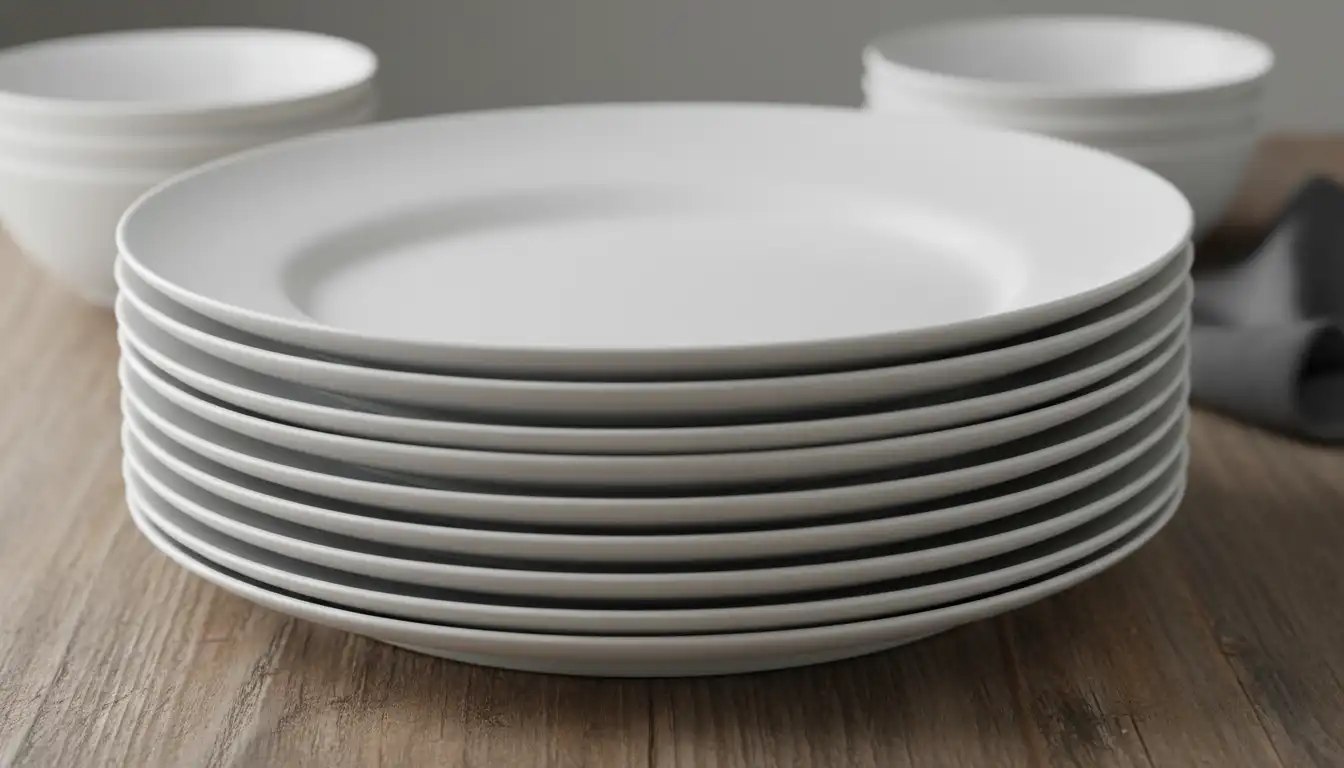
Material is Everything: The Best and Worst Options
When it comes to resisting silverware marks, not all ceramics are created equal. Porcelain and bone china are top-tier choices. These materials are fired at extremely high temperatures, which creates a vitrified, glass-like surface that is incredibly hard and non-porous. This hardness makes it very difficult for silverware to leave metal deposits.
Corelle dinnerware, made from a unique laminated glass called Vitrelle, is another outstanding option known for its remarkable resistance to marks, chips, and breaks. On the other end of the spectrum, earthenware is the softest and most porous ceramic, making it highly susceptible to marking and best reserved for occasional use. Stoneware falls in the middle; high-quality stoneware with a strong, glossy glaze can be quite durable, but cheaper or matte-finish varieties are often the worst offenders for collecting marks.
Material Comparison: Which Dinnerware Fights Scratches Best?
To help you choose, here is a breakdown of common dinnerware materials and how they stack up against each other in terms of mark resistance and overall durability.
| Material | Mark Resistance | Durability | Price Point | Best For |
|---|---|---|---|---|
| Bone China | Excellent | Very High (Surprisingly Strong) | High | Formal occasions and durable everyday use. |
| Porcelain | Excellent | High | Mid to High | Daily use and special events; a versatile workhorse. |
| Corelle (Vitrelle Glass) | Excellent | Excellent (Chip & Break Resistant) | Low to Mid | Busy households, families with children, everyday use. |
| High-Quality Stoneware | Good | Good | Mid-Range | Everyday use if it has a strong, glossy glaze. |
| Matte-Finish Stoneware | Poor | Moderate | Low to Mid | Aesthetic appeal, but requires regular cleaning of marks. |
| Earthenware | Poor | Low (Prone to Chipping) | Low | Decorative purposes or very occasional use. |
Proactive Care: Simple Habits to Keep Your Plates Pristine
Beyond choosing the right dishes, a few simple habits can dramatically reduce the appearance of silverware marks. The solution isn’t just about the plates; your choice of cutlery and how you handle your dishes play a significant role as well.
By adopting a few mindful practices in the kitchen, you can preserve the beauty of your dinnerware, whether it’s brand new or a beloved set you’ve just restored. These small adjustments can make a big difference in preventing future marks.
It’s Not Just the Plate, It’s the Cutlery
One of the most overlooked factors is the quality of your flatware. Stainless steel is graded based on its composition, typically 18/10, 18/8, or 18/0. These numbers refer to the percentage of chromium and nickel in the steel. 18/10 stainless steel contains 10% nickel, which makes the metal harder and more resistant to corrosion.
Softer, lower-quality flatware (often 18/0) is more likely to abrade against the harder surface of a plate, leaving behind those frustrating gray deposits. If you’re struggling with marks on high-quality porcelain plates, your silverware could be the culprit. Upgrading to a quality 18/10 stainless steel set can often solve the problem entirely.
Handle With Care
How you use and clean your dishes also matters. Avoid aggressively scraping plates with forks and knives to gather the last bits of food; use a silicone spatula instead. When loading the dishwasher, ensure that plates are not knocking against each other or against metal racks, which can also cause marks.
For those who hand-wash, placing a rubber mat in the bottom of a metal sink can provide a protective cushion. Preventing direct contact between your dishes and the hard sink basin minimizes the chances of accidental scuffs and scrapes during washing.
Frequently Asked Questions (FAQ)
Even with the best information, you might still have a few lingering questions. Here are answers to some of the most common queries about silverware marks on dishes.
Why do my white plates show more marks?
White plates don’t necessarily get more marks, but the dark gray metal deposits create a stark contrast against the white background, making them far more visible. The same marks on a dark or patterned plate might go completely unnoticed.
Can I prevent silverware marks on my existing matte dishes?
While you cannot prevent them entirely on a surface prone to marking, you can minimize them. Using high-quality 18/10 stainless steel flatware will help. Additionally, rinsing plates immediately after use and avoiding scraping will reduce the frequency of marks. Be prepared to perform regular maintenance with a gentle cleaner like Bar Keepers Friend.
Are expensive dishes less likely to get marks?
Often, yes, but not always. Price can be an indicator of quality materials like bone china or high-fired porcelain, which have superior glazes. However, the material and finish are more important than the price tag. An inexpensive Corelle plate will resist marks better than a pricey designer plate with a trendy matte stoneware finish.
Conclusion: Enjoy Flawless Dishes for Years to Come
Those frustrating gray marks on your dinnerware don’t have to be a permanent problem. By understanding that they are simply metal deposits, not scratches, you can easily remove them with the right gentle abrasive cleaner. Restoring your plates to their former glory is often just a few minutes of light scrubbing away.
Moving forward, you are now equipped with the knowledge to prevent them. Choose durable materials like porcelain, bone china, or Corelle with smooth, glossy glazes. Pay attention to the quality of your flatware and handle your dishes with care. With these expert tips, you can confidently maintain a beautiful, mark-free set of dishes that you’ll be proud to use every day.
