
Dianthus Clavelina Disasters? Your Guide to Lush, Endless Blooms
The Dianthus clavelina, with its frilly, clove-scented petals and silvery-blue foliage, promises a romantic, cottage-garden charm. Gardeners eagerly plant these beauties, envisioning waves of pink, white, and red all summer long. Yet, a common and frustrating problem often emerges: the vibrant display falters, the foliage yellows, and the once-prolific blooms vanish, leaving behind a sad, leggy mess. Many gardeners find themselves asking, “Why are my beautiful dianthus dying?”
This failure to thrive isn’t due to a lack of care, but often a misunderstanding of what this specific plant truly needs. The issue rarely stems from a single mistake but a combination of well-intentioned actions that inadvertently create a hostile environment for Dianthus clavelina. From soggy soil to nutrient imbalances, the underlying causes are often invisible until the plant shows visible signs of distress, by which point it can feel too late to intervene.
You'll Learn About
Unlocking the Secrets: Why Your Dianthus Clavelina Are Failing
To cultivate stunning Dianthus, one must first diagnose the common issues that plague them. Understanding the root cause of yellowing leaves, sparse flowers, or rotting stems is the first step toward a garden filled with their spicy fragrance and vibrant color. These problems are almost always linked to three core areas: water, sun, and soil.
The Number One Culprit: Improper Watering and Drainage
More Dianthus are lost to overwatering than any other cause. These plants are native to the rocky, well-drained soils of Europe and Asia, and their roots are highly susceptible to rot in soggy conditions. When water sits around the root crown, it suffocates the plant, leading to a cascade of problems.
The most common symptom is yellowing foliage, starting from the base of the plant and moving upward. The stems may feel soft or mushy, and the entire plant might pull out of the ground with little resistance, indicating the roots have rotted away completely. This is a classic sign of a plant getting “wet feet.”
Sunlight Starvation and Leggy Growth
Dianthus are true sun-worshippers. They require at least six hours of direct, unfiltered sunlight each day to produce the energy needed for prolific blooming. When planted in partial shade, they will survive, but they won’t thrive.
A plant starved for light will become “leggy.” This means it develops long, spindly stems with sparse leaves as it stretches desperately toward the nearest light source. You will also notice significantly fewer flower buds, and the ones that do form may be smaller and less vibrant.
Soil Sabotage: The Hidden pH Problem
Beyond drainage, the chemical composition of your soil plays a vital role. Dianthus clavelina have a distinct preference for neutral to slightly alkaline soil (pH 6.5-7.5). In many regions, garden soil is naturally acidic, which can lock up essential nutrients and stress the plant.
An incorrect pH level won’t cause sudden death, but it will lead to a gradual decline. The plant may appear stunted, with poor growth and lackluster flowers, even if watering and sunlight are perfect. It’s a subtle but critical factor for long-term health.
Your Step-by-Step Revival Guide to Vibrant, Blooming Dianthus
Reviving struggling Dianthus and ensuring new plants flourish is about creating the ideal growing environment from the ground up. By focusing on a few key areas, you can solve the core problems and unlock the plant’s full potential. This guide provides actionable solutions to transform your garden.
Mastering the Perfect Soil Foundation
The solution to root rot and pH problems begins before you even plant. Creating the perfect soil environment is the most important thing you can do for your Dianthus. Whether in a garden bed or a container, the goal is to ensure sharp drainage and the correct pH.
For in-ground planting, amend heavy clay soils. Dig a hole twice as wide as the root ball and mix the native soil with equal parts of coarse sand and organic compost. This mixture improves aeration and prevents water from pooling. If your soil is acidic, this is the time to add a small amount of garden lime to raise the pH.
For container gardening, use a high-quality potting mix and add a few handfuls of perlite or fine gravel. This ensures that excess water can escape freely. When selecting containers, consider wall-mounted planters or hanging baskets to add vertical interest, but always be mindful of your home’s structure. Before drilling into walls, it is wise to understand how much weight can plaster hold to prevent damage.
The Art of Watering Dianthus Correctly
Forget a fixed watering schedule. The key is to water deeply but infrequently. Allow the top two inches of soil to dry out completely before watering again. When you do water, soak the root zone thoroughly until water runs from the bottom of the pot or the ground is saturated several inches deep.
This method encourages the roots to grow deeper in search of moisture, creating a stronger, more drought-tolerant plant. Always water the soil at the base of the plant, avoiding the foliage and flowers, as wet leaves can encourage fungal diseases.
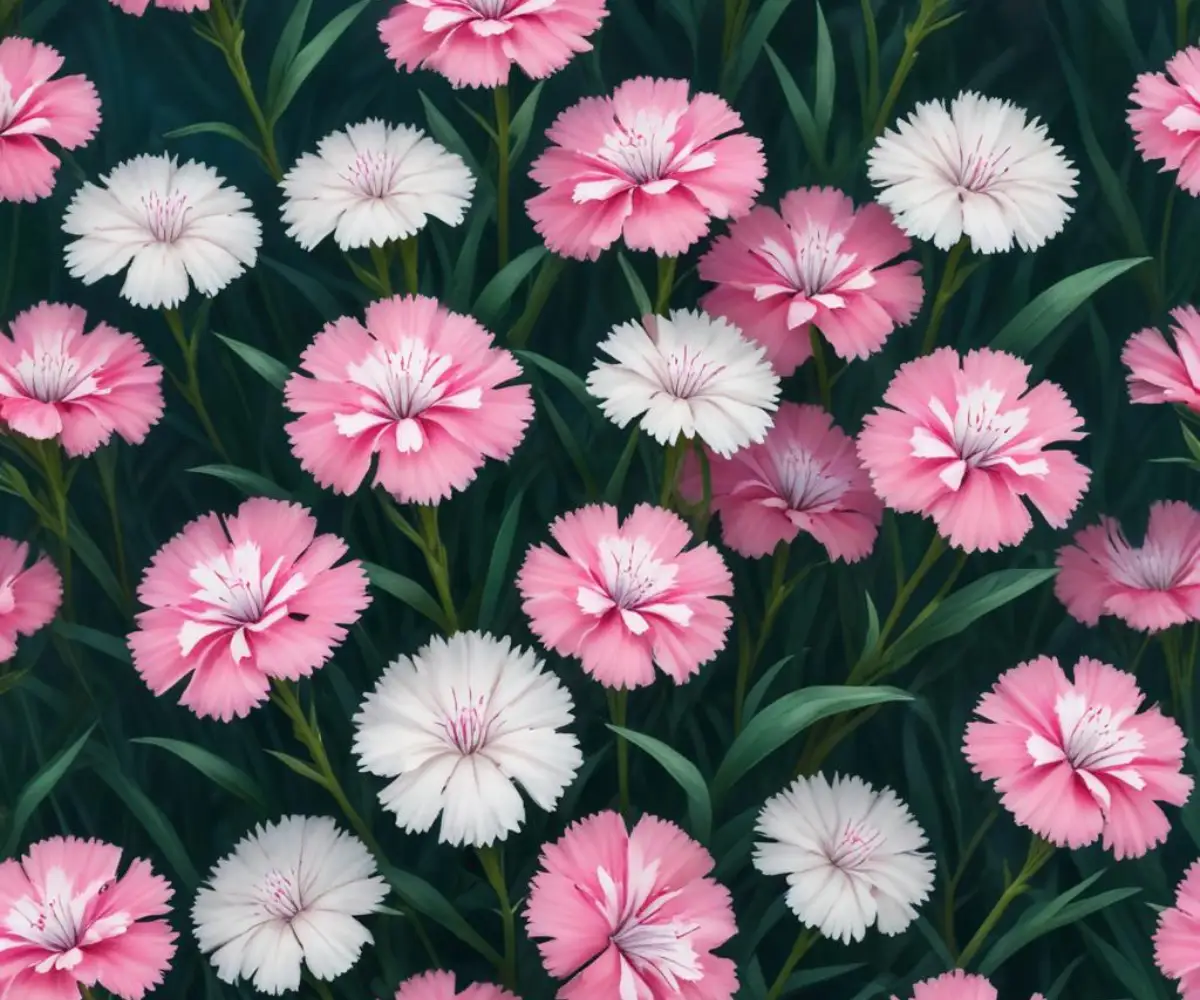
Pruning for Prolific, Continuous Blooms
Pruning is not just for tidiness; it is a direct signal to the plant to produce more flowers. The primary technique is called deadheading, which is the removal of spent flowers. Once a bloom starts to fade and turn brown, the plant’s energy shifts to producing seeds.
By snipping off the old flower stem just above a set of healthy leaves, you interrupt this process. The plant redirects its energy back into creating new buds, often resulting in a second or even third flush of blooms throughout the season. For a large patch of Dianthus, you can use garden shears to give the entire plant a light “haircut” after the first major bloom cycle, trimming off the top few inches.
Advanced Dianthus Care: Beyond the Basics
Once you have mastered the fundamentals of sun, soil, and water, you can explore more advanced techniques to elevate your garden. These strategies focus on creating a symbiotic garden ecosystem and ensuring the longevity of your plants through propagation, adding a layer of expertise to your horticultural skills.
Strategic Companion Planting for a Healthier Garden
Companion planting is about more than just aesthetics; it’s about creating a miniature ecosystem where plants support each other. For Dianthus, the best companions are those that share its love for full sun and well-drained soil. Good partners can help deter pests, attract beneficial insects, and provide beautiful textural contrasts.
Consider planting Dianthus alongside lavender or sage. These herbs have strong scents that can confuse and repel common pests like aphids. For textural variety, the silvery, soft leaves of Lamb’s Ear (Stachys byzantina) create a stunning backdrop for the vibrant pinks and reds of Dianthus flowers. Low-growing sedums also make excellent companions in a rock garden setting, as they share similar low-water requirements.
Propagation: Creating New Plants for Free
Dianthus are often short-lived perennials, lasting only a few years. Propagation is an easy and effective way to ensure you have a continuous supply of your favorite varieties. The best method is through stem cuttings, which creates a genetic clone of the parent plant.
In early summer, after the first flush of blooms, select a healthy, non-flowering shoot. Take a 3-4 inch cutting from the tip, making your cut just below a leaf node. Carefully strip the leaves from the bottom half of the cutting, dip the end in rooting hormone, and plant it in a small pot filled with a moist mixture of sand and potting soil. Keep the cutting in a warm, bright location out of direct sun, and roots should form in a few weeks.
Dianthus Clavelina Varieties and Design Inspiration
The world of Dianthus is vast and varied, offering a wide array of colors, sizes, and forms to suit any garden design. From low-growing border plants to taller varieties perfect for cut flower arrangements, there is a Dianthus for every purpose. Understanding the different types can help you make the best choices for your landscape.
When planning your garden, especially near your home, it’s crucial to be aware of your property’s underlying structure. Before installing large, permanent raised beds or pathways, ensure you won’t disrupt your home’s foundation or encounter unexpected issues. Understanding elements like the presence of a diagonal plank subfloor can inform you about your home’s construction era and potential structural considerations.
Popular Dianthus Varieties for Your Garden
Exploring different cultivars can bring exciting new colors and forms to your garden. Many modern hybrids are bred for enhanced fragrance, longer bloom times, and increased hardiness. The table below highlights a few popular and reliable choices for home gardeners.
| Variety Name | Flower Color | Height | Key Features |
|---|---|---|---|
| ‘Mrs. Sinkins’ | Pure White | 12-15 inches | Highly fragrant with a classic, clove-like scent. An heirloom variety known for its fringed double blooms. |
| ‘Firewitch’ (Feuerhexe) | Vibrant Magenta-Pink | 6-8 inches | Forms a dense, low-growing mat of blue-green foliage. Extremely long blooming period. |
| ‘Coconut Sundae’ | White with a Deep Red Eye | 8-10 inches | Striking bicolor pattern. Compact growth habit makes it ideal for containers and borders. |
| ‘Grenadin King of the Blacks’ | Deep, Velvety Crimson | 18-24 inches | A taller carnation type with a rich, dark color. Excellent as a cut flower due to its long, sturdy stems. |
| ‘La Bourboule’ | Light Pink | 4-6 inches | A dwarf alpine variety perfect for rock gardens and troughs. Forms a tight cushion of foliage. |
Landscaping Ideas with Dianthus
Dianthus are incredibly versatile in the garden. Their compact size and long blooming season make them perfect for the front of a border, where their color can be enjoyed up close. Use low-growing varieties like ‘Firewitch’ to create a “carpet” of color that spills over retaining walls or pathways.
In a container garden, they are a “thriller, filler, and spiller” all in one. A single, vibrant Dianthus can be the centerpiece of a pot, or multiple varieties can be combined for a tapestry of color and texture. Their drought tolerance also makes them a superb choice for rock gardens and xeriscaping projects, where they provide reliable color with minimal water.
Troubleshooting and Frequently Asked Questions
Even with the best care, problems can sometimes arise. Being able to quickly identify and address issues is key to maintaining a healthy garden. This section covers common questions and troubleshooting tips for Dianthus clavelina.
Major home repairs should always take precedence over garden projects. If you notice signs of structural stress in your home, such as cabinets separating from the ceiling, it’s important to consult a professional before undertaking any significant landscaping work that involves digging or heavy construction near your foundation.
Why are the buds on my Dianthus drying up before they open?
This issue, known as bud blast, can be caused by a few factors. The most common cause is sudden temperature fluctuations, such as a late frost or an abrupt heatwave. It can also be a sign of inconsistent watering—either the soil dried out too much while the buds were forming, or it was waterlogged. Ensure consistent soil moisture and protect young plants from extreme weather changes if possible.
What is causing the center of my Dianthus plant to turn brown and die?
A dead center in a mounding perennial like Dianthus is often a sign of old age or crown rot. As the plant gets older, the original center can become woody and less productive. It can also be a result of moisture being trapped in the dense center of the foliage, causing the crown to rot. To fix this, you can divide the plant in the spring, removing the dead center and replanting the healthy outer sections. To prevent it, ensure good air circulation by giving plants enough space when planting.
Are Dianthus resistant to deer and rabbits?
Dianthus are generally considered deer-resistant due to their fragrant foliage, which deer tend to avoid. However, rabbits can be more problematic and may nibble on the tender new growth. If rabbits are a problem in your area, using a repellent or a low wire fence may be necessary, especially when the plants are young and vulnerable.
