
Spanish Bluebell Invasion? Your Ultimate Guide to Eradicating Them
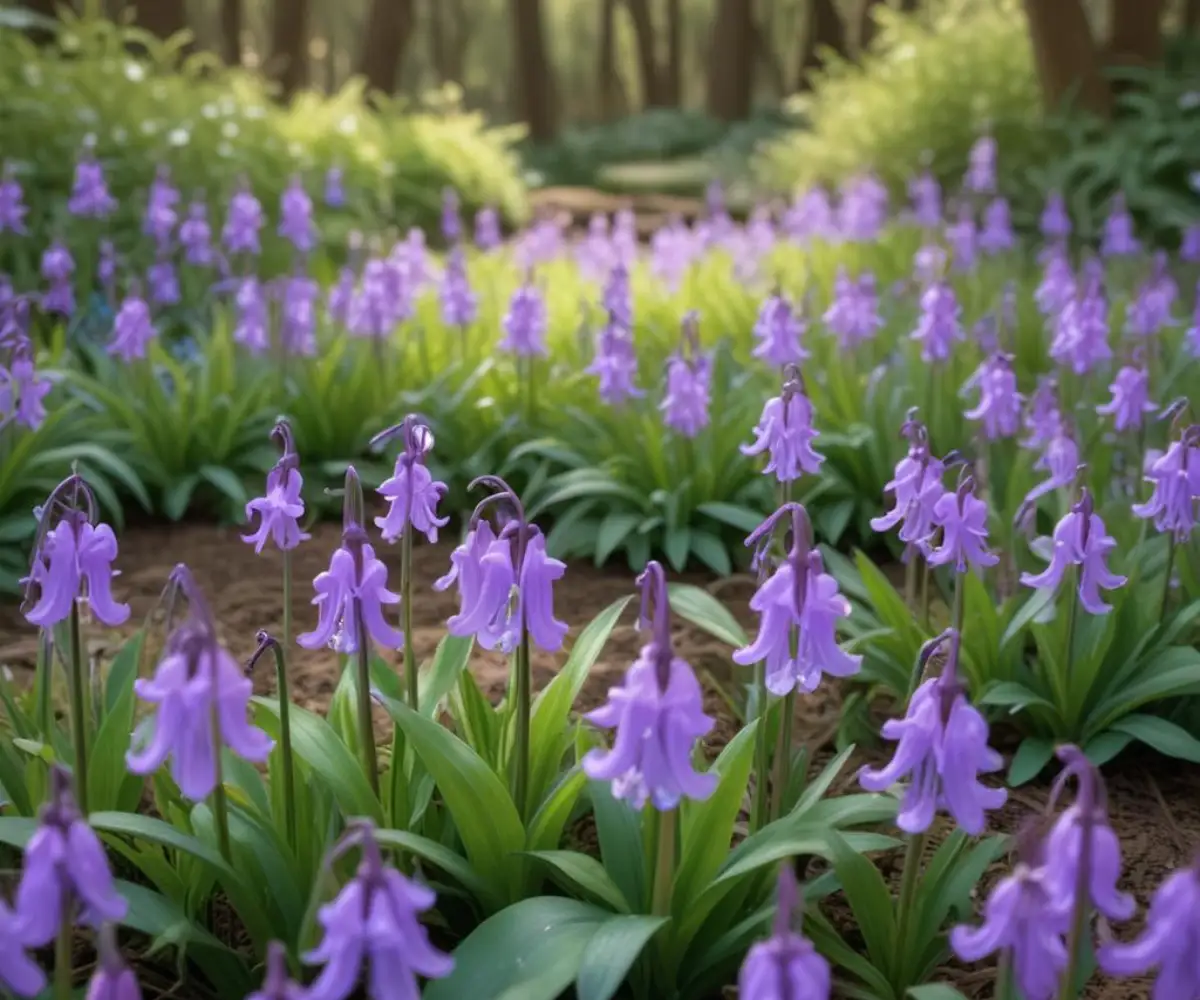
They arrive in spring with a deceptive charm, their bell-shaped flowers creating waves of blue, purple, and even pink. But for the discerning gardener, the Spanish bluebell (Hyacinthoides hispanica) is not a welcome guest. It’s a relentless invader, a garden bully that can quickly transform a well-ordered flowerbed into a monoculture of robust, aggressive foliage.
This plant’s vigor is its defining problem. It spreads with alarming speed through both seeds and the multiplication of its underground bulbs. Before long, it smothers less aggressive perennials and poses a significant threat to the delicate balance of your garden’s ecosystem. For gardeners in the UK, the problem is even more acute, as the Spanish bluebell readily hybridizes with the native English bluebell, diluting the genetics of this beloved wildflower.
You'll Learn About
Understanding the Enemy: Why Spanish Bluebells Are So Aggressive
To effectively combat this invader, you must first understand its strengths. The Spanish bluebell’s tenacity comes from a combination of factors that make it a formidable opponent in the home garden. Its success is no accident; it is a master of survival and propagation.
The primary weapon in its arsenal is its bulb system. The bulbs are fleshy, white, and can be surprisingly deep-rooted, making them difficult to remove entirely. Even small, overlooked bulblets or fragments can regenerate into new plants, meaning a single, hasty attempt at removal often leads to a more widespread problem the following year. They are also masters of energy storage, allowing them to lie dormant and survive efforts to starve them out.
Furthermore, Spanish bluebells spread prolifically by seed. A single plant can produce a significant number of seeds, which are then distributed around the garden, starting new colonies. This dual-pronged attack of vegetative spread via bulbs and sexual reproduction via seeds allows them to colonize new territory with remarkable efficiency. Their broad, lush leaves emerge early in spring, shading out emerging native plants and monopolizing sunlight and resources.
The Ecological Threat: Hybridization with Native Species
Beyond the garden walls, particularly in the British Isles, the Spanish bluebell poses a serious ecological threat. The native English bluebell (Hyacinthoides non-scripta) is a cherished indicator of ancient woodland. When Spanish bluebells escape gardens and naturalize in the wild, they cross-pollinate with the native species.
The resulting hybrid, Hyacinthoides × massartiana, is often more vigorous than either parent and shares many of the invasive traits of the Spanish bluebell. This genetic dilution is a slow-motion extinction event for the pure native bluebell, threatening to forever alter the character of iconic woodland landscapes. This makes controlling them in your garden not just a matter of aesthetics, but one of environmental stewardship.
The Ultimate Guide to Destroying Spanish Bluebells for Good
Reclaiming your garden from a Spanish bluebell infestation requires persistence and a strategic approach. There is no single magic bullet; success often lies in a combination of methods and a commitment to seeing the process through over several seasons. Patience is paramount.
Choosing the right method depends on the scale of your infestation, your tolerance for chemical use, and the amount of physical effort you are willing to invest. The battle begins in spring when the leaves are visible and the plants are actively growing, making them easy to identify and vulnerable to control measures.
Method 1: Manual Removal – The “Forensic Digging” Strategy
For small to medium-sized infestations, digging out the bulbs is the most effective and environmentally friendly method. However, it must be done with meticulous care. This is not ordinary weeding; think of it as a forensic excavation where leaving even a shred of evidence behind can lead to the problem’s return.
The best time for this operation is in the spring when the leaves are fully grown but before the plant has set seed. The leaves act as markers, showing you exactly where to dig. Use a garden fork or a sturdy trowel to loosen the soil deeply around a clump, giving it a wide berth. Then, carefully lift the entire clump out of the ground.
Place the excavated soil and bulbs onto a tarp or large plastic sheet. This crucial step prevents small bulblets from falling back into the soil and immediately undoing your hard work. Sift through the soil with your hands, removing every single white, fleshy bulb and any smaller root-like bulblets you can find. It is a slow, methodical process, but it is the most certain way to achieve complete removal from a specific area.
Method 2: The Smothering & Light Deprivation Technique
If you are facing a larger, more established colony, the smothering technique can be a practical, low-effort alternative, though it requires a great deal of patience. This method works by blocking all sunlight from reaching the plants, preventing photosynthesis and slowly starving the bulbs of energy.
First, cut the bluebell foliage down to the ground. Then, cover the entire infested area with a light-blocking material. Thick, overlapping layers of cardboard are an excellent biodegradable option. For a more heavy-duty approach, use a durable, opaque material like black plastic sheeting or old carpet. Ensure the material extends well beyond the edges of the bluebell patch.
Weight the cover down with bricks, stones, or a thick layer of wood chips or compost. Now, you must wait. This is a long-term strategy that can take at least two full growing seasons to be effective. The bluebell bulbs will exhaust their energy reserves trying to send up shoots that can’t reach the light, and will eventually die off.
Method 3: Chemical Control – Using Herbicides Responsibly
For many gardeners, using chemical herbicides is a last resort. Spanish bluebells have waxy leaves that can make them resistant to many common weedkillers. If you choose this route, timing and application are critical for success.
A glyphosate-based herbicide is generally the most effective option. The key is to apply it when the plant is in active growth in the spring. To improve the herbicide’s absorption, it is essential to first bruise the leaves. You can do this by trampling on the patch or crushing the foliage gently with a gloved hand. This breaks the waxy cuticle and allows the chemical to penetrate the plant’s system more effectively.
Always follow the manufacturer’s instructions precisely and wear appropriate protective gear. Apply the herbicide directly to the bluebell leaves, being extremely careful to avoid spray drift onto any desirable neighboring plants. Be aware that repeat applications over several years may be necessary to completely eradicate a persistent colony.
Comparing Eradication Methods: Which is Right for You?
Choosing the best strategy involves weighing the pros and cons of each approach. What works for a small patch in a perennial border may not be suitable for a large swathe that has taken over a wilder part of the garden.
| Method | Effort Level | Cost | Time to Effectiveness | Environmental Impact |
|---|---|---|---|---|
| Manual Digging | High | Low | Immediate (but requires follow-up) | Very Low |
| Smothering | Low | Low to Moderate | Very Slow (18-24+ months) | Low (if using biodegradable materials) |
| Herbicide | Moderate | Moderate | Slow (requires repeat applications) | High |
The Crucial Aftermath: Preventing Re-infestation
Successfully removing the existing plants is only half the battle. You must be vigilant to prevent their return. Proper disposal of the bulbs and ongoing monitoring are absolutely essential steps in the eradication process.
Do not, under any circumstances, put the bulbs in your home compost bin. They are incredibly resilient and will simply start growing in the compost, leading you to spread them all over your garden later. The safest methods of disposal are to either burn them or place them in your municipal green waste collection, where the industrial composting process will destroy them. Fly-tipping them into the wild is irresponsible and illegal, as it contributes to their spread into natural habitats.
For the next several years, diligently monitor the cleared area for any signs of regrowth. Any new shoots should be dug up immediately before they have a chance to establish. Once you are confident the area is clear, replant it with vigorous, desirable plants to create competition and make it harder for any stray bluebells to regain a foothold. Tackling invasive plants in difficult spaces, much like the challenge of installing a corner shelf not 90 degrees, requires a precise and thoughtful approach to ensure a successful outcome.
Common Mistakes to Avoid When Tackling Spanish Bluebells
In the fight against this invasive plant, certain actions can be counterproductive. Being aware of these common pitfalls can save you time and frustration in the long run.
A frequent error is simply cutting or mowing the leaves without addressing the bulbs. This may tidy the area temporarily, but it does little to harm the plant and can sometimes stimulate even more vigorous growth. Similarly, a half-hearted attempt at digging that leaves bulb fragments behind will only serve to propagate the plant. Finally, giving up after a single season is a guaranteed way to let them win; persistence is the most important tool you have.
Beyond Eradication: Restoring Your Garden’s Harmony
Once you have won the war against Spanish bluebells, the rewarding work of restoring beauty and balance to your garden can begin. This is an opportunity to introduce plants that offer similar spring charm without the invasive tendencies.
Consider planting native alternatives like the English bluebell if you can source them from a reputable nursery, ensuring they are true-to-type. Other excellent choices for shady or woodland-style gardens include wood anemones, primroses, or Solomon’s seal. Rebuilding the health of the soil after years of infestation can also be beneficial. Amending the soil with quality compost can help new plantings thrive. When planning your new color scheme, you may even find that the blues of your new flowers inspire other projects; considering what color grout to use with blue tile for a nearby patio can create a beautifully cohesive design.
If the cleared area is next to your house, pay attention to the microclimate. A garden bed that feels chilly might be a sign of a larger issue. Investigating why a bed against outside wall cold can lead to improvements in both your garden and home’s insulation.
Your Questions Answered: FAQs on Spanish Bluebell Removal
Many gardeners share the same questions when faced with this daunting task. Here are answers to some of the most common queries.
Can I just mow them? Mowing is ineffective as a long-term control method. The bulbs will continue to thrive underground and send up new leaves. You must remove or kill the bulbs to eradicate the plant.
How long will it take to get rid of them completely? For a well-established patch, expect the process to take several years. Whether digging, smothering, or spraying, you will need to monitor the area for regrowth and repeat your chosen method as needed.
Are they poisonous to pets? Yes, all parts of the Spanish bluebell are toxic if ingested and can cause symptoms like vomiting, diarrhea, and abdominal pain in pets like cats and dogs. The sap can also be a skin irritant, so it’s wise to wear gloves when handling them.
Ultimately, destroying Spanish bluebells is a marathon, not a sprint. It demands dedication, the right strategy, and a commitment to vigilance. But with a clear understanding of the enemy and a persistent approach, you can successfully reclaim your garden beds and restore them to a state of beautiful, balanced biodiversity.
