Design Dilemma? Your Ultimate Guide to Overcoming Decorating Paralysis
You stand in the middle of the room, staring at the blank walls. You scroll endlessly through inspiration online, but every perfect image just adds to the pressure. This is decorating paralysis, the overwhelming feeling of being stuck before you even begin, and it’s the most common design dilemma homeowners face.
The sheer volume of choices, combined with the fear of making a costly mistake, can turn an exciting project into a source of stress. This guide provides a clear framework to move past the indecision, diagnose your specific challenge, and create a space that feels authentically you.
You'll Learn About
Decoding Your Core Design Dilemma
Not all design dilemmas are the same. Understanding the root of your hesitation is the first step toward finding a solution. Most challenges fall into a few key categories, each with its own set of questions and answers.
The “Mismatch” Dilemma: Mixing Styles, Colors, and Finishes
This is one of the most frequent sources of anxiety for homeowners. You have a piece of furniture you love, but you’re unsure how to make it work with a new style. Or perhaps you’re drawn to different metal finishes but worry they will clash.
The key here is to find a common thread. Successful eclectic design isn’t random; it’s curated. For instance, when mixing oil rubbed bronze and brushed nickel, balance is crucial. Choose one finish to be dominant and use the other as an accent to create intentionality rather than chaos. Similarly, a bronze faucet on a stainless sink can work beautifully if the bronze tone is repeated elsewhere, perhaps in cabinet hardware or a light fixture.
The “Scale and Proportion” Dilemma: Getting the Size Right
Have you ever seen a room where the furniture feels either comically large or strangely small? This is a scale and proportion problem. It’s a subtle but powerful element that dictates how a room feels, and getting it wrong can make a space feel unsettling.
A classic example is rug placement. Many people wonder if a round rug under a square table can work, and the answer is yes, but the scale is critical. The rug must be large enough that the chairs remain on it even when pulled out. Another common issue involves architectural features. For example, installing 8 ft doors with 10 ft ceilings can disrupt the vertical harmony of a room, making the ceiling feel lower than it is. Understanding visual balance is essential to avoid these pitfalls.
The “Function vs. Form” Dilemma: Beauty That Works for Your Life
A room can be beautiful, but if it doesn’t function for your daily life, the design has failed. This dilemma often appears in high-traffic areas like kitchens and living rooms. You need solutions that are both aesthetically pleasing and highly practical.
Consider the common challenge of seating. Bar stools, for instance, must be comfortable for lingering conversations but also fit the room’s style. The decision of matching bar stools with and without backs often comes down to balancing visual openness (backless) with comfort (backed). The solution is to prioritize the primary use of the space and let that guide your aesthetic choices.
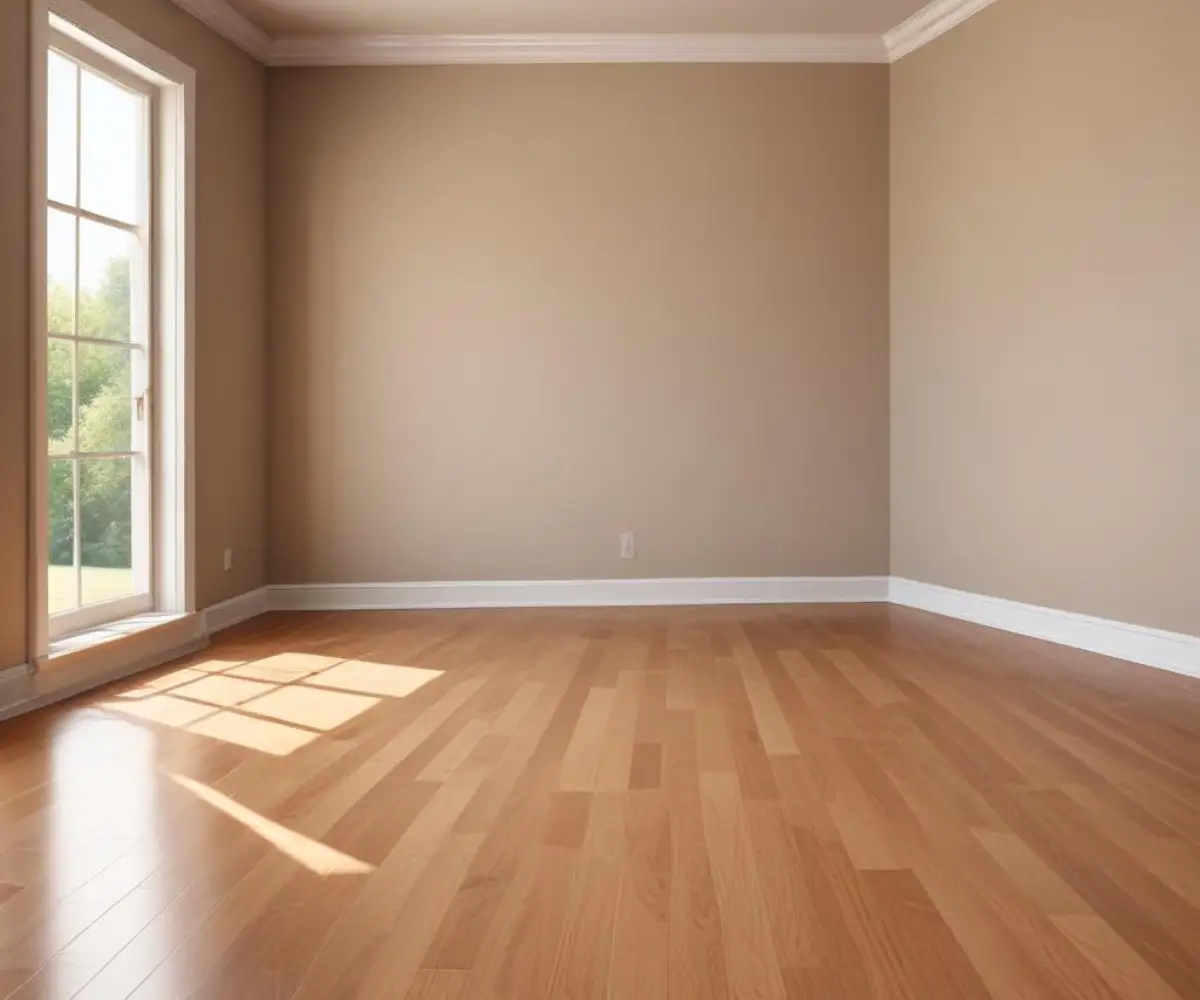
The “Blank Slate” Dilemma: Where Do I Even Begin?
Facing an empty room is perhaps the most intimidating dilemma of all. With no existing elements to guide you, the possibilities are infinite, which can lead to a total shutdown of decision-making. This is where a structured approach becomes your most valuable tool.
Instead of trying to choose everything at once, focus on finding a single “jumping-off point.” This could be a piece of art, a rug, or even a fabric pattern you love. This one item can inform the entire color palette and mood of the room, turning an overwhelming task into a manageable series of related decisions.
A Step-by-Step Framework to Solve Any Design Dilemma
Once you’ve identified your core challenge, you need a reliable process to move forward. This five-step framework transforms a vague goal into an actionable plan, building your confidence at each stage.
Step 1: Define the Emotional Goal of the Space
Before you think about colors or furniture, decide how you want the room to feel. Is it a calm sanctuary, an energetic hub for socializing, or a cozy, intimate retreat? This emotional anchor becomes the filter for every subsequent decision.
Write down three to five adjectives that describe your desired feeling (e.g., “serene, airy, natural”). When you are presented with a choice, ask yourself if it aligns with these words. This simple test cuts through the noise and keeps your project grounded in your personal vision.
Step 2: Create a Focused Vision Board
A vision board is essential, but it can also become a source of confusion if not curated properly. The goal isn’t to collect hundreds of images you like, but to find the common thread among them. Look for recurring colors, textures, materials, and moods.
Your board should be a refined summary of your vision, not a chaotic collage. Aim for 10-15 core images that share a cohesive aesthetic. This focused collection will serve as your design blueprint, providing clear direction when you need to make a choice.
Step 3: Apply the “Rule of Three” for Materials and Colors
To avoid a look that is either too “matchy-matchy” or too chaotic, use the rule of three. This principle suggests repeating an element three times to create a sense of rhythm and intention. This can apply to colors, finishes, or textures.
For your color palette, choose a dominant color, a secondary color, and an accent. For materials, you might have wood as your dominant material, a primary metal, and a secondary accent metal. This simple guideline ensures cohesion without sacrificing visual interest.
Step 4: Map Your Space with Function First
Before you purchase a single item, create a to-scale floor plan of your room. You can do this with simple graph paper or a digital tool. Map out major furniture pieces and, most importantly, the primary traffic patterns.
This exercise forces you to think about how you will actually move through and use the space. It helps you avoid common mistakes like buying a sofa that is too large or placing a table where it obstructs a natural walkway. Function must always precede form.
Step 5: Test, Sample, and Iterate Before Committing
The fear of making a permanent mistake is a huge contributor to design paralysis. Mitigate this fear by testing your ideas on a small scale. Never choose a paint color from a small chip; always paint a large swatch on the wall and observe it at different times of day.
Order fabric swatches, rug samples, and material finishes. Live with them in the space for a few days. This low-stakes testing phase allows you to make informed decisions and commit to big-ticket items with confidence.
Common Design Dilemmas and Pro-Level Solutions
Some design challenges appear so frequently they have become classics. Understanding the standard professional solutions can provide a valuable shortcut and demystify what feels like an impossible problem. Here is a breakdown of some of the most common issues and how to tackle them.
| Design Dilemma | Common Mistake | Expert Solution |
|---|---|---|
| Low Ceilings | Using dark paint colors and short, heavy curtains that stop at the window sill. | Paint walls a light color, use floor-to-ceiling curtains hung high and wide, and choose low-profile furniture to maximize vertical space. |
| Open Floor Plan Lacks Coziness | Pushing all furniture against the walls, creating an empty “dance floor” in the middle. | Use large area rugs to define distinct functional zones (e.g., a living area, a dining area). Create conversational groupings by “floating” furniture away from the walls. |
| Mixing Window Treatments | Using clashing styles and materials in the same visual space, creating a disjointed look. | Establish a unifying element. If styles differ, like when you mix plantation shutters and blinds, keep the color consistent. Alternatively, use different treatments but mount them at the same height to create a clean line. |
| Awkward, Empty Corner | Ignoring the space or allowing it to become a collection point for clutter. | Give the corner a dedicated purpose. Create a reading nook with a comfortable chair and a lamp, build in a small desk area, or add a statement plant to bring in life and height. |
| Lack of Natural Light | Using dark colors and heavy furniture that absorb light. | Paint walls in a light, reflective color. Use mirrors strategically to bounce light around the room. Choose furniture with legs to create a sense of openness and opt for sheer or light-filtering window treatments. |
The Unspoken Rule of Design: Embracing “Perfectly Imperfect”
One of the biggest mental hurdles in decorating is the pressure to achieve perfection. A truly beautiful and comfortable home is not one that looks like a sterile showroom. It’s one that reflects the personalities, histories, and quirks of the people who live there.
Your home should tell your story. Don’t be afraid to display items that have personal meaning, even if they don’t perfectly match your new design scheme. The most compelling spaces are those that feel collected and evolved over time, not decorated in a single weekend.
When to DIY vs. When to Call a Pro
While this guide can empower you to tackle many design dilemmas, it’s also important to recognize when you need professional help. Some issues go beyond aesthetics and require technical expertise.
Consider hiring a professional for projects involving structural changes, electrical or plumbing work, or if you are making a very significant financial investment and want to avoid costly errors. A designer can provide a master plan that you can implement over time, ensuring a cohesive result and saving you from expensive mistakes in the long run.
Your Home Is a Journey, Not a Destination
Overcoming a design dilemma is about more than just choosing the right paint color or sofa. It’s about developing a process that replaces anxiety with confident, intentional decision-making. By identifying your specific challenge, following a clear framework, and giving yourself permission to be imperfect, you can break through decorating paralysis.
Remember that a design dilemma is not a roadblock; it’s an opportunity. It’s a chance to think deeply about how you want to live and to create a space that actively supports that vision. Start with one decision, build on it, and enjoy the process of making your house truly feel like home.