
Dead Rabbit in Yard No Blood? The Silent Killer Explained
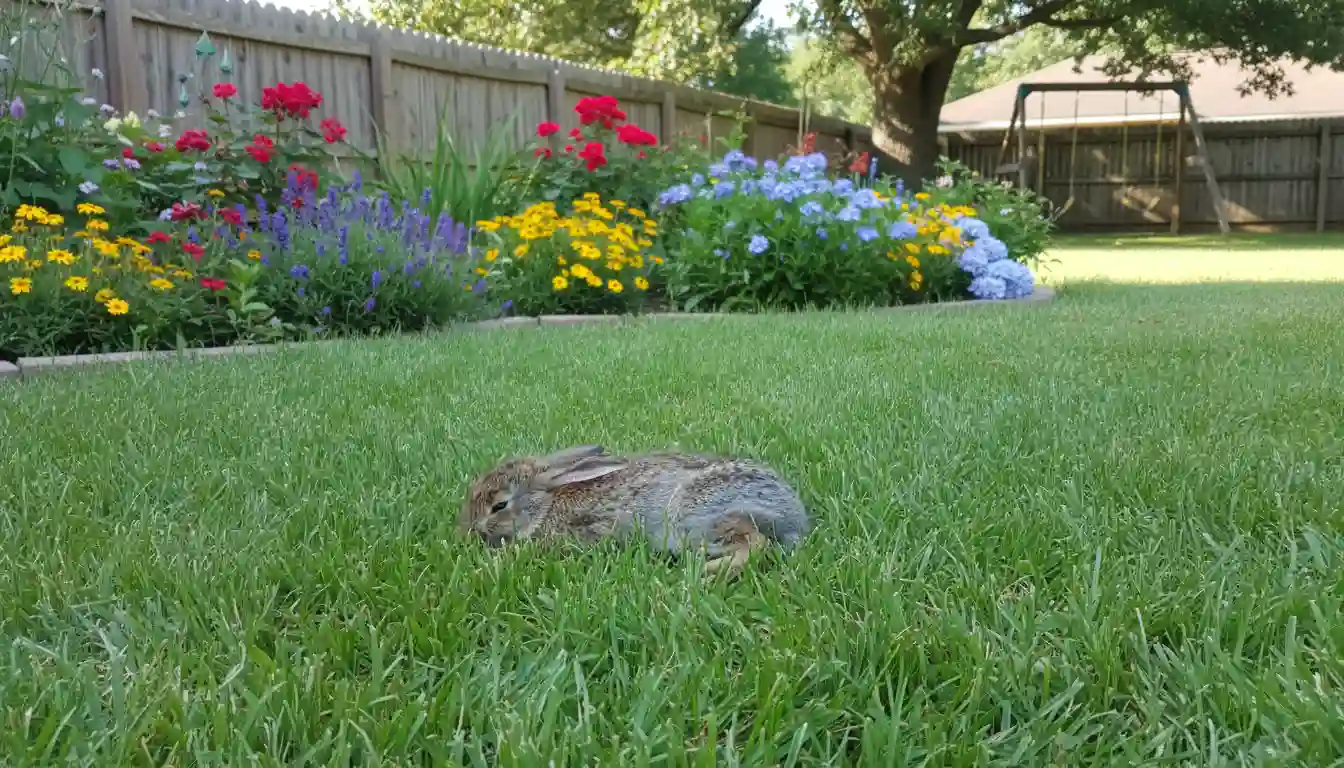
Discovering a dead animal in your yard can be a jarring experience for any homeowner. When that animal is a rabbit, and there’s no visible sign of injury or blood, the situation becomes even more perplexing and concerning. It’s a clean, quiet scene that leaves you with more questions than answers.
This guide is designed to walk you through the potential causes behind this unsettling discovery. We will explore the hidden dangers, address the risks to your family and pets, and provide a clear, step-by-step plan for safe removal and future prevention.
You'll Learn About
The Unsettling Discovery: Decoding the Cause of Death
The absence of blood is the most confusing part of this scenario. Most people associate animal death with some form of struggle or external trauma. However, many of the most common causes of rabbit mortality leave no outward signs.
Internal Injuries and Physical Trauma
One of the most frequent causes of death is blunt force trauma that doesn’t break the skin. A glancing blow from a vehicle, a fall from a height, or even a kick from a larger animal can cause fatal internal bleeding and organ damage. The animal may look perfectly intact on the outside.
Sometimes, the stress of a chase from a predator is enough to cause a heart attack, especially in a prey animal like a rabbit. In these cases, the rabbit dies from shock, leaving behind a seemingly peaceful scene.
The Invisible Threat of Common Poisons
Poisons are another major culprit, and they rarely leave external evidence. Rodenticides, which are anticoagulants, are a primary concern. If a rabbit consumes bait meant for rats or mice, it will die from internal hemorrhaging, but the bleeding is not visible externally.
Other common garden chemicals, such as certain pesticides or herbicides, can also be fatal if ingested. The death is often rapid and occurs without any outward signs of struggle, making it seem as if the rabbit simply laid down and died.
Silent Killers: Prevalent Rabbit Diseases
Perhaps the most serious potential cause is disease. Certain illnesses that affect rabbit populations are swift, deadly, and leave no visible trace. One of the most significant is Rabbit Hemorrhagic Disease Virus (RHDV2), a highly contagious and fatal disease that can cause sudden death.
Another dangerous illness is Tularemia, also known as “rabbit fever.” It can be transmitted to humans and pets. Rabbits with Tularemia often become lethargic and die suddenly without obvious symptoms. Because of these disease risks, it is critical that you do not handle the carcass with your bare hands.
Is It a Danger to Your Family and Pets? Assessing the Risks
Finding a dead rabbit is not just an issue of cleanup; it’s a potential health hazard. Understanding the risks is the first step in protecting your household. You must proceed with caution to mitigate any potential for exposure to pathogens.
The Threat of Zoonotic Diseases
The primary concern is the transmission of zoonotic diseases—illnesses that can pass from animals to humans. Tularemia is a serious bacterial infection that can be contracted by handling an infected animal carcass. It can also be transmitted via ticks or fleas that leave the dead host.
Symptoms in humans can range from mild to life-threatening. Pets, especially cats and dogs, are also susceptible if they come into contact with or ingest the infected carcass.
Attracting Unwanted Scavengers and Pests
A dead animal will not go unnoticed by other wildlife for long. A carcass can attract scavengers like raccoons, opossums, coyotes, and vultures to your property. This can lead to a host of other problems and potential conflicts.
Furthermore, the carcass will quickly become a breeding ground for flies and other insects. This can lead to maggot infestations and an increase in flying pests around your home, creating an unsanitary environment.
| Potential Cause of Death | Key Signs (or Lack Thereof) | Associated Risks |
|---|---|---|
| Internal Trauma | No visible wounds, no blood. May be in an unnatural position. | Minimal direct health risk, but attracts scavengers. |
| Poisoning (e.g., Rodenticide) | No external signs. May be found near bait stations or garages. | Secondary poisoning risk to pets or wildlife that scavenge the carcass. |
| Disease (e.g., RHDV2, Tularemia) | No external signs. Appears to have died suddenly. | High risk. Potential transmission of serious diseases to humans and pets. |
| Electrocution or Accident | No blood. May be found near electrical units or damaged structures. | Indicates other hazards on property, like when you accidentally hit the garage door frame with your car, exposing wiring. |
The Definitive Guide to Safe Removal and Disposal
Once you understand the risks, you must act quickly and safely to remove the carcass. Proper handling and disposal are essential to protect yourself and prevent the spread of disease or the attraction of pests.
Step 1: Gear Up for Safety
Before you do anything, you must put on Personal Protective Equipment (PPE). Do not touch the animal with your bare hands under any circumstances. The minimum required PPE includes:
- Disposable waterproof gloves: Use thick, durable gloves to prevent any contact with your skin.
- A face mask or respirator: An N95 mask is recommended to avoid inhaling airborne bacteria or pathogens.
- Long sleeves and pants: Cover your skin to prevent contact with fleas or ticks leaving the carcass.
Step 2: The Double-Bag Method
This method ensures the carcass is sealed securely. Use a shovel or a piece of cardboard to gently move the rabbit onto the ground. Avoid using tools that might puncture the body.
Carefully slide the carcass into a heavy-duty plastic garbage bag. Once the rabbit is inside, seal the bag tightly. Then, place this first bag into a second heavy-duty garbage bag and seal that one as well. This double-bagging technique contains any potential pathogens and odors.
Step 3: Disinfection and Disposal
After bagging the carcass, you need to disinfect the area where it was found. Use a solution of one part bleach to nine parts water to thoroughly spray the ground. This will help kill any remaining bacteria or viruses.
For disposal, check your local regulations. Most municipalities allow for disposal in your regular household trash, provided the animal is securely double-bagged. Alternatively, you can bury the rabbit, but it must be buried at least three feet deep to prevent scavengers from digging it up. If you are unsure, contact your local animal control or public health department for guidance.
Preventing Future Incidents: How to Make Your Yard Less Appealing
After you have dealt with the immediate issue, your focus should turn to prevention. Making your yard a less attractive habitat for rabbits can reduce the chances of this happening again. A well-maintained property is your first line of defense.
Secure Your Property with Fencing
The most effective way to keep rabbits out is with proper fencing. A chicken wire or hardware cloth fence that is at least two feet high is generally sufficient. It’s crucial to also bury the fence at least six inches deep to prevent rabbits from digging underneath it.
Regularly inspect your fence for any gaps or damage. Rabbits can squeeze through very small openings, so diligent maintenance is key to keeping your yard secure.
Natural Rabbit Repellents and Smart Landscaping
You can also deter rabbits by making your garden less palatable to them. Rabbits dislike strong smells, so planting aromatic herbs like lavender, rosemary, or mint around the perimeter of your garden can act as a natural repellent.
When it comes to landscaping, choosing plants that rabbits tend to avoid is a smart strategy. For instance, while some plants are a magnet for wildlife, others coexist beautifully. Considering a blueberry bush in the front yard can provide edible landscaping that is often less tempting to rabbits than tender vegetables or flowers.
Eliminating Attractants
Rabbits are drawn to yards that offer food, water, and shelter. Remove potential hiding spots like brush piles, dense shrubbery, and areas of tall grass. Secure the lids on your garbage cans and ensure pet food is not left outside.
Pay close attention to anything that could be an unintended food source. A clean and tidy yard is not just about aesthetics; it is a critical part of humane and effective wildlife management.
When to Call the Professionals
While most homeowners can handle a single dead animal, there are situations where calling for professional help is the best course of action. Knowing when to make that call is important for your safety and peace of mind.
Contacting Animal Control or Wildlife Services
If you find multiple dead animals over a short period, you should contact your local animal control or state wildlife agency immediately. This could be a sign of a significant disease outbreak, such as RHDV2, and officials will need to be aware of it.
You should also call a professional if the animal is in a location that is difficult or dangerous to access, such as under a deck or in a crawl space. Proper home maintenance, from the foundation to the roofline where you might have a quartz range hood vent, is crucial for preventing animals from getting into tricky spots.
Consulting a Pest Control Expert
If you are dealing with a recurring problem of animals in your yard, a pest control expert can offer comprehensive solutions. They can help identify and seal potential entry points to your property and offer strategies for long-term wildlife management.
These experts can provide a more robust plan than simple repellents, ensuring your home and garden are protected from future intrusions. Taking proactive steps is always better than reacting to another unpleasant discovery.
