d’CON for Chipmunks: A Dangerous Gamble for Your Garden & Pets
That flash of reddish-brown, the striped back, and the impossibly full cheeks—chipmunks can seem like a charming addition to a garden. But when their charming digging turns into destructive burrowing, homeowners often look for a quick solution. One name that frequently comes to mind for rodent control is d’CON, leading many to wonder if it’s the answer to their chipmunk woes.
However, reaching for a product like d’CON to handle a chipmunk problem is fraught with serious, often hidden, dangers. It’s crucial to understand not just what these products do, but the cascading impact they can have on your property, your pets, and the local ecosystem before you even consider this route.
You'll Learn About
Why Chipmunks Become a Problem
Chipmunks aren’t just spirited characters; they are industrious burrowers. Their survival depends on creating extensive tunnel systems to store food and shelter from predators. While this is natural behavior, it becomes a significant issue when it happens next to your home’s foundation or under your carefully laid patio stones.
These burrows can be surprisingly long, sometimes reaching up to 30 feet. When dug near a foundation, they displace essential soil, which can lead to settling and cracking over time. The tunnels also create channels for water, potentially directing moisture toward your basement and leading to water intrusion and erosion. What starts as a small hole by your steps can evolve into a costly structural issue.
Beyond the Foundation: Garden and Home Damage
The damage isn’t limited to hardscaping. Chipmunks are notorious for digging up and devouring flower bulbs, ruining carefully planted gardens. They also raid bird feeders and can chew through irrigation lines. On rare occasions, their burrowing can lead them into homes, particularly into basements or crawl spaces where they may cause further damage. If you suspect an entry, understanding how to deal with chipmunks in your crawl space is a critical next step.
The d’CON Deception: Is It Even for Chipmunks?
When faced with this level of destruction, a poison bait might seem like an effective countermeasure. However, the first and most important fact to understand is that rodenticides like d’CON are not legal for use against chipmunks. These products are specifically labeled for use against house mice and rats. Using them for any other animal is considered an “off-label” use, which is illegal and poses significant environmental risks.
The reason for this restriction is tied to chipmunk behavior. Unlike rats and mice that often consume bait in one location, chipmunks are hoarders. They are likely to pouch the poison pellets and carry them elsewhere, storing them in caches that other, non-target animals could find and consume. This dramatically increases the risk of unintentional poisoning.
A Shift in Deadly Ingredients
Historically, d’CON products used anticoagulant ingredients like brodifacoum, which cause internal bleeding. However, due to regulatory changes aimed at protecting children, pets, and wildlife, the company transitioned its residential-use products. The active ingredient in current d’CON bait stations is cholecalciferol (Vitamin D3).
While Vitamin D3 sounds harmless, in the massive doses found in rodenticides, it causes hypercalcemia—a severe buildup of calcium in the blood. This leads to kidney failure, heart problems, and death. Critically, unlike the old anticoagulants which had an antidote (Vitamin K1), there is no simple antidote for cholecalciferol poisoning, making it extremely dangerous for pets.
The Ripple Effect: The Grave Dangers of Poison
Using a product like d’CON, even if it were legal for chipmunks, unleashes a chain of potential tragedies that extend far beyond the intended target. The most significant risk is secondary poisoning, which poses a grave threat to pets and local wildlife.
A chipmunk that consumes poison bait becomes a toxic meal for any predator or scavenger that finds it. This includes hawks, owls, foxes, and neighborhood cats and dogs. Because poisons like cholecalciferol take days to kill, the weakened chipmunk is an easy target, making the transfer of poison highly likely. The predator then suffers the same agonizing death as the rodent.
Direct Risk to Pets and Children
Beyond secondary poisoning, there’s the direct risk. A dog might find and eat the bait station itself, or a chipmunk might move the poison pellets to an area of your yard where your pet or a child could find them. The consequences of a pet ingesting cholecalciferol bait are severe and often fatal, requiring immediate and expensive veterinary intervention.
Smarter & Safer Ways to Manage Chipmunks
Given the extreme risks and illegality of using poisons, it’s clear that d’CON is not the solution. Fortunately, a combination of humane and effective strategies, known as Integrated Pest Management (IPM), can solve your chipmunk problem for good without endangering your family or the environment.
Step 1: Exclusion – Your First and Best Defense
The most effective long-term solution is to physically block chipmunks from burrowing in sensitive areas. Use 1/4-inch hardware cloth to create L-shaped barriers along the foundation of your home, deck, or patio. Bury the hardware cloth at least a foot deep and bend it outwards to form an “L” shape underground. This prevents them from digging under it.
Regularly inspect your home’s foundation for cracks or holes and seal them promptly. Pay close attention to gaps around pipes, vents, and windows. While checking these areas, it’s a good practice to assess the condition of all your home’s fixtures; many homeowners find this is a good time to read up on things like Southern Rose Windows reviews to ensure all potential entry points are secure.
Step 2: Habitat Modification – Make Your Garden Less Inviting
Chipmunks are attracted to areas that offer food and cover. By making your yard less hospitable, you can encourage them to move elsewhere.
- Remove Debris: Clear away woodpiles, rock piles, and dense ground cover near your foundation, as these provide perfect shelter.
- Secure Food Sources: Clean up fallen nuts and berries promptly. If you have bird feeders, place them at least 15-30 feet away from the house and use trays to catch spilled seeds.
- Strategic Planting: Chipmunks dislike certain plants with strong smells, such as daffodils, alliums (garlic and onions), and marigolds. Integrating these into your garden can act as a natural deterrent. When choosing ground covers, be mindful of their growth habits. Some plants can become unruly, so it’s wise to research if a choice like creeping wintergreen is invasive before planting it widely.
Step 3: Trapping – A Direct and Targeted Approach
When exclusion and habitat modification aren’t enough, trapping is the most direct and recommended method for removing chipmunks. You have two main options: live traps and lethal snap traps.
Live-catch traps are a humane option that allows you to capture the chipmunk and relocate it. Bait the trap with peanut butter, sunflower seeds, or oatmeal. It is crucial to check local regulations regarding the relocation of wildlife; in some areas, it may be illegal or require release in a specific area.
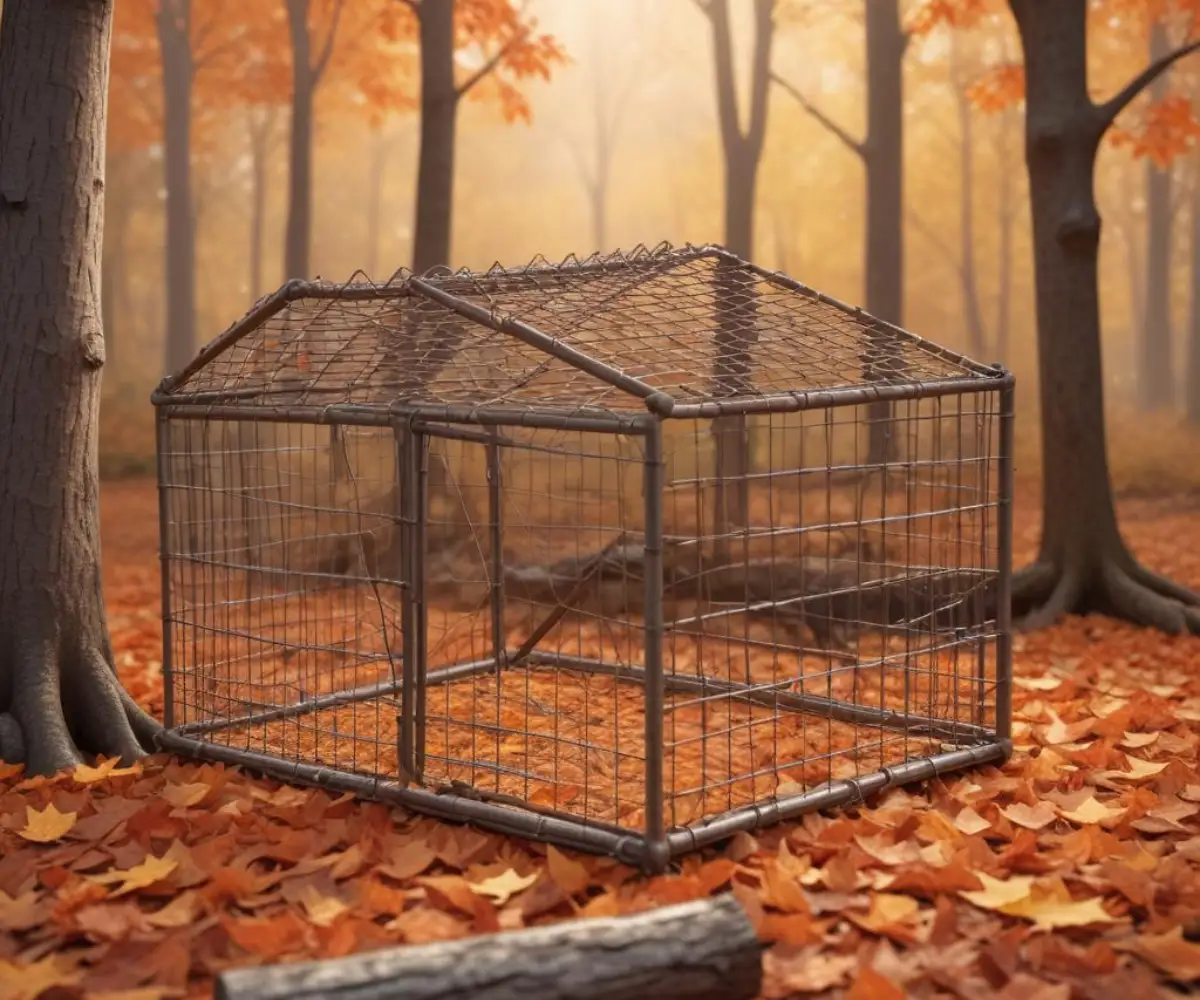
Lethal snap traps, specifically rat-sized versions, offer a quick and definitive solution. To prevent harming birds or other wildlife, place the trap inside a box or under a leaning board, creating a tunnel that only the target animal is likely to enter.
| Control Method | Effectiveness | Safety Risk | Humaneness | Effort Level |
|---|---|---|---|---|
| Poison Bait (e.g., d’CON) | High (but illegal) | Very High (Pets & Wildlife) | Very Low | Low |
| Live-Catch Trapping | High | Low | High (if checked daily) | Medium |
| Lethal Snap Traps | High | Medium (use in boxes) | High (if instant) | Medium |
| Exclusion (Barriers) | Very High | Very Low | Very High | High (initial setup) |
| Repellents & Deterrents | Low to Medium | Very Low | Very High | Low to Medium |
Step 4: Repellents – A Supporting Strategy
Repellents can be a useful part of an integrated strategy, though they are rarely a complete solution on their own. Commercial repellents often use capsaicin (hot pepper) or predator urine to deter chipmunks. You can create a homemade spray with water and cayenne pepper. These need to be reapplied regularly, especially after rain.
Some homeowners also have success with strong scents like peppermint oil, garlic, and coffee grounds sprinkled around affected areas. Motion-activated sprinklers can also be effective at startling chipmunks and conditioning them to avoid certain zones.
Making the Responsible Choice
The allure of a quick fix like d’CON is understandable when you’re watching your property sustain damage. But the truth is stark: it is an illegal, dangerous, and inhumane choice for chipmunk control. The potential for devastating secondary poisoning of pets and wildlife creates a risk that far outweighs any perceived benefit.
By adopting a multi-layered approach—starting with exclusion and habitat modification, and turning to trapping for targeted removal—you can protect your home and garden effectively. This responsible path not only solves your chipmunk problem but also preserves the safety of the animals, pets, and people who share your environment.