
Dark Wood Paneling with Light Wood Floors: A Guide to Modern Elegance
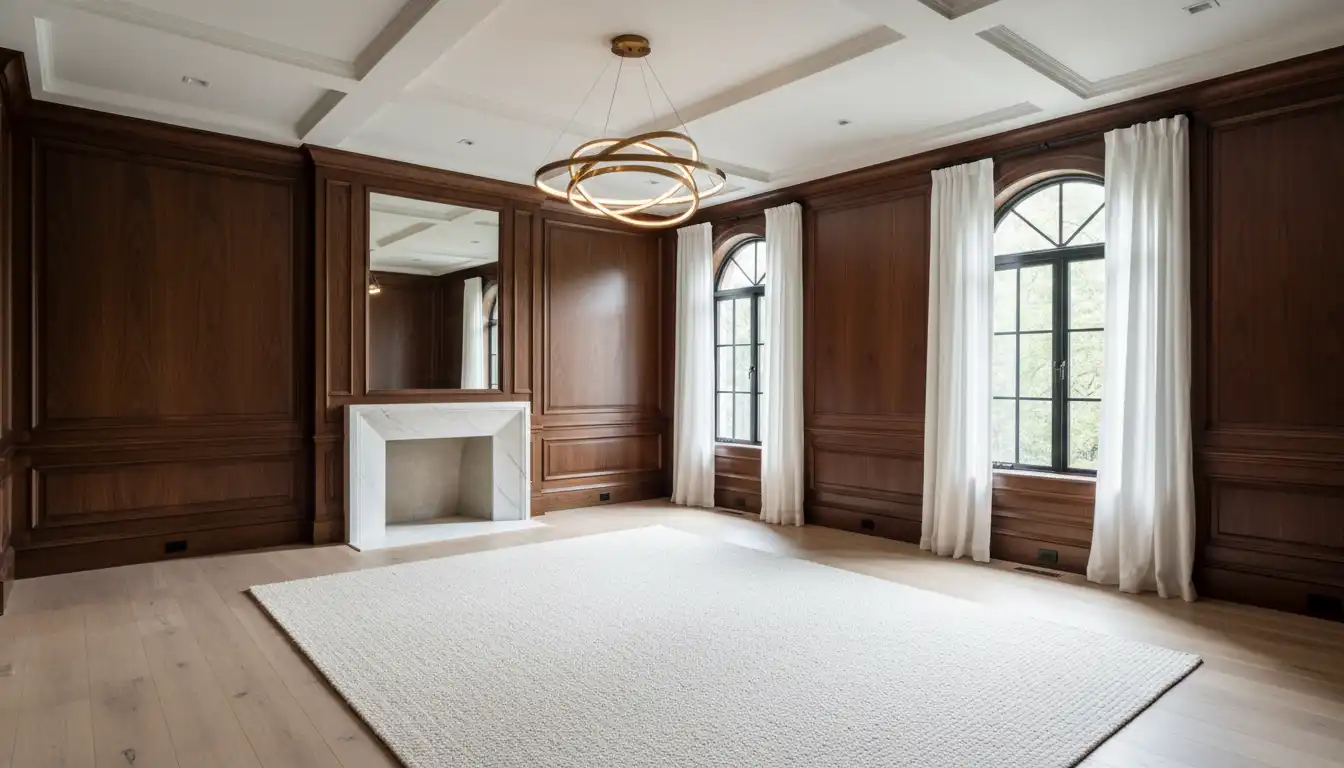
The challenge of dark wood paneling often feels insurmountable. Many homeowners find it can make a room feel dated, heavy, and confined, reminiscent of a bygone era.
This design feature, while capable of exuding warmth and character, can easily overwhelm a space if not handled correctly. The core problem lies in balancing its commanding presence with a bright, airy, and contemporary aesthetic that modern homeowners crave.
You'll Learn About
The Core Challenge: Escaping the Dated & Dark Dilemma
Historically, dark wood-paneled rooms were a symbol of status and formal elegance. Today, however, they can present a significant design hurdle that leaves many feeling stuck with a space that is out of step with current trends.
The “Rec Room” Stigma
One of the biggest issues is the association with mid-century basements and dens. This perception can make it difficult to envision the paneling as a chic and sophisticated element of a modern home. Without the right design strategy, these walls can feel more like a design problem than a feature to be celebrated.
The goal is to reframe the paneling, transforming it from a dated backdrop into a stunning architectural feature. This requires a deliberate and thoughtful approach to every other element in the room, starting from the ground up.
The Contrast Conundrum
Pairing dark wood paneling with light wood floors is a brilliant solution, but it introduces its own challenge: managing the high contrast. If not executed carefully, the result can be a jarring visual separation between the walls and the floor. This creates a disconnected look where the two elements fight for attention rather than complementing each other.
The secret to success is creating a cohesive design that feels intentional and harmonious. It’s about bridging the gap between the dark and the light, ensuring a seamless flow throughout the space. When done right, this combination creates a dynamic tension that is both dramatic and inviting.
The Foundation of Balance: Choosing Your Wood Tones
The success of this entire look hinges on the specific tones of wood you choose for both the walls and the floors. It is not enough for one to be dark and one to be light. The undertones must work in harmony to create a unified and sophisticated palette.
Selecting the Perfect Light Wood Flooring
The choice of light wood flooring sets the stage for the entire room. It acts as a reflective surface, bouncing light up and making the space feel larger and more open. Consider options like white oak, maple, birch, or ash for a clean and contemporary base.
Each species offers a unique grain pattern and color profile. White oak provides a neutral, versatile foundation, while maple offers a smoother, more uniform appearance. The key is to select a floor that provides a distinct contrast without feeling stark.
Understanding Undertones: The Secret to a Cohesive Palette
This is where many design plans go wrong. Every wood has a color temperature or undertone—it can be warm (with red, orange, or yellow notes), cool (with gray, blue, or violet notes), or neutral. For a truly professional look, the undertones of your dark paneling and light floors should align.
For instance, if your dark walnut paneling has warm, reddish undertones, a light wood floor with similar warm, honeyed notes will feel more cohesive than a cool, ashy-toned floor. Conversely, a dark, ebonized paneling with cool undertones pairs beautifully with a pale, gray-washed oak. Holding wood samples next to each other in the room’s natural light is a critical step.
Mastering the Art of Light and Space
With dark walls, lighting is not just a utility; it is a primary design tool. A strategic lighting plan is essential to prevent the room from feeling cave-like and to highlight the rich texture of the wood. The right lighting can transform the entire mood of the space.
Furthermore, maximizing the available light, both natural and artificial, is paramount. The interplay between light and the dark wood surfaces can create depth, drama, and an inviting ambiance that feels both cozy and expansive.
Strategic Lighting to Illuminate and Define
A multi-layered lighting approach is crucial. Start with ambient lighting from a central fixture or recessed lights to provide overall illumination. Next, add task lighting where needed, such as reading lamps or under-cabinet lights.
Finally, and most importantly, use accent lighting. Uplighting or wall-washing fixtures can be directed at the paneled walls to graze the surface, highlighting the wood’s grain and preventing the walls from feeling like dark voids. This technique adds depth and a sense of luxury.
Consider the color temperature of your bulbs as well. A warm white (around 2700K-3000K) will enhance the richness of the wood, while a cooler light can create a more modern, stark effect. Dimmer switches are non-negotiable, allowing you to control the intensity and mood throughout the day.
Maximizing Natural Light and Reflective Surfaces
The role of natural light cannot be overstated. Ensure window treatments are minimal to allow as much daylight as possible to flood the space. The quality of your windows can make a significant difference; for instance, learning who makes Unishield windows can help you explore options that offer maximum light transmission and efficiency.
Beyond windows, use mirrors and other reflective surfaces strategically. A large, well-placed mirror can double the perceived amount of light and space, reflecting the light from the floor and windows onto the dark walls. Accents like metallic photo frames, glass tabletops, and polished chrome or brass decor will also help bounce light around the room.
Furnishing Your Space: Creating Harmony and Flow
Furniture and decor are the elements that bridge the gap between the dark walls and light floors. Your choices in this area will determine whether the room feels like a cohesive, curated space or a collection of disparate parts. The goal is to create a visual conversation between the high-contrast elements.
The Role of Area Rugs in Bridging the Gap
An area rug is one of the most powerful tools in your design arsenal. It physically and visually connects the flooring to the rest of the room. Choose a rug that incorporates both light and dark colors from your palette.
For example, a light-colored rug with a dark geometric pattern can tie the two extremes together perfectly. The rug’s texture is also important; a plush, high-pile rug can add softness to contrast with the hard surfaces of the wood, making the space feel more inviting.
Choosing Furniture: Color, Scale, and Style
When selecting furniture, opt for pieces that will stand out against the dark paneling. Light-colored upholstery, such as cream, beige, light gray, or even a bold accent color, will create a pleasing contrast and prevent the furniture from disappearing into the walls. Avoid placing dark furniture directly against the dark walls unless you are intentionally creating a subtle, moody effect.
The scale of the furniture is also critical. In a room with heavy visual elements like dark paneling, it’s important to choose pieces with a lighter profile. Furniture with raised legs, for example, allows you to see the light floor underneath, creating a sense of openness and preventing the room from feeling weighed down. This “leggy” furniture is a key element in modern design.
| Light Wood Flooring Option | Typical Undertones | Design Style Compatibility | Key Considerations |
|---|---|---|---|
| White Oak | Neutral to Cool (slight yellow/gray) | Modern, Scandinavian, Transitional | Extremely versatile and hides scratches well due to its strong grain pattern. |
| Maple | Warm (creamy, light yellow) | Contemporary, Minimalist | Offers a clean, uniform look with subtle graining. Can be prone to yellowing over time. |
| Birch | Warm (pale yellow to reddish) | Scandinavian, Rustic Modern | Softer than oak, so it may dent more easily. Known for its appealing, subtle shimmer. |
| Ash | Cool to Neutral (pale grayish-white) | Modern, Coastal, Japandi | Very durable and shock-resistant with a prominent, straight grain. |
| Hickory | Warm (creamy to medium brown) | Farmhouse, Rustic, Industrial | Known for its high color variation and durability, adding significant character. |
Beyond the Basics: Advanced Designer Techniques
Once you have the fundamentals of wood tones, lighting, and furniture in place, you can elevate the design with sophisticated details. These advanced techniques are what separate a nice room from a truly stunning, professionally designed space. They add layers of texture, color, and personality.
These final touches demonstrate a deeper understanding of design principles. They work to create a multi-sensory experience, engaging the eye with varied textures and thoughtful color palettes that complete the room’s narrative.
The Power of Texture and Materiality
Texture is essential for adding warmth and preventing a high-contrast room from feeling flat. Introduce a variety of materials to complement the wood. Think of plush velvet sofas, chunky knit throws, linen curtains, and leather accents.
Incorporate other materials like stone or metal. A marble coffee table or a fireplace surround can introduce a new, luxurious element. Brass or black metal accents in light fixtures, hardware, and decor pieces will add a sharp, modern edge that cuts through the dominance of the wood.
Bringing in natural elements like large potted plants can also add life and organic texture to the space. The vibrant green of the foliage provides a beautiful, natural accent color against the dark wood.
Trim and Ceiling Color: The Unsung Heroes
Do not overlook the impact of your trim and ceiling color. Painting the ceiling a crisp, bright white is a classic choice that enhances the feeling of height and openness, reflecting light back down into the room. This is often the safest and most effective option.
For trim (baseboards, window casings, crown molding), you have a few choices. Matching the trim to the light floor color can create a seamless transition. Alternatively, painting the trim a crisp white can frame the dark walls beautifully, making them pop like a piece of art. Avoid dark trim unless you are aiming for a very traditional, library-style look, which can make the room feel smaller.
Pre-Installation Checks: A Critical Step
Before undertaking such a transformative project, ensuring the room’s “bones” are in good condition is vital. A beautiful new floor can be ruined by underlying issues. This is especially true in older homes where paneling might hide problems.
It’s crucial to check for any signs of moisture, pests, or structural damage. An unusual odor can be a significant red flag; for instance, understanding does a dead animal smell like sewage could help diagnose a hidden problem behind the walls that needs to be addressed before any cosmetic work begins. A thorough inspection ensures your investment is built on a sound foundation.
Similarly, for those dealing with older installations, understanding how to handle them is key. Even a classic feature like 1950s knotty pine paneling can be updated with the right approach to flooring and decor, turning a potential negative into a celebrated vintage feature.
By thoughtfully combining dark wood paneling with light wood floors and applying these core design principles, you can create a space that is dramatic, sophisticated, and thoroughly modern. It’s a testament to the fact that even seemingly dated features can be transformed into the centerpiece of a stunning home.
Conclusion
It appears the conclusion for the previous topic was provided, but if you have a new subject in mind or would like a different version of those summaries, I am happy to help.
A strong conclusion should effectively bridge the gap between the initial problem and the ultimate resolution, leaving the reader with a clear sense of direction or a renewed perspective. Whether you are discussing home design, arboriculture, or a completely different field, the goal is to synthesize the key takeaways into a concise, impactful closing statement that reinforces the central theme.
