
Dark Walnut vs Provincial: The Stain Secret Pro Decorators Use
Choosing a wood stain for your floors, cabinets, or furniture feels like a permanent decision, and the fear of making the wrong choice is real. You’re caught between two classic options: the deep, modern allure of Dark Walnut and the warm, traditional comfort of Provincial. This decision is more than just picking a color; it’s about defining the mood and style of your home for years to come.
The core problem is uncertainty. Will Dark Walnut make your room feel too dark or severe? Will Provincial look dated or clash with your contemporary decor? The samples on the store shelf look so different under your home’s lighting, and the appearance varies wildly depending on the type of wood, especially with the notorious pink undertones of red oak floors.
This guide cuts through the confusion. We will provide a detailed, side-by-side comparison of Dark Walnut and Provincial, exploring their undertones, how they interact with different wood species, and the design styles they best complement. By the end, you’ll have the clarity and confidence to select the perfect stain that not only looks beautiful but also perfectly captures your home’s intended atmosphere.
You'll Learn About
Unmasking the Contenders: Dark Walnut vs. Provincial
Understanding the fundamental character of each stain is the first step toward making an informed choice. These two popular browns come from the same color family but offer distinctly different personalities. Their unique undertones and grain effects are the secret to their specific design applications.
The Profile of Dark Walnut Stain
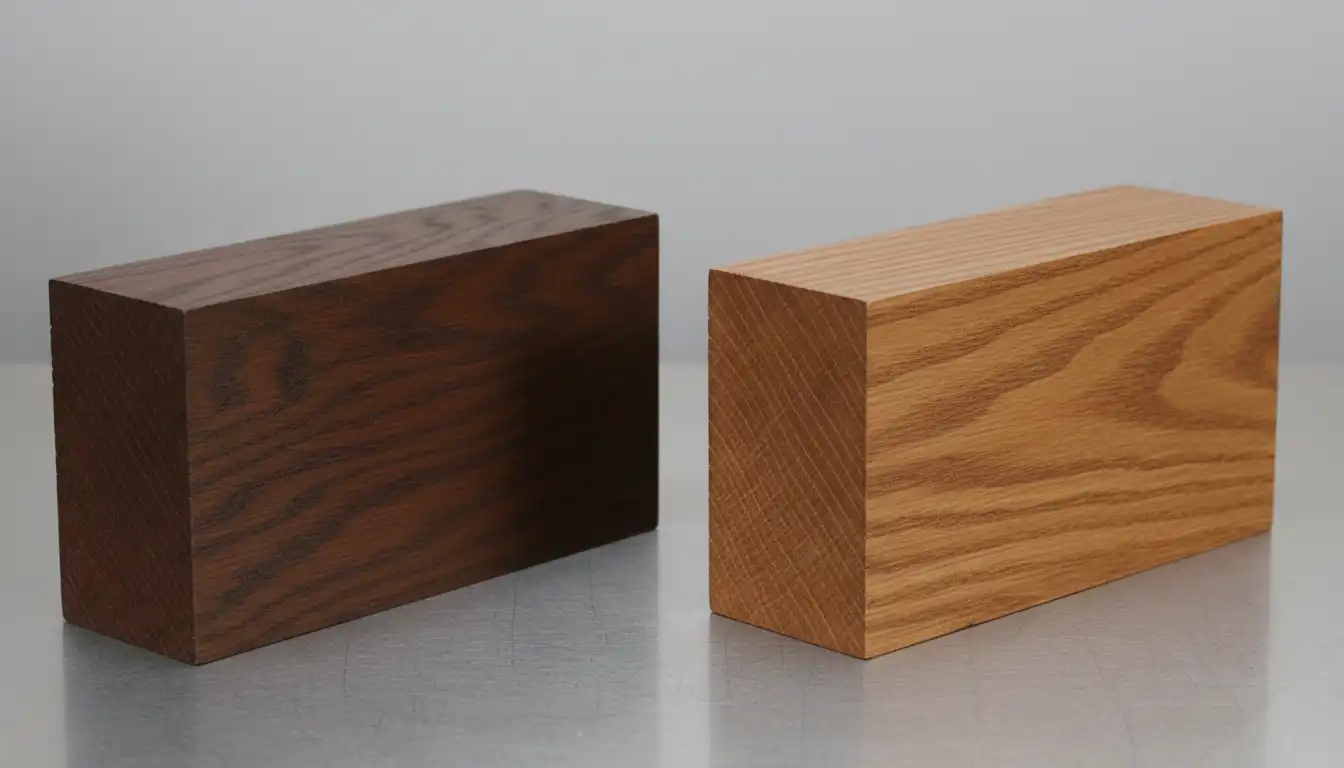
Dark Walnut is a rich, deep brown with cool, neutral undertones. Think of the color of dark chocolate or freshly brewed espresso. It is known for its ability to create a dramatic, elegant, and modern look. Because of its high pigment concentration, Dark Walnut provides more uniform coverage, which can sometimes mute the natural grain of the wood for a more consistent finish.
This characteristic makes it an excellent choice for minimizing color variations in wood or for achieving a sleek, contemporary aesthetic. However, its dark nature means it can show dust and scratches more readily than lighter stains, a practical consideration for high-traffic areas or homes with pets and children.
The Profile of Provincial Stain
Provincial is a warm, medium-toned brown with subtle golden or orange undertones. It evokes a sense of cozy, rustic charm and timeless tradition. Unlike the more opaque Dark Walnut, Provincial is prized for its ability to enhance and celebrate the wood’s natural grain, adding depth and character without overpowering it.
This stain strikes a beautiful balance, offering noticeable color and warmth while letting the unique patterns of the wood shine through. Its medium tone is more forgiving of dust and minor imperfections, making it a practical choice for busy households seeking a classic, inviting feel.
The Decisive Factor: How Wood Species Change Everything
The single most critical element influencing the final look of your stain is the wood itself. Every wood species has a unique base color, grain pattern, and porosity, which dictates how it absorbs stain. What looks one way on a sample of white oak can look completely different on red oak or pine.
Staining Oak: The Most Common Challenge
Oak is the most common hardwood for flooring in many homes, but not all oak is the same. The two primary varieties, red oak and white oak, react very differently to staining.
Red Oak has distinct pink or reddish undertones. Applying Provincial, with its warm golden notes, can amplify these red tones, resulting in a finish that might appear more orange or red-brown than anticipated. Dark Walnut, with its cooler base, can help neutralize some of that redness, but the underlying warmth can still come through, creating a complex, rich brown.
White Oak is the preferred choice for designers because it has a more neutral, yellowish-brown base. It provides a “blank canvas” that allows both stains to appear truer to their intended color. On white oak, Provincial looks like a classic, warm medium brown, while Dark Walnut achieves its deep, espresso-like potential without competing with red undertones.
Beyond Oak: Other Wood Considerations
While oak is common for floors, other woods are frequently used for furniture and cabinetry. Woods like pine are much softer and can absorb stain unevenly, leading to a blotchy appearance if not properly prepared with a wood conditioner. Maple is very dense, making it difficult for dark stains to penetrate evenly. Always test your chosen stain on a scrap piece of the specific wood you’ll be using for your project.
The Pro Secret: Neutralizing Undertones and Choosing a Topcoat
Many DIY enthusiasts and even some professionals focus solely on the stain color, overlooking two critical steps that can dramatically alter the final result: managing the wood’s natural undertones and selecting the right protective topcoat. This is where you can elevate your project from good to professionally flawless.
The persistent pinkish hue of red oak is a common frustration. To achieve a purer brown, you must first neutralize that underlying red. A subtle but highly effective technique is to use a stain with a green or ashy base to counteract the red. While neither Dark Walnut nor Provincial are green-based, you can apply a very light wash coat of a gray or green-toned stain first, or mix a small amount into your primary stain to cancel out the red before applying your main color. This is an advanced technique that requires careful testing on scrap wood.
Furthermore, the protective finish you apply over the stain has a significant impact. An oil-based polyurethane topcoat will impart a warm, amber glow that deepens over time. This effect can beautifully enrich the warmth of Provincial but may turn a cool Dark Walnut slightly warmer than intended. Conversely, a water-based polyurethane dries crystal clear and will not alter the stain’s true color, making it the ideal choice when you want to preserve the exact shade you selected, especially for the cool tones of Dark Walnut.
Head-to-Head: A Comprehensive Comparison
Making the final decision requires a direct comparison of how each stain performs across various factors. From aesthetics to practicality, here’s how Dark Walnut and Provincial stack up against each other.
At a Glance: Feature Comparison Table
| Feature | Dark Walnut | Provincial |
|---|---|---|
| Color Profile | Deep, rich brown | Warm, medium brown |
| Undertones | Cool, neutral | Warm, golden-orange |
| Grain Effect | Tends to mute the grain for a uniform look | Enhances and highlights the natural grain |
| Best For Styles | Modern, Contemporary, Industrial, Formal | Traditional, Farmhouse, Rustic, Transitional |
| Maintenance | Shows dust, scratches, and pet hair more easily | More forgiving; hides minor imperfections well |
| Best Wood Pairings | White Oak, Maple (with conditioner) | White Oak, Hickory, Pine (with conditioner) |
| Room Size Perception | Can make small spaces feel smaller or cozier | Helps maintain a sense of openness |
The Influence of Light
Never underestimate the power of lighting. Natural daylight will reveal the true character and undertones of a stain. In a sun-drenched room, Provincial can appear bright and golden, while Dark Walnut will look rich and deep without feeling overpowering.
Artificial lighting, however, changes the game. Warm, yellow-toned light bulbs will amplify the warmth in Provincial, making it feel even cozier. Cooler, blue-toned LED lights can make Dark Walnut appear more stark and modern, while potentially washing out the warmth of Provincial. It is crucial to test your stain samples in the intended room and observe them throughout the day and under your typical evening lighting.
Designing Your Space: Styling with Dark Walnut and Provincial
Your stain choice is a foundational element of your room’s design. It sets the tone for your wall colors, furniture, and hardware. Here is how to build a cohesive design around each stain.
Creating a Modern Haven with Dark Walnut
Dark Walnut floors or cabinets are a perfect base for a modern, minimalist, or industrial aesthetic. The key is contrast and clean lines. Pair Dark Walnut with light, cool-toned wall colors like crisp whites, light grays, or soft blues to create a dramatic and sophisticated look.
For furnishings, think sleek and uncluttered. Furniture with metal accents, such as brushed nickel or chrome, complements the cool tones of the stain. To avoid a sterile feel, introduce texture through plush rugs, linen curtains, and leather upholstery. This approach ensures the space feels intentional and chic, not dark and heavy.
Crafting a Cozy Retreat with Provincial
Provincial stain is the heart of warm, inviting spaces like modern farmhouse, traditional, or rustic designs. It pairs beautifully with warm, creamy whites, greiges (a mix of grey and beige), and muted earth tones like sage green or terracotta. These colors harmonize with the golden undertones of the stain, creating a welcoming and cohesive environment.
Furnishings that feature natural materials work best. Think of a rustic wooden dining table, a comfortable linen sofa, or woven accent pieces. Hardware in warmer metals like aged brass, bronze, or black iron enhances the traditional feel. For a home centered around comfort and timeless appeal, such as one featuring a beautiful combination gas and wood fireplace, Provincial provides the perfect warm foundation.
The DIYer’s Guide to a Flawless Finish
Achieving a professional-looking result is possible with careful preparation and application. Staining is not a process to be rushed. Patience and attention to detail are your greatest tools.
Step 1: Preparation is Non-Negotiable
Proper prep is 90% of the job. Every successful staining project begins with thorough sanding. Start with a medium-grit sandpaper (like 120-grit) and work your way up to a finer grit (like 220-grit) to create a smooth surface. Always sand in the direction of the wood grain to avoid creating visible scratches that will show up after staining.
After sanding, the surface must be impeccably clean. Vacuum all dust, then wipe the surface with a tack cloth. Any remaining dust will get trapped in the stain, creating a gritty, uneven finish.
Step 2: The Role of Wood Conditioner
For porous woods like pine, birch, and maple, applying a pre-stain wood conditioner is a crucial step. These woods are prone to absorbing stain unevenly, resulting in a blotchy appearance. Conditioner partially seals the wood, allowing the stain to penetrate more uniformly for a consistent color.
Step 3: Application and Removal
Apply the stain generously with a lint-free cloth or a foam brush, always moving in the direction of the wood grain. Allow the stain to penetrate for the time recommended by the manufacturer, typically 5-15 minutes. The longer it sits, the darker the color will be.
This next step is critical: wipe off all the excess stain thoroughly with a clean, lint-free cloth. Leaving excess stain on the surface will result in a sticky, tacky finish that never fully cures. For a deeper color, it is always better to apply a second coat after the first has dried completely, rather than leaving a thick layer of wet stain on the wood.
Step 4: The Final Protection
After the stain is completely dry (allow at least 24 hours), apply a protective topcoat like polyurethane. This seals the wood, protects it from moisture and scratches, and adds durability. Apply two to three thin coats, lightly sanding with very fine-grit sandpaper (320-grit or higher) between each coat for the smoothest possible finish.
Taking the time for these steps ensures your hard work pays off with a beautiful, durable finish that lasts. Even small details, like ensuring your home is quiet and peaceful by addressing issues like rain noise on a chimney cap, contribute to a better working environment and a more satisfying project outcome. Similarly, keeping your tools in good working order, from your sander to your leaf blower, is part of a holistic approach to home maintenance; resources for troubleshooting common tools can be invaluable.
Final Verdict: Which Stain Is Right for You?
The choice between Dark Walnut and Provincial ultimately comes down to your personal style, the specifics of your home, and your long-term goals. There is no universally “better” option—only the one that is better for you.
Choose Dark Walnut if: You are aiming for a modern, elegant, or dramatic aesthetic. You have neutral white oak floors or are prepared to counteract the red tones in red oak. You prioritize a sleek, uniform appearance over pronounced wood grain and don’t mind the slightly higher maintenance of a dark finish.
Choose Provincial if: You want to create a warm, inviting, and timeless atmosphere. Your style leans toward traditional, farmhouse, or rustic. You want to celebrate the natural character and grain of your wood and prefer a more forgiving color that hides dust and minor scratches well.
The most important piece of advice is to test extensively. Purchase small sample cans of both stains and apply them to a scrap piece of your actual wood or an inconspicuous area like a closet corner. Live with the samples for a few days to see how they look in different lighting conditions. This small investment of time and money is the best way to guarantee a result you will love for years to come.
