Curtains Without Blinds: Your #1 Guide to a Chic Window
For decades, the standard approach to window treatments has been a predictable one: blinds for privacy, curtains for style. But what if this two-part system is unnecessary? What if it’s actually making your rooms feel dated, cluttered, and costing you more than it should?
Many homeowners feel trapped by this traditional setup, assuming it’s the only way to achieve both privacy and a polished look. The reality is that opting for curtains without blinds is a designer-approved strategy that can elevate your home, creating a space that feels more modern, airy, and effortlessly elegant.
This guide challenges the outdated notion that you need both. We’ll explore how a single layer of well-chosen curtains can solve your privacy and light-control problems while delivering a superior aesthetic. Get ready to simplify your windows and upgrade your style.
You'll Learn About
Why Skipping Blinds is the Designer-Approved Move You Haven’t Tried
The idea of forgoing blinds might seem radical, but it’s a choice rooted in sophisticated design principles. It’s about intentional simplicity and letting the quality of your chosen fabric do the heavy lifting. By removing the bulky, mechanical layer of blinds, you create a softer, more cohesive look.
This approach isn’t about sacrificing function for form; it’s about finding a smarter, more streamlined solution. Let’s debunk the myths and explore the powerful benefits of a curtains-only window treatment.
The Myth of Needing Double Layers
The belief that windows require two distinct layers—one hard, one soft—is a persistent myth. This idea often stems from a misunderstanding of what modern textiles can achieve. High-quality curtain fabrics are engineered to provide a spectrum of functionalities, from light filtering to complete blackout, all on their own.
A single, well-selected curtain panel can offer the same level of privacy and light control as a cumbersome blind-and-curtain combination. The key is to understand the properties of different fabrics and weaves to make an informed choice that meets your specific needs without unnecessary complexity.
Achieving a Minimalist, Uncluttered Look
Blinds, with their cords, slats, and hardware, add visual noise to a room. Opting for curtains alone instantly streamlines your window’s appearance, contributing to a clean and minimalist aesthetic. This simplified approach makes a room feel larger and more serene.
The gentle, flowing lines of fabric create a softer silhouette than the rigid structure of blinds. This not only enhances the decor but also fosters a more calming and inviting atmosphere in your living space.
Cost-Effective Elegance: A Smarter Investment
Outfitting your windows with both blinds and curtains can be a significant expense. When you start to ask, “why are blinds so expensive,” you realize that a large portion of the cost is for a function that high-quality curtains can perform on their own. By choosing to go without blinds, you can redirect your budget toward premium curtain fabric and hardware.
This is a smarter investment in the long run. Investing in one high-quality element that serves multiple purposes is more efficient than buying two separate, potentially lower-quality treatments. You get a better look and superior function for a comparable, or even lower, cost.
The Ultimate Guide to Choosing Curtains for a Blinds-Free Life
Successfully dressing your windows with only curtains hinges on one critical factor: the right fabric. The material you choose will determine everything from the level of privacy to the ambiance of the room. It’s time to move beyond thinking of curtains as just a decorative afterthought and see them as the functional powerhouse of your window.
This section will walk you through the essential considerations for selecting the perfect curtains that stand strong on their own, providing the privacy, light control, and style you need without the need for a backing layer of blinds.
Fabric is Everything: Your First Line of Defense
The fabric you select is the single most important decision in a curtains-only setup. The material’s weight, texture, and weave will directly impact its ability to block light and obscure the view from outside. Forget flimsy, thin materials; you need a fabric with substance.
Think of materials like dense linen, rich velvet, or tightly woven cotton blends. These fabrics not only look luxurious but also provide a substantial barrier. Their inherent properties ensure privacy, especially at night when interior lights are on, which is the primary concern for most homeowners considering this approach.
Sheer, Semi-Sheer, or Blackout? Finding Your Perfect Match
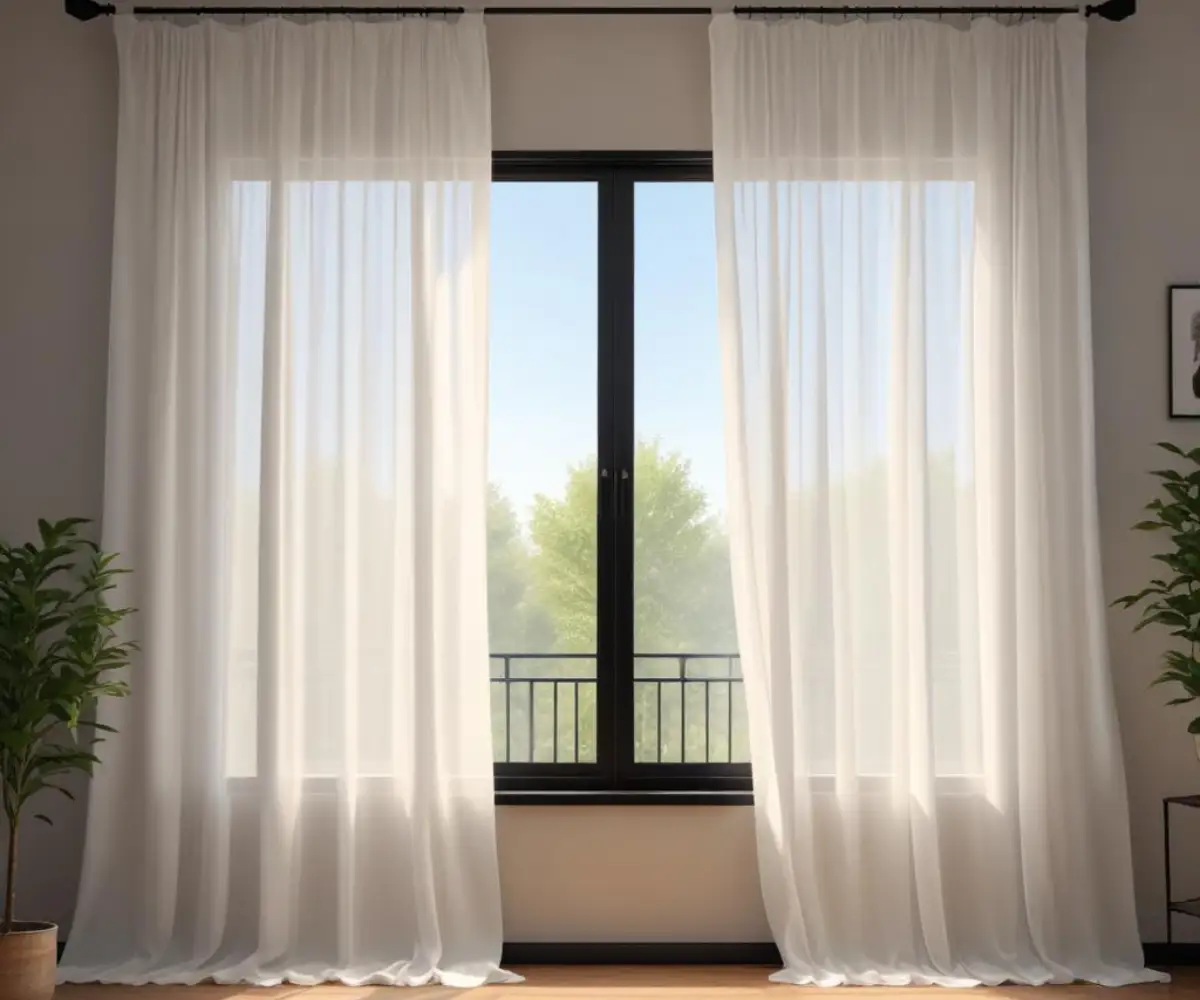
The beauty of a curtains-only system is its versatility, which is defined by the opacity of your chosen fabric. Sheer curtains are perfect for living areas where you want to maximize natural light while providing a soft veil of daytime privacy. They create a bright, airy feel but are not suitable for bedrooms or bathrooms where nighttime privacy is crucial.
For bedrooms and other private spaces, blackout curtains are the ideal solution. Made from opaque, often multi-layered fabric, they block nearly all light and offer complete privacy. Semi-sheer and light-filtering options strike a balance, offering more privacy than sheers without completely darkening a room, making them a flexible choice for various spaces.
The Power of Weave: How Texture Impacts Privacy
Beyond the type of fabric, the tightness of its weave is a critical, yet often overlooked, factor. A densely woven fabric, regardless of its thickness, will offer significantly more privacy than a loosely woven one. When shopping, hold the fabric up to a light source to test its opacity.
Texture also plays a role. Fabrics with a natural texture, like a slub linen or a brushed cotton, can help to distort the view from the outside, enhancing privacy. Smooth, silky fabrics may reveal more silhouettes, so consider the interplay between weave and texture for your specific needs.
Mastering Privacy and Light Control with Only Curtains
The two biggest concerns when ditching blinds are ensuring adequate privacy and maintaining control over the natural light entering a room. Fortunately, with the right strategies, curtains alone can manage these tasks beautifully. It’s all about smart techniques and leveraging the full potential of your window treatments.
From clever hardware choices to strategic layering, you can create a flexible system that adapts to your needs throughout the day. This approach offers a softer, more elegant solution than the harsh, binary open/closed function of blinds.
The Layering Illusion: Double Rods for Ultimate Flexibility
If you love the airy feel of sheer curtains during the day but need absolute privacy at night, a double curtain rod is your best friend. This system allows you to hang two sets of curtains independently. Place a layer of sheer curtains on the inner rod, close to the window, and a layer of opaque or blackout curtains on the outer rod.
This setup gives you the best of both worlds. You can enjoy filtered sunlight through the sheers during the day, and simply draw the blackout curtains for complete privacy and darkness in the evening. This mimics the function of blinds and curtains but with a much more sophisticated and cohesive look.
Strategic Placement: Mounting Tricks for Maximum Coverage
How you hang your curtains is just as important as the curtains themselves. To maximize privacy and light-blocking capabilities, mount the curtain rod high and wide. Install the rod at least 4-6 inches above the window frame and extend it 6-10 inches on either side.
This technique does two things: it creates the illusion of a larger window, and it allows you to pull the curtains completely clear of the window when open, maximizing light. When closed, the extra width ensures there are no gaps along the sides where light and prying eyes can peek through, providing a solid wall of coverage.
Beyond the Fabric: The Role of Curtain Liners
If you’ve fallen in love with a curtain fabric that isn’t quite opaque enough for your needs, adding a curtain liner is a simple and effective solution. Liners are separate panels of fabric that can be clipped or sewn onto the back of your main curtains. They come in various options, including light-filtering, thermal, and blackout.
Using a liner allows you to customize any curtain to your exact specifications. This is an excellent way to boost the privacy and insulation properties of a lighter-weight decorative fabric, giving you functional performance without compromising on your aesthetic vision.
This approach provides a tailored solution, ensuring even delicate fabrics can be adapted for spaces requiring more privacy. It’s a method that combines aesthetic freedom with practical necessity, much like how one might use elegant glass panels for closing off a loft with glass to maintain an open feel while defining a separate space.
| Fabric Type | Light Control | Privacy Level | Best For | Insulation Properties |
|---|---|---|---|---|
| Sheer (Voile, Chiffon) | Low (Diffuses light) | Low (Daytime only) | Living Rooms, Dining Rooms | Minimal |
| Linen | Medium (Filters light) | Medium | Living Rooms, Home Offices | Moderate |
| Cotton/Cotton Blend | Medium-High | Medium-High | Bedrooms, Family Rooms | Good |
| Velvet | High (Blocks light) | Complete | Bedrooms, Home Theaters | Excellent |
| Blackout (Lined) | Complete (Blocks 99% light) | Complete | Bedrooms, Nurseries | Excellent |
Installation Secrets for a Flawless, Professional Finish
The final step in achieving a stunning curtains-only look is proper installation. Even the most luxurious fabric can look cheap if hung incorrectly. Paying attention to details like hardware, measurements, and curtain style will ensure a polished, high-end result that elevates your entire room.
These professional tips and tricks will help you avoid common pitfalls and hang your curtains in a way that looks intentional and beautifully integrated with your home’s decor.
Hardware That Elevates Your Look
Don’t treat your curtain rod and rings as an afterthought. The hardware you choose is a key decorative element that should complement both your curtains and your room’s overall style. For a modern look, consider sleek metal rods in matte black, brass, or nickel.
Ensure the rod’s diameter is substantial enough to support the weight of your fabric without bowing. A flimsy rod will instantly cheapen the look. For heavier drapes like velvet, choose a rod that is at least 1 inch in diameter. This small detail makes a significant difference in the final presentation.
Measuring for Success: The High and Wide Rule
As mentioned earlier, hanging your curtains high and wide is the professional standard. To be precise, aim to mount the rod about halfway between the top of the window frame and the ceiling. If you have very high ceilings, 4 to 6 inches above the frame is a good rule of thumb.
For width, the rod should extend beyond the window frame on each side. This allows the curtain panels to “stack back” against the wall when open, exposing the entire window and maximizing natural light. It’s a simple trick that lends an air of custom-made luxury to off-the-shelf curtains.
A Note on Grommet Curtains
Grommet curtains are a popular choice for their modern, clean lines. However, achieving a flawless look with them requires some specific knowledge. When closed, the folds should be deep and uniform, creating a structured, wave-like effect rather than being stretched flat. For expert advice on this, understanding how should grommet curtains look when closed is key to a polished appearance.
Proper fullness is crucial. You need enough fabric to maintain those deep folds across the entire window. This ensures they not only look great but also provide the necessary coverage and privacy without unsightly gaps or straining.
Common Mistakes to Avoid When Going Blinds-Free
Transitioning to a curtains-only window treatment can transform a room, but a few common missteps can undermine the effect. Being aware of these potential issues will help you create a look that is both beautiful and highly functional. Avoiding these errors is key to a successful blinds-free design.
From prioritizing aesthetics over function to choosing the wrong materials for your home’s specific needs, these are the mistakes to watch out for.
Forgetting About Window Orientation
A crucial factor many overlook is the direction a window faces. A south-facing window receives intense, direct sunlight all day and may require a thicker, light-filtering fabric or even a blackout liner to prevent glare and protect furniture from fading. An east-facing window gets strong morning light, while a west-facing one gets harsh afternoon sun.
Conversely, a north-facing window receives soft, indirect light, making it a perfect candidate for lighter sheer or semi-sheer curtains that maximize brightness. Failing to match your curtain choice to the window’s solar exposure can lead to a room that is too dark, too bright, or uncomfortably warm.
Choosing the Wrong Fabric Density
A common mistake is selecting a fabric that is too thin or loosely woven, especially for bedrooms or bathrooms. While a curtain might look sufficiently private during the day, interior lights at night can turn it into a semi-transparent screen, revealing silhouettes to the outside world.
Always test a fabric sample at night with your lights on to be certain of its opacity. If in doubt, opt for a denser weave or plan to add a blackout or privacy liner. This foresight prevents a critical privacy failure after the curtains are already installed.
Ignoring Your Home’s Architecture
The most successful window treatments feel like a natural extension of the home’s architecture. Forcing a style that clashes with your window’s design can create a disjointed look. For example, ultra-modern grommet curtains might look out of place on a historic bay window that would be better suited to classic pinch-pleat drapes.
Consider the scale and style of your windows. Large, dramatic windows call for equally substantial curtains and hardware, while smaller windows may be overwhelmed by heavy fabric. The goal is to create a harmonious look that enhances, rather than competes with, your home’s inherent character.