
COREtec Highlands Oak Reviews: The Brutally Honest Truth
Choosing the perfect flooring feels like an impossible puzzle. You crave the timeless, elegant look of hardwood oak, but your home is a bustling hub of activity with kids, pets, and the occasional spilled drink. The thought of scratches, water damage, and constant maintenance is enough to cause a design-induced headache.
This common dilemma forces homeowners into a difficult compromise between beauty and practicality. Do you sacrifice the aesthetic you love for a floor that can withstand daily life, or do you install beautiful but delicate hardwood and live in constant fear of the next dropped toy or muddy paw print? It’s a frustrating choice that many face during a renovation.
COREtec Highlands Oak enters the scene as a proposed solution to this very problem. As a luxury vinyl plank (LVP), it promises the stunning visual appeal of natural oak with unparalleled durability. This article provides a comprehensive, honest review of COREtec Highlands Oak, digging deep into its construction, performance, and real-world user experiences to determine if it truly solves the homeowner’s flooring puzzle.
You'll Learn About
What Exactly is COREtec Highlands Oak? A Deep Dive into LVP
COREtec Highlands Oak is not just another pretty floor; it’s an engineered marvel designed for modern living. It belongs to the luxury vinyl plank category, specifically a type known as Wood Plastic Composite (WPC) flooring. This construction is key to its performance and sets it apart from traditional flooring materials.
At its heart is a patented core structure made from a blend of recycled wood, bamboo dust, limestone, and virgin PVC. This composite core is 100% waterproof, meaning the planks will not swell, warp, or crack when exposed to water. This feature alone makes it a superior choice for kitchens, bathrooms, basements, and laundry rooms where moisture is a constant concern.
The Technology Behind the Beauty: Construction and Layers
The resilience of COREtec Highlands Oak comes from its multi-layer design. The top layer is a robust 20 mil wear layer with a UV acrylic finish. This commercial-grade thickness is crucial for protecting the floor from scratches, stains, and the general wear and tear of a busy household. It’s the floor’s first line of defense against dropped objects and heavy foot traffic.
Beneath the wear layer is the high-definition design layer, which gives Highlands Oak its remarkably realistic wood grain appearance. COREtec utilizes advanced printing technology to create detailed textures and subtle color variations that mimic natural oak. Below this is the waterproof WPC core, which provides dimensional stability and strength. The final layer is an attached cork underlayment, a feature that provides several distinct benefits.
Aesthetics and Design Versatility
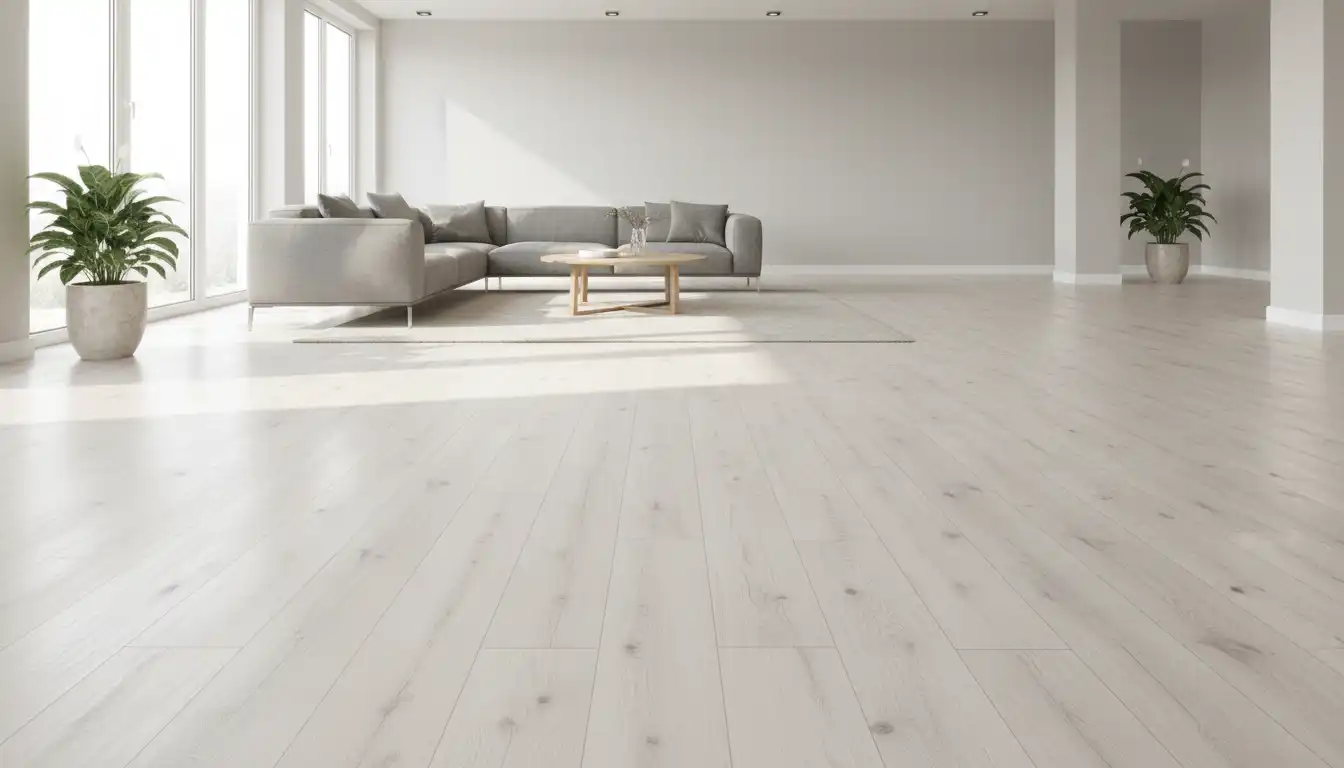
The Highlands Oak collection offers the sophisticated look of wide-plank oak flooring, measuring an impressive 9 inches wide by 72 inches long. This larger format can make rooms feel more open and spacious. The natural grain effect and micro-beveled edges further enhance the authentic wood appearance, adding depth and definition to each plank.
The neutral and versatile color palette of Highlands Oak makes it a fantastic foundation for a variety of interior design schemes. Its light, airy tones pair beautifully with almost any wall color. This flexibility allows you to easily coordinate your decor, whether you’re deciding between white or off-white curtains to create a serene, minimalist look or opting for bold colors for a more dramatic effect.
The Unfiltered Truth: COREtec Highlands Oak Reviews Analyzed
To get a true sense of any product, one must look beyond the marketing claims and analyze the real-world experiences of homeowners. A deep dive into forums, reviews, and user feedback reveals a consistent pattern of both praise and criticism for COREtec Highlands Oak. This honest assessment provides a balanced view of its performance in actual homes.
Many users report high satisfaction with the flooring’s appearance and waterproof nature. However, discussions also highlight recurring concerns about its durability under specific conditions, particularly regarding denting and scratching. By examining both sides, a clearer picture emerges for potential buyers.
The Good: What Homeowners Love
The most frequently praised aspect of COREtec Highlands Oak is its aesthetic appeal combined with its waterproof functionality. Homeowners consistently express delight at having the look of hardwood in moisture-prone areas like kitchens and bathrooms without the worry of water damage. The attached cork underlayment is another celebrated feature, lauded for making the floor warmer and quieter underfoot compared to laminate or tile.
Many reviews from families with pets and children confirm that the flooring is incredibly easy to clean and maintain. Spills wipe up without a trace, and routine cleaning requires little more than a sweep and a damp mop with a pH-neutral cleaner. The DIY-friendly click-lock installation system also receives positive marks from those who chose to install the flooring themselves.
The Bad: Common Complaints and Criticisms
Despite its durable 20 mil wear layer, the most common complaint about COREtec Highlands Oak involves its susceptibility to dents and deep scratches. The WPC core, while providing comfort, is softer than the core of Stone Plastic Composite (SPC) vinyl flooring. Consequently, dropped heavy objects like hammers or even canned goods can leave noticeable dents.
Some users have expressed disappointment with scratching from heavy furniture being dragged or even from the claws of large dogs. While the floor is marketed as pet-proof, this generally refers to its resistance to stains from accidents, not necessarily its immunity to scratches from active pets. Another issue noted by a minority of users is the potential for pattern repetition if planks are not carefully mixed from multiple boxes during installation.
The Unexpected: Beyond Surface-Level Durability
An often-overlooked aspect of LVP durability is how it interacts with heavy, stationary furniture. While many focus on scratch resistance from moving objects, the reality is that heavy items like bookcases, sofas, or appliances can cause “dimples” or indentations in WPC flooring over time. This is due to the softer, aerated nature of the core.
To mitigate this, it is absolutely critical to use large-surface, non-staining floor protectors under all furniture legs. Avoid small, dome-shaped glides, as they concentrate weight and are more likely to cause indentations. Using wide, flat protectors distributes the weight more evenly, preserving the integrity of the floor’s surface for the long term.
Installation Insights: Pro Tips vs. DIY Reality
COREtec promotes its flooring as DIY-friendly, thanks to its floating, angle-tap installation system. While many handy homeowners can achieve excellent results, the success of the installation hinges almost entirely on one crucial factor: the subfloor. A flawless installation is less about the locking mechanism and more about meticulous preparation.
Professional installers stress that skipping subfloor prep is the number one cause of flooring failure, leading to issues like gapping seams, plank separation, and a “bouncy” or noisy floor. Even minor imperfections in the subfloor can be telegraphed through to the surface over time. Ensuring the subfloor is flat, clean, and structurally sound is non-negotiable.
Preparing Your Subfloor: The Non-Negotiable First Step
Before the first plank is laid, your subfloor must be perfectly flat, within a tolerance of 3/16 of an inch over a 10-foot span. Any high spots must be sanded down, and low spots must be filled with a leveling compound. The subfloor also needs to be clean and free of all debris, as even a small pebble can create a pressure point under a plank.
This preparation is especially vital in below-grade installations like basements, where moisture is a greater concern. While you’re creating a moisture-proof and level surface for your new floors, it’s also the perfect time to consider upgrading your walls with a high-performance Dricore Smartwall alternative for a complete, moisture-resistant room renovation.
Common Installation Pitfalls to Avoid
One of the most critical rules for a natural-looking installation is to work from several boxes of planks at once. This allows you to mix the patterns and shades randomly, avoiding the “checkerboard” effect of noticeable pattern repeats. A skilled installer will lay out planks in advance to ensure a pleasing and random distribution.
Another common mistake is failing to leave an adequate expansion gap around the perimeter of the room. COREtec requires a 1/4-inch gap between the flooring and all walls and vertical obstacles. This space allows the floor to expand and contract with temperature changes; without it, the floor can buckle.
Long-Term Care and Maintenance Secrets
Maintaining the beauty of COREtec Highlands Oak is straightforward, but it requires using the right methods and avoiding the wrong ones. The key is gentle, regular cleaning and proactive protection. Harsh chemicals, abrasive tools, and excessive moisture can dull the finish and compromise the wear layer over time.
The manufacturer provides clear guidelines for care, and adhering to them is the best way to protect your investment and keep the floor looking new for years. Simple preventative measures can drastically reduce the risk of damage from daily life.
The Right and Wrong Way to Clean Your Floors
The best practice for routine cleaning is to sweep, dust mop, or vacuum (with the beater bar turned off) to remove grit and debris. For deeper cleaning, use a damp mop with a pH-neutral floor cleaner. Avoid detergents, abrasive cleaners, wax-based products, or “mop and shine” solutions, as they can leave a dulling film on the surface.
Never use a steam mop on COREtec flooring. The combination of high heat and moisture can damage the wear layer and potentially weaken the adhesive layers within the plank. Simply wiping up spills promptly with a soft cloth is sufficient for most messes.
Protecting Your Investment
Proactive protection is paramount. Place protective mats at all exterior doors to trap dirt and grit before they are tracked onto the floor. Use non-staining, large-surface floor protectors under all furniture, and check them regularly for embedded grit.
Seasonal home upkeep plays a role in protecting your floors as well. Just as you would use quality mats to protect your Highlands Oak from winter salt tracked inside, you should also ensure your outdoor equipment is functioning correctly. Ignoring a maintenance issue like a snowblower pulling to one side can lead to bigger problems, much like how using the wrong cleaner can damage your LVP over time.
COREtec Highlands Oak vs. The Competition
When choosing a floor, it’s helpful to see how it stacks up against other popular options. COREtec Highlands Oak’s WPC construction gives it a unique profile of benefits and drawbacks compared to hardwood, laminate, and SPC vinyl flooring. Understanding these differences is key to making an informed decision that aligns with your lifestyle and budget.
Each material offers a different balance of durability, comfort, water resistance, and cost. The ideal choice depends on the specific demands of your household and the room where the flooring will be installed.
| Feature | COREtec Highlands Oak (WPC) | Solid Hardwood | Laminate | SPC Vinyl |
|---|---|---|---|---|
| Water Resistance | 100% Waterproof | Poor – Prone to warping | Water-resistant (at best) | 100% Waterproof |
| Durability (Dents) | Good – Softer core can dent | Varies by wood species | Very Good – Resists dents well | Excellent – Very dent-resistant |
| Durability (Scratches) | Very Good – 20 mil wear layer | Fair – Can scratch easily | Excellent – Highly scratch-resistant | Very Good – Strong wear layer |
| Comfort Underfoot | Excellent – Cork backing adds softness | Good – Natural feel | Fair – Hard and can be loud | Good – Harder than WPC |
| Installation | DIY-friendly click-lock | Professional installation required | DIY-friendly click-lock | DIY-friendly click-lock |
| Maintenance | Low – Sweep and damp mop | High – Requires refinishing | Low – Sweep and damp mop | Low – Sweep and damp mop |
Frequently Asked Questions (FAQ)
Navigating the world of luxury vinyl flooring can bring up many questions. Here are answers to some of the most common inquiries regarding COREtec Highlands Oak to help clarify the final details before making a decision.
Can you install COREtec over existing tile?
Yes, one of the significant advantages of COREtec’s rigid core is that it can be installed as a floating floor directly over many existing hard surfaces, including ceramic tile. The key condition is that the existing floor must be flat, level, and structurally sound. The cork underlayment helps to absorb minor subfloor imperfections, but significant grout lines in the tile may need to be filled with a leveling compound to ensure a smooth, stable installation.
Is COREtec Highlands Oak truly 100% waterproof?
Yes, the planks themselves are 100% waterproof. The WPC core is impervious to water, so the planks will not swell, cup, or warp when exposed to moisture from topical spills. However, it is important to note that while the planks are waterproof, the installation is not necessarily a complete waterproofing system for your subfloor. Excessive water could potentially find its way around the perimeter and under the flooring, so major leaks should still be addressed promptly.
How does the cork backing affect sound and comfort?
The attached cork underlayment is a key feature that significantly enhances the living experience. It acts as a natural acoustic insulator, reducing the transmission of sound between floors, making it a great choice for second-story rooms or multi-family dwellings. It also provides thermal insulation, so the floor feels warmer to the touch than tile or concrete. Finally, it adds a noticeable cushion underfoot, which reduces foot fatigue and makes the floor more comfortable to stand and walk on.
The Final Verdict: Is COREtec Highlands Oak Worth the Investment?
After a thorough analysis, it’s clear that COREtec Highlands Oak is a high-quality flooring product that successfully delivers on its primary promise: providing the beautiful aesthetic of oak hardwood in a 100% waterproof format. Its construction offers superior comfort and sound insulation, making it a pleasant surface to live on.
However, it is not indestructible. The trade-off for its comfortable WPC core is a higher susceptibility to denting compared to harder SPC floors or laminate. Homeowners must be realistic about its limitations and commit to preventative measures like using proper furniture protectors to maintain its appearance.
Who is This Flooring For?
COREtec Highlands Oak is an excellent choice for busy families, pet owners, and anyone prioritizing a waterproof, comfortable, and beautiful floor. It is ideal for installation throughout the entire home, from basements and kitchens to living rooms and bedrooms. Its ease of maintenance makes it perfect for those who want a stunning floor without a demanding upkeep routine.
It is particularly well-suited for homeowners who love the wide-plank oak look but have been hesitant to install real wood due to concerns about spills, moisture, or the comfort and noise level of harder surfaces. The combination of elegant design and practical features makes it a strong contender in the premium LVP market.
Who Should Look Elsewhere?
Those who prioritize dent resistance above all else might be better served by a high-quality SPC vinyl or a durable laminate floor. If the primary installation area is a workshop, home gym with heavy weights, or a space where heavy objects are frequently dropped, the softer WPC core of Highlands Oak may not be the most resilient option.
Additionally, while it is more affordable than hardwood, it is a premium-priced LVP. Budget-conscious buyers may find more cost-effective options in other LVP lines or high-quality laminate, though they may sacrifice the unique comfort and quietness provided by COREtec’s cork underlayment.
