
COREtec Flooring Separating? Your Ultimate Guide to a Perfect Fix
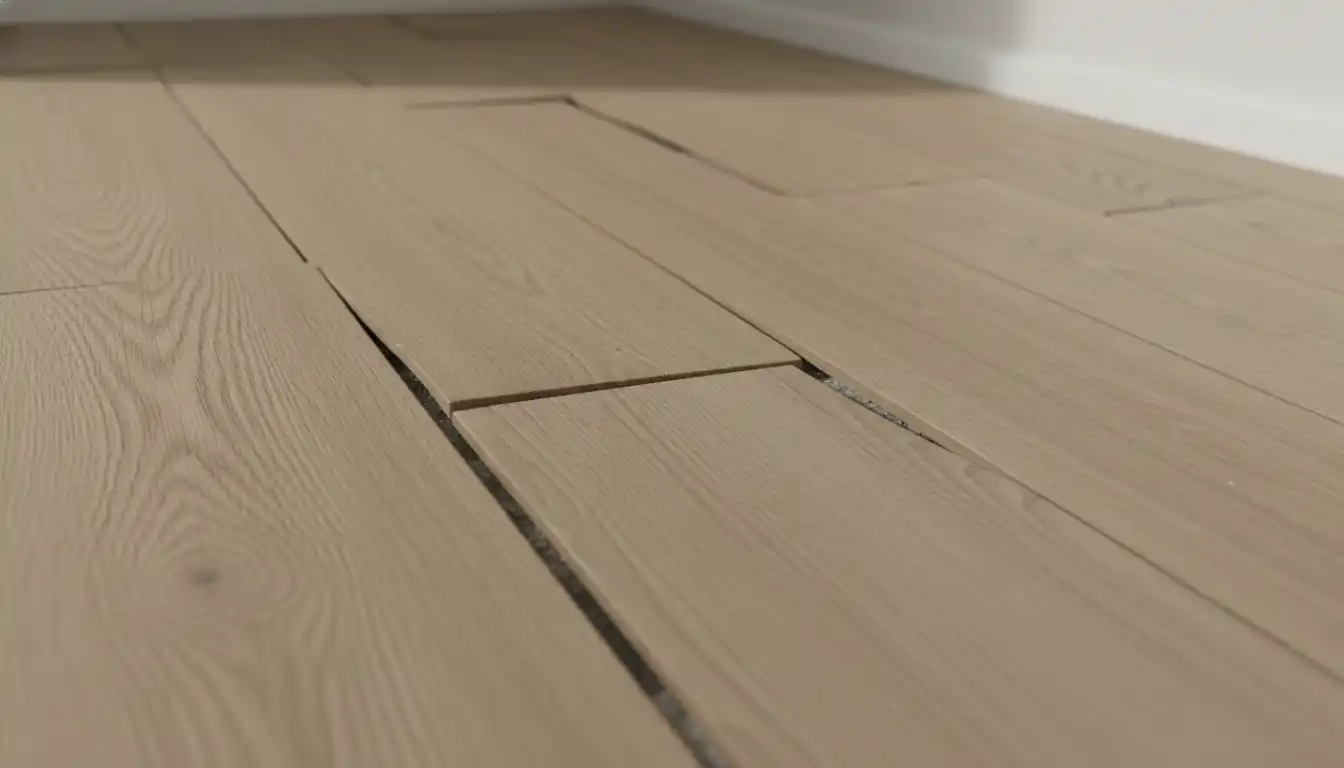
You invested in a beautiful, durable COREtec floor, expecting it to be the flawless foundation of your home. But now, you see them: small but noticeable gaps appearing between the planks. COREtec flooring separating is a frustrating problem that can make an expensive floor look cheap and poorly installed.
This issue is more than just a cosmetic annoyance. Those gaps can trap dirt, allow moisture to seep underneath, and lead to further damage over time. This guide will walk you through the exact reasons why your flooring is separating and provide clear, actionable steps to fix it for good.
You'll Learn About
Why Is Your COREtec Flooring Separating? Uncovering the Root Causes
Understanding the “why” behind flooring gaps is the first step to a permanent solution. More often than not, the problem isn’t with the flooring itself but with the environment or the installation process. Gaps are a symptom of underlying stress on the floor’s locking mechanism.
The Critical Role of Subfloor Preparation
The foundation of your floor is the subfloor, and it must be nearly perfect. COREtec and other luxury vinyl planks require a flat, clean, and dry subfloor. Manufacturers specify that the subfloor must be flat to within 3/16 of an inch over a 10-foot span.
Even small deviations can create stress points. When you walk over an uneven area, the plank flexes, putting strain on the locking joints. Over time, this repeated movement can cause the planks to unlock and separate.
Installation Errors: The Most Common Culprit
A flawless installation is crucial for the longevity of any floating floor. One of the most common mistakes is the failure to leave an adequate expansion gap around the perimeter of the room. COREtec flooring, like any vinyl product, naturally expands and contracts with temperature changes. A ¼-inch gap around all walls and fixed objects (like kitchen islands or cabinets) is mandatory.
Without this space, the floor has nowhere to go when it expands, causing it to buckle or press against itself, leading to separation elsewhere. Another frequent error is not fully engaging the locking system on every single plank, which can lead to weak spots that pull apart over time.
Environmental Warfare: Temperature and Humidity Swings
Drastic changes in temperature and humidity can cause vinyl planks to expand and contract. While COREtec is designed for stability, it is not immune to these forces. Homes without consistent climate control, or rooms exposed to prolonged direct sunlight, are more susceptible to gapping.
Intense sunlight through a window can heat the planks, causing them to expand significantly. As they cool down, they contract, which can create small gaps that worsen with each cycle.
The Unseen Enemy: Subfloor Moisture
While COREtec itself is waterproof, excessive moisture from the subfloor is a major problem. For concrete subfloors, moisture vapor transmission can create a damp environment underneath the planks. This moisture doesn’t damage the COREtec directly but can compromise the subfloor and create conditions that lead to movement and separation.
A proper moisture barrier should always be used over concrete subfloors to prevent this issue. Overlooking this step is a frequent cause of flooring failure.
Your Action Plan: How to Fix Gaps in COREtec Flooring
Seeing gaps is disheartening, but the good news is that many minor separation issues can be fixed without calling a professional. With the right tools and techniques, you can restore your floor’s seamless appearance.
The DIY Toolkit: What You’ll Need
Before you begin, gather a few essential tools. Having everything on hand will make the process smoother and more effective.
- Heavy-duty suction cup or floor gap fixer tool
- Rubber mallet
- Tapping block
- Pry bar
- Clean, soft cloth
For Minor Gaps: The Suction Cup Trick
For small, isolated gaps, you can often coax the planks back together without disassembling the floor. This method works best on floating floors that have room to move. Start by cleaning any debris out of the gap with a vacuum or cloth.
Firmly press a heavy-duty suction cup onto the plank that has shifted, about an inch from the gap. Engage the suction, and then gently tap the edge of the suction cup with a rubber mallet, driving the plank back toward the gap. This may take a few gentle but firm taps to close the gap completely.
The Filler and Adhesive Method for Stubborn Gaps
In some cases, especially if the locking mechanism is slightly damaged, planks may not stay together. For a more permanent fix on a stubborn gap, you can use a combination of flooring adhesive and color-matched seam filler. It’s crucial to understand that this is a last resort for floating floors, as it can restrict movement.
Apply a very thin bead of flexible flooring adhesive into the groove of one plank. Gently tap the other plank into place to close the gap, and immediately wipe away any excess adhesive that squeezes out. For any remaining visual imperfection, a color-matched vinyl flooring putty can be used to fill the seam.
When to Call in the Pros
If you are dealing with widespread gapping across multiple areas of the floor, or if the planks appear to be buckling or peaking, it’s time to call a professional flooring inspector or installer. These are signs of a more significant underlying issue, such as a major subfloor problem or a systemic installation error.
Attempting to fix large-scale problems yourself can sometimes cause more damage and may void your product warranty.
Prevention is the Best Cure: Installing for a Gap-Free Future
Whether you are fixing an existing floor or planning a new installation, adhering to best practices is the key to preventing gaps. A successful flooring project is all about meticulous preparation and following instructions to the letter.
Acclimation is Non-Negotiable
Before installation, COREtec planks must be acclimated to the home’s environment. This means leaving the boxes in the room where they will be installed for at least 48 hours. This allows the planks to adjust to the typical temperature and humidity of the space, preventing significant expansion or contraction after they are installed.
Mastering the Expansion Gap
The importance of a ¼-inch expansion gap cannot be overstated. This space must be maintained around the entire perimeter of the room and any fixed objects. Spacers should be used during installation to ensure this gap is consistent. The gap will be covered by baseboards or quarter-round molding for a finished look.
For larger rooms, the expansion gap requirement may increase. Always consult the specific installation instructions for your COREtec product.
Choosing the Right Underlayment
Most COREtec flooring comes with a pre-attached cork underlayment, which provides sound dampening and comfort. In most cases, you should not add another underlayment, as this can create too much flex and stress the locking systems. The only addition often required is a 6-mil poly film moisture barrier when installing over a concrete subfloor. Different flooring types have different requirements; for example, you can explore other options in these Paradigm Vinyl Flooring reviews to see how they compare.
| Common Cause of Separation | Preventative Measure | Recommended Solution |
|---|---|---|
| Uneven Subfloor | Ensure subfloor is level to within 3/16″ over 10 feet before installation. Use self-leveling compound for low spots. | For major issues, requires floor removal and subfloor leveling. Minor issues may not be fixable without reinstallation. |
| No Expansion Gap | Leave a ¼-inch gap around the entire perimeter and all fixed objects during installation. | Remove baseboards and cut the flooring to create the required gap using an oscillating multi-tool. |
| Temperature Fluctuations | Maintain a consistent indoor climate. Use blinds or curtains to block prolonged, intense sunlight. | Use a suction cup and mallet to close seasonal gaps as they appear. Improve climate control in the home. |
| Improper Plank Locking | Ensure every plank’s locking mechanism is fully engaged during installation using a tapping block. | Use a suction cup and mallet. For persistent issues, reinstall the affected planks. |
| Subfloor Moisture | Use a 6-mil poly vapor barrier over concrete subfloors. Ensure wood subfloors are dry. | Requires floor removal to address the moisture source and properly prepare the subfloor. |
Beyond the Gaps: Other COREtec Considerations
While addressing separation is critical, it’s also worth understanding the broader context of your flooring choice. Each product line has unique characteristics, and proper home maintenance plays a role in the longevity of all your fixtures.
Evaluating Specific Product Lines
Different COREtec collections may have slightly different specifications and performance attributes. For a closer look at a popular option and its real-world performance, our in-depth COREtec Ravenswood Oak reviews can provide valuable insights. Understanding your specific product helps you better diagnose potential issues.
A Note on Household Maintenance
A healthy home environment contributes to the stability of your flooring. High humidity, for instance, can affect more than just your floors. If you notice issues like your bathroom hinges are rusting, it could be a sign of excessive moisture in the air that might also be contributing to flooring expansion. Addressing whole-home humidity can have widespread benefits.
Achieving a Flawless, Long-Lasting Floor
Dealing with COREtec flooring separation is manageable when you understand the causes and apply the correct solutions. Proper installation is the single most important factor in preventing gaps and ensuring your floor remains beautiful and stable for years to come.
By addressing subfloor imperfections, honoring the need for expansion space, and maintaining a stable home environment, you empower yourself to either fix existing problems or prevent them entirely. Your COREtec floor is a significant investment, and with the right care and attention, it can provide a stunning and durable foundation for your home life.
The Final Verdict: Preserving Your COREtec Investment
Gaps in your COREtec flooring, while frustrating, are typically a signal that the floor’s installation or environment needs attention. By identifying the root cause—be it an inadequate expansion gap, an uneven subfloor, or improper locking mechanism engagement—you can successfully intervene and protect your investment.
Key Actions to Ensure Lasting Integrity:
-
Environmental Control: Ensure your room maintains a stable environment. While COREtec is waterproof, extreme temperature swings and high/low humidity can still affect the vinyl material and the subfloor beneath.
-
Proper Resetting: Use the right tools (a tapping block and pull bar) to carefully and methodically re-engage the locking mechanism along the affected rows, ensuring a tight, seamless fit.
-
Expansion Gap Check: Verify that the required $\frac{1}{4}$ to $\frac{1}{2}$ inch expansion gap around the perimeter is present and free of obstruction. This is critical for allowing the floor to expand and contract naturally without buckling or separating.
A properly installed and maintained COREtec floor is designed to be a durable, beautiful foundation for your home. By taking these targeted, corrective steps, you will eliminate the unsightly gaps, restore the flawless appearance of your floor, and ensure its long-term performance and aesthetic value.
