
Converting a Jack and Jill Bathroom to Two? A Smart Move
The Jack and Jill bathroom, a pass-through space connecting two bedrooms, was once a popular architectural feature. However, modern families often find this shared setup creates more problems than it solves. The daily shuffle for privacy and access can lead to frustration and scheduling conflicts.
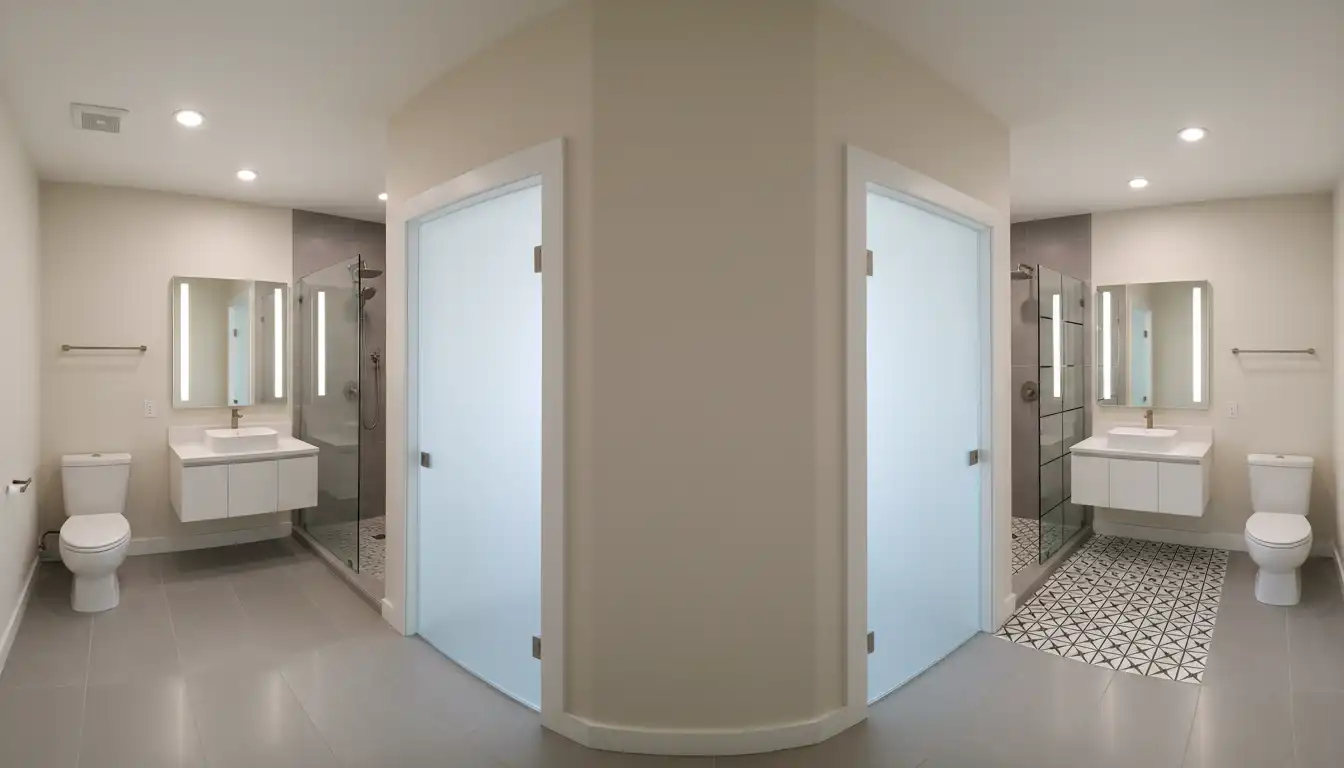
If the morning rush feels like a negotiation for bathroom time, you’re not alone. Many homeowners are now opting for a transformative solution: converting one large, shared bathroom into two separate, private ones. This project can dramatically improve daily life and significantly increase your home’s value.
You'll Learn About
The Jack and Jill Dilemma: More Trouble Than It’s Worth?
While intended to be efficient, the Jack and Jill layout often falls short in practice. The core issues stem from its shared nature. Lack of privacy is the most common complaint; with two entry points, the risk of accidental walk-ins is a constant concern.
This design can also create bottlenecks, especially in households with children or guests. Users often forget to unlock the opposing door, inadvertently locking another person out of their only bathroom access. These daily annoyances are prompting a shift toward more practical and private bathroom configurations.
Is Converting Your Jack and Jill Bathroom the Right Move?
Embarking on a major renovation requires careful thought. Splitting a bathroom is a significant undertaking, but the rewards can be substantial. It’s about weighing the long-term benefits of improved functionality and increased home value against the upfront costs and temporary disruption.
A successful conversion hinges on meticulous planning. Before any walls come down, it’s crucial to assess your space, budget, and the potential return on investment. This foresight ensures the project aligns with both your lifestyle needs and financial goals.
Analyzing the Pros and Cons
Every home improvement project has its trade-offs. Converting a Jack and Jill bathroom offers a compelling list of advantages, but it’s important to understand the potential challenges as well. A clear-eyed view of both sides will help you make an informed decision.
From enhanced privacy to a potential boost in property value, the benefits are clear. However, the costs associated with plumbing, electrical work, and construction must be carefully considered. This balanced perspective is key to determining if the project is a worthwhile investment for your home.
| Aspect | Pros of Conversion (Two Bathrooms) | Cons of Conversion (Retaining Jack and Jill) |
|---|---|---|
| Privacy | Each bathroom is a completely private, single-entry space, eliminating accidental intrusions. | Constant potential for walk-ins from two doors; locking/unlocking doors can be a hassle. |
| Functionality | Two people can use separate, fully equipped facilities simultaneously without conflict. | Scheduling conflicts are common, especially during peak morning hours. |
| Home Value | Adding a full bathroom can increase home value by up to 20%. Two private en-suites are highly desirable. | May be seen as a drawback by potential buyers who prefer private bathrooms. |
| Guest Experience | Provides a dedicated bathroom for guests, enhancing their comfort and privacy. | Guests may feel uncomfortable sharing a pass-through bathroom connected to a private bedroom. |
| Layout Efficiency | Creates two optimized, albeit smaller, functional spaces tailored to individual needs. | Often results in a large, inefficiently used space with awkward traffic patterns. |
| Cost | Significant upfront investment in construction, plumbing, and electrical work. | No immediate renovation cost, but potential for lower resale value. |
Key Considerations Before You Start
Before diving into demolition, a thorough evaluation of your existing space is critical. Measure everything meticulously. You’ll need enough square footage to create two code-compliant bathrooms, each with adequate clearance for a toilet, sink, and shower or tub. Consulting with a contractor or architect at this stage can provide a realistic assessment.
Equally important is your budget. Renovation costs can vary widely based on your location, the complexity of the plumbing, and the quality of fixtures you choose. Obtain multiple quotes from reputable contractors to establish a realistic financial plan, and always include a contingency fund of 10-15% for unexpected issues.
Finally, don’t overlook local building codes and permit requirements. Major renovations, especially those involving plumbing and electrical systems, almost always require permits. Ensuring all work is compliant from the start will prevent costly headaches and legal issues down the line.
The Conversion Blueprint: A Step-by-Step Guide
Transforming one bathroom into two is a multi-phase process that demands precision and expertise. From the initial design concepts to the final fixture installations, each step builds upon the last. A well-defined plan is your roadmap to a successful and stress-free renovation.
This process can be broken down into distinct stages: planning and design, demolition and framing, plumbing and electrical rough-in, and the final finishing touches. Understanding this sequence will help you coordinate with professionals and manage your project timeline effectively.
Phase 1: Planning and Design
The success of your conversion lies in the quality of your plan. Hiring an experienced contractor and designer is a crucial first step. They can help you envision the most efficient layouts, navigate building codes, and create a space that is both beautiful and functional. A common and cost-effective layout is a “back-to-back” configuration, where the two new bathrooms share a central plumbing wall.
During this phase, consider every detail. Proper ventilation is essential in bathrooms to prevent moisture buildup and mold. Plan for adequate lighting, including task lighting at the vanity and ambient light for the overall space. Your choice of fixtures, tiles, and finishes will also be finalized here, defining the style and feel of your new bathrooms.
Phase 2: Demolition and Framing
Once the design is finalized, the physical transformation begins with demolition. This involves carefully removing existing fixtures, flooring, and any walls that are not part of the new layout. This stage can often reveal the unexpected, such as hidden water damage or outdated wiring that needs to be addressed.
If you encounter old vanities or panels secured with strong adhesives, knowing how to remove glued wood from a wall is a useful skill. After the space is cleared, the new framing goes up. This includes building the dividing wall that will separate the two bathrooms, creating the foundational structure for your new private spaces.
Phase 3: Plumbing and Electrical Rough-In
This is arguably the most complex and critical phase of the project. It involves installing all the new plumbing and electrical lines before the walls are closed up. This work should always be performed by licensed plumbers and electricians to ensure safety and code compliance.
Plumbing work includes running new hot and cold water supply lines for two sinks, two toilets, and two showers or tubs. Drain and vent lines must also be installed, which may require connecting to your home’s main soil stack. Electrically, new wiring will be run for lights, exhaust fans, and GFCI-protected outlets, all on dedicated circuits to handle the load safely.
Phase 4: Finishing Touches
With the guts of the new bathrooms in place, it’s time to bring the vision to life. Drywall is installed, taped, and mudded, creating smooth walls ready for paint or tile. Waterproofing membranes are applied in shower and tub areas to protect the structure from moisture.
Next comes the installation of flooring, tile, vanities, and countertops. The final step is setting the fixtures—toilets, sinks, faucets, and showerheads are connected and tested. Precision is key, especially when ensuring a new toilet sits perfectly level; this is where knowing how to cut toilet shims correctly can make all the difference for a stable, rock-free installation.
Budgeting Your Bathroom Conversion: A Realistic Breakdown
Understanding the potential costs is essential for planning your conversion project. While every project is unique, costs generally fall into predictable categories. Labor will be a significant portion of the budget, often accounting for 40-60% of the total expense. This includes the expertise of plumbers, electricians, carpenters, and tile setters.
Materials and fixtures make up the remainder of the cost. High-end finishes like natural stone tile and custom vanities will increase the budget, while quality stock options can provide a beautiful look for less. The most significant variable is often the plumbing; if new drain lines need to be run across a long distance or through concrete, costs can rise substantially.
Beyond the Basics: Advanced Considerations for a Seamless Conversion
A truly successful renovation goes beyond just the functional necessities. Thoughtful details can elevate your new bathrooms from merely practical to genuinely luxurious and comfortable. These advanced considerations often address issues that aren’t immediately obvious but have a major impact on daily life.
By focusing on elements like sound privacy, smart space utilization, and the long-term investment value, you can create bathrooms that not only solve the problems of a Jack and Jill layout but also add lasting comfort and appeal to your home.
Soundproofing the New Wall
When creating two adjacent bathrooms, sound privacy becomes a top priority. No one wants to hear everything happening in the bathroom next door. Investing in soundproofing the new dividing wall is a small expense that pays huge dividends in comfort and privacy.
Effective soundproofing involves more than just standard insulation. Use a combination of dense sound-dampening insulation, resilient channels to decouple the drywall from the studs, and a layer of acoustic sealant along all seams. Using two layers of drywall with a product like Green Glue in between is another highly effective method to block sound transmission.
Maximizing Space in Small Bathrooms
Splitting one bathroom into two often results in smaller individual spaces. However, smart design choices can make these compact bathrooms feel open and uncluttered. Strategic use of fixtures and finishes can create an illusion of spaciousness.
Consider installing a pocket door or a sliding barn door to eliminate the space required for a traditional door’s swing. Wall-mounted toilets and floating vanities free up floor space, making the room feel larger. Large mirrors are also a classic trick to visually double the size of the room and reflect light, making it feel brighter and more open.
Future-Proofing Your Investment
A bathroom conversion is a significant investment, and it’s wise to think about its long-term impact on your home’s value. Creating two private bathrooms from a shared one is almost always a positive for resale value. Homes with a higher bathroom count appeal to a wider range of buyers.
To further enhance the value, incorporate timeless design elements that won’t quickly go out of style. Consider universal design principles, such as a curbless shower entry or installing blocking in the walls for future grab bars. These features make the bathrooms more accessible and appealing to buyers of all ages and abilities.
Common Pitfalls and How to Avoid Them
Even with careful planning, renovation projects can encounter obstacles. Being aware of the common pitfalls associated with a bathroom conversion can help you navigate them more effectively. One of the biggest mistakes is underestimating the budget. Always have a contingency fund to cover unexpected costs.
Another common issue is attempting to DIY complex tasks without the proper skills. While painting or installing a faucet might be manageable, plumbing and electrical work should be left to licensed professionals. Finally, don’t ignore ventilation. An undersized or nonexistent exhaust fan is a recipe for mold and mildew problems.
Handling Unexpected Discoveries
During demolition, it’s not uncommon to uncover hidden problems like rotted subfloors, leaky pipes, or outdated, unsafe wiring. While these discoveries can be stressful, it’s important to address them properly rather than covering them up. This is where your contingency fund proves invaluable.
Unexpected tasks can pop up in any home improvement journey. You might find yourself needing to learn unrelated skills, like figuring out how to remove a dish from the roof while you’re already in renovation mode. The key is to address each issue methodically with the help of the right professionals to ensure the structural integrity and safety of your home.
The Final Verdict: Unlocking Your Home’s True Potential
Converting a dysfunctional Jack and Jill bathroom into two private, fully functional bathrooms is a transformative project. It directly addresses the daily frustrations of a shared layout, bringing peace, privacy, and efficiency to your home. The morning rush becomes smoother, and your home becomes better suited to the needs of a modern family.
Beyond the immediate lifestyle improvements, this renovation is a sound financial investment. By increasing your home’s bathroom count, you significantly boost its marketability and resale value. It’s a project that pays off every single day and again when it’s time to sell, truly unlocking your home’s hidden potential.
