Convert Wood Stove to Fireplace: The Ultimate Homeowner’s Guide
You have a functional wood stove, but you crave the classic, open-hearth ambiance of a traditional fireplace. This common homeowner dilemma pits the rustic efficiency of a stove against the timeless allure of crackling flames in a masonry hearth. The question is no longer just about warmth; it’s about creating a focal point, enhancing your home’s atmosphere, and making a valuable upgrade.
Many believe this conversion is a simple swap, but the reality involves critical structural, safety, and financial considerations. Successfully transforming your space requires a deep understanding of the process, from chimney inspections to navigating complex building codes. This guide provides the expert insights needed to turn your vision into a safe and stunning reality.
You'll Learn About
Why Convert Your Wood Stove to a Fireplace?
The primary motivation behind this project is often aesthetics. A well-designed fireplace serves as a powerful architectural anchor in a room, offering a gathering spot for family and creating a cozy, inviting atmosphere that a freestanding stove might lack. This can significantly boost the perceived value of your home, with some reports indicating a fireplace can increase a property’s value.
Beyond visual appeal, an open fireplace provides a different kind of sensory experience—the sound of crackling logs and the radiant warmth are central to its charm. For many, these elements are worth the potential trade-offs in heating efficiency. Understanding this distinction is the first step in making an informed decision.
Understanding the Core Differences: Efficiency vs. Ambiance
Before beginning demolition, it’s crucial to grasp the fundamental differences between wood stoves and open fireplaces. A wood stove is a closed combustion system designed for maximum heat output and efficiency. Modern stoves can reach efficiency ratings of 70-80%, meaning most of the wood’s energy is converted into usable heat for the room.
In stark contrast, a traditional masonry fireplace is notoriously inefficient, with ratings often falling between 10-20%. Most of the heat generated escapes up the chimney. This project is a deliberate choice to prioritize aesthetics and ambiance over heating performance.
The Critical First Step: Professional Chimney and Flue Inspection
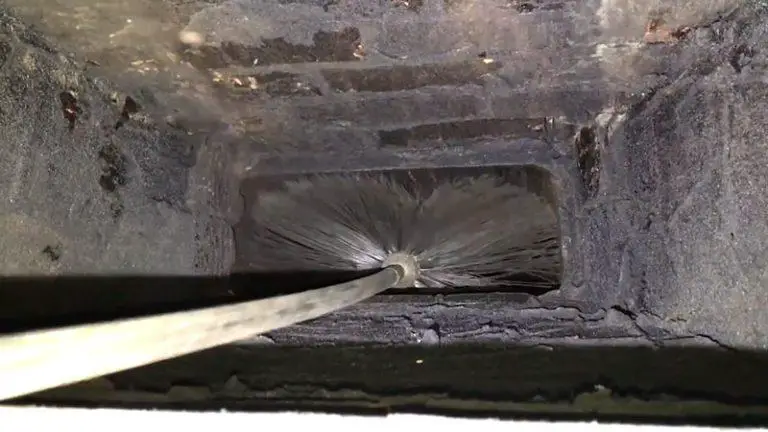
Do not proceed without a professional inspection. A wood stove and an open fireplace have different venting requirements. A certified chimney sweep or fireplace technician must perform a Level 2 inspection as defined by the National Fire Protection Association (NFPA) to determine if your existing chimney can safely accommodate an open fireplace.
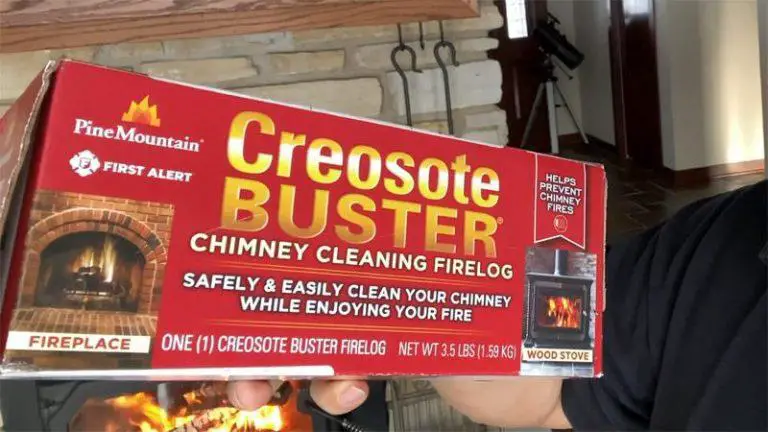
The chimney liner for a wood stove is typically a smaller diameter stainless steel pipe designed for high-velocity exhaust. An open fireplace requires a larger flue, often made of clay tiles or a different type of liner, to handle a greater volume of smoke at a lower velocity. Using an improperly sized flue is a significant fire hazard, leading to dangerous creosote buildup.
The Conversion Process: A Step-by-Step Breakdown
Converting a wood stove to a fireplace is a major renovation project. It involves demolition, masonry work, and strict adherence to building codes. This process should only be undertaken by those with significant construction experience or, more advisably, by qualified professionals.
Step 1: Safely Removing the Freestanding Wood Stove
Preparation is key to a clean and safe removal. First, ensure the stove is completely cool and empty of all ash. Protect the surrounding area, including floors and furniture, with durable drop cloths to catch soot and debris.
Disconnect the stovepipe (the black pipe connecting the stove to the chimney). This may require cutting through sealant and loosening clamps or screws. Once disconnected, carefully unbolt the stove from the hearth or floor. Wood stoves are extremely heavy, often weighing over 100kg, so have assistance and use a dolly for safe transport.
Step 2: Assessing and Preparing the Chimney and Hearth
With the stove removed, the existing chimney connection point (the thimble) will be exposed. A professional will assess the flue liner’s condition and size. In nearly all cases, the existing stove liner must be removed and replaced with a flue appropriate for an open fireplace.
The hearth—the non-combustible floor area—must also meet specific building codes for an open fireplace. These codes are stricter than for most wood stoves. According to the International Residential Code (IRC), a fireplace hearth must extend a minimum of 16 inches in front of the opening and at least 8 inches to each side (for openings less than 6 square feet).
Step 3: Constructing the Firebox and Surround
This is where the true transformation happens. If you have an existing alcove where the stove was situated, you might build the firebox within it. If not, this involves building a new masonry structure.
The firebox must be constructed from firebrick and specialized, heat-resistant mortar. The dimensions of the firebox, the angle of the back wall, and the design of the throat and smoke chamber are all critical for proper drafting and to prevent smoke from spilling into the room. This is not a project for a novice; incorrect construction can lead to a dangerously dysfunctional fireplace.
The surrounding mantel and trim must also adhere to strict clearance requirements. Combustible materials, like a wood mantel, must be kept at least 6 inches from the fireplace opening. Additional clearances are required for materials that protrude from the wall. For those looking to add a unique touch, a custom surround can be crafted. Thinking about materials for this can be complex; some homeowners even choose unconventional finishes, which is a topic explored in depth when discussing whether you can use subway tile with no spacers for a sleek, modern look.
Hiring a Professional vs. A DIY Approach
While removing the old stove can sometimes be a DIY task, constructing a new masonry fireplace is a job for certified professionals. A qualified mason or fireplace installer will understand the complexities of firebox engineering, chimney physics, and local building codes. They ensure the final product is not only beautiful but, more importantly, safe.
When searching for a contractor, look for certifications from the National Fireplace Institute (NFI) or the Chimney Safety Institute of America (CSIA). Always check references, verify their license, and review past projects. A poorly built fireplace is a liability that can endanger your home and family.
Navigating Building Codes and Permits
A conversion of this magnitude will require a building permit from your local municipality. The permit process ensures that the project is inspected at critical stages to verify compliance with fire safety and structural codes. Failing to obtain a permit can result in fines and complications when you decide to sell your home.
Your contractor should handle the permit application process. They will need to submit detailed plans showing the fireplace construction, chimney specifications, and adherence to all clearance requirements. During construction, you might also consider other wall-related projects, and understanding building materials like tar paper on interior walls can provide valuable context for other home renovations.
Cost Analysis: Budgeting for Your Fireplace Conversion
The cost to convert a wood stove to a fireplace varies dramatically based on location, materials, and the complexity of the project. A full conversion is a significant investment. Expect the total cost to range from $8,000 to $20,000 or more.
This includes the cost of removing the old stove, demolishing existing structures, installing a new chimney liner, and constructing the new masonry firebox, surround, and mantel. Labor will be the most significant portion of this cost due to the skilled masonry work required.
| Component / Action | Estimated Cost Range (USD) | Key Considerations |
|---|---|---|
| Stove Removal & Disposal | $200 – $600 | Professional removal vs. DIY. Disposal fees may apply. |
| Chimney Inspection (Level 2) | $200 – $500 | Mandatory first step. Identifies structural and safety issues. |
| New Chimney Liner Installation | $2,500 – $5,000 | Depends on chimney height and liner type (clay tile vs. stainless steel). |
| Firebox & Fireplace Construction | $4,000 – $12,000+ | This is the largest variable. Depends on size, materials (brick, stone), and labor. |
| Hearth & Surround Finishing | $1,000 – $4,000+ | Cost of materials for mantel, tile, or stone surround. |
| Building Permits | $100 – $500 | Varies by municipality. Required for structural changes. |
Modern Alternatives to a Full Masonry Fireplace
If the cost and complexity of a full masonry conversion are prohibitive, there are excellent alternatives that can still achieve a traditional fireplace aesthetic.
Zero-Clearance (ZC) Wood-Burning Fireplaces
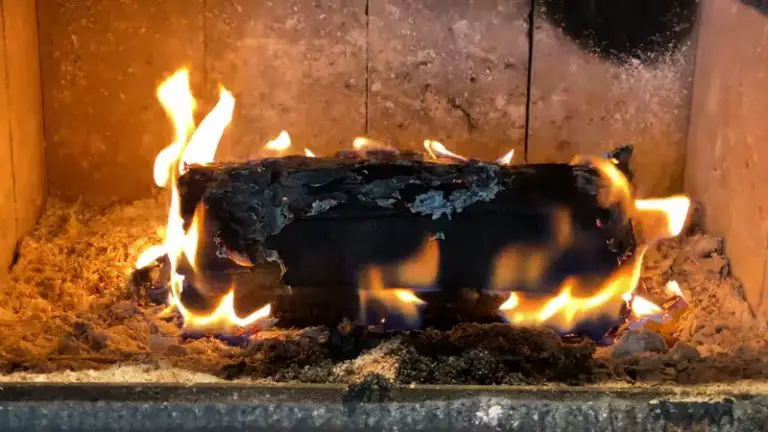
A zero-clearance fireplace is a factory-built, insulated metal firebox that can be installed within a framed wall with minimal clearance to combustible materials. This makes them significantly easier and less expensive to install than a traditional masonry fireplace. They still burn real wood and provide the desired ambiance, but with a more predictable and controlled installation process.
Gas Fireplace Inserts and New Builds
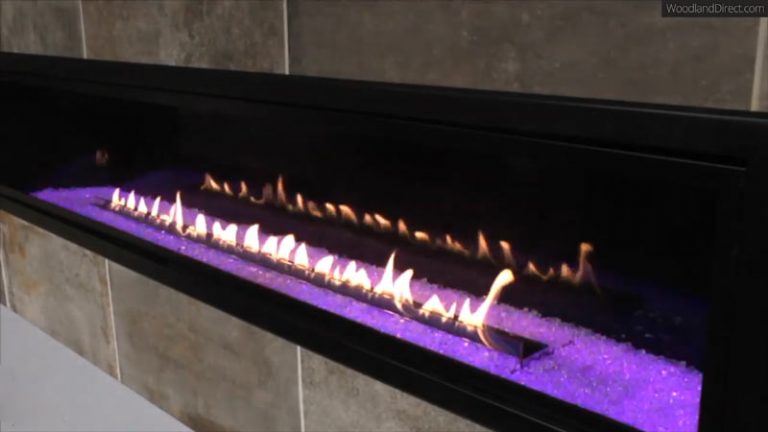
For those prioritizing convenience, converting to a gas fireplace is another popular option. A gas insert can sometimes be fitted into the space where the wood stove was, offering flames at the flip of a switch without the hassle of wood. It’s important to understand the differences in ignition systems, such as in a gas fireplace vs gas starter system, to choose the right option for your needs.
Final Verdict: Is the Conversion Right for You?
Converting a wood stove to a fireplace is a rewarding project that can dramatically enhance your living space. However, it is a decision that trades the high heating efficiency of a stove for the unparalleled ambiance of an open hearth. This is a complex and costly renovation that demands professional expertise to ensure safety and compliance with building codes.
By understanding the critical steps—from the initial chimney inspection to the final masonry work—you can approach this project with confidence. Whether you opt for a traditional masonry build or a modern zero-clearance unit, the result will be a timeless focal point that brings warmth and character to your home for years to come.