
Contender vs Blue Lake Beans: Which Is Right For Your Garden?
Every gardener faces the same exciting yet daunting decision at the start of the season: which variety will yield the most satisfaction and the heaviest harvest? When it comes to green beans, two names consistently rise to the top of the list: Contender and Blue Lake. Choosing between them can feel like a stalemate, as both are celebrated for their reliability and flavor.
The core problem isn’t that one is good and one is bad; it’s that they serve different gardeners with different needs, spaces, and culinary goals. Picking the wrong one can lead to a harvest that doesn’t align with your preservation plans or a plant that isn’t suited for your garden’s footprint. This guide will break down the critical differences to help you make the perfect choice for a successful, stress-free season.
You'll Learn About
Meet the Competitors: A Tale of Two Beans
Before diving into a direct comparison, it’s essential to understand the history and fundamental characteristics of each variety. These are not just generic “green beans”; they are cultivars with distinct legacies and traits that have made them garden staples for generations.
The Contender Bean: An All-American Workhorse
Developed in the mid-20th century, the Contender bean is a true classic, known for its incredible productivity and early maturity. It is an open-pollinated heirloom variety, meaning you can save seeds from your harvest for next year’s planting. This makes it a sustainable and economical choice for the home gardener.
Contender is exclusively a bush bean, growing into a compact, self-supporting plant that typically reaches 18 to 30 inches in height. Its defining features are its vigorous growth, high yields, and impressive disease resistance, particularly to the common bean mosaic virus and powdery mildew. Gardeners in regions with shorter growing seasons often favor Contender because it produces harvestable pods in as few as 50 days.
The Blue Lake Bean: The Standard for Classic Flavor
The Blue Lake bean has a rich history originating in the Blue Lake region of California. Unlike Contender, “Blue Lake” is a name that applies to both bush and pole varieties, a crucial distinction for gardeners. The original was a pole bean, but its immense popularity led to the development of the ‘Blue Lake 274’ bush variety in 1961.
Known for its exceptionally straight, crisp, and stringless pods, the Blue Lake bean is often considered the industry standard for flavor and texture. It’s a favorite for canning and freezing because the pods hold their firm, sweet quality exceptionally well. While slightly slower to mature than Contender, typically taking 55 to 60 days, its reliable performance and culinary excellence have cemented its place in gardens worldwide.
Contender vs. Blue Lake: A Head-to-Head Comparison
Choosing your ideal bean comes down to weighing their characteristics against your specific gardening situation and desires. Let’s break down the key differences to help you decide.
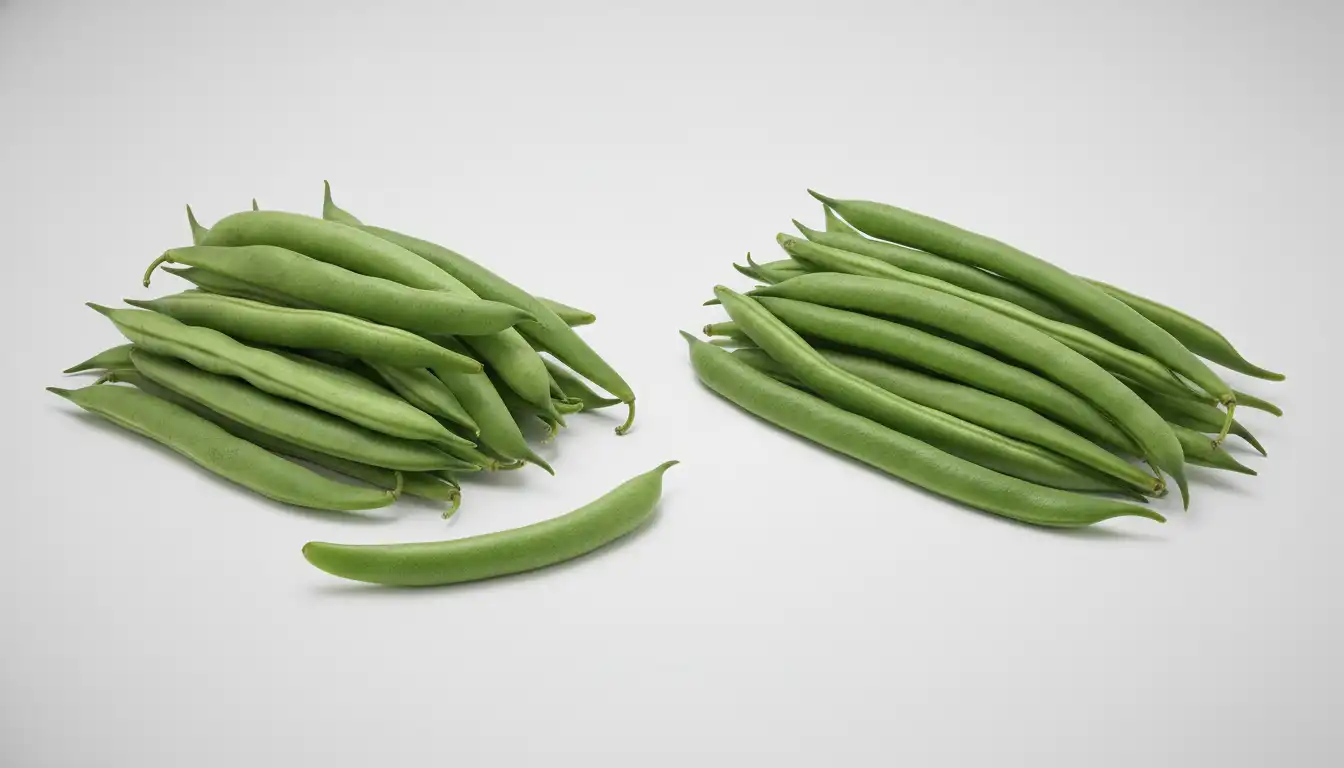
1. Growth Habit and Garden Space
This is perhaps the most significant practical difference between the two. Your available space and desired harvesting style will heavily influence your choice here.
Contender beans are always bush beans. They grow into compact, sturdy plants that do not require any trellising or support. This makes them ideal for small gardens, raised beds, and even large containers. Because they are low-growing, however, they can be more susceptible to diseases caused by poor air circulation if planted too densely.
Blue Lake offers both bush and pole varieties. The bush type (like ‘Blue Lake 274’) has a similar compact habit to Contender. The pole bean version, however, is a vining plant that can grow 6 feet or taller and absolutely requires a sturdy trellis, fence, or pole support system. While this requires more initial setup, it’s an incredibly efficient use of vertical space, making it perfect for gardeners who want to maximize their yield from a small ground footprint.
2. Harvest Time and Production Window
How and when you want to harvest your beans is a critical factor. Do you want a large, concentrated harvest for preserving, or a steady supply for fresh eating all summer long?
Contender is the champion of speed, often ready for the first picking in just 50-55 days. As a bush bean, it produces a large, concentrated set of pods over a relatively short period, typically a few weeks. This is a massive advantage if your primary goal is canning or freezing, as it provides a large volume of beans all at once.
Blue Lake (Bush) matures in about 55-60 days and also produces its crop in a concentrated window. Blue Lake (Pole) takes a bit longer to start producing, around 60-70 days. However, once it starts, it will continue to produce beans steadily until the first frost, as long as you keep harvesting regularly. This makes the pole variety an excellent choice for a continuous supply of fresh beans for daily meals.
3. Yield, Flavor, and Culinary Use
Ultimately, the reward for your efforts is the harvest. Both beans are delicious, but they have subtle differences in taste, texture, and how they perform in the kitchen.
Contender produces pods that are 6-8 inches long, slightly curved, and round to oval in shape. They have a classic, robust green bean flavor and are completely stringless. They are excellent for eating fresh, freezing, and canning, though some find the curved pods slightly more challenging to pack neatly into jars.
Blue Lake pods are typically 5-6 inches long, perfectly straight, plump, and a deep, dark green. They are famous for their crisp, sweet, and tender taste and firm texture that holds up beautifully after cooking. This makes them the preferred choice for many when it comes to canning and pickling, where pod straightness and texture retention are highly valued.
Quick Comparison Table
For a clear, at-a-glance summary, here is a direct comparison of the key attributes of each bean variety.
| Feature | Contender (Bush) | Blue Lake (Bush) | Blue Lake (Pole) |
|---|---|---|---|
| Growth Habit | Compact Bush (No Support) | Compact Bush (No Support) | Vining (Requires Trellis) |
| Days to Maturity | 50-55 Days | 55-60 Days | 60-70 Days |
| Harvest Window | Concentrated (2-3 weeks) | Concentrated (2-3 weeks) | Continuous (Until Frost) |
| Pod Shape | Slightly Curved, 6-8″ | Straight, 5-6″ | Straight, 6-7″ |
| Flavor Profile | Strong, classic bean flavor | Sweet, crisp, and tender | Sweet, crisp, and tender |
| Best For | Early harvests, short seasons, high yield | Canning, freezing, classic taste | Continuous harvest, small footprint |
| Disease Resistance | Excellent (Common Mosaic Virus, Powdery Mildew) | Good (Common Mosaic Virus) | Good (Less prone to soil-borne disease) |
4. Disease and Pest Resistance
A healthy plant is a productive plant. Both varieties have been bred for resilience, but they excel in different areas.
Contender is renowned for its robust disease resistance, especially against Common Bean Mosaic Virus and powdery mildew. This makes it a very reliable and low-maintenance choice, particularly for beginner gardeners or those who have struggled with fungal diseases in the past. This level of resilience is similar to the fortitude needed when cherished plants unexpectedly fail, a common frustration for gardeners who have seen their prized flowers like when knockout roses died without warning.
Blue Lake varieties also have good resistance to the Common Bean Mosaic Virus. The pole bean version has an added advantage: because the vines and leaves grow up off the ground, there is much better air circulation. This natural ventilation helps the foliage dry quickly after rain or morning dew, making pole beans less susceptible to fungal and soil-borne diseases that can plague low-growing bush beans.
Advanced Tips for a Bountiful Bean Harvest
Regardless of which variety you choose, implementing advanced growing techniques will significantly boost your yield and plant health. Many gardeners focus only on the plant itself, but success truly begins with the soil and smart garden management.
Optimizing Soil and Planting
Green beans are not heavy feeders, but they thrive in well-drained soil rich in organic matter. Before planting, amend your garden bed with a generous layer of compost. This not only provides essential nutrients but also improves soil structure and water retention.
A crucial step many gardeners overlook is using a bean inoculant at planting time. This powder contains beneficial Rhizobium bacteria, which form a symbiotic relationship with the bean roots. The bacteria pull nitrogen from the air and “fix” it into a form the plant can use, leading to healthier, more vigorous growth and higher yields without the need for nitrogen fertilizers.
The Power of Succession Planting
For bush bean varieties like Contender and Blue Lake 274, the harvest comes in one large burst. To get a continuous supply of beans throughout the season, you must use succession planting. This is the simple technique of sowing new seeds every two to three weeks.
By staggering your plantings, a new crop will be ready to harvest just as the previous one is finishing up. This method ensures you are never without fresh beans from early summer until the first frost, giving you the continuous harvest benefit of a pole bean with the easy management of a bush bean. It’s a foundational strategy for maximizing the productivity of any garden plot.
Smart Watering and Harvesting
Water your beans consistently, providing about one inch of water per week, especially during the critical flowering and pod development stages. Always water at the base of the plant and avoid overhead sprinklers. Wet foliage is a primary cause of fungal diseases like powdery mildew and rust.
When it’s time to harvest, be diligent. Pick your beans every two to three days. The more you pick, the more the plant will produce. Harvest when the pods are firm and snap easily. If you let the pods mature and the seeds inside swell, the plant will receive a signal to stop producing new flowers and pods. Gentle harvesting—using two hands to snap the stem rather than yanking the pod—also prevents damage to the plant.
The Final Verdict: Which Bean Should You Plant?
The choice between Contender and Blue Lake beans is not about which is “better,” but which is better for you. By evaluating your garden space, your goals, and your climate, you can make a confident decision.
Choose Contender if:
- You have a shorter growing season and need a fast-maturing variety.
- You want a massive, concentrated harvest for a big canning or freezing session.
- Disease resistance is your top priority to ensure a reliable crop.
- You prefer a classic, strong bean flavor.
Choose Blue Lake if:
- You want the classic sweet, crisp flavor that is the standard for green beans.
- Your primary goal is canning or freezing, and you value straight, uniform pods (Bush or Pole).
- You want a steady, continuous supply of fresh beans all summer long (Pole variety).
- You want to maximize a small garden space by growing vertically (Pole variety).
Ultimately, both Contender and Blue Lake are outstanding varieties that have earned their legendary status. Understanding their unique strengths allows you to tailor your garden to your exact needs, ensuring a season filled with delicious, homegrown green beans. A well-planned garden, much like a well-planned home interior featuring updates like painted cabinets with stained doors, reflects thoughtful choices that lead to satisfying results. Ensuring your outdoor space is as well-equipped as your indoor, with considerations for essentials like a strategically placed outlet with 4 holes for garden tools or lighting, completes the picture of a functional and beautiful home environment.
