Combination Gas Wood Fireplace: The Ultimate Guide Before You Buy
The a-ge-old debate for any homeowner planning a cozy hearth centers on one key choice: the rustic charm of a wood-burning fire or the effortless convenience of gas. What if you didn’t have to choose?
Imagine the authentic crackle and aroma of a real wood fire on a snowy weekend, but also having the ability to create instant ambiance with the flick of a switch on a busy weeknight. This is the promise of a combination gas wood fireplace, a dual-fuel solution designed for the homeowner who wants it all.
You'll Learn About
The Great Fireplace Debate: Why You Shouldn’t Have to Choose
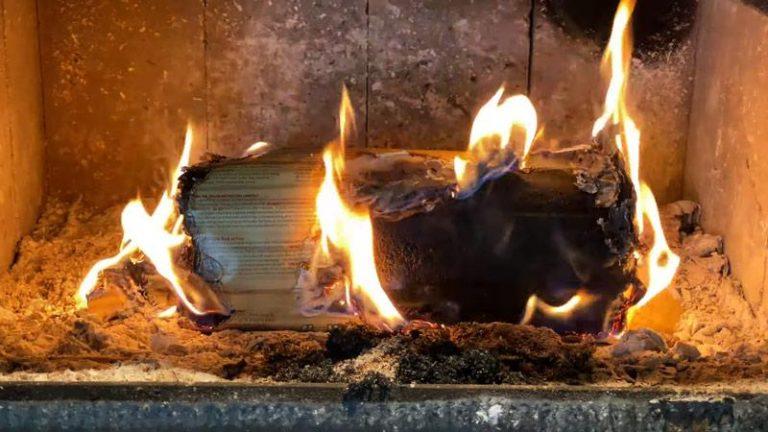
For purists, nothing compares to the sensory experience of a real wood fire—the process of splitting logs, the distinct smell, and the dancing, unpredictable flames. However, this authentic experience comes with work: sourcing and storing wood, building the fire, and cleaning up ash. On the other hand, gas fireplaces offer unparalleled ease of use and low maintenance, but often lack the genuine character of wood.
This conflict leaves many homeowners feeling they must compromise. A combination fireplace solves this problem by offering flexibility. It provides a reliable heat source during a power outage when you can burn wood, alongside the simple, clean operation of gas for everyday enjoyment.
What Exactly Is a Combination Gas Wood Fireplace?
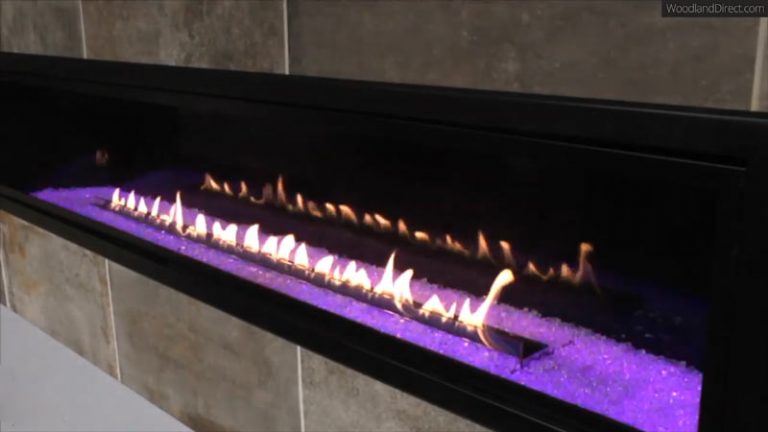
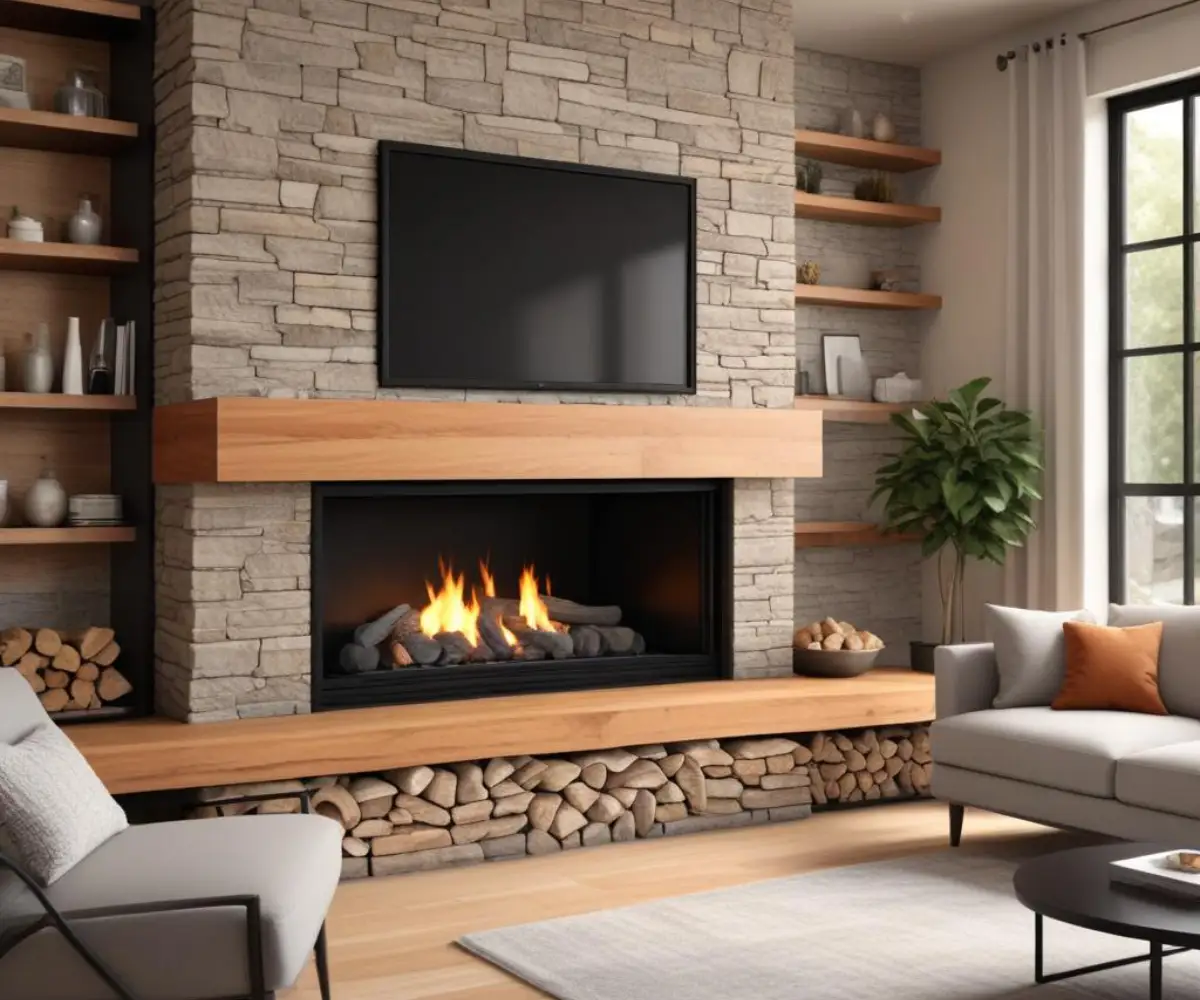
A true combination, or dual-fuel, fireplace is an appliance specifically engineered and certified to safely burn both natural gas (or propane) and wood. These units are built with the robust construction of a wood-burning fireplace but also incorporate a gas burner system. This allows them to function effectively with either fuel source.
The key is that these are not two separate systems forced together, but one integrated unit. They are designed with proper ventilation and structural integrity to handle the high heat and byproducts of wood combustion, like creosote, while also providing the clean burn of a gas appliance.
It’s Not Just a Gas Starter: The Dual Fuel Difference
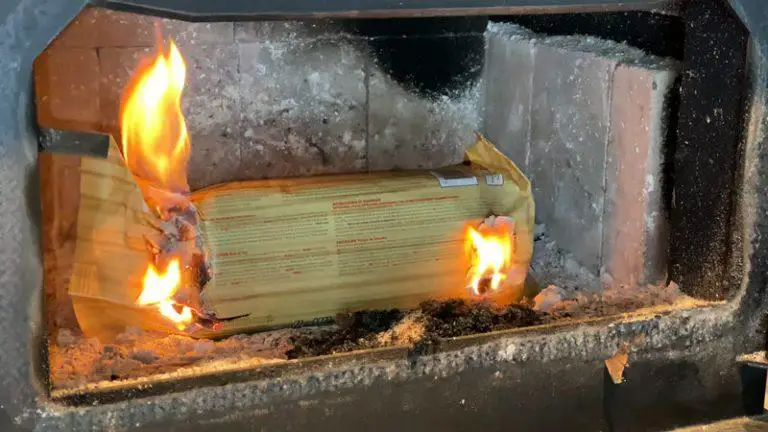
A common point of confusion is the difference between a true dual-fuel fireplace and a traditional wood fireplace equipped with a gas log lighter. A gas starter is simply a perforated pipe that emits a small flame to help ignite firewood, eliminating the need for kindling and paper. Once the wood catches fire, the gas is turned off.
You cannot and should not use a gas starter to operate the fireplace with gas alone, especially with ceramic logs. A true combination fireplace, however, has a dedicated burner assembly designed to be used independently for a full gas fire experience. Understanding this distinction is crucial for both safety and functionality.
The Alluring Benefits: Why Homeowners Love Dual Fuel Fireplaces
The primary appeal of a combination fireplace is its unmatched versatility. You can tailor your fireplace experience to your mood, schedule, and needs at any given moment. During a winter storm that knocks out the power, the ability to burn wood provides a critical non-electric heat source.
This flexibility also adds significant value to a home. Potential buyers appreciate having the choice without being locked into one fuel type. It’s a feature that caters to all preferences, making your home more appealing on the market.
The Hard Reality: Potential Downsides You Must Consider
While versatile, dual-fuel fireplaces come with a higher upfront cost than their single-fuel counterparts. The complex engineering required to safely accommodate both fuels makes the unit itself more expensive. Installation costs can also be higher due to the need for both a sturdy, wood-compliant chimney and a professionally installed gas line.
Furthermore, these units can be a master of none. While they perform both functions well, a dedicated, high-end wood stove may offer slightly higher heating efficiency, and a premium gas fireplace might have more realistic-looking logs. Maintenance is also a combined effort; you’ll need to clean the chimney of creosote from wood burning and have the gas components serviced regularly.
Cost vs. Convenience: A Detailed Price Breakdown
Budgeting for a combination fireplace requires looking beyond the price tag of the unit itself. Installation is a significant factor and involves multiple trades, including a certified gas fitter and potentially a mason or carpenter. Here is a general breakdown of the costs you can expect.
| Item or Service | Estimated Cost Range (USD) | Key Considerations |
|---|---|---|
| Dual Fuel Fireplace Unit | $3,000 – $8,000+ | Price varies by brand, size, efficiency rating, and included features like blowers or remote controls. |
| Professional Installation | $2,000 – $5,000 | Includes labor for setting the unit, framing, and finishing work. This is not a DIY project. |
| Gas Line Extension | $500 – $1,500 | Depends on the distance from your existing gas supply. Requires a licensed plumber or gas fitter. |
| Chimney & Venting | $1,500 – $7,000+ | Cost for a new Class A chimney system. If retrofitting, may require a new stainless steel liner. |
| Annual Maintenance | $250 – $500 | Includes chimney sweeping for wood use and professional inspection of gas components. |
Installation Essentials: What to Know Before the First Spark
Proper installation is paramount for the safety and performance of a combination fireplace. This is not a weekend project for a DIY enthusiast. It requires certified professionals who understand the specific requirements for venting, clearances, and utility connections.
Before you begin, consult with a certified fireplace installer to assess your home’s structure. You may need to address structural issues, like a fireplace mantel coming away from wall, before adding a heavy new unit. Ensuring the foundation and framing are sound is a critical first step.
Venting: The Most Critical Safety Decision
A dual-fuel fireplace must be vented through a Class A chimney system, the same type required for a traditional wood-burning stove or fireplace. This type of chimney is designed to withstand the high temperatures and corrosive byproducts of burning wood. You cannot use the B-vent typically associated with gas-only appliances.
The chimney must be installed with strict adherence to manufacturer specifications and local building codes regarding clearances to combustible materials. Improper venting is a serious fire hazard and can lead to carbon monoxide exposure.
Structural and Utility Requirements
Beyond the chimney, the installation involves several other key components. A licensed professional must run a dedicated gas line to the firebox. Many units also have optional blowers to circulate heat more effectively, which may require you to consider installing an electrical outlet inside fireplace housing during the framing stage.
The unit’s placement will also dictate the design of the surrounding hearth and mantel. It is crucial to follow all safety guidelines for clearance when building the fireplace surround. For detailed guidance on placement, understanding the specifics of a mantle above gas fireplace can provide valuable insights into safe and aesthetically pleasing designs.
Mastering Your Dual Fuel Hearth: Operation & Maintenance Tips
Operating a dual-fuel fireplace requires understanding the proper procedures for each fuel type. Never attempt to burn wood and use the gas burner simultaneously, unless the gas component is solely a log lighter designed for ignition.
Always ensure the damper is fully open when burning wood to allow smoke and gases to escape. When using the gas function, follow the manufacturer’s instructions for ignition, which is typically done via a wall switch, remote control, or a control knob within the unit.
Switching Between Fuels Safely
Before switching from wood to gas, ensure the fire is completely extinguished and the firebox has been cleared of all ash and debris. Ash can clog the gas burner ports, leading to poor performance and potential safety issues. Allow the unit to cool before performing any cleaning.
When switching from gas back to wood, simply ensure the gas valve is completely turned off before building your wood fire. It’s good practice to have the gas system inspected annually by a professional, even if you primarily burn wood.
Cleaning and Upkeep: A Combined Effort
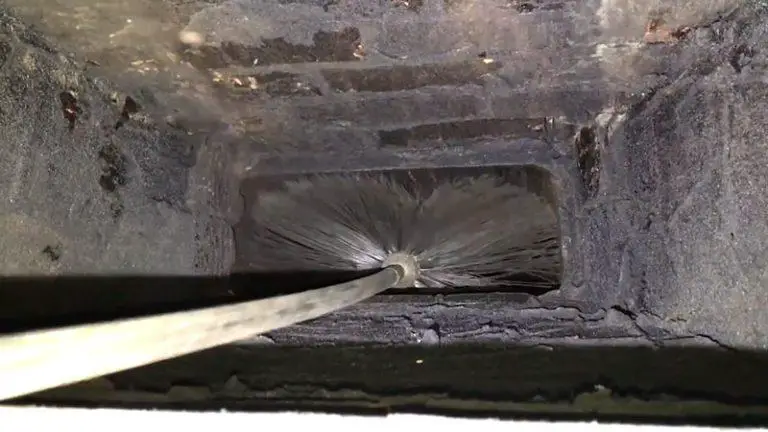
Maintenance for a combination fireplace is a blend of the requirements for both wood and gas units. Annual chimney sweeping is non-negotiable if you burn wood. This removes flammable creosote buildup, which is the leading cause of chimney fires.
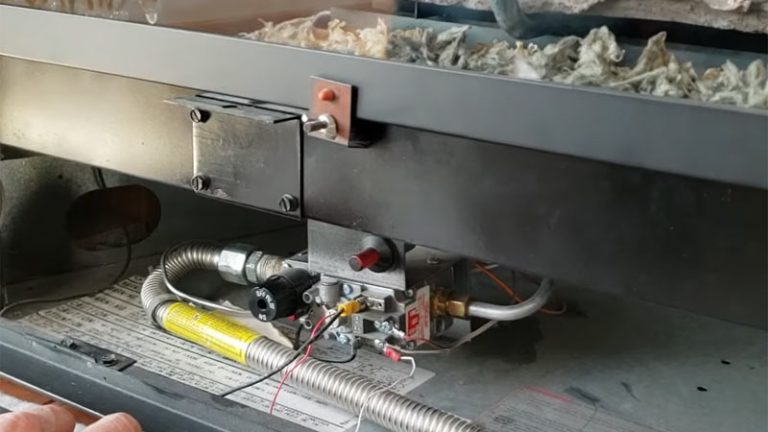
The glass doors should be cleaned regularly with a designated fireplace glass cleaner. The gas components, including the pilot light assembly, burner, and thermocouple, should be inspected and cleaned annually by a qualified technician to ensure they are functioning safely and efficiently.
Is a Combination Fireplace the Right Choice for Your Home?
A combination gas wood fireplace is an excellent investment for the homeowner who values flexibility and refuses to compromise. It is ideal for those who love the tradition of a wood fire but desire the convenience of gas for more frequent, hassle-free use. It provides peace of mind as a reliable heat source during power outages.
However, it may not be the best fit for everyone. If you are on a tight budget, a single-fuel appliance will be more cost-effective. Similarly, if you are a purist seeking the absolute maximum heating efficiency from wood or the most hyper-realistic gas flame, a dedicated, high-end unit designed for a single purpose may be a better choice. Ultimately, the decision rests on balancing your lifestyle, budget, and desire for the best of both worlds.