
Coaster Furniture vs Ashley: Don’t Buy Until You Read This
Stepping into the world of furniture shopping can feel like navigating a dense, confusing forest. Two giant trees loom over the landscape: Coaster Furniture and Ashley Furniture. For homeowners and garden lovers looking to create their perfect living space, the choice between these brands presents a significant challenge. You’re trying to balance style, budget, and the daunting fear of investing your hard-earned money into something that won’t last.
The core problem is uncertainty. How do you know which brand offers the best value? Will that stylish sofa from Coaster hold up to daily life? Is the well-known name of Ashley a guarantee of quality, or just a bigger price tag? Making the wrong decision can lead to buyer’s remorse, unexpected replacement costs, and the frustration of a home that doesn’t quite feel right. This guide will illuminate the path, helping you make a confident and informed choice.
You'll Learn About
The Core Dilemma: Decoding Coaster and Ashley
Both Coaster Fine Furniture and Ashley Furniture are dominant forces in the North American furniture market, particularly for those seeking accessible and stylish options without venturing into high-end luxury pricing. Ashley Furniture is arguably the more recognized household name, with a massive retail footprint of Ashley HomeStores and a reputation as the world’s largest furniture manufacturer. They offer a vast catalog covering nearly every style and room.
Coaster Furniture operates more as a distributor, sourcing furniture globally and supplying it to a wide network of retailers rather than branded stores. This often results in a diverse and trend-responsive collection, appealing to those looking for contemporary or unique pieces. Understanding this fundamental difference in their business models is the first step in seeing where your money truly goes.
Head-to-Head Comparison: Where Does Your Money Go?
To make a truly informed decision, a piece-by-piece breakdown is essential. The value of furniture isn’t just in its initial appearance; it’s in the daily experience of living with it. Let’s dissect the critical factors that separate these two industry giants.
Quality & Durability: The Hidden Details
The longevity of your furniture hinges on what you can’t see: the materials and construction. Both brands cater to the budget-conscious consumer, which means they often utilize engineered woods like MDF (medium-density fiberboard) and particleboard, finished with veneers. While some Ashley pieces incorporate solid hardwoods in critical stress points, it’s not a universal standard across their extensive product lines.
One of the most critical things to understand is that neither brand is monolithic in its quality. Both Coaster and Ashley have distinct tiers of products. A low-end bedroom set from either brand might rely heavily on particleboard with simple glue and staple construction. Conversely, their higher-end collections can feature more robust materials and better joinery, like mortise and tenon joints in key areas. The real skill is learning to identify which tier you’re looking at, regardless of the brand name on the tag.
Style & Aesthetics: Finding Your Perfect Match
This is where personal taste reigns supreme, and the differences become more apparent. Ashley Furniture is widely known for its traditional, rustic, and farmhouse aesthetics. Their collections often feature complete, coordinated room sets, making it easy for homeowners to achieve a cohesive look. They excel at creating a warm, classic American home vibe.
Coaster, on the other hand, often presents a more eclectic and contemporary range of styles. Their catalog can feel more versatile, with sleek, minimalist designs sitting alongside bold, transitional pieces. If you’re looking for a statement piece or something that reflects modern trends, Coaster might offer more compelling options. The choice here is less about which is “better” and more about which brand’s design language speaks to your personal home and garden vision.
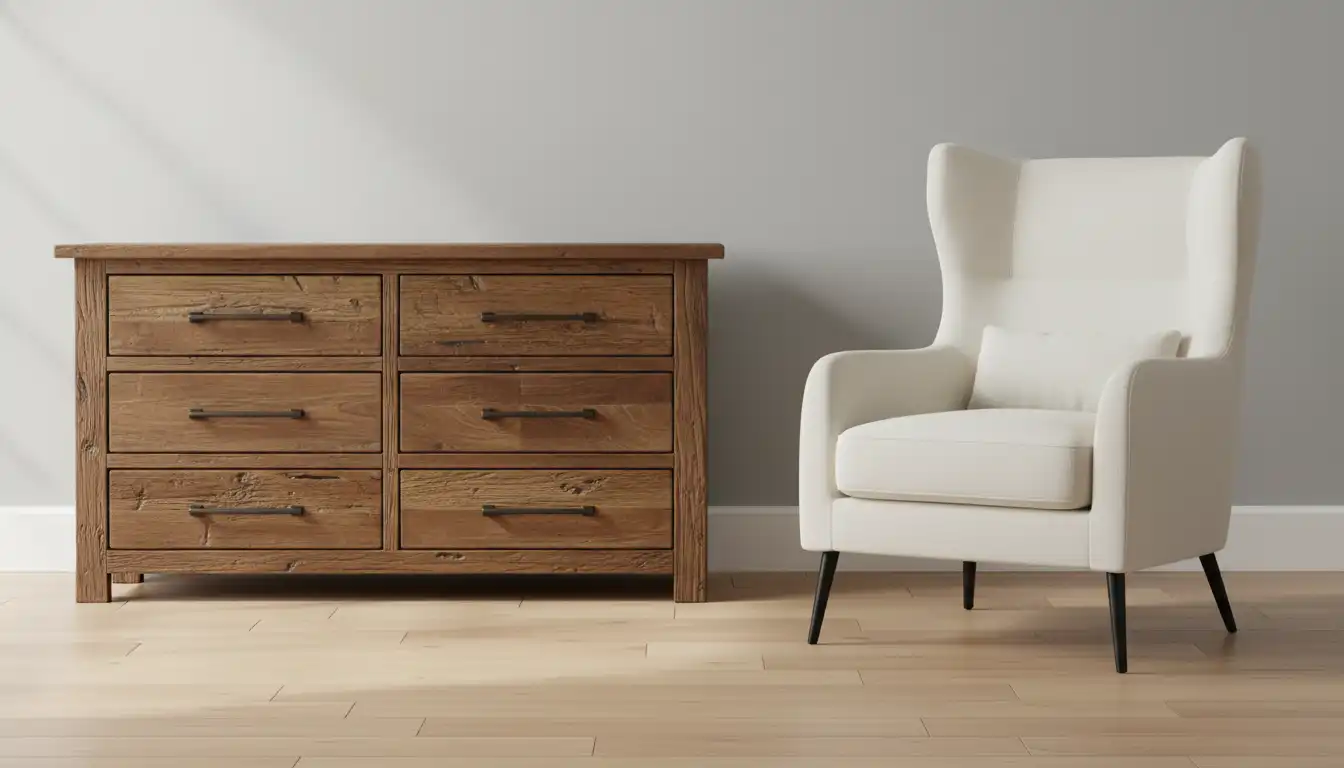
The Price Tag Battle: Affordability vs. Value
Both brands are celebrated for their affordability. Generally, Coaster may have a slight edge in the lower-price spectrum, making it a go-to for first-time buyers or those on a strict budget. Ashley offers competitive pricing and leverages its massive scale to provide frequent sales and promotions, which can significantly reduce the cost of higher-priced items.
However, the conversation must shift from just price to overall value. A cheaper sofa that needs replacing in three years is ultimately more expensive than a slightly pricier one that lasts for eight. Your decision should factor in how you plan to use the furniture. For a low-traffic guest room, a budget-friendly Coaster piece might be perfect. For a high-traffic family room sofa, investing in a more durable, well-constructed option from either brand’s higher-tier lines is the smarter financial move.
The Shopping Experience: Showrooms, Service, and Headaches
How you buy your furniture and the support you receive afterward can dramatically impact your satisfaction. Here, the two brands offer distinctly different experiences.
Customer Service & Warranty
Ashley’s extensive network of dedicated HomeStores provides a traditional retail experience where you can see, touch, and test the furniture. However, customer service experiences can be inconsistent, varying widely from one store to another. Many online reviews point to challenges with delivery and resolving warranty claims.
Coaster’s customer service is indirect, as you purchase through a third-party retailer (whether online or a local furniture store). This means your experience is entirely dependent on the retailer’s policies and service quality. Warranties are also serviced through the retailer, adding a layer between the consumer and the manufacturer. When considering a purchase, it’s wise to evaluate not just the furniture’s warranty but also the retailer’s reputation. Thinking about the long-term protection of your purchases, similar to how one might evaluate if a KitchenAid extended warranty is worth it, can provide valuable peace of mind.
Assembly and Delivery
Most furniture from both Coaster and Ashley will require some level of assembly. Ashley often offers premium delivery services that include in-home assembly for an additional fee. Given the potential for frustration with unclear instructions or missing parts, this can be a worthwhile investment for larger pieces.
For Coaster products, the delivery and assembly options are dictated by the retailer you purchase from. Some online sellers may only offer curbside delivery, leaving you responsible for getting the heavy boxes inside and assembling everything yourself. Always clarify these logistics before finalizing your purchase to avoid unpleasant surprises.
| Feature | Coaster Furniture | Ashley Furniture |
|---|---|---|
| Primary Market Position | Importer/Distributor | Manufacturer/Retailer |
| Dominant Styles | Contemporary, Modern, Eclectic | Traditional, Rustic, Farmhouse |
| Price Point | Generally budget-friendly to mid-range | Budget-friendly to mid-range with higher-end lines |
| Construction Materials | Varies widely; engineered wood, veneers, some solid wood | Varies widely; engineered wood, solid wood in stress points on better lines |
| Shopping Experience | Through third-party retailers (online or local stores) | Dedicated Ashley HomeStores and online |
| Best For | Trend-focused buyers, apartment dwellers, budget shoppers | Shoppers seeking complete room sets and a traditional retail experience |
The Unspoken Factor: Long-Term Ownership and Resale Value
An often-overlooked aspect of buying budget-friendly furniture is its lifecycle. Much of the furniture from both Coaster and Ashley falls into what some call “fast furniture.” It’s designed to be stylish and affordable for a few years, but not necessarily to be an heirloom passed down through generations.
This impacts not only how long you can expect to enjoy the piece but also its resale value, which is typically very low. When you buy from these brands, you are primarily paying for the immediate use and style, not a long-term asset. Understanding this manages expectations and helps frame the purchase as a short-to-medium-term solution for your home furnishing needs.
Making the Final Decision: A Practical Guide
The “Coaster vs. Ashley” debate doesn’t have a single winner. The right choice is deeply personal and depends entirely on your specific needs, budget, and style preferences.
Who Should Buy Coaster Furniture?
Coaster is often an excellent choice for individuals who are furnishing a first apartment, need a stylish piece for a limited-use area, or love to follow current design trends without making a huge financial commitment. Their diverse and modern offerings provide a lot of design flexibility for those with a keen eye for style on a budget.
Who Should Buy Ashley Furniture?
Ashley is a strong contender for families, new homeowners, and anyone looking to furnish a room with a complete, coordinated set. Their vast selection and physical showrooms make the shopping process straightforward. If you prioritize a traditional aesthetic and the convenience of one-stop shopping, Ashley is likely a better fit.
A Deeper Look at Materials: Beyond the Label
When you’re in the store or browsing online, pay close attention to the product descriptions. For those considering Ashley, it’s beneficial to understand the specific materials they use. For instance, getting familiar with options like their Kuliwood and leather Ashley Furniture can help you differentiate between their entry-level and more durable product offerings. This knowledge allows you to make a more informed decision based on quality, not just the brand name.
Beyond the Big Two: Are There Better Alternatives?
While Coaster and Ashley dominate the market, they are not the only players. Brands like IKEA, Wayfair’s in-house lines (like AllModern and Birch Lane), and Living Spaces offer similar price points and styles. Exploring these alternatives can sometimes yield a piece that better fits your specific needs or aesthetic.
Sometimes, the process of choosing furniture is part of a larger home improvement project. You might be coordinating a new living room set with a fresh coat of paint or even a more involved renovation. For example, if you’re undertaking a bathroom remodel, you’ll be making choices about everything from fixtures to flooring, perhaps even considering unique options like a pebble epoxy shower floor. Approaching your furniture selection with the same careful consideration for style, durability, and budget will ensure a cohesive and satisfying result for your entire home.
Conclusion: Furnishing Your Home with Confidence
The choice between Coaster Furniture and Ashley Furniture is not a matter of good versus bad, but of what is right for you. By looking past the brand names and focusing on the critical details of construction, materials, and style, you can demystify the process. Identify your primary needs—is it budget, a specific look, or durability for a high-traffic area?
Armed with this knowledge, you can approach your furniture search not with uncertainty, but with the confidence of an informed consumer. You can select pieces that will not only look great in your home and garden but will also serve your lifestyle and budget effectively, turning a potentially stressful decision into a rewarding step toward creating your ideal living space.
