
Stop Scrubbing: The Secret to a Bathroom That Stays Clean
The endless cycle of cleaning is a universal frustration for homeowners. No sooner have you scrubbed the bathroom to a sparkling shine than soap scum, hard water stains, and mildew begin their relentless march back across your tiles, glass, and porcelain.
This constant battle against grime is not just tedious; it consumes valuable time and energy. The core of the problem isn’t just the dirt itself, but the very nature of the surfaces in our homes, which are porous enough to invite and hold onto this buildup.
What if there was a way to not only clean these surfaces but also shield them from future messes? This is the concept that launched a revolutionary category of cleaning products, including the once-popular Clorox with Teflon, designed to create an invisible, non-stick barrier that makes cleaning easier and less frequent.
You'll Learn About
The Science of a Smarter Clean: How Protective Cleaners Work
The idea behind cleaners infused with a surface protectant is brilliantly simple yet scientifically advanced. These products perform a dual function: first, they clean and disinfect, and second, they leave behind an ultra-thin, invisible coating that dramatically alters the surface’s properties.
At the heart of this technology is the principle of hydrophobicity. The protective layer, famously associated with Teflon’s non-stick properties, creates a surface that repels water. Instead of spreading out, water beads up and rolls away, taking dirt, soap scum, and minerals with it in a process known as the “lotus effect.”
This molecular-level shield makes it incredibly difficult for grime to get a foothold. Stains from hard water, rust, and soap don’t adhere as strongly, meaning the bathroom and kitchen stay cleaner for longer periods. When it is time to clean, the process is often as simple as a quick wipe-down rather than an intense scrubbing session.
Unpacking the “Clorox with Teflon” Concept
Products like the “Clorox Bathroom Cleaner with Teflon Surface Protector” aimed to combine the disinfecting power of Clorox with the non-stick, protective power of Polytetrafluoroethylene (PTFE), the chemical compound known as Teflon. The goal was to provide a two-in-one solution that cleans away existing messes and lays down a defensive barrier.
When sprayed on a surface like a sink, shower wall, or toilet bowl, the cleaning agents would break down grime while the suspended PTFE particles would bond to the clean surface as you wipe. This left an invisible shield that repelled water and dirt. Laboratory tests of the original product suggested this protective barrier could last for a significant number of flushes in a toilet bowl before needing reapplication.
This innovation represented a shift from reactive cleaning (scrubbing away existing messes) to proactive cleaning (preventing messes from sticking in the first place). It addressed the homeowner’s core problem: the desire to spend less time and effort on cleaning chores.
Strategic Application: Mastering Surfaces in Your Home
To truly leverage the power of protective cleaners, it’s essential to understand where and how to use them. The primary battlegrounds against grime are the high-moisture, high-use areas of your home: the bathroom and the kitchen. Applying these solutions correctly can transform your cleaning routine.
Revolutionizing the Bathroom Cleanup
The bathroom is ground zero for soap scum, hard water deposits, and mildew. A protective coating can dramatically reduce the effort needed to keep these surfaces pristine. Focus on applying the cleaner to shower doors, tile walls, tubs, sinks, and toilets.
For glass shower doors, which are notorious for collecting cloudy film, a hydrophobic coating prevents water spots from ever forming. On ceramic and porcelain tubs and sinks, it stops soap scum from building up in a stubborn ring. Even the toilet bowl can benefit, as a non-stick surface helps prevent stains from adhering.
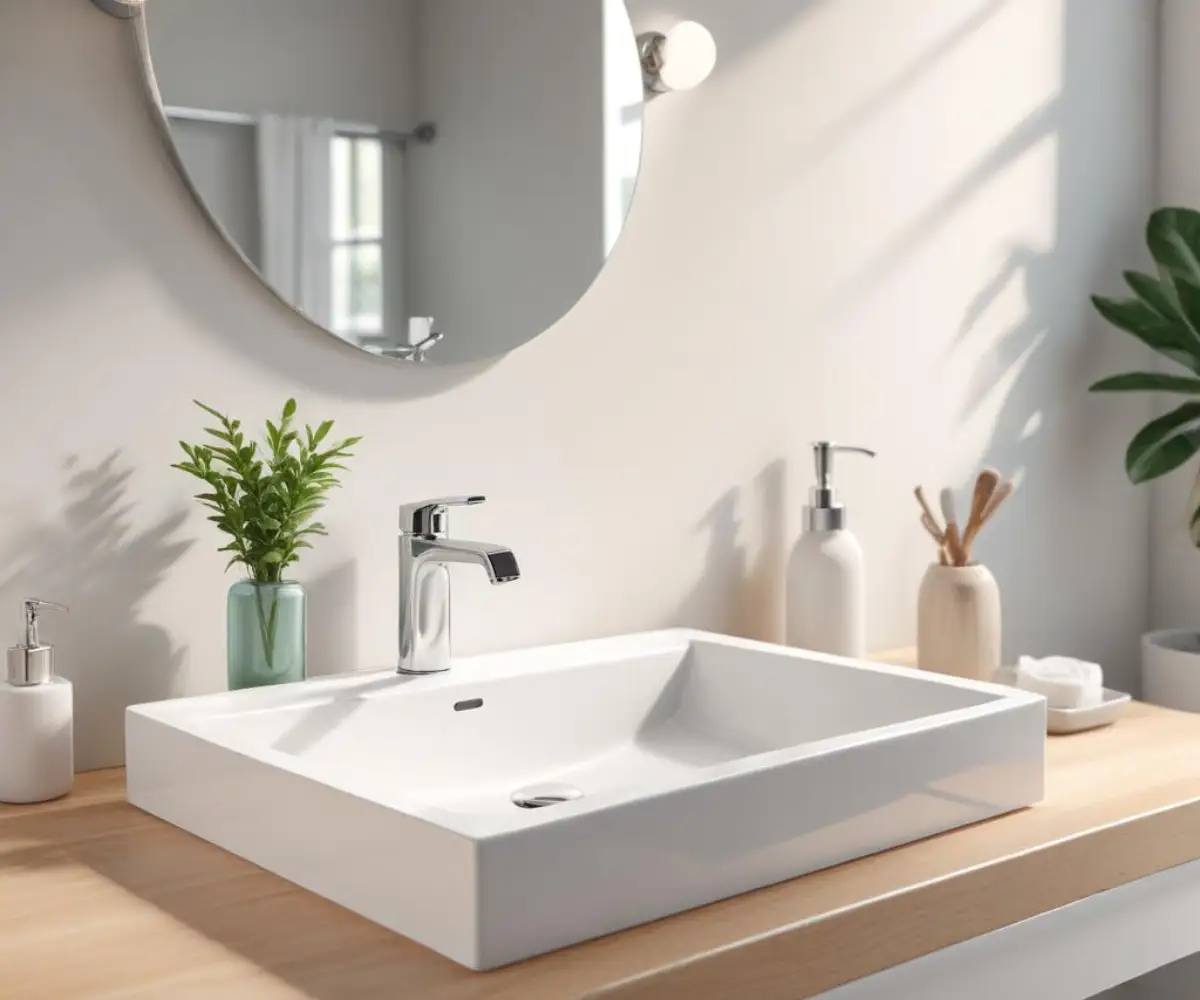
Proper surface preparation is key. Always start with a completely clean, dry surface before applying a protective spray for the first time. This ensures the coating bonds effectively. Following this initial application, subsequent cleanings become much simpler, often requiring just a quick spray and wipe.
Streamlining the Kitchen Environment
In the kitchen, the main challenges are grease, food splatters, and hard water spots around the sink. A protective cleaner can be highly effective on stainless steel sinks, ceramic or porcelain sinks, and non-porous countertops.
Applying a non-stick coating to the sink basin makes rinsing away food particles effortless and prevents the buildup of a grimy film. It also helps reduce the appearance of water spots, keeping the sink looking cleaner between uses. On backsplashes and countertops, it can make wiping up spills and splatters easier, although caution should be exercised on surfaces used for food preparation.
The integrity of your home’s structure is just as important as its surfaces. Just as you protect your countertops, ensuring you have solid structural components, like choosing between 2×3 vs 2×4 framing, is foundational to a well-maintained home. Similarly, protecting entry points by understanding the differences between Jeld-Wen vs Masonite exterior doors ensures your home is secure from the elements.
The Health and Safety Conversation: Understanding PFAS
While the cleaning benefits are clear, the use of PTFE-based products in aerosol form has raised important health and environmental questions. Teflon is a brand name for PTFE, which belongs to a larger group of chemicals known as PFAS (per- and polyfluoroalkyl substances).
PFAS are often called “forever chemicals” because they break down very slowly in the environment and in the human body. Exposure to high levels of certain PFAS has been linked to a range of health concerns, which has led to increased scrutiny of their use in consumer products. The primary concern with sprayable cleaners containing PFAS is the potential for inhalation of the particles.
Due to these concerns and regulatory changes, many cleaning products containing these specific chemicals, including the original Clorox with Teflon, have been discontinued or reformulated. This reflects a broader industry shift towards safer, more environmentally friendly ingredients that can still offer protective benefits without the associated risks.
The New Generation of Surface Protection
The discontinuation of older formulas does not mean the end of protective cleaning technology. In fact, it has spurred the development of a new wave of innovative and safer alternatives that provide similar, and sometimes superior, hydrophobic and non-stick properties.
Today’s market offers a variety of solutions that can help you achieve that “cleaner for longer” goal. These modern alternatives often use advanced polymer and ceramic technologies to create durable, water-repellent surfaces.
Look for products labeled as “surface protectants,” “hydrophobic sprays,” or “ceramic coatings” for home use. These next-generation formulas are designed to be effective and are formulated with current health and safety standards in mind.
Comparing Modern Protective Cleaning Solutions
Navigating the options for modern protective cleaners can be challenging. Each type has its own set of advantages, ideal use cases, and application methods. Understanding these differences can help you choose the best product for your specific needs.
| Alternative Type | Primary Ingredient | Best For | Pros | Cons |
|---|---|---|---|---|
| Silica-Based Sprays (Ceramic Coatings) | Silicon Dioxide (SiO2) | Glass shower doors, sinks, faucets, tile | Highly durable, excellent water repellency, long-lasting | Can be more expensive, may require more precise application |
| Polymer Sealants | Synthetic Polymers | Most non-porous surfaces including countertops and tubs | Easy to apply, widely available, good durability | May need more frequent reapplication than ceramic coatings |
| Plant-Based & Eco-Friendly Options | Carnauba wax, plant-derived oils | Sealed stone, metal fixtures, glass | Biodegradable, free of harsh chemicals, pleasant scent | Less durable, requires frequent reapplication |
| DIY Vinegar & Essential Oil Mixes | Acetic Acid, Plant Oils | Glass, mirrors, faucets | Extremely inexpensive, non-toxic, readily available ingredients | Very low durability, provides only minimal water repellency |
A Practical Guide to Application and Maintenance
Regardless of the product you choose, proper application is crucial for achieving the best results. Following a consistent method will ensure an effective and lasting protective barrier.
- Start with a Spotless Surface: The first rule is to never apply a protectant over dirt. Thoroughly clean the surface with a quality bathroom or kitchen cleaner to remove all soap scum, hard water stains, and residue.
- Ensure the Surface is Dry: Most protective coatings need to be applied to a completely dry surface to bond correctly. After cleaning, wipe the area down with a dry, lint-free microfiber cloth.
- Apply the Protectant: Following the product’s instructions, spray an even, light mist over the surface. Avoid oversaturating the area, as this can lead to streaking.
- Buff to a Shine: Use a clean, dry microfiber cloth to gently buff the coating. This removes any excess product and ensures an even, invisible layer.
- Allow Time to Cure: Many modern protectants require a short curing period to fully bond with the surface. Check the label for specific instructions and avoid getting the surface wet during this time.
Maintaining this protective barrier is simple. For routine cleaning, you can often just use water and a microfiber cloth. Reapply the protective spray every few weeks or as needed to maintain peak water-repellency. Proper equipment maintenance is a universal principle, extending beyond home surfaces. Whether it’s your shower door or outdoor machinery, consistent care prevents problems. For example, a common issue like a snowblower surging at full throttle often stems from a lack of regular maintenance, highlighting the importance of proactive upkeep in all areas.
The Future of Cleaning is Proactive
The core desire that made products like Clorox with Teflon so appealing—the wish for a home that is easier to clean and stays clean longer—remains a powerful motivator for homeowners. While the specific chemicals have evolved, the technology of protective surface coatings has only improved.
By shifting from a purely reactive cleaning mindset to a proactive one, you can fundamentally change your relationship with household chores. By cleaning and then shielding your surfaces, you create a home that is not only sparkling clean but also intelligently protected against future messes.
Embracing modern surface protectants allows you to spend less time scrubbing and more time enjoying your home. This is the ultimate promise of advanced cleaning science: a smarter, more efficient way to maintain a beautiful and welcoming living space.
Final Word
The battle against bathroom grime isn’t a sign that you’re doing something wrong—it’s simply the nature of the space itself. Moisture, minerals, and everyday product buildup create a perfect environment for stains and residue to return almost as soon as you’ve wiped them away. But understanding why it happens is the first step to breaking the cycle. With smarter maintenance habits and the right preventive strategies, you can shift from constant scrubbing to consistent control—keeping your bathroom cleaner, longer, with far less effort.
