
Clack vs Culligan Water Softener: Don’t Buy Until You Read This
Dealing with hard water is a frustrating, expensive problem. It leaves chalky spots on your dishes, soap scum in your shower, and slowly strangles your pipes and appliances with limescale buildup.
Choosing a water softener should be a solution, not another headache. Yet, homeowners often find themselves stuck between two very different options: the household name, Culligan, and a brand professionals swear by, Clack.
The choice isn’t as simple as picking one over the other. It’s about understanding two fundamentally different approaches to solving your hard water problem, and one path could lock you into years of expensive, proprietary service calls.
You'll Learn About
Understanding the Key Players: Clack and Culligan
Before diving into a technical comparison, it’s crucial to understand who these companies are. One is a massive, consumer-facing brand, while the other is a manufacturer that most homeowners have never heard of, yet it might be the most important name in water treatment.
Who is Culligan? The All-in-One Service Model
Culligan is arguably the most recognized name in residential water treatment. Through a vast network of local franchises, they sell, rent, and service their own line of water softeners directly to homeowners.
Their business model is built on convenience. A “Culligan Man” comes to your home, tests your water, recommends a system, and handles the installation and ongoing maintenance. This all-in-one package is appealing, but it comes with a significant catch: their systems are proprietary.
Who is Clack? The Professional’s Component
Clack Corporation operates differently. They don’t build or sell complete water softener systems to the public. Instead, they manufacture what many experts consider to be the industry’s most reliable and durable control valves—the “brain” of any water softener.
Independent, local water treatment professionals purchase Clack valves and pair them with high-quality resin tanks and brine tanks to build custom systems for their clients. When you buy a “Clack softener,” you’re buying a system assembled by a local expert using a top-tier, non-proprietary valve.
The Core Difference: The Valve That Changes Everything
The single most important distinction between these two paths lies in the control valve. This component dictates how your system operates, how efficient it is, and most importantly, who can fix it when something goes wrong.
The Clack WS1 Valve: Why Experts Love It
The Clack WS1 is the gold standard for residential control valves for a reason. It is known for its exceptional reliability, efficiency, and programmability. But its most significant feature is that it’s non-proprietary.
This means any qualified water treatment technician in the country can easily source parts and perform service on a Clack valve. You are never locked into a single company for maintenance or repairs, fostering a competitive service market that keeps costs reasonable for the homeowner over the life of the system.
Culligan’s Proprietary Valves: The Golden Handcuffs
Culligan systems, on the other hand, use proprietary valves that they design and manufacture. While many of their valves perform well, they create a situation known as “vendor lock-in.”
Only authorized Culligan technicians can service these valves, and parts are not available to other professionals or the public. If you face an issue, or if you become unhappy with your local dealer’s service or pricing, you have no alternative but to call them. This lack of competition can lead to significantly higher repair costs and a frustrating service experience.
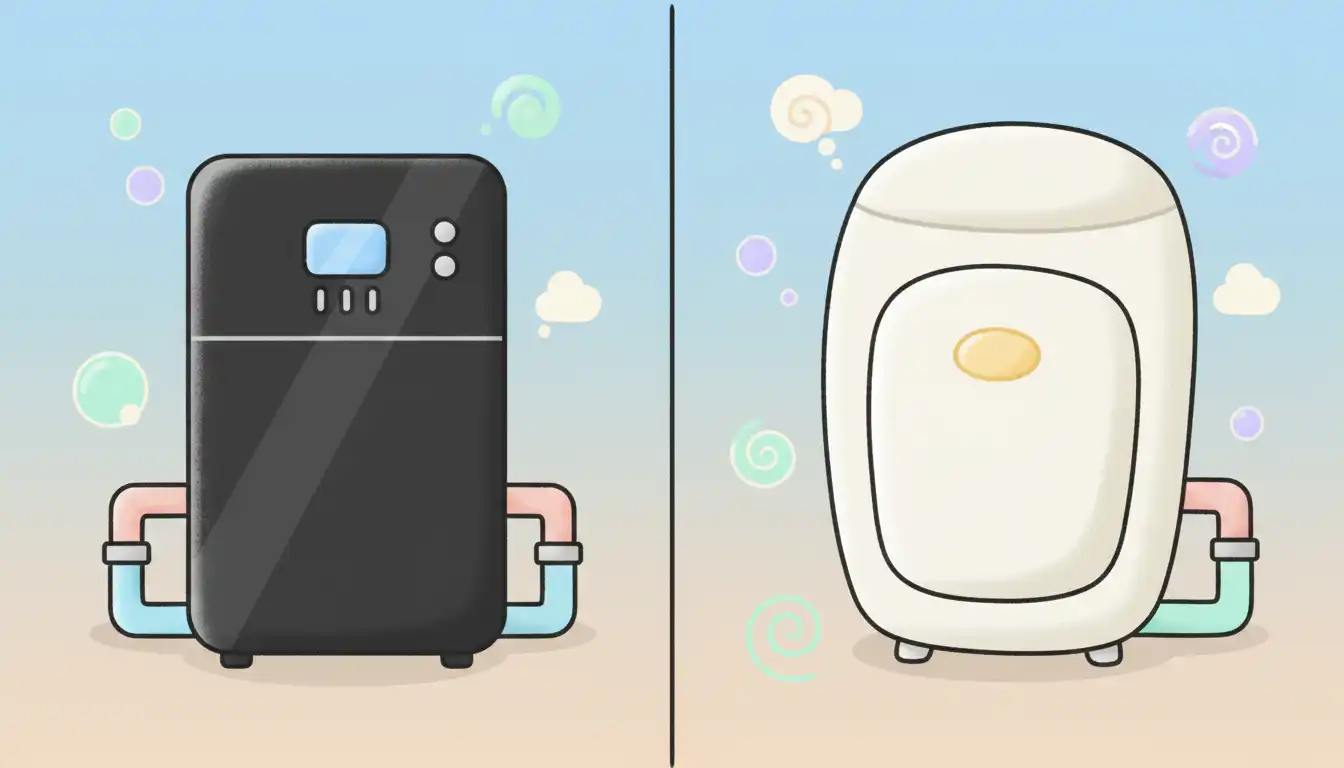
Feature-by-Feature Showdown: Clack-Based vs. Culligan Systems
While the service model is a huge differentiator, the hardware itself also has key differences. A system built with a Clack valve by a reputable local pro often outshines a standard Culligan offering in both performance and long-term value.
Performance and Efficiency
Both Clack and Culligan systems use smart, metered regeneration, meaning they only regenerate after a specific volume of water has been used. This is far more efficient than older, timer-based models. However, the specifics of the regeneration cycle can differ.
Many systems using Clack valves are configured for “upflow” or “counter-current” regeneration. This process pushes the brine solution up through the depleted resin from the bottom, which is a more efficient way to recharge the resin beads, often resulting in less salt and water usage per regeneration.
Cost: The Upfront Price vs. Lifetime Expense
When it comes to cost, the conversation must be split into two parts: the initial purchase price and the total cost of ownership. A Culligan system may have a higher upfront cost due to brand recognition and marketing overhead. They also frequently offer rental or financing programs, which can be attractive but costly over time.
A system built with a Clack valve from a local dealer often has a more competitive upfront price for comparable or superior technology. The real savings, however, come in the long run. The ability to source parts and service from any qualified professional protects you from inflated, non-competitive repair bills for years to come.
Warranty and Support
Culligan offers a warranty through its local franchise. The quality of service and responsiveness can vary significantly from one dealership to another. You are entirely dependent on the performance of your local branch.
With a Clack-based system, the valve itself comes with a manufacturer’s warranty (typically 5 years), and the tanks and resin are warrantied by the local company that assembled the system. The quality of your support rests on the reputation of the independent dealer you choose, making your initial choice of installer critically important.
| Feature | Clack-Based System | Culligan System |
|---|---|---|
| Control Valve | Clack WS1 (or similar) – Non-Proprietary | Proprietary to Culligan |
| Service & Repair | Any qualified water professional can service it | Only Culligan technicians |
| Parts Availability | Widely available online and through dealers | Only available through Culligan |
| System Customization | Highly customizable by your local dealer | Limited to Culligan’s available models |
| Upfront Cost | Generally lower to moderate | Generally moderate to high |
| Long-Term Cost | Lower due to competition in service and parts | Potentially higher due to vendor lock-in |
| Purchase Model | Purchased from a local independent dealer | Purchased or rented from a local franchise |
| Best For | DIY-savvy homeowners or those wanting long-term flexibility and value | Homeowners wanting an all-in-one, hands-off service package from a known brand |
The Deciding Factor: Who Are YOU Buying From?
Ultimately, the debate isn’t just about a piece of hardware. It’s about the company you choose to install and service that hardware. The best equipment in the world will fail if it’s installed or maintained improperly.
Choosing a Local Pro for a Clack System
When you opt for a system with a Clack valve, you are putting your trust in a local, independent business. It is vital to do your due diligence. Look for a company with a long history in your community and positive online reviews.
Ask them specifically why they choose to build their systems with Clack valves. A passionate pro will eagerly explain the benefits of reliability and serviceability. Also, inquire if their technicians hold certifications from organizations like the Water Quality Association (WQA), which demonstrates a commitment to industry standards.
Evaluating a Culligan Franchise
If you are leaning towards Culligan’s all-in-one service model, research your local franchise just as carefully. Customer experiences can differ dramatically between locations. Check local reviews on Google, Yelp, and the Better Business Bureau to gauge their reputation for service and responsiveness.
Be prepared for a structured sales process, which often involves an in-home water test and presentation. While the test is useful, be wary of high-pressure sales tactics or “special one-day offers.” A truly confident company will give you the time and space to make an informed decision. For more on this, comparing different dealer-based models can be revealing.
Beyond the Brands: What Truly Matters in Water Softening
Regardless of which path you take, several fundamental factors will determine the success of your water softening journey. Getting these right is more important than the brand name on the tank.
Sizing Your System Correctly
A water softener must be sized based on your home’s water hardness (measured in grains per gallon, or GPG), your daily water consumption, and the flow rate required to supply your home. An undersized system will struggle to keep up, while an oversized system can be inefficient. Any competent provider, whether a Culligan dealer or a local pro, should perform this calculation before recommending a unit.
The Quality of the Resin
The softening resin is the workhorse of the system. High-quality resin, such as 10% crosslink resin, is more durable and resistant to degradation from chlorine, lasting much longer than the standard 8% resin found in many big-box store models. A reputable installer will always use high-quality, certified resin in their systems.
Salt-Free Alternatives? A Word of Caution
You may encounter systems marketed as “salt-free water softeners.” It’s important to understand that these are not softeners; they are water conditioners. They don’t remove hardness minerals but instead use technologies like Template Assisted Crystallization (TAC) to alter the minerals so they are less likely to form scale.
While useful for scale prevention, they do not provide all the benefits of true soft water, like reduced soap usage and that slick, silky feel. But do salt-free systems really work as advertised? It’s a question worth exploring if you’re considering alternatives.
The Final Verdict: Which Path is Right for Your Home?
The choice between a Clack-based system and a Culligan system boils down to your personal priorities: convenience versus control, and short-term ease versus long-term value.
A Culligan system is for the homeowner who:
- Values the convenience of a single, well-known company handling everything.
- Prefers a hands-off approach to maintenance and service.
- Is comfortable with a rental or financing model and accepts the limitations of proprietary technology.
A Clack-based system is for the homeowner who:
- Wants the freedom to choose their service provider for the life of the system.
- Values long-term reliability and lower total cost of ownership.
- Is willing to research and select a reputable local water treatment expert.
Ultimately, your goal is to eliminate the problems of hard water reliably and affordably for years to come. While a big brand name offers a sense of security, the freedom and flexibility of non-proprietary, professional-grade components often provide a smarter, more sustainable solution for your home and garden.
