Upgrade Your Bathroom: Swap Your Drop-In Sink for a Vessel Sink
Is your bathroom vanity looking dated? Often, the culprit is a standard drop-in sink, a functional but uninspired fixture that does little for your home’s aesthetic. You want a modern, spa-like retreat, but the existing sink feels bulky and generic.
This common design problem can make an entire bathroom feel ordinary. The solution is a dramatic and surprisingly achievable upgrade: replacing your old drop-in model with a stylish and elegant vessel sink. This guide provides a comprehensive walkthrough to transform your vanity from basic to breathtaking.
You'll Learn About
The Problem with Standard Drop-In Sinks
Drop-in sinks, also known as self-rimming sinks, are installed from above into a pre-cut hole in the countertop. While practical and once the standard, they present several design challenges. Their wide rims consume valuable counter space and create a visual interruption on the vanity surface.
Furthermore, the seam between the sink rim and the countertop can trap grime and be difficult to keep clean. Aesthetically, they lack the “wow” factor that can turn a functional bathroom into a true design statement. For homeowners seeking a modern update, the drop-in sink is often the first element that needs to go.
Why a Vessel Sink is the Ultimate Upgrade
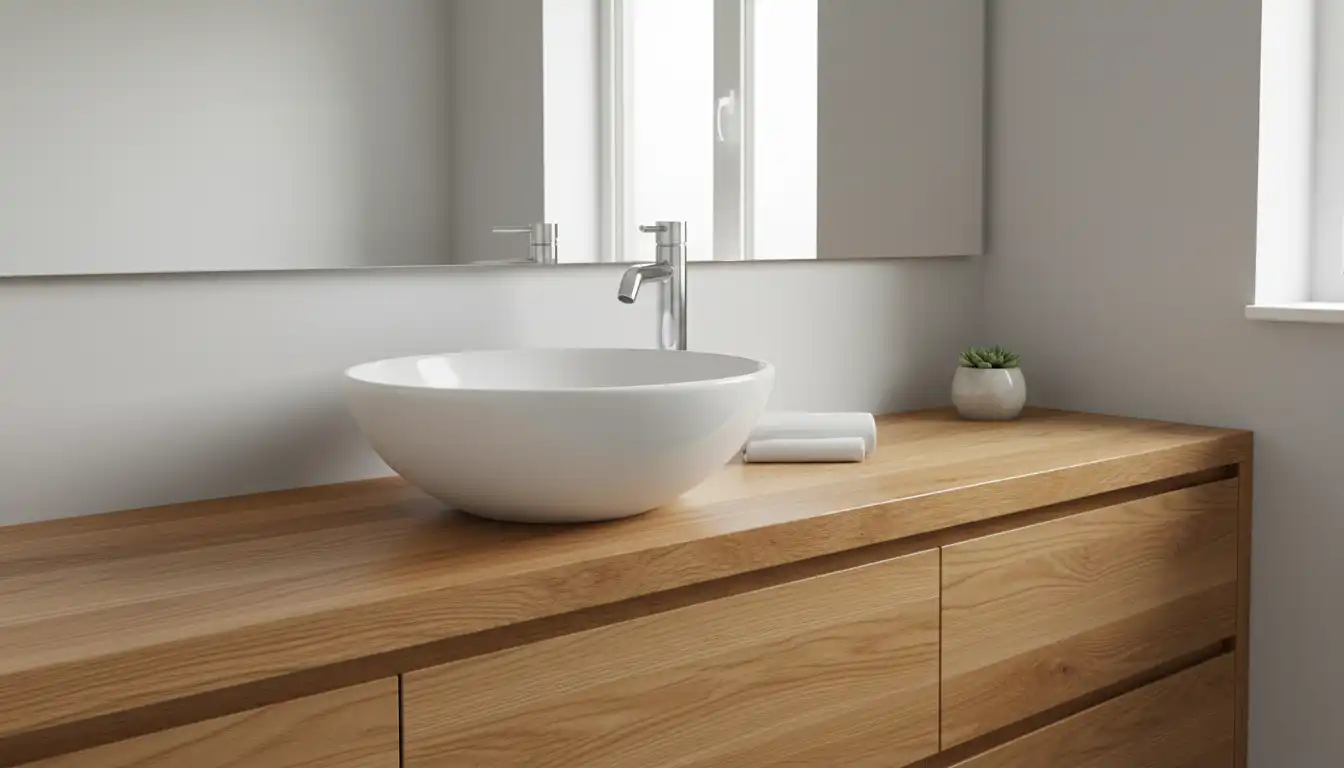
A vessel sink is a freestanding basin that sits on top of the countertop, rather than being recessed into it. This design choice offers an immediate and impactful visual upgrade. They are available in a vast array of materials, including ceramic, glass, natural stone, and even copper, allowing for complete customization of your space.
Beyond their beauty, vessel sinks offer practical advantages. By sitting atop the counter, they free up surface area around the sink. This creates a more open and less cluttered look, which is especially beneficial in smaller bathrooms. The elevated design also adds height and dimension, making the vanity a true focal point.
Critical Planning: Before You Touch a Tool
A successful sink swap relies on careful planning. Rushing into the project without considering key factors can lead to costly mistakes and frustration. Before you begin, you must assess your existing setup and plan for the specific requirements of a vessel sink.
Can Your Countertop Handle the Change?
The most significant challenge when moving from a drop-in to a vessel sink is the existing hole in your countertop. Drop-in sinks require a large cutout, whereas vessel sinks need only a small hole for the drain pipe. You cannot simply place a vessel sink over the old, large hole.
You have a few options, depending on your countertop material and budget. For laminate or wood countertops, it may be possible to patch the hole, but achieving a seamless look is difficult. The best and most common solution is to replace the countertop entirely, which also presents an opportunity to further update your bathroom’s style.
The Faucet Equation: Height and Reach are Everything
Your standard-height faucet will not work with a vessel sink. Because the basin sits on top of the counter, you need a special tall vessel faucet or a wall-mounted faucet to provide adequate clearance. The spout must be high enough to clear the rim of the sink and long enough to direct water toward the center of the basin, not onto its edge.
Measure carefully to avoid excessive splashing. A good rule of thumb is to have at least six inches of clearance from the bottom of the sink basin to the faucet’s spout. The water stream should land near the drain to minimize splash-back, ensuring a functional and pleasant user experience.
Understanding Plumbing Nuances
Vessel sinks require a specific type of drain assembly. Most vessel sinks do not have an overflow hole, so you must use a drain designed for this configuration (often called a grid drain or umbrella drain). Using a standard pop-up drain with an overflow opening on a sink without one will result in leaks.
You will also need to connect the new drain to your existing P-trap. Depending on the height of your new sink, you may need to adjust the height of the trap arm or purchase a tailpiece extension to ensure a proper connection. It is often a good idea to purchase a new P-trap kit to ensure all seals are fresh and reliable.
Gathering Your Tools and Materials
Having everything on hand before you begin makes the process smoother and more efficient. Proper preparation is the key to a professional-quality result. Refer to the table below for a comprehensive list of what you will need for this project.
| Category | Item | Purpose |
|---|---|---|
| Tools | Adjustable Wrench / Pliers | For disconnecting and connecting plumbing fittings. |
| Utility Knife | To cut the caulk seal around the old sink. | |
| Drill with Hole Saw | To cut new holes for the drain and faucet in the countertop. | |
| Caulking Gun | To apply silicone sealant. | |
| Tape Measure & Pencil | For accurate measurements and marking. | |
| Bucket & Rags | To catch water from drain lines and for cleanup. | |
| Materials | Vessel Sink | The new centerpiece of your vanity. |
| Vessel Faucet | A tall or wall-mounted faucet compatible with the sink. | |
| Vessel Sink Drain Assembly | Ensure it’s the correct type (with or without overflow). | |
| P-Trap Kit | To connect the sink drain to the wall pipe. | |
| Flexible Water Supply Lines | To connect the new faucet to the shut-off valves. | |
| 100% Silicone Sealant | To create a waterproof seal for the sink and drain. | |
| Plumber’s Putty or Tape | For sealing threaded pipe connections. |
The Transformation: A Step-by-Step Installation Guide
With your planning complete and materials gathered, you are ready to begin the installation. Follow these steps methodically for a secure, leak-free result. Safety first: wear gloves and safety glasses throughout the process.
Step 1: Shut Down and Disconnect
Begin by turning off the hot and cold water supply using the shut-off valves located under the sink. Turn the faucet on to relieve any remaining pressure and drain the lines. Place a bucket under the P-trap to catch water and use your wrench to disconnect the water supply lines from the faucet and the nuts securing the P-trap.
Step 2: Liberate the Old Drop-In Sink
Use a utility knife to carefully cut through the silicone or caulk seal around the rim of the drop-in sink. From underneath, locate the metal clips holding the sink to the countertop and loosen them with a screwdriver or wrench. Once all clips are loose, you can gently push up on the sink from below and lift it out of the countertop.
Step 3: Prepare the Countertop
As discussed, this step will likely involve installing a new countertop. Once the new counter is secured to the vanity cabinet, you must mark the locations for the new holes. Position the vessel sink in its desired location and use a pencil to trace the outline of the drain hole. Do the same for the new faucet, ensuring proper spacing and alignment.
Step 4: Drilling the New Openings
Measure twice, cut once. Double-check your markings before drilling. Select a hole saw bit that matches the diameter of your drain assembly (typically 1.75 inches) and your faucet base. Drill slowly and steadily to create clean openings. After drilling, sand the edges of the holes lightly to remove any burrs.
Step 5: Setting the Sink and Faucet
First, install the faucet according to the manufacturer’s instructions, securing it from underneath the countertop. Next, apply a continuous bead of 100% silicone sealant around the drain hole on the countertop. Carefully place the vessel sink onto the counter, aligning it with the drain hole. Do not press down too hard; let the weight of the sink settle into the sealant.
Step 6: Final Plumbing Connections
From above the sink, insert the drain flange into the drain hole, applying plumber’s putty or a silicone gasket underneath its lip as directed. From below, attach the rubber gasket and tighten the locknut to secure the drain assembly. Be firm, but do not overtighten, as this can crack a ceramic or glass sink. Connect the P-trap to the drain tailpiece and the wall pipe. Finally, connect the new flexible supply lines from the faucet to the shut-off valves.
Step 7: The Leak Test
Wipe away any excess sealant from around the base of the sink. Slowly turn the water supply valves back on. Run water into the sink and thoroughly inspect all connections—the supply lines, the drain assembly, and the P-trap—for any drips. If you find a leak, gently tighten the corresponding connection a quarter-turn at a time until it stops.
Navigating Common Installation Hurdles
Even with careful planning, you might encounter some challenges. A common issue is a wobbly sink, which usually means not enough sealant was used or the locknut on the drain is not sufficiently tight. Another problem can be a slow drain, which can be caused by an improperly aligned P-trap or a blockage in the line.
Choosing the right tools for the job can make all the difference. For any homeowner undertaking projects, from bathroom remodels to outdoor maintenance, investing in quality equipment is key. For example, a detailed review comparing a Craftsman vs. Ariens snowblower demonstrates how feature analysis helps in selecting the right tool for tough jobs, a principle that applies to plumbing tools as well.
Long-Term Care for Your New Vessel Sink
Maintaining the beauty of your new sink is simple. The required care depends on the material. For ceramic and porcelain, a non-abrasive cleaner is sufficient. Glass sinks show water spots easily, so wiping them down after each use is recommended to keep them sparkling.
For natural stone sinks, avoid acidic or harsh chemical cleaners which can damage the surface. Use a pH-neutral stone cleaner and consider sealing the stone periodically to prevent stains. Proper maintenance ensures your sink remains a stunning feature for years to come.
Completing Your Bathroom Refresh
With your new vessel sink installed, the rest of the bathroom might need a little sprucing up to match. Consider updating other fixtures like towel bars or lighting. A full home and garden refresh can be incredibly rewarding. Once your interior project is complete, you might even be inspired to tackle outdoor challenges, like finally figuring out how to approach destroying Spanish bluebells in your garden beds.
Finishing details make a huge difference in the overall look. Upgrading the trim can complete the transformation. Reading a polystyrene baseboard review can introduce you to modern, waterproof options that are perfect for a bathroom environment and tie the whole new look together.