
Chairs Under TV: Your #1 Hack for That Awkward Empty Space
You did everything right. You found the perfect spot for your new flat-screen, mounted it securely, and concealed the wires. Yet, something feels off.
A blank, awkward void sits beneath your beautifully mounted television, making the entire wall feel unbalanced and incomplete. This common design dilemma leaves many homeowners frustrated.
You'll Learn About
The Problem: Why the Space Under Your TV Looks So Empty
That floating black rectangle on your wall creates a visual hole in your room’s decor. Without something to ground it, the TV can feel like an afterthought rather than an integrated part of your living space. This issue disrupts the flow and harmony of the room.
This empty area begs for a solution, but finding the right one can be a challenge. The wrong choice can lead to a cluttered, disorganized look that’s even worse than the empty space.
Beyond the Console: The Limits of Traditional Setups
For years, the default solution was a bulky media console. While functional for storing electronics, they often consume valuable floor space and contribute to a heavy, dated aesthetic. Many modern homes, aiming for a lighter and more open feel, find these traditional units counterproductive.
Floating shelves are another popular choice, but they can quickly become cluttered with remotes, cables, and random decor. This often fails to solve the core problem of creating a visually appealing and functional area.
The Awkward Void: A Missed Design Opportunity
That empty space isn’t just a problem to be solved; it’s a design opportunity waiting to be seized. Leaving it blank is a missed chance to add personality, function, and style to your room. It is prime real estate that can elevate your entire living area.
Properly utilized, this spot can become a charming focal point, a cozy reading nook, or a practical seating area. Ignoring it means settling for a room that feels unfinished and lacks thoughtful design.
The Ultimate Solution: Strategic Seating Under Your TV
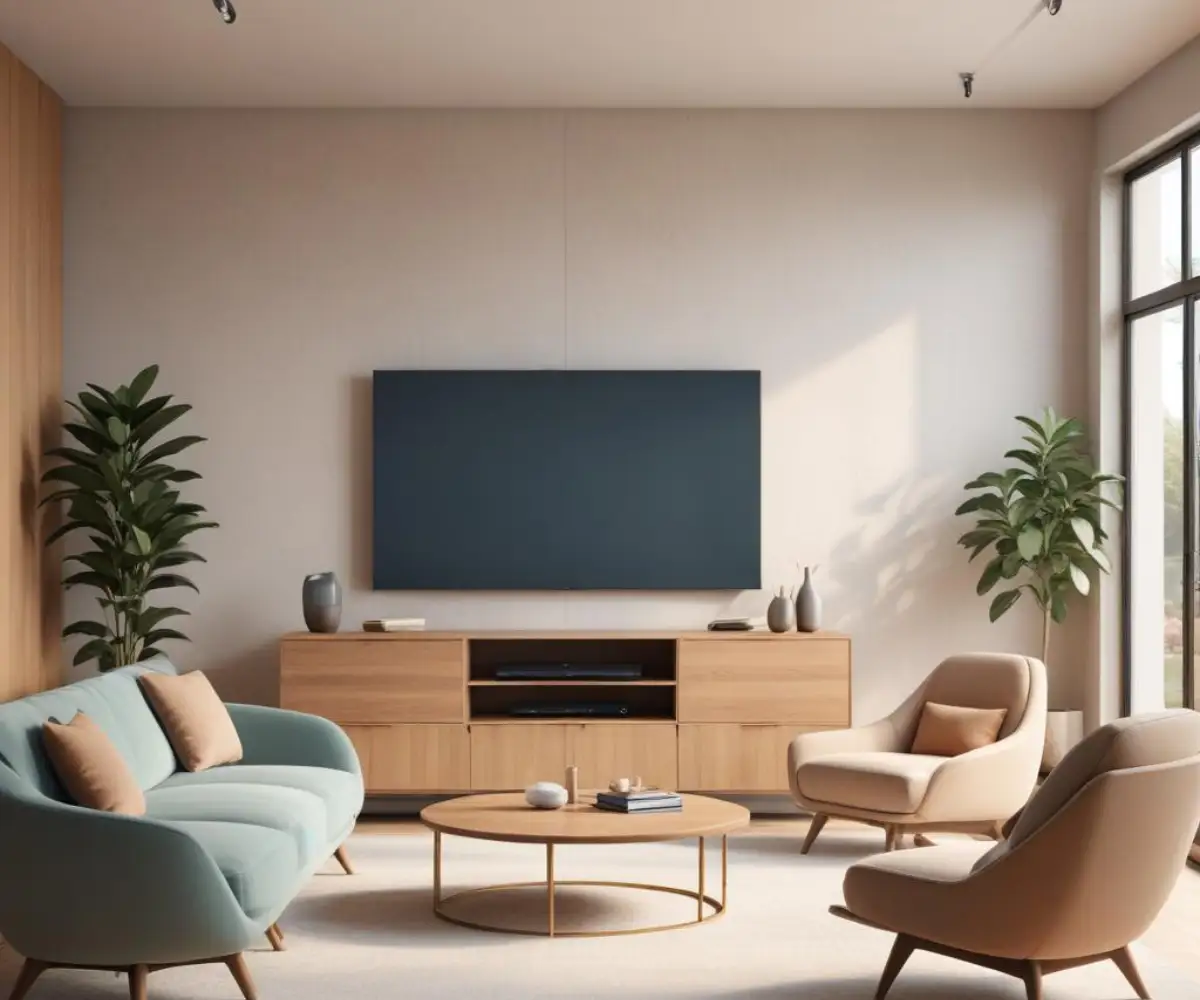
The most elegant and effective solution is placing chairs under your TV. This unexpected choice instantly grounds the television, fills the void, and adds a layer of sophistication and purpose to the space. It is a game-changer for interior design.
This approach moves beyond mere storage and transforms the area into a functional and inviting part of the room. It’s a versatile strategy that works in spaces large and small.
Why Chairs are the Perfect Answer
Chairs offer both form and function. They provide extra seating for guests without disrupting the primary viewing area. A pair of stylish accent chairs can frame the TV, creating a balanced and symmetrical look that is pleasing to the eye.
Unlike a solid console, chairs maintain a sense of openness and light. They add texture, color, and personality, turning a purely technical zone into a warm and welcoming space. Exploring comfortable Lazyboy alternatives can introduce both style and coziness.
Choosing the Right Chairs: Style and Functionality
The key to success is selecting the right type of chairs. Low-profile chairs are essential to avoid obstructing the view of the screen. Look for designs that are visually light and complement your existing decor.
Consider the chair’s purpose. Will it be purely decorative, or do you envision it as a cozy reading spot? The function will dictate the style, from armless slipper chairs to compact, modern armchairs.
| Chair Type | Best For | Space Requirement | Style Notes |
|---|---|---|---|
| Armless Slipper Chair | Small spaces and minimalist decor | Low | Clean lines, versatile, and easy to tuck away. |
| Low-Profile Armchair | Creating a cozy reading nook | Medium | Adds comfort and substance without blocking the screen. |
| Upholstered Bench | Flexible seating and a clean look | Low | Offers wide seating and can store items underneath. |
| Stylish Ottomans/Poufs | A casual, multi-functional approach | Very Low | Can be used as seating, footrests, or small tables. |
How to Perfectly Style Chairs Under Your TV
Proper styling is crucial to making chairs under the TV look intentional and chic. It requires careful measurement, a clear purpose, and thoughtful accessorizing. Following a few simple steps can ensure a flawless execution.
This process transforms a simple furniture placement into a sophisticated design statement. It integrates the seating area with the rest of the room’s decor.
Step 1: Measure Everything (Twice)
Before you buy, measure the height from the floor to the bottom of your TV. Ensure the back of the chairs sits well below this line. Also, measure the width of the wall space to ensure the chairs, and any accompanying table, fit comfortably without looking cramped.
Proper scale is non-negotiable. Chairs that are too tall or too wide will overwhelm the space and look like a mistake.
Step 2: Define the Purpose of the Seating
Decide how the seating will be used. If it’s for conversation, arrange two chairs facing each other slightly. If it’s a reading nook, a single chair with a small side table and a lamp creates a perfect vignette.
For purely decorative purposes, a matching pair of sleek chairs can create a powerful symmetrical statement. The intended function guides the entire arrangement.
Step 3: Complement Your Existing Decor
The chairs should feel like part of the room, not a random addition. Choose upholstery and materials that echo other elements in your space. Whether your style is mid-century modern, rustic farmhouse, or contemporary, select chairs that align with that aesthetic.
This cohesion is key to a professional and polished look. The goal is to create a seamless visual story throughout the room.
Step 4: Accessorize for a Cohesive Look
Accessories are what tie the look together. Add a small area rug under the chairs to define the zone. Place a small, low-profile table between them for drinks or a book.
A decorative throw pillow on each chair can add a pop of color and texture, connecting the seating to your overall color scheme. These finishing touches make the arrangement feel deliberate and stylish.
Common Mistakes to Avoid (And How to Fix Them)
While placing chairs under a TV is a brilliant solution, there are common pitfalls that can undermine the effect. Being aware of these potential mistakes is the first step to avoiding them. Even small errors can make the setup look awkward.
Fortunately, these issues are easy to correct with minor adjustments. A little foresight goes a long way in achieving a flawless result.
Mistake 1: Blocking the View
The most critical mistake is choosing chairs that are too high. The top of the chair back must be lower than the bottom edge of the TV. This is a strict rule that ensures both functionality and aesthetic balance.
If your chairs are too tall, the arrangement will look cluttered and obstruct the screen. Always prioritize low-profile designs for this specific application.
Mistake 2: Overcrowding the Space
Don’t try to fit too much into the area. Two small chairs or one bench is often sufficient. Adding oversized chairs or too many pieces will make the wall feel heavy and cramped.
The goal is to create a sense of balance, not to fill every square inch of space. Less is almost always more in this situation.
Mistake 3: Ignoring Scale and Proportion
The size of the chairs should be in proportion to the size of the TV and the wall. A massive 85-inch TV will dwarf a pair of tiny slipper chairs, creating a comical imbalance. Conversely, large armchairs will overpower a smaller screen.
Strive for a harmonious relationship between all elements. The furniture should complement the TV, not compete with it or disappear beneath it.
Beyond Aesthetics: The Unexpected Ergonomics of Under-TV Seating
This design choice offers more than just visual appeal. It fundamentally changes the social dynamics of a living room. It subtly encourages interaction over passive viewing.
By creating a secondary seating area, you craft a space that is not solely focused on the screen. This introduces a new layer of functionality to the room.
Creating a “Social Hub” Instead of a “Viewing Zone”
The chairs placed under the TV are not intended for watching television. Their positioning makes that impractical. Instead, they form a natural spot for conversation, enjoying a morning coffee, or reading a book.
This setup allows one person to watch TV while others can sit and chat without feeling disconnected. It transforms the TV wall from a one-dimensional entertainment zone into a multi-functional social hub.
A Note on TV Placement and Viewing Angles
This arrangement works best when the primary seating, like your main sofa, is positioned at an optimal viewing distance and angle from the screen. The chairs underneath serve a different purpose entirely. The overall layout of the room must be considered for both comfort and conversation.
Getting the placement right is crucial for an enjoyable viewing experience. An understanding of whether the TV should be centered on the wall is foundational to the entire room’s layout. You should also be mindful of how furniture placement can impact acoustics and consider ways to muffle TV noise for a better experience.
Frequently Asked Questions
Navigating a new design trend can bring up questions. Addressing these common queries provides clarity and confidence to implement this stylish solution in your own home.
Getting the details right ensures the final look is both beautiful and practical.
Is it okay to put chairs directly under a TV?
Absolutely, provided they are low-profile and do not obstruct the screen. The key is to ensure the chairs serve as a visual anchor for the TV, creating a balanced and complete look. It is a stylish and modern alternative to traditional media consoles.
This arrangement should feel intentional. The chairs should be treated as a distinct zone within the larger room.
What kind of chairs work best under a TV?
Low-back armchairs, slipper chairs, benches, and ottomans are ideal choices. These pieces provide seating and style without interfering with the TV’s visibility. The best option depends on your space and aesthetic goals.
Look for designs with clean lines and a compact footprint to maintain an open and airy feel.
How do I make the area feel less cluttered?
Stick to a minimalist approach. Use only two chairs or a single bench. Keep accessories to a minimum—a small table, a couple of pillows, or a single throw blanket is all you need.
Ensure there is ample “white space” around the arrangement to prevent a cluttered look. The goal is to complement the TV, not overwhelm it.
Final word
The often-overlooked area beneath a wall-mounted TV is the final frontier of living room design. While the screen itself may be perfectly placed, leaving the space beneath it blank results in a jarring visual gap that undermines the entire aesthetic. Solving this common dilemma requires treating the space not as a void, but as a crucial design opportunity. By introducing well-chosen elements—whether it’s functional storage, artistic shelving, or thoughtfully scaled furniture—homeowners can successfully anchor the television to the room’s composition, transforming an incomplete wall into a balanced, polished, and purposeful focal point
