
Cats on Coffee Tables? The #1 Secret to Reclaim Your Space
It’s a scene familiar to countless homeowners. You’ve curated the perfect living room, every piece of decor meticulously placed, only to find your feline friend has claimed the centerpiece—the coffee table—as their personal throne. This behavior, while common, is a significant source of frustration, turning a stylish surface into a landscape of cat fur, scattered items, and potential scratches.
The issue goes beyond simple aesthetics. A cat lounging on the coffee table can pose hygiene concerns, especially if you use the surface for snacks or drinks. It also puts your decor, from remote controls to fragile vases, at constant risk of being knocked over by a playful swat or a twitching tail.
You'll Learn About
The Feline Fascination: Why Cats Crave the Coffee Table
To solve the problem, one must first understand the motivation behind it. A cat doesn’t jump on your coffee table to annoy you; it’s driven by powerful, deeply ingrained instincts. Understanding this perspective is the first step toward finding a lasting solution that works for both you and your pet.
A Throne with a View
In the wild, cats are both predator and prey. A high vantage point provides a strategic advantage, allowing them to survey their territory for potential threats and opportunities. Your coffee table, while not a treetop, serves as the perfect elevated platform in the center of the living room.
From this central perch, your cat can monitor all the household’s comings and goings. It provides a clear line of sight to doorways, windows, and, most importantly, their human companions. This satisfies their instinct to be in a position of control and awareness.
The Center of Your World
Cats are often more social than they are given credit for. The living room is the heart of the home, and the coffee table is frequently right in the middle of the action. By occupying this space, your cat isn’t just seeking a perch; it’s seeking proximity to you.
They are placing themselves directly in your social sphere. This is their way of participating in family life, ensuring they don’t miss out on any attention, petting, or interaction. The table is less a piece of furniture to them and more a VIP seat at the family gathering.
Sensory Signals and Territory
Coffee tables are a treasure trove of scents. They hold the lingering aroma of your morning coffee, the food you eat, and your own unique scent from your hands and the items you place there. Cats use their powerful sense of smell to understand their environment.
By rubbing against the table or lounging on its surface, they are also depositing their own scent from glands in their cheeks and paws. This is a form of territorial marking, a quiet declaration that this central, important piece of furniture is part of their domain.
Reclaiming Your Surface: Proven Strategies for a Cat-Free Table
Once you understand the “why,” you can address the behavior effectively and humanely. The goal isn’t to punish the cat but to redirect its natural instincts toward more appropriate locations. This requires a multi-faceted approach combining deterrents, alternatives, and protective measures.
Strategy 1: Make the Coffee Table Unappealing
The most direct method is to make the coffee table a less pleasant place for your cat to be. This involves using textures and scents that cats naturally dislike, without causing them any harm. Consistency is key for this strategy to be effective.
Many cats have a strong aversion to certain surfaces. Commercially available double-sided sticky tape, applied around the edges of the table, can be a highly effective deterrent. Cats dislike the tacky feeling on their paws and will quickly learn to avoid the area.
Similarly, a sheet of aluminum foil placed loosely on the surface can work wonders. The crinkling sound and strange texture are often enough to startle a cat and discourage a second attempt. This is a great temporary solution while you implement more permanent training.
You can also leverage a cat’s sensitive nose. Cats are generally not fond of citrus smells. Placing a small bowl of lemon or orange peels on the table, or using a citrus-scented polish, can make the area much less attractive to your feline friend.
Strategy 2: The Art of the Upgrade—Provide a Better Alternative
Simply telling a cat “no” is not enough; you must also provide a “yes.” If you take away their favorite high-ground spot, you must offer an even better one. The new option must be more appealing than the coffee table ever was.
Invest in a tall, sturdy cat tree or condo. Place it near a window and in the same room as the coffee table. This placement is crucial because it fulfills the cat’s need for a vantage point while still allowing them to be in the same social area.
Make the new spot irresistible. Sprinkle it with catnip, place their favorite blanket on the top perch, and give them treats and praise every time they use it. This positive association will quickly teach them that the cat tree is a far more rewarding place to be.
Strategy 3: Protect the Surface, Preserve the Style
While you are training your cat, it’s wise to protect your coffee table from accidental damage. Scratches from claws can ruin a beautiful wood or lacquer finish, especially on a valuable piece. If you want to learn more about valuable furniture, you might be interested in how to identify a LaBarge coffee table and its unique characteristics.
A simple and stylish solution is to use a decorative tray. A large tray made of metal, acrylic, or a different material can contain your decor and protect the majority of the tabletop. It also breaks up the flat, open surface that cats find so inviting for a nap.
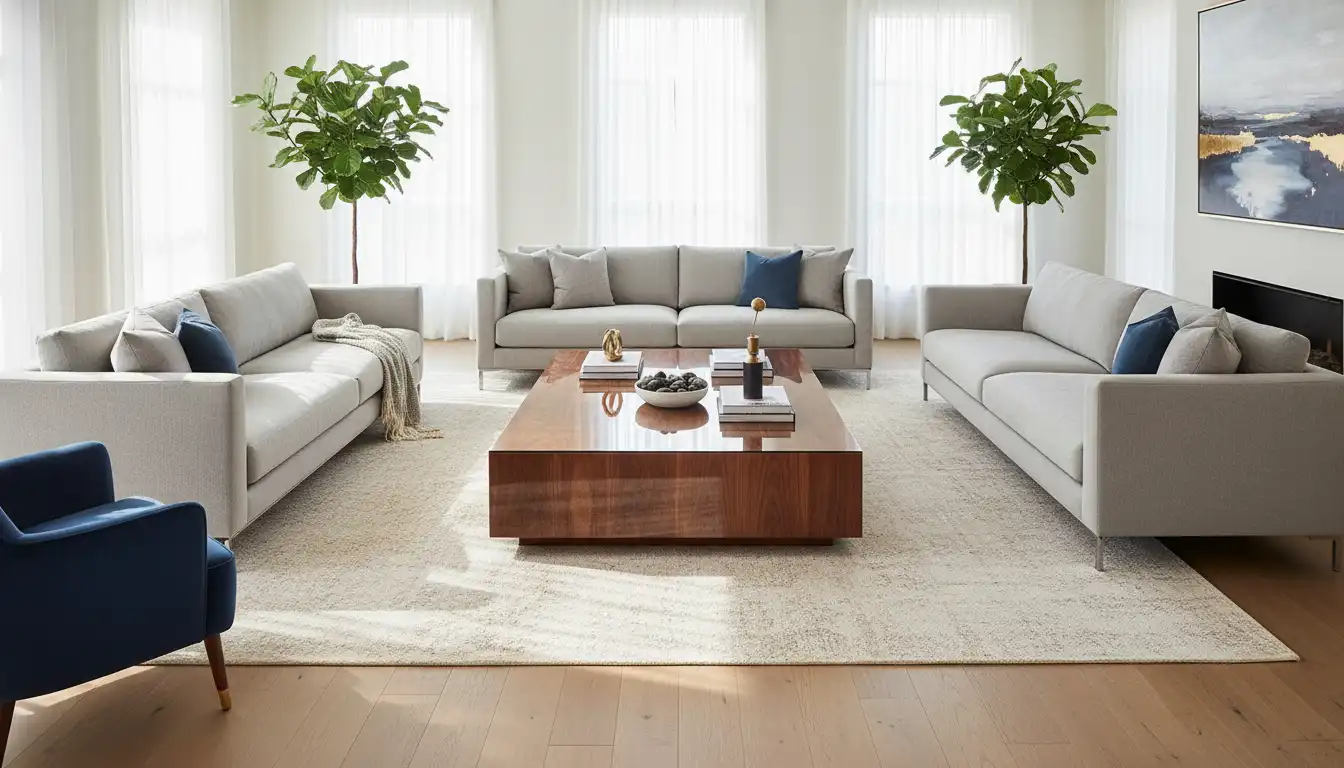
You can also use a table runner. Choose one with a texture that is less comfortable for cats to lie on, such as a rough, woven fabric. This adds a layer of protection and a touch of style while subtly discouraging your cat from settling down for a snooze.
For a more robust solution, consider a custom-cut piece of acrylic or glass to place over the entire surface. This provides maximum protection against scratches and is easy to clean, preserving the wood underneath while your cat learns new habits.
Strategy 4: The Power of Positive Reinforcement
Active training can significantly speed up the process. The goal is to associate the coffee table with a neutral or negative outcome and associate approved spots with positive outcomes. This requires patience and consistency from everyone in the household.
Develop a firm but calm “Off” command. When you see your cat on the table, say “Off” in a clear voice and gently guide them off the surface. Do not yell or scare them, as this can create anxiety and other behavioral problems.
Immediately redirect them to their designated spot, like the cat tree. Once they are there, reward them with a treat, praise, or a play session. This creates a powerful connection: being on the floor or the cat tree earns a reward, while being on the coffee table does not.
Choosing a Cat-Friendly Coffee Table
If you’re in the market for a new coffee table, you have the advantage of choosing a piece that is inherently less appealing or more resistant to cats. Some materials and designs are far better suited for a home with pets. When considering your options, it’s helpful to compare different retailers; for instance, understanding the offerings of Arhaus vs Crate and Barrel can guide you to brands known for durable, high-quality furniture.
Tables with surfaces made of glass, metal, or stone are excellent choices. These materials are not satisfying for a cat to scratch and are very easy to clean. A cat may jump up once or twice but will quickly realize the surface is cold and uninviting for a nap.
Consider the design of the table itself. Tables with thinner legs or pedestal bases can feel less sturdy to a cat, making them less likely to attempt a jump. Conversely, a large, solid block-style table presents an irresistible, stable platform. Tables with built-in storage or multiple tiers can also be problematic, as they offer more intriguing spots for a cat to explore and claim.
| Deterrent Method | Pros | Cons |
|---|---|---|
| Double-Sided Tape | Highly effective, non-toxic, and easy to apply. | Can leave residue on some finishes, visually unappealing. |
| Citrus Scents | Natural, pleasant smell for humans, easy to implement. | Scent fades quickly and needs frequent reapplication. |
| Aluminum Foil | Inexpensive, effective sound and texture deterrent. | Noisy, looks messy, and is a very temporary solution. |
| Motion-Activated Air Spray | Automated and consistent, works when you’re not home. | Can be expensive, may startle timid cats or other pets. |
Creating a Harmonious Living Space
Ultimately, keeping your cat off the coffee table is about creating balance within your home’s ecosystem. It involves understanding your pet’s needs and integrating solutions that respect your interior design. The layout of your room plays a significant role in this dynamic.
Consider the flow of your living area and how furniture placement might create an easy “ladder” for your cat to reach the coffee table. The relationship between your sofa, end tables, and coffee table matters. Even the placement of a rug can define zones, and knowing how a round rug under a square table can anchor a space might help you rethink your layout to subtly guide your pet’s traffic patterns.
Patience is the most critical tool in your arsenal. It took time for your cat to develop this habit, and it will take time to gently and consistently redirect it. By making the coffee table less attractive and providing a far superior alternative, you can guide your feline friend to a new favorite spot.
The end result will be a home that is harmonious for everyone. You get to enjoy your clean, stylish coffee table, and your cat gets a dedicated space that perfectly suits its natural instincts for comfort, security, and a great view.
