
Duplicate Cascading Roses: Your Secret to a Waterfall of Endless Blooms
You envision a stunning vertical garden, spilling over with romantic flowers. Yet, many gardeners find their climbing roses become stiff, woody, and frustratingly bare at the base. This common problem leaves walls and trellises looking sparse rather than lush and vibrant.
The core issue often lies with the growth habit of traditional climbing roses. While beautiful, their canes can become rigid over time, making them difficult to train and prone to losing foliage on lower sections. This results in a top-heavy display that lacks the graceful, flowing effect you desire.
You'll Learn About
The Unspoken Problem with Traditional Climbing Roses
Many gardeners invest significant time and effort into nurturing climbing roses, only to be met with disappointment. The dream of a wall blanketed in blooms turns into a reality of awkward, leggy plants. These roses often require complex pruning and training techniques that can feel intimidating to even experienced gardeners.
Furthermore, their vigorous upright growth can quickly become unmanageable. Without constant attention, they can overwhelm structures and fail to produce the dense, cascading effect that truly transforms a garden space. This creates a visual gap and a sense of incompleteness in the landscape design.
When Vertical Dreams Don’t Pan Out
The frustration is understandable. You select a beautiful climbing variety, provide the best care, and still, the bottom half of the plant remains stubbornly naked. This is because the plant’s energy is directed towards upward growth, often at the expense of lower lateral shoots that would create a fuller appearance.
This challenge isn’t about a lack of skill but a mismatch between the plant’s natural tendencies and the gardener’s aesthetic goals. The solution is not to fight against the plant’s nature, but to choose a type of rose that is inherently designed to flow and drape.
What Are Cascading Roses? The Ultimate Garden Game-Changer
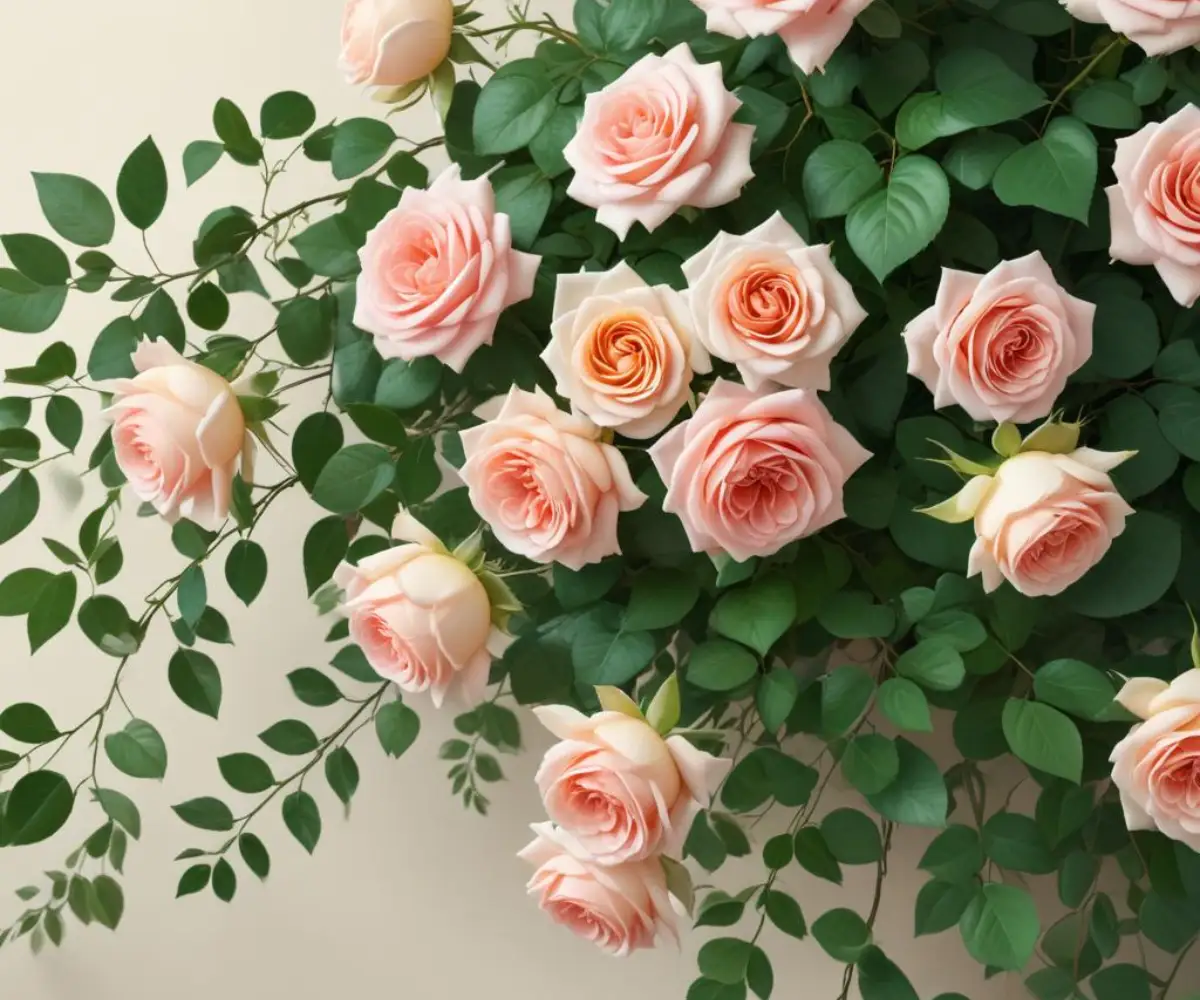
Enter the world of cascading roses. These are not a single classification, but rather a group of roses—including certain ramblers, groundcover roses, and weeping standards—prized for their long, flexible canes that naturally weep, trail, and spill downwards. Unlike the rigid canes of many climbers, these varieties are built to create a waterfall of flowers.
Their inherent flexibility makes them exceptionally versatile. They are perfect for draping over retaining walls, spilling from large containers, or covering steep banks where other plants might struggle. This growth habit ensures a dense, bloom-covered display from top to bottom, solving the “bare legs” problem beautifully.
Weeping Standards vs. Natural Cascaders
A “weeping standard” or “tree rose” is a specific form where a cascading variety is grafted onto a tall, straight trunk. This creates a stunning, umbrella-like effect with flowers dangling at eye level. They are dramatic focal points in formal beds and patios.
Natural cascaders, on the other hand, include groundcover and rambling roses that are allowed to grow into their natural draping form. Varieties like ‘Red Cascade’ or ‘Super Dorothy’ are perfect examples. Planted at the top of a wall or slope, their canes will gracefully trail downwards, creating a living tapestry of color.
Choosing the Perfect Cascading Rose for Your Garden
Selecting the right variety is the most critical step to achieving a breathtaking display. Factors to consider include your climate zone, the desired size, bloom color, and whether you prefer a single dramatic flush or continuous blooming throughout the season. Disease resistance is also a key factor for a low-maintenance garden.
When reviewing options, pay close attention to descriptions of cane flexibility and growth habit. Look for terms like “trailing,” “arching,” “flexible,” or “weeping.” These are all indicators that the rose is well-suited for a cascading application.
A Comparison of Top-Performing Varieties
To simplify your choice, here is a breakdown of some of the most reliable and beautiful cascading rose varieties. Each offers a unique combination of features to suit different garden styles and needs.
| Rose Variety | Type | Bloom Color | Size | Key Features |
|---|---|---|---|---|
| ‘Red Cascade’ | Miniature Climber/Groundcover | Deep Red | 1-2 ft high, 6-8 ft spread | Extremely vigorous, disease-resistant, and a repeat bloomer. Perfect for walls and slopes. |
| ‘Super Dorothy’ | Rambler | Deep Pink | 8-10 ft canes | Very flexible canes and profuse, late-season repeat blooms. Excellent for large structures. |
| ‘Guirlande d’Amour’ | Rambler | Creamy White | 10-12 ft canes | Highly fragrant, continuous blooming, and very healthy. Ideal for arches and pergolas. |
| ‘Raubritter’ | Macrantha Hybrid | Shell Pink | 5-7 ft canes | Unique cup-shaped blooms in one spectacular flush. Highly resistant to rain damage. |
| ‘Jasmina’ | Climber/Weeping Standard | Lavender Pink | 7-8 ft canes | Intensely fragrant, old-fashioned blooms and excellent disease resistance. |
The Secret to a Breathtaking Cascade: Planting & Location
The success of cascading roses is all about elevation. To achieve that stunning waterfall effect, you must plant them where their canes have space to spill downwards. This could be at the top of a retaining wall, on a steep bank, in a large elevated planter, or even in a hanging basket for smaller varieties.
Ensure the chosen location receives at least six hours of direct sunlight per day. Good air circulation is also crucial to prevent fungal diseases like black spot and powdery mildew. When planting near a wall, position the rose about 12-18 inches away from the base to allow for root development and airflow.
Structural Support Is Non-Negotiable
While their canes are flexible, the sheer weight of a mature, bloom-laden rose requires robust support. For weeping standards, a sturdy metal umbrella or frame is essential to prevent the main trunk from snapping in strong winds. For roses trained against a wall or fence, a system of wires or a trellis is necessary to guide the initial growth.
Think of it like hanging curtains; just as you’d need a strong rod to prevent sagging over a wide span, your rose needs a reliable framework to support its flowering canopy. This initial structure is what you will tie the main canes to, allowing them to establish a strong base from which the flowering shoots will weep.
Mastering the Art of Pruning for a Flawless Weep
Pruning is where many gardeners feel hesitant, but for cascading roses, it’s simpler than you think. The primary goal is not to force a shape but to encourage the plant’s natural weeping habit and promote vigorous new growth. The key is to remove old, unproductive wood and maintain a framework of healthy, flexible canes.
The timing and method depend on whether your rose blooms once or repeatedly. For once-blooming varieties like ‘Raubritter’, prune immediately after their summer flowering has finished. For repeat-blooming types, the main pruning should be done in late winter or early spring while the plant is dormant.
Renewal Pruning: The Technique for Long-Term Vigor
Over time, the center of any rose can become a dense, woody tangle that produces fewer flowers. The secret to maintaining a lush, floriferous cascade for years is a technique called renewal pruning. This involves selectively removing the oldest, thickest canes right down to the base of the plant.
Each year, aim to cut out about one-third of the oldest canes. This stimulates the rose to produce new, flexible, and highly productive canes from its base. This continuous cycle of renewal ensures the plant remains healthy, vibrant, and continues to produce that signature cascading effect without becoming woody and sparse.
Step-by-Step Pruning Guide
First, always start by removing any dead, damaged, or diseased wood. Next, identify the oldest, woodiest canes for removal. After that, shorten the remaining main canes only lightly, if needed, to maintain the desired overall size.
Finally, trim the lateral shoots (the smaller branches that grow off the main canes) back to 2-3 buds. These are the shoots that will produce the season’s flowers. This simple process keeps the plant open, encourages airflow, and directs energy toward creating a spectacular floral display.
Beyond the Basics: Advanced Care for Unstoppable Blooms
Consistent watering and feeding are crucial for supporting the massive bloom production of cascading roses. They are heavy feeders and require regular nutrients throughout the growing season. A slow-release rose fertilizer applied in early spring is an excellent start.
Supplement this with a liquid feed every 2-4 weeks during peak blooming periods. Deep, infrequent watering that encourages roots to grow deep is far better than frequent, shallow sprinkling. Mulching with organic compost or well-rotted manure will help retain soil moisture and suppress weeds.
Proactive Pest and Disease Management
While many modern cascading varieties are bred for disease resistance, no rose is completely immune. Good cultural practices are your first line of defense. Ensure good air circulation, water at the base of the plant to keep foliage dry, and clean up any fallen leaves to reduce fungal spores.
For persistent issues, consider roses known for their robust health. For instance, an in-depth review of certain modern rose series often highlights their exceptional disease-free performance, making them a wise choice for an easy-care garden. Proactive care is always more effective than reactive treatment.
Creating a Harmonious Garden with Cascading Roses
Cascading roses serve as magnificent “spiller” plants in a layered garden design. To create a truly integrated and dynamic landscape, pair them with complementary plants. The goal is to choose companions that share similar light and water requirements but offer contrasting textures and forms.
Low-growing perennials planted at the base can hide the soil and provide continuous color. Plants with silvery foliage or blue and purple flowers create a classic and stunning contrast with pink, red, or white roses.
Companion Plants that Complement, Not Compete
Excellent companions for roses include perennials that help deter pests and attract beneficial insects. Lavender is a classic choice, its aromatic foliage helping to repel aphids. Likewise, the feathery textures of Catmint (Nepeta) soften the base of the rose and provide a beautiful sea of blue flowers.
When choosing, you might wonder about the differences between popular cultivars. For example, a comparison of Nepeta ‘Cat’s Meow’ vs ‘Walker’s Low’ can help you decide on the perfect size and habit for your space. Both are superb choices for underplanting roses, effectively hiding their “bare legs” with a cloud of cool color.
Troubleshooting Common Cascading Rose Problems
Even with the best care, you may encounter issues. If your rose isn’t blooming, the cause is often related to sunlight, nutrients, or pruning. Ensure it’s getting enough sun and consider a fertilizer higher in phosphorus to encourage blooms.
Awkward growth can often be corrected with strategic pruning and training. Gently tie new, flexible canes to your support structure to guide them in the right direction. Remember that it can take a couple of seasons for a cascading rose to truly hit its stride and develop its mature, weeping form.
Your Garden’s Vertical Masterpiece Awaits
By shifting from traditional climbers to varieties with a natural cascading habit, you solve the frustrating problem of sparse, leggy growth. These remarkable roses are genetically predisposed to create the graceful, bloom-drenched waterfall you’ve always wanted. They offer unparalleled beauty for walls, slopes, and containers.
With the right selection, proper planting, and a simple renewal pruning strategy, you can cultivate a spectacular vertical feature that will be the envy of the neighborhood. Embrace the elegant drape of cascading roses and transform your garden into a multi-dimensional masterpiece.
