
Cascading Roses: Unlock a Waterfall of Blooms in Your Garden
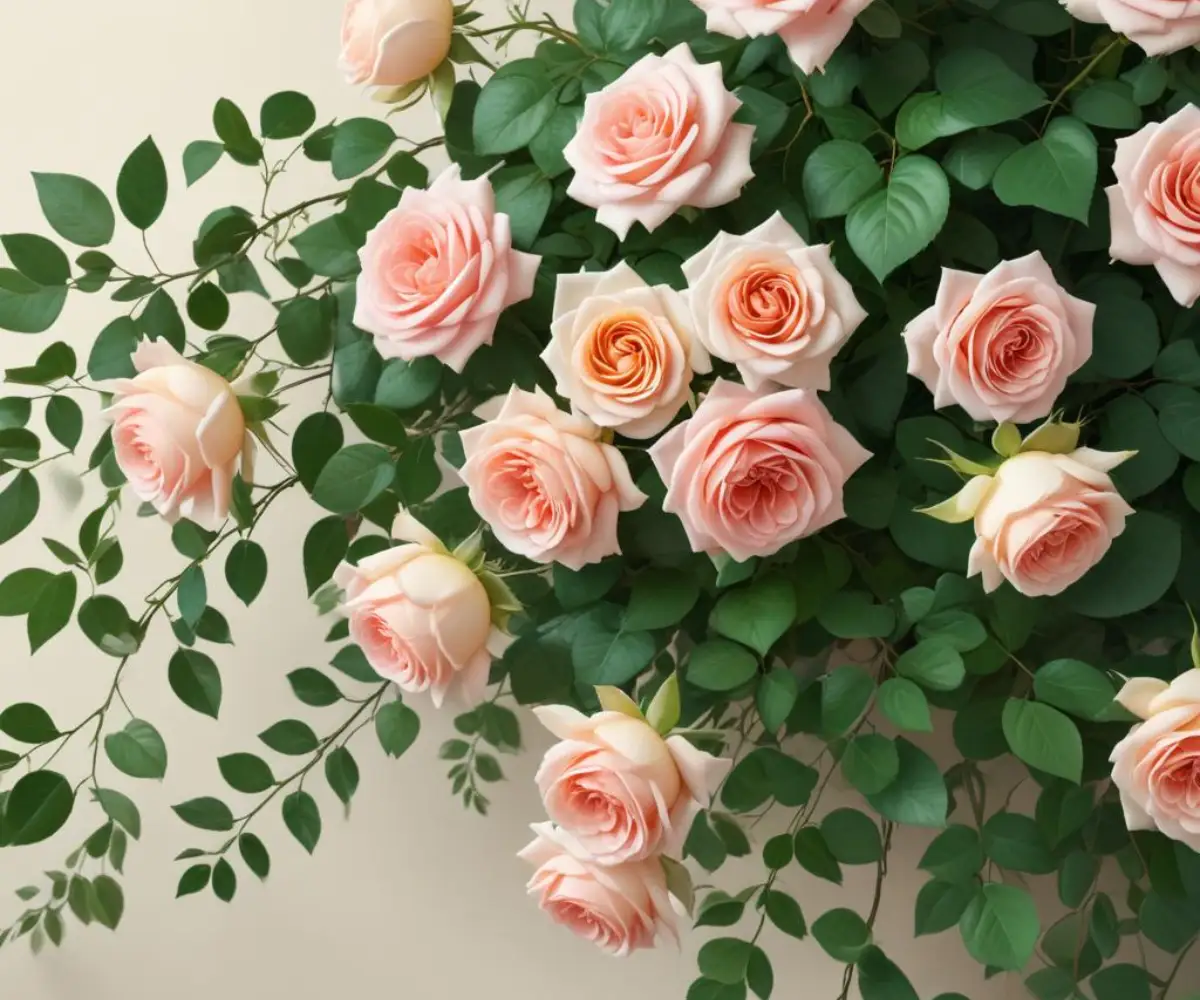
Every gardener dreams of a breathtaking floral display, a living tapestry that transforms a mundane wall or fence into a work of art. Yet, achieving that stunning, romantic cascade of roses often feels like an elusive goal. Many climbing roses want to grow defiantly upwards, leaving bare lower sections and sparse blooms, a far cry from the lush, tumbling waterfall of flowers you envisioned.
This common frustration stems from a misunderstanding of how certain roses grow and what they need to achieve a cascading habit. Without the right variety, support, and training, your dream of a floral avalanche can quickly turn into a tangled, unproductive mess. But with the right knowledge, you can overcome this challenge and create a truly show-stopping feature in your garden.
You'll Learn About
The Secret to a Floral Cascade: Understanding Rose Growth
The core problem lies in the natural tendency of most climbing roses to exhibit apical dominance, meaning they send most of their energy to the tips of their canes, encouraging vertical growth. To create a cascading effect, you need to counteract this. The solution involves a three-pronged approach: selecting the right type of rose, providing proper support, and employing specific training techniques.
Roses with long, flexible canes are ideal for creating a cascading look. Unlike stiff, upright climbers, these varieties are more amenable to being trained downwards. Furthermore, understanding the distinction between different types of roses suited for this purpose is crucial for success.
Choosing Your Champion: Best Rose Types for Cascading
Not all roses are created equal when it comes to creating a weeping or cascading effect. Some varieties are naturally predisposed to this growth habit due to their flexible canes. Rambling roses, with their vigorous growth and pliable stems, are excellent choices. Groundcover roses, known for their spreading nature, can also be trained to spill beautifully over walls and container edges.
When selecting a variety, consider its mature size, bloom frequency, and disease resistance. For instance, a review of disease-resistant roses can guide you toward varieties that will thrive with less intervention. Some popular choices for cascading displays include ‘Super Dorothy’, with its clusters of pink blooms, and the classic ‘Alberic Barbier’, a creamy-white rambler.
Your Blueprint for a Cascade of Roses: A Step-by-Step Guide
Creating a living waterfall of roses is an achievable project when you follow a clear plan. From preparing the soil to the art of pruning, each step plays a vital role in the final spectacular result. This guide will walk you through the essential stages of establishing and maintaining your cascading roses.
The Foundation: Soil Preparation and Planting
Roses are heavy feeders and require well-drained, nutrient-rich soil to flourish. Before planting, it’s essential to amend your soil to create the ideal growing environment. The goal is to achieve a loamy texture that retains moisture without becoming waterlogged.
Start by digging a hole that is at least twice the width of the rose’s root ball and about 60 centimeters deep. Incorporate generous amounts of organic matter, such as compost or well-rotted manure, into the excavated soil. This improves soil structure and provides a slow release of nutrients. Roses generally prefer a slightly acidic to neutral pH, between 6.0 and 7.0.
The Framework: Providing the Right Support
A sturdy support structure is non-negotiable for cascading roses. It not only bears the weight of the mature plant but also guides its growth. The type of support you choose will depend on your desired effect and location. Options include trellises, arbors, pergolas, and wires installed against a wall or fence.
When installing a support structure against a wall, ensure there is a gap of at least a few inches to allow for adequate air circulation, which helps prevent fungal diseases. For a freestanding display, a rose umbrella or a sturdy obelisk can be very effective. It is best to install the support at the time of planting to avoid disturbing the roots later on.
The Art of Training: Bending the Rules of Growth
Training is the most critical step in achieving a cascading effect. The primary goal is to encourage horizontal and downward growth, which in turn promotes the development of lateral shoots that will produce flowers. This technique, sometimes referred to as “pegging,” interrupts the natural upward flow of hormones, leading to more blooms along the length of the canes.
As the new, flexible canes grow, gently bend them and tie them to your support structure. Use soft plant ties or garden twine to avoid damaging the stems. Initially, aim for a horizontal position. As the canes lengthen, you can begin to guide them downwards. This process requires patience and consistent attention throughout the growing season.
A Comparison of Popular Cascading Rose Varieties
Choosing the right rose is the first step towards a stunning display. The table below highlights some of the best varieties for creating a cascading effect, detailing their key characteristics to help you make an informed decision for your garden.
| Variety Name | Rose Type | Color | Fragrance | Key Features |
|---|---|---|---|---|
| ‘Super Excelsa’ | Rambler | Deep pink to crimson | Light | Repeat blooming, very flexible canes, good disease resistance. |
| ‘Ghislaine de Féligonde’ | Hybrid Musk | Apricot-yellow fading to cream | Strong, musky | Nearly thornless, shade tolerant, produces small hips. |
| ‘The Albrighton Rambler’ | English Rambler | Soft pink | Light, musky | Very reliable repeat bloomer, light and airy growth habit. |
| ‘Red Cascade’ | Miniature Climber | Deep red | Slight | Vigorous for a miniature, suitable for containers and smaller structures. |
| ‘Snow Goose’ | Rambler | White | Light | Repeat flowering, manageable size for a rambler, graceful habit. |
Long-Term Care for a Lasting Display
Once your cascading roses are established, ongoing care is necessary to keep them healthy and blooming profusely. This includes proper watering, feeding, and, most importantly, strategic pruning. A well-maintained rose is not only more beautiful but also more resilient to pests and diseases.
Watering and Feeding: Fueling the Blooms
Cascading roses, especially those grown against a wall, may be sheltered from rain and require consistent watering. Water deeply at the base of the plant to encourage a strong root system. Avoid overhead watering, as wet foliage can promote fungal diseases. A layer of mulch around the base will help conserve moisture and suppress weeds.
Feed your roses regularly throughout the growing season. A balanced rose fertilizer applied in early spring and again after the first flush of blooms will provide the necessary nutrients for vigorous growth and abundant flowering. Follow the manufacturer’s instructions for application rates.
Pruning for a Cascade: A Specialized Approach
Pruning cascading roses differs from pruning other rose types. The main pruning is typically done in late winter or early spring. The goal is to maintain the plant’s shape and encourage the production of new, flower-bearing wood.
For repeat-flowering varieties, remove any dead, diseased, or damaged wood. Then, cut back the lateral shoots that flowered the previous year to two or three buds. For once-blooming ramblers, it is best to prune immediately after they finish flowering, as they bloom on old wood. Remove some of the oldest canes at the base to encourage new growth from the bottom.
Troubleshooting Common Problems with Cascading Roses
Even with the best care, you may encounter some challenges. Being able to identify and address common issues promptly will ensure your cascading roses remain a stunning feature in your garden. From pests to diseases, here are some problems to watch out for.
Pests and Diseases: Staying Vigilant
Roses can be susceptible to a variety of pests and diseases, such as aphids, black spot, and powdery mildew. Good air circulation is a key preventative measure, which is why providing space between the plant and a solid wall is important. Regularly inspect your roses for any signs of trouble.
If you notice pests, a strong jet of water can often dislodge them. For more persistent issues, insecticidal soap can be effective. Fungal diseases can be managed by removing affected leaves and, in some cases, applying a fungicide. For those interested in companion planting, placing certain plants nearby, like in the comparison between Nepeta varieties, can sometimes help deter pests.
Structural Integrity: Avoiding Damage
A mature cascading rose can become very heavy, especially when laden with blooms and wet from rain. Ensure your support structure is robust and well-maintained to prevent it from collapsing under the weight. This is particularly important for wooden structures, which may require periodic treatment to prevent rot, though one should be aware of the potential hazards of certain treatments.
Regularly check the ties securing the rose to its support and replace any that have become brittle or are cutting into the stems. As the main canes thicken over time, you may need to adjust the ties to accommodate their growth.
Creative Applications for Cascading Roses in Your Garden
The beauty of cascading roses can be showcased in numerous ways throughout your landscape. Beyond the traditional wall or fence covering, consider these creative ideas to incorporate a waterfall of blooms into your garden design. These applications can elevate your garden’s aesthetic and create unique focal points.
Container Gardening with Cascading Roses
Cascading roses can be breathtaking in large containers, where their blooms can spill over the edges. Choose a pot that is at least 18-24 inches in diameter and depth to provide ample room for root growth. Varieties like ‘Red Cascade’ or groundcover roses are particularly well-suited for container culture. Ensure the container has excellent drainage and use a high-quality potting mix.
A standard rose, which is a rose bush grafted onto a long stem, can also be used to create a “weeping” effect in a pot. Select a variety with a naturally arching habit to graft onto the standard. This creates an elegant, tree-like form with cascading flowers.
Cascading Roses over Retaining Walls and Banks
A retaining wall or a sloping bank provides the perfect opportunity to create a stunning cascade. Plant rambling or groundcover roses at the top of the wall or slope and allow their canes to trail down. This not only adds beauty but can also help with erosion control on a bank. The effect is a soft, romantic look that can transform a utilitarian feature into a garden highlight.
For this application, choose vigorous, low-maintenance varieties that will quickly cover the desired area. ‘The Fairy’, with its profusion of small pink blossoms, is an excellent choice for this purpose. The cascading growth habit will create a continuous sheet of color throughout the blooming season.
Final Thoughts on Cultivating Your Waterfall of Roses
Creating a magnificent display of cascading roses is a rewarding endeavor that brings unparalleled romance and beauty to any garden. While it may seem daunting at first, success lies in understanding the unique needs of these plants. By selecting the right variety, providing a sturdy support system, and employing proper training and pruning techniques, you can transform your vertical spaces into breathtaking floral masterpieces.
Patience and consistent care are the keys to unlocking the full potential of your cascading roses. The reward for your efforts will be a spectacular, living waterfall of blooms that will be the envy of your neighborhood and a source of joy for years to come. Embrace the challenge, and you will be rewarded with a truly unforgettable garden feature.
