Carpet vs Laminate in Basement: The Unspoken Dangers Below
Choosing the right flooring for your basement is more than an aesthetic decision; it’s a crucial battle against moisture, mold, and unforeseen problems lurking below ground. A finished basement can be a valuable asset, but the wrong flooring choice can turn your dream space into a costly nightmare.
Many homeowners find themselves stuck between the warmth of carpet and the sleek look of laminate, unaware of the critical factors that should influence this choice. This guide will illuminate the path, helping you decide which flooring is the true champion for your subterranean space.
You'll Learn About
The Core Problem: Your Basement’s Worst Enemy is Moisture
Basements are naturally prone to dampness. Being below grade, they are susceptible to water seepage, high humidity, and condensation. This environment is a breeding ground for mold and mildew, which can ruin your flooring, compromise your home’s air quality, and lead to significant health issues.
The fundamental challenge is selecting a flooring material that can withstand these unique conditions. Both carpet and laminate have evolved, with manufacturers developing products specifically for below-grade applications. However, their core properties still dictate how they perform when moisture inevitably enters the equation.
Why Traditional Flooring Fails in Basements
Standard flooring materials often fail spectacularly in basements. Solid hardwood warps and cups, while traditional carpet becomes a saturated sponge, fostering mold growth within days. The concrete slab itself can be a source of problems, wicking moisture from the ground and releasing it as vapor into your finished space.
Understanding this constant threat of moisture is the first step. Before you even think about the final floor covering, you must ensure your basement is as dry as possible. Consider if you need a solution like the SealOnce Basement System to create a dry foundation for your project.
Carpet in the Basement: A Soft Touch with a Hidden Risk
The allure of carpet is undeniable. It offers unparalleled warmth, comfort underfoot, and excellent sound absorption, making it a popular choice for cozy basement family rooms, home theaters, and play areas. No one wants to walk on a cold, hard floor during chilly months.
However, carpet’s absorbent nature is its greatest weakness in a basement. Spills, leaks, or even high ambient humidity can be trapped in the fibers and padding, creating the perfect environment for mold and mildew to thrive. Once mold takes hold, it can be nearly impossible to eradicate without complete replacement.
Choosing the Right Kind of Carpet
If your heart is set on carpet, not all types are created equal. Synthetic fibers are the only viable option for a basement. Natural fibers like wool are highly absorbent and should be avoided at all costs. Look for carpets made from materials that inherently resist moisture.
- Polypropylene (Olefin): This synthetic fiber is a top choice because it is solution-dyed, making it fade-resistant, and it does not absorb moisture. This property makes it highly resistant to mold and mildew.
- Nylon: Known for its exceptional durability and resilience, nylon is another strong contender. While not inherently waterproof, many modern nylon carpets come with moisture-resistant treatments and backings.
- Polyester (PET): Often made from recycled materials, polyester offers excellent stain resistance and a soft feel. It’s another synthetic option that performs well against moisture when paired with the right backing.
Equally important is the carpet’s construction. Opt for low-pile or Berber-style carpets. These tighter weaves dry out faster and trap less dirt and allergens compared to plush, high-pile styles. Also, investigate carpet tiles; if a small area gets damaged by water, you can replace just a few tiles instead of the entire floor.
The Critical Role of Padding and Subfloor
Never use standard felt or fiber carpet padding in a basement. Instead, insist on a synthetic, rubber, or specialized moisture-barrier pad. This pad acts as a waterproof membrane, preventing moisture from the concrete slab from wicking up into the carpet itself. Without this, even the best synthetic carpet is doomed to fail.
A proper subfloor system, which creates an air gap between the concrete and your flooring, is the ultimate protection. This allows air to circulate, drying out any moisture that may accumulate and providing a thermal break that makes the floor warmer.
Laminate in the Basement: Sleek Looks Meet Modern Technology
Laminate flooring has become a go-to for homeowners wanting the look of hardwood without the high cost and maintenance. Its durable, scratch-resistant surface makes it ideal for high-traffic areas. For basements, its performance hinges entirely on its core material and proper installation.
Traditional laminate, with its high-density fiberboard (HDF) core, is like a sponge when exposed to water. A minor leak could cause the planks to swell, buckle, and delaminate, ruining the entire floor. Fortunately, technology has provided a much better solution for below-grade spaces.
The Rise of Waterproof Laminate
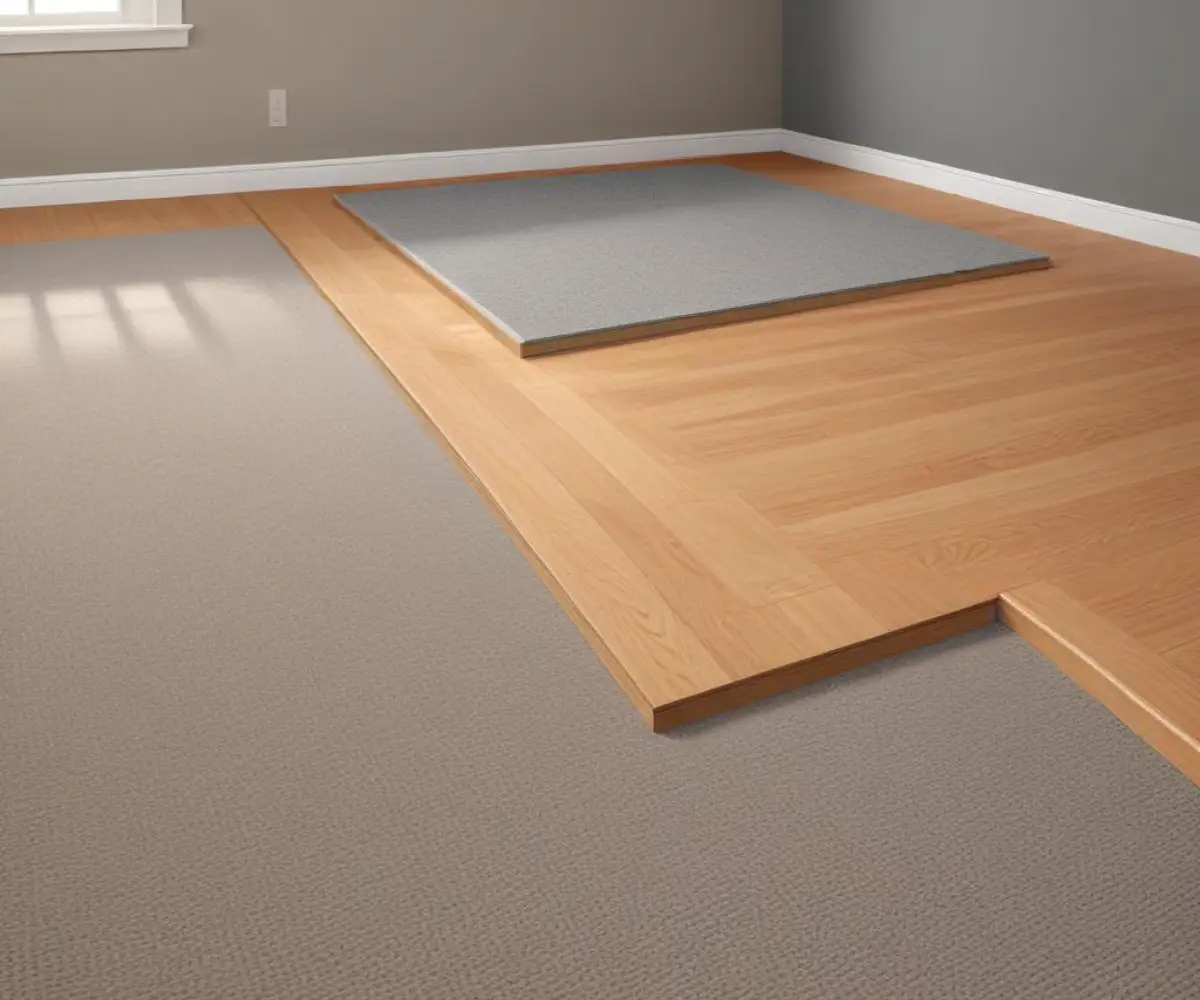
The game-changer for basements has been the development of waterproof laminate flooring. Unlike water-resistant options, which can only handle topical spills for a short period, waterproof laminate is constructed with a core that is impervious to water. This is typically a plastic or vinyl composite material.
This innovation means that if you experience a minor flood or leak, you can theoretically pull up the planks, let the subfloor dry completely, and reinstall the same flooring. This resilience makes it a far safer bet for a space where water is a constant threat. In cases of significant flooding, you may find that vinyl plank flooring offers even more robust protection.
Underlayment: The Non-Negotiable Step
Even with waterproof laminate, an underlayment is essential in the basement. A high-quality vapor barrier underlayment is non-negotiable. This thin sheet of plastic prevents moisture vapor from the concrete slab from getting trapped underneath your laminate flooring, where it could still foster mold growth on the subfloor.
Many underlayments also offer thermal and acoustic insulation benefits. This can make the notoriously cold surface of laminate feel warmer underfoot and reduce the hollow clicking sound that can sometimes occur when walking on it. If floor temperature is a major concern, you might even explore options like adding a dedicated heat zone to your basement.
Head-to-Head Comparison: Carpet vs. Laminate
Making the final decision requires a direct comparison across the factors that matter most in a basement environment. Each flooring type has distinct advantages and disadvantages that will align differently with your priorities and the intended use of the space.
Consider how you plan to use your basement. Will it be a cozy entertainment space where warmth is paramount, or a multi-purpose room where durability and easy cleanup are the top priorities? This will heavily influence which flooring is the right fit for your home.
Detailed Feature Breakdown
Let’s break down the key attributes of each flooring option in the context of a basement installation. This detailed analysis will help you weigh the pros and cons based on your specific needs and concerns.
| Feature | Carpet (Synthetic, Low-Pile) | Waterproof Laminate |
|---|---|---|
| Moisture Resistance | Resistant to mold/mildew, but will absorb water in a flood. Requires complete drying to prevent damage. | Excellent. Core is impervious to water. Can be removed, dried, and reinstalled after minor flooding. |
| Comfort & Warmth | Superior. Soft and insulating underfoot, making the space feel warmer and cozier. | Fair. Harder and colder underfoot than carpet. An insulated underlayment helps, but it won’t match carpet’s warmth. |
| Durability & Lifespan | Good (5-10 years). Prone to staining and wear in high-traffic areas. Lifespan is significantly reduced by moisture events. | Excellent (15-25 years). Highly resistant to scratches, dents, and fading. Top choice for high-traffic or multi-purpose basements. |
| Maintenance & Cleaning | High. Requires regular vacuuming. Spills must be cleaned immediately. Professional deep cleaning is recommended. | Low. Easy to sweep, vacuum, or damp mop. Spills are not a major concern. |
| Cost (Installation Included) | Lower initial cost. Approximately $3-$7 per square foot. | Higher initial cost. Approximately $6-$10 per square foot. |
| Air Quality & Allergens | Can trap dust, dander, and other allergens. Potential for mold growth if it gets wet. | Hypoallergenic. Does not trap allergens. Easy to keep clean and free of dust. |
| DIY Friendliness | Difficult. Requires specialized tools like a knee kicker and power stretcher for proper installation. | Moderate. Click-lock systems are designed for DIY installation, but a level subfloor is critical for success. |
Beyond the Basics: Factors You Haven’t Considered
The debate between carpet and laminate often overlooks some subtle but crucial details. These less-discussed points can have a significant impact on your long-term satisfaction and the overall success of your basement renovation.
Thinking about these nuances now can save you from regret later. The best flooring choice is not just about the material itself but how it integrates with your home’s unique conditions and your lifestyle.
Subfloor Flatness is Paramount for Laminate
Laminate flooring is rigid. This means it requires an incredibly flat subfloor to perform correctly. Most concrete basement floors have high and low spots. If you install laminate over an uneven surface, the planks will flex underfoot, causing the locking mechanisms to creak, separate, or even break over time.
Before installing laminate, you must check the floor for flatness with a long straightedge. Grinding down high spots and filling low spots with a self-leveling compound is a critical, often-overlooked step. This adds to the project’s complexity and cost but is essential for a professional, long-lasting result.
The Impact on Resale Value
When it comes to your home’s resale value, hard surfaces generally have a broader appeal than carpet. Many potential buyers see carpet as something that will need to be replaced, as it can hold stains and allergens from the previous owners.
A high-quality waterproof laminate that convincingly mimics hardwood can be a significant selling point. It signals to buyers that the basement is a durable, low-maintenance, and usable space, potentially increasing your home’s overall value and appeal.
The Final Verdict: Which Flooring Should You Choose?
So, what is the definitive answer in the carpet vs. laminate in basement debate? The best choice ultimately depends on your priorities and your basement’s specific conditions. There is no one-size-fits-all solution.
Choose Waterproof Laminate if:
- Your top priorities are durability, longevity, and ease of maintenance.
- The basement may be used for multiple purposes, including high-traffic activities or messy hobbies.
- Allergies are a concern in your household.
- You are willing to invest more upfront for a longer-lasting, more water-resilient solution.
- You can ensure the concrete subfloor is perfectly flat before installation.
Choose Synthetic Carpet if:
- Your primary goal is to create a warm, comfortable, and quiet space.
- Your basement is consistently dry with no history of water intrusion.
- The space will be used as a cozy family room, bedroom, or home theater.
- You are on a tighter initial budget.
- You are committed to using a high-quality moisture-barrier pad and ensuring immediate cleanup of any spills.
Ultimately, the greatest threat to any basement flooring is moisture. Whichever option you choose, your first and most important investment should be in waterproofing and moisture mitigation. A dry basement provides a safe foundation for both cozy carpet and durable laminate, ensuring your new floor will last for years to come.